 Standards and obligations
ZONING AND FISCAL INCENTIVES FOR STORED-CARBON CONSTRUCTION
Lever last updated: 14 September 2026
Planning and tax incentives rewarding developers who use carbon-storing construction materials.
Cost
Very low to High
Authorities pay for administration and verification, plus the fees and taxes they forgo. Annual fiscal cost depends on uptake, the discount per qualifying project, its duration and any programme limit. Additional building rights require little direct spending; available development sites and material supply constrain how widely incentives can be used.
Complexity
Low to High
An authority using existing planning or tax powers can revise eligibility and application procedures. Wider implementation may need legislation, a shared carbon-assessment method and coordination between planning, taxation, building-safety and environmental authorities.
Timeline
Short to Medium
From formal initiation, an authority with existing powers can influence development applications and material choices within one to two years. New legislation and assessment procedures can require two to five years before developers use the benefit; completed storage follows construction.
Integrity, transparency & MRV
Innovation & cost reduction
Social & environmental safeguards
Energy, transport & storage infrastructure
Inputs & capacity
Demand formation
Bankability and cost of capital
Policy architecture & coordination
Overview
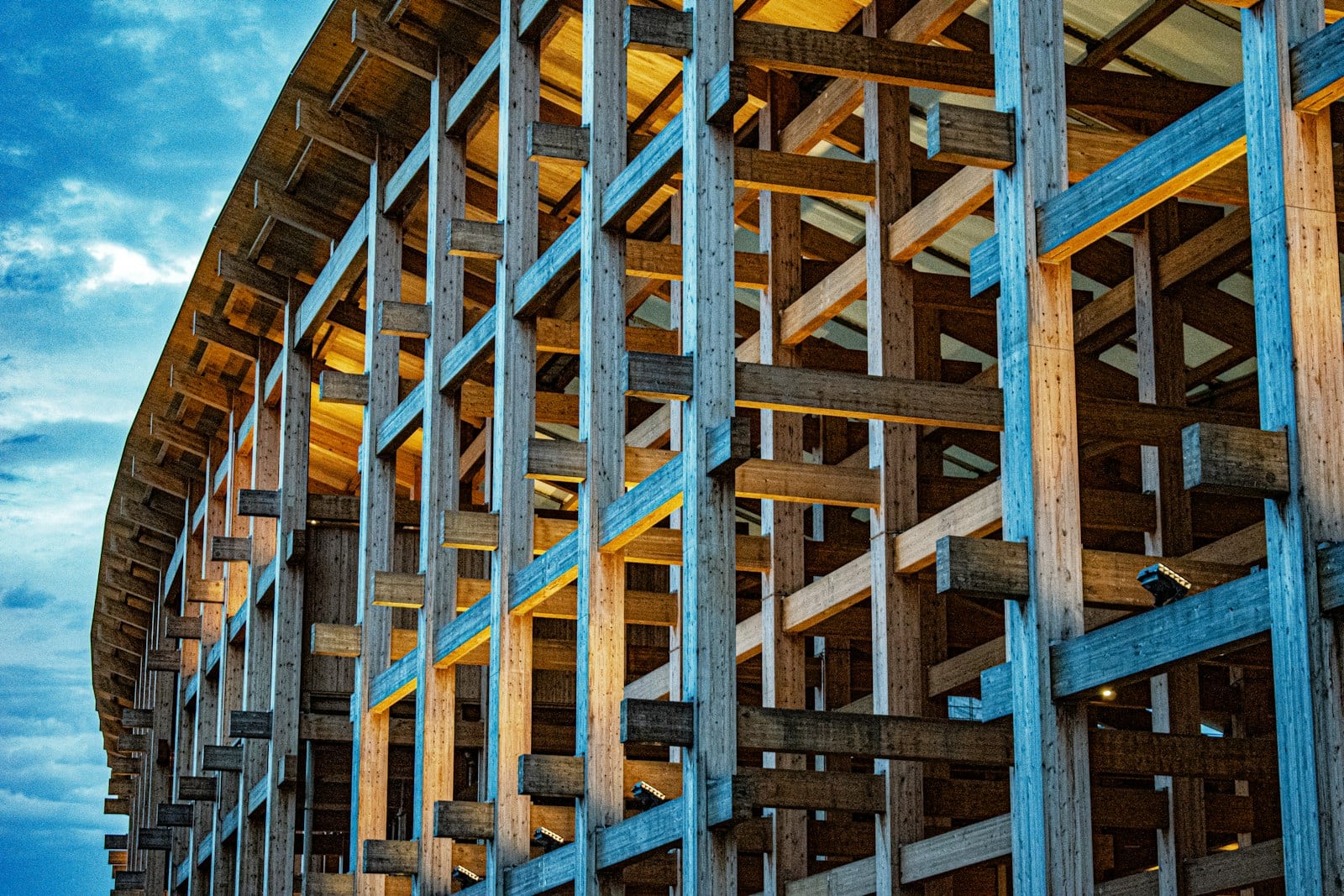
Governments can offer developers extra building space, faster planning decisions or lower fees and taxes when they choose construction materials that store atmospheric carbon. Some planning and tax programmes already reward timber buildings or wider environmental performance in these ways. A CDR-focused incentive would reward verified storage in the completed building, for example in sustainably sourced timber or concrete made with mineralised CO₂ captured from biomass or the air. The developer gains a commercial advantage for choosing the qualifying design; the public gains additional carbon storage. Developers can still build without the incentive under the ordinary planning and building rules.
Key Considerations
The authority should first identify alternatives that developers could realistically use, such as engineered timber in place of some structural steel or concrete, or concrete incorporating mineralised atmospheric CO₂. Eligibility must test the climate result: timber requires sustainable sourcing and credible treatment of forest carbon, while fossil CO₂ added to concrete is not atmospheric removal. Lifecycle assessment should account for production emissions, the building's lifetime and what happens when it is demolished. The benefit must be large enough to change a viable design. Tax relief needs a stated duration and maximum value, while any extra height or faster processing must retain structural, fire, environmental and public-participation requirements.
Opportunities
A developer who uses a qualifying design can receive more floor space to sell or rent, or pay less in fees and taxes, than would be available under ordinary development rules. Those benefits can offset the additional cost or perceived risk of carbon-storing materials. Where they change material choices, the same policy creates additional carbon storage and a commercial return for the developer. Avoided production emissions can provide a further benefit, assessed separately from removals. Repeated projects generate orders for suppliers and practical experience for designers and builders, while common criteria across neighbouring authorities can broaden that demand.
Risks
Authorities may grant extra saleable floor space or reduce a tax bill for a project that would have used the same materials anyway, receiving no additional carbon storage in return. Tax and fee discounts can reduce funds for local services if many developers claim them and no maximum cost has been set. Weak lifecycle rules can conceal unsustainable harvesting or carbon released after demolition. Extra height can put pressure on local infrastructure and accelerate displacement. Complex evidence requirements may exclude smaller developers, while shortcuts in structural or fire checks can make an otherwise attractive incentive unsafe.
Monitoring and Evaluation
Evaluation should compare qualifying applications with completed buildings, verified storage, approval times and the value of benefits granted. A comparable group receiving no incentive can help identify designs that changed because of the policy. Forgone revenue, sourcing failures, housing impacts and loss of storage should inform eligibility, benefit levels and recovery of wrongly granted relief.
Stakeholder Engagement
Planning and finance officials should agree how benefits are valued, capped and recovered. Developers, engineers, builders, insurers and fire officials can test whether qualifying designs are practical and safe. Material suppliers and carbon specialists should establish sourcing and storage evidence, while residents, housing advocates and infrastructure providers assess the local consequences of additional development.
Governance Levels
National, regional and state governments can authorise building-related tax relief and development incentives within their constitutional powers. Municipalities can change zoning, prioritise applications and adjust fees or property taxes where higher-level law permits. Planning teams assess development rights and compliance; finance teams administer fiscal benefits and record forgone revenue. Common lifecycle and safety rules can come from higher levels, but the authority granting each benefit must have the power to enforce its conditions.
Implementation Strategies
Authorities should identify suitable building types and the obstacle that prevents developers from choosing carbon-storing materials, such as additional cost, approval uncertainty or limits on floor space. The incentive should address that obstacle and offer a clear benefit for a qualifying design.
A material-neutral lifecycle test should define eligible net storage, sourcing, building life and end-of-life treatment. Safety codes and insurance requirements should be checked early so that the incentive rewards a buildable design.
Finance teams should specify which fees or taxes are reduced, by how much and for how long, and set a maximum cost per project or programme where needed. Rules should cover completion evidence, ownership changes and recovery of benefits obtained through incorrect claims.
A first phase should retain safety, environmental, infrastructure and public-participation requirements. Developers should receive a clear application route and know what evidence is needed at design, completion and later changes of use.
Annual evaluation should compare promised and completed storage, incentive value, housing effects and uptake against similar projects. Authorities can revise future benefit levels when they reward business-as-usual projects or fail to change material choices.
Case Studies
Redmond Development Incentives Program
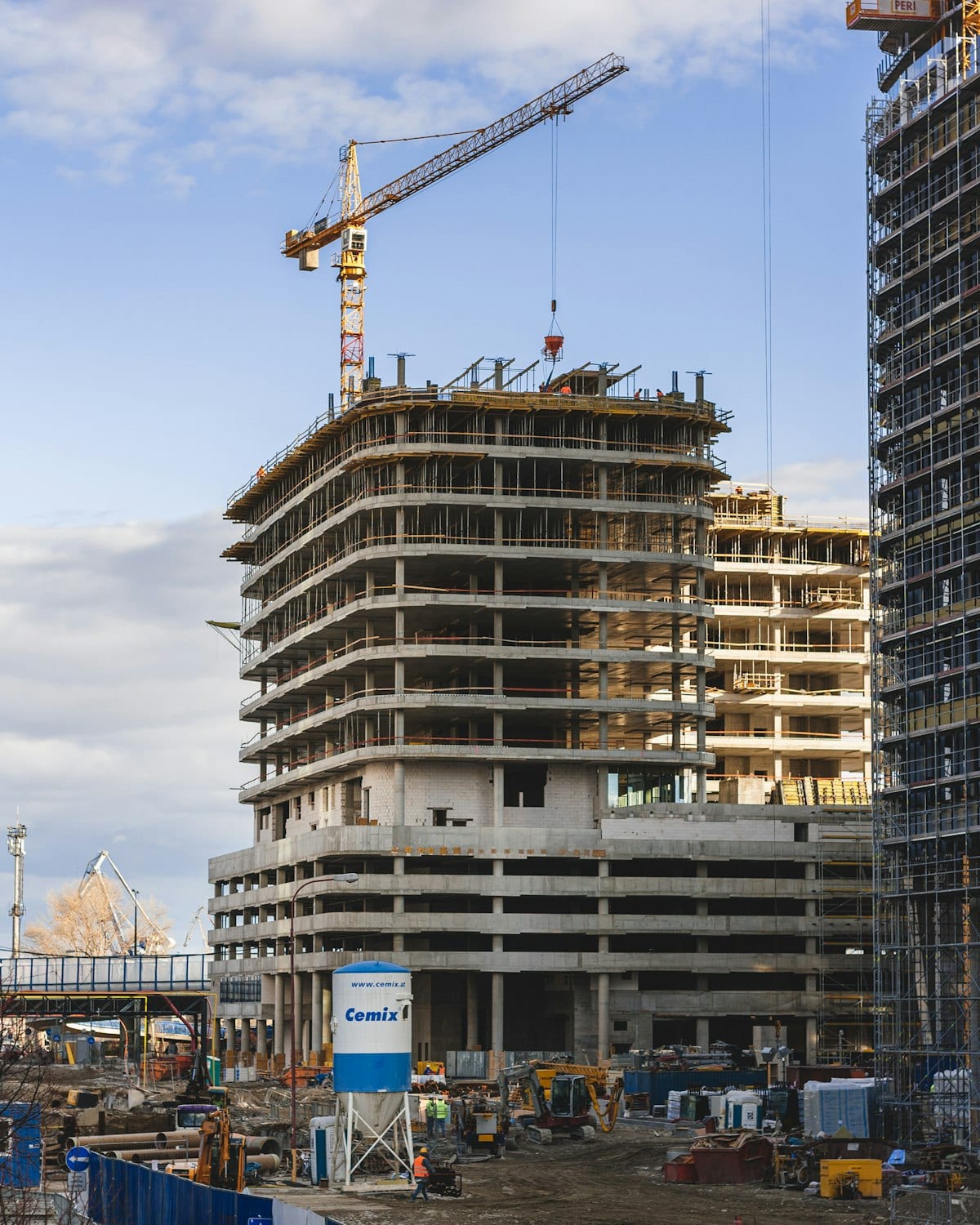
Redmond’s Development Incentives Program, effective in June 2025, lets developers earn additional building height or floor area by providing specified public benefits. Mass timber, a construction system using large engineered-wood elements, receives enhanced points during the first five years and can be combined with other green-building incentives. The city therefore offers something developers value commercially in exchange for a changed design choice. The programme provides an operating example of the zoning mechanism, although its published description does not establish additional net removals or completed-project uptake. A CDR version would test sustainable sourcing, lifecycle emissions and storage duration rather than treat the use of timber itself as sufficient evidence.

Washington transit-oriented-development law
Washington State’s 2025 transit-oriented housing law requires covered cities to allow greater height and density for developments built with all mass timber products in qualifying bus-station areas. Effective in July 2025, the law ties local implementation to planning deadlines, with some cities required to comply by December 2029. A state can therefore make a development incentive available across several municipal markets instead of relying on separate voluntary initiatives. The provision rewards a construction method, not measured atmospheric storage, and the bill record reports the legal requirement rather than completed buildings. Translating it into a CDR incentive would require lifecycle and sourcing tests and coordination with affordability and infrastructure conditions.

Cincinnati’s green-building property-tax relief
Cincinnati introduced enhanced property-tax relief for certified green buildings in 2006. A case study by the U.S. Green Building Council, which operates the LEED environmental building-rating system, documents higher exemption limits and longer relief for stronger certification. Owners submitted evidence after completion, linking the tax benefit to an independently assessed building. The report includes homes that received the relief, showing that the mechanism progressed beyond an announcement. Reducing future property taxes improves the return from choosing a qualifying design. This historical programme rewarded broader environmental performance, not verified atmospheric storage. A CDR adaptation would need a specific stored-carbon test and a limit on forgone revenue.
More Standards and obligations

Product carbon intensity standards
A legal ceiling on lifecycle carbon emissions per unit of product output.
Cost
Very low to Medium
Complexity
Medium to High
Timeline
Short to Medium
Integrity, transparency & MRV
2–3Innovation & cost reduction
2–4Social & environmental safeguards
N/AEnergy, transport & storage infrastructure
N/AInputs & capacity
1–3Demand formation
2–4Bankability and cost of capital
1–3Policy architecture & coordination
2–4
Minimum carbon-storing content requirements
A legal minimum share of durably stored atmospheric carbon in covered products.
Cost
Low to Medium
Complexity
High
Timeline
Medium to Long
Integrity, transparency & MRV
3–4Innovation & cost reduction
2–3Social & environmental safeguards
2–3Energy, transport & storage infrastructure
N/AInputs & capacity
2–3Demand formation
4–5Bankability and cost of capital
2–3Policy architecture & coordination
3–4
Low-carbon fuel standards
A tightening ceiling on the average lifecycle carbon intensity of transport fuel.
Cost
Low to Medium
Complexity
High to Very high
Timeline
Medium to Long
Integrity, transparency & MRV
2–4Innovation & cost reduction
2–3Social & environmental safeguards
1–3Energy, transport & storage infrastructure
1–2Inputs & capacity
1–3Demand formation
2–3Bankability and cost of capital
1–3Policy architecture & coordination
2–3©2026 Alexander Mäkelä and Carbon Gap.
Except where otherwise indicated, this work is licensed under the Creative Commons Attribution–NonCommercial–ShareAlike 4.0 International Licence.
Headline and barrier scores based on Carbon Gap analysis.