 Standards and obligations
MINIMUM CARBON-STORING CONTENT REQUIREMENTS
Lever last updated: 14 September 2026
A legal minimum share of durably stored atmospheric carbon in covered products.
Cost
Low to Medium
This counts the government's direct cost of developing product-specific measurement methods, running reporting and audit systems, checking domestic goods and imports, and enforcing penalties. Costs rise with additional product groups or jurisdictions.
Complexity
High
Governments must legislate, classify products and carbon sources, develop methods for measuring net carbon storage, build reporting systems, approve auditors, check imports, investigate fraud, enforce penalties and coordinate product, customs, waste and climate authorities.
Timeline
Medium to Long
Existing measurement rules and available supply could let the requirement change sourcing within two to five years of formal design. New tests, product approvals and supply expansion may extend first compliance to five to ten years.
Integrity, transparency & MRV
Innovation & cost reduction
Social & environmental safeguards
Energy, transport & storage infrastructure
Inputs & capacity
Demand formation
Bankability and cost of capital
Policy architecture & coordination
Overview
Governments can require manufacturers and importers to sell covered products only if they contain a minimum amount of carbon removed from the atmosphere and keep it stored for a specified period. The minimum could apply to each product or to all covered products a factory makes in a year. This creates direct demand for carbon-removal suppliers whose carbon becomes part of concrete or other durable materials. Unlike a carbon-intensity standard, it regulates what the product contains, not its total lifecycle emissions. Unlike a CDR purchase mandate, buying removal credits is not enough: the removed carbon must enter the product.
Key Considerations
Covered products should be durable goods retaining atmospheric carbon. Candidates include aggregates and concrete made with removed CO₂, masonry and construction products containing biochar. Timber, bio-based insulation and durable polymers qualify only if they extend storage beyond what would otherwise happen. Fuels and short-lived products are unsuitable. Governments should choose whether to measure how much carbon-storing material a product contains or how much atmospheric carbon it stores. Factories can average carbon-storing and ordinary materials across output, but cannot claim more carbon-storing material than they used. Certificates alone should not count. Rules must cover production emissions, disposal, imports, enforcement and early release.
Opportunities
By making carbon-storing materials a condition of sale, the requirement can give removal suppliers a dependable market beyond voluntary credit purchases. That demand may justify new production, help manufacturers use the materials safely and reduce costs through larger production runs. A common minimum can also prevent early adopters being undercut by competitors using conventional materials. These are expected effects, not demonstrated CDR outcomes: recycled-content laws show that content requirements change sourcing, but not that a CDR version would deliver removals or lower prices.
Risks
Loose eligibility rules could let manufacturers count fossil CO₂ captured from industry. That may cut emissions but not remove atmospheric carbon, turning the requirement into a carbon-use subsidy. Removals would also be overstated if the product stored the carbon anyway, released it at disposal, or sold it separately as a credit. Limited supplies and costly testing could raise product prices and burden smaller firms. Percentage targets could encourage material use instead of repair, reuse or recycling.
Monitoring and Evaluation
Regulators should match claims to purchase records, output and lifecycle calculations to confirm that carbon came from the air and more was stored than emitted in production. Compliance, supply, prices, rejected imports and disposal releases show whether the requirement works. Shortages or price spikes may slow increases. Fraud, double claiming or early release should trigger tighter eligibility, audits or penalties.
Stakeholder Engagement
Regulators, manufacturers and CDR suppliers should map products that can safely and durably retain atmospheric carbon, their scale and cost, and when supply can expand. Standards bodies and lifecycle experts should turn findings into measurement methods. Importers should test foreign-product evidence. Civil society and affected sectors should identify weak safeguards, burdens, misleading claims and conflicts with repair, reuse and recycling.
Governance Levels
Supranational, national and regional or state governments can set binding product standards and stop non-compliant goods from being sold. Supranational rules suit shared markets, where one standard can cover domestic and imported products. National or regional governments can act where product, building-material or waste law sits at those levels. Product regulators would check manufacturers, while customs authorities would apply the same evidence requirements to imports. Cities can support the same objective through procurement or building codes, but those tools regulate local projects rather than whether manufacturers and importers may sell a product.
Implementation Strategies
Select product categories by comparing how much carbon they store, for how long, product safety, available supply and cost.
Pass legislation defining the minimum, covered manufacturers and importers, eligible carbon sources, required evidence, start date and penalties.
For each category, define how to measure stored carbon, subtract production emissions, calculate compliance when factories use both material types, verify imports and account for disposal or early release.
Set the minimum from supply and cost evidence, then revise it as evidence improves.
Case Studies
California Recycled-Content Standard for Plastic Beverage Containers
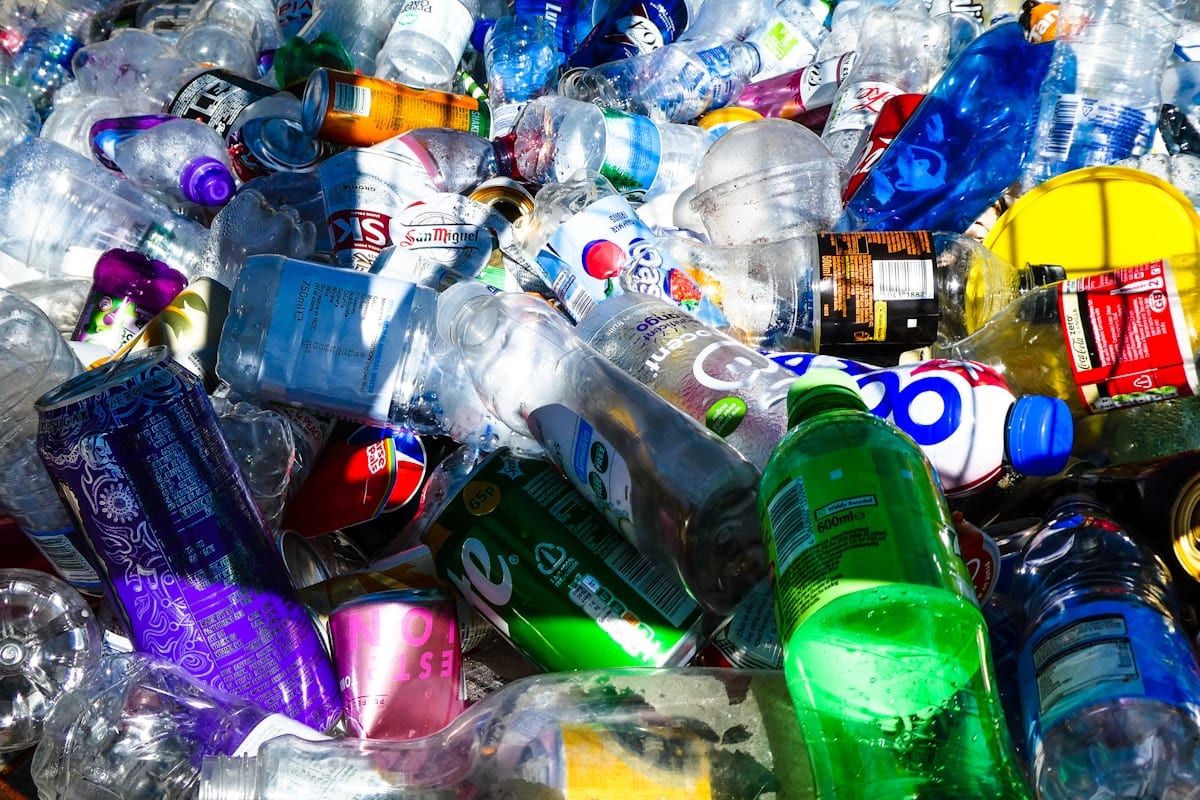
California passed AB 793 in September 2020 to create demand for plastic collected from consumers. It requires beverage companies to make recycled plastic at least 15% of the plastic used in California bottles from 2022, rising to 25% in 2025 and 50% in 2030. Companies report the weights of new and recycled plastic they use. CalRecycle can penalise shortfalls and approve corrective plans. While the requirement is operating, the cited programme page does not establish its effect on prices or recycling volumes. The main lesson for CDR is how purchase records, supply monitoring and penalties can enforce a physical-content requirement.
EU Single-Use Plastic Bottle Recycled-Content Standard
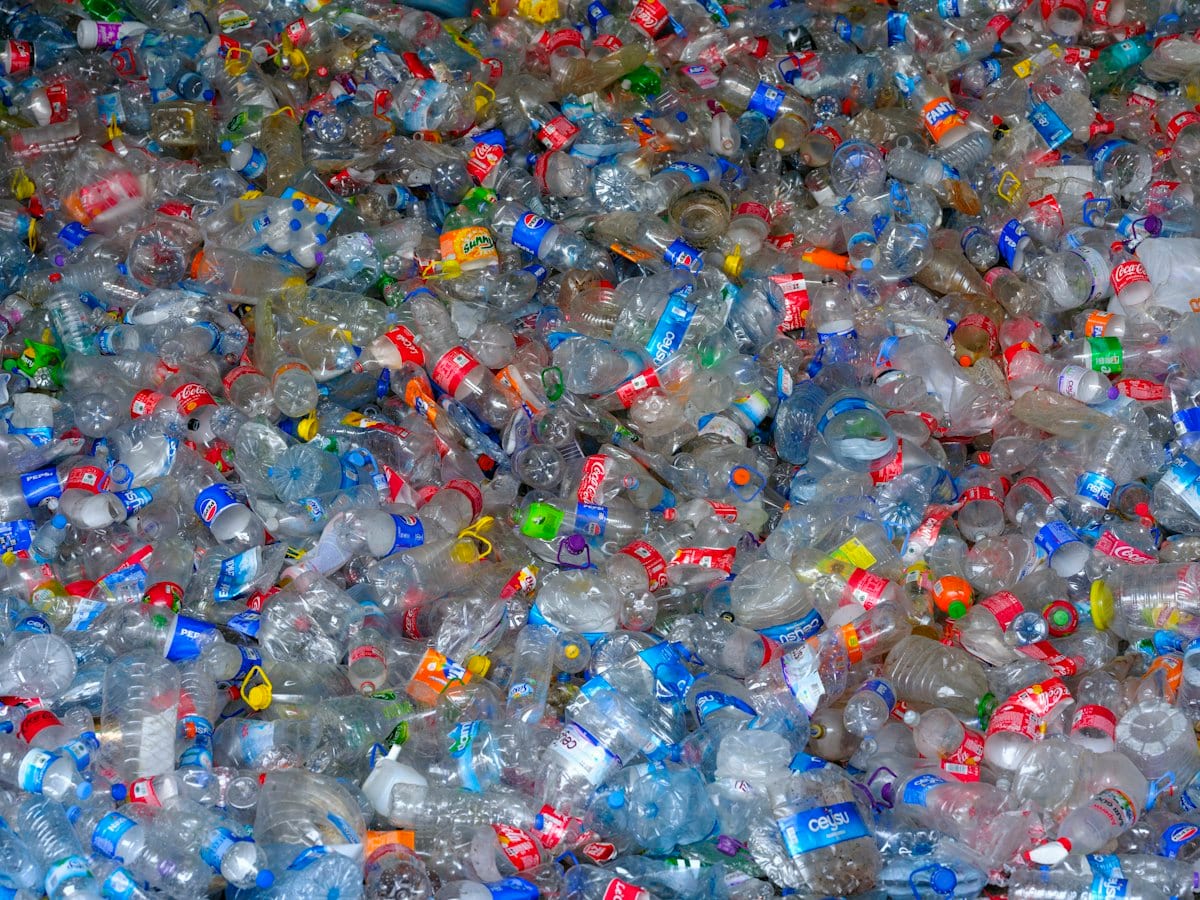
The EU adopted its Single-Use Plastics Directive in June 2019 to reduce waste and create demand for recycled plastic. It requires PET bottles to contain 25% recycled plastic from 2025, averaged across each Member State's sales. The minimum becomes 30% for all covered bottles in 2030. A 2026 decision explains how factories must track recycled and new material when both enter the same production system. The lesson for a CDR requirement is that a clear headline minimum still needs detailed accounting and reporting rules.

EU Packaging and Packaging Waste Regulation
The EU adopted the Packaging and Packaging Waste Regulation in December 2024 to reduce dependence on new raw materials. It applies across the EU from August 2026, giving companies one rule rather than separate national versions. From 2030, several types of plastic packaging must contain minimum amounts of recycled material. Manufacturers and importers must keep evidence, including for packaging made outside the EU. The minimums have not started, so no result is yet measurable. The PPWR process illustrates why governments legislate years before compliance so measurement rules, import checks and material supplies can be prepared.
More Standards and obligations

Product carbon intensity standards
A legal ceiling on lifecycle carbon emissions per unit of product output.
Cost
Very low to Medium
Complexity
Medium to High
Timeline
Short to Medium
Integrity, transparency & MRV
2–3Innovation & cost reduction
2–4Social & environmental safeguards
N/AEnergy, transport & storage infrastructure
N/AInputs & capacity
1–3Demand formation
2–4Bankability and cost of capital
1–3Policy architecture & coordination
2–4
Low-carbon fuel standards
A tightening ceiling on the average lifecycle carbon intensity of transport fuel.
Cost
Low to Medium
Complexity
High to Very high
Timeline
Medium to Long
Integrity, transparency & MRV
2–4Innovation & cost reduction
2–3Social & environmental safeguards
1–3Energy, transport & storage infrastructure
1–2Inputs & capacity
1–3Demand formation
2–3Bankability and cost of capital
1–3Policy architecture & coordination
2–3
Material authorisation and end-of-waste rules
Legal conditions defining when a recovered waste material becomes an authorised CDR input.
Cost
Very low to Low
Complexity
Low to Medium
Timeline
Short to Medium
Integrity, transparency & MRV
1–2Innovation & cost reduction
2–3Social & environmental safeguards
2–3Energy, transport & storage infrastructure
N/AInputs & capacity
2–3Demand formation
1–2Bankability and cost of capital
1–3Policy architecture & coordination
2–3©2026 Alexander Mäkelä and Carbon Gap.
Except where otherwise indicated, this work is licensed under the Creative Commons Attribution–NonCommercial–ShareAlike 4.0 International Licence.
Headline and barrier scores based on Carbon Gap analysis.