 Standards and obligations
PRODUCT CARBON INTENSITY STANDARDS
Lever last updated: 14 September 2026
A legal ceiling on lifecycle carbon emissions per unit of product output.
Cost
Very low to Medium
France projected no state-administration cost for RE2020, while the EU’s broader sustainable-products machinery budgeted about €18 million to €23 million annually for staff, studies, testing support and IT.
Complexity
Medium to High
A single-sector code needs legislation, lifecycle rules, declarations and permit checks. A multi-product regime adds delegated standards, common datasets, independent verification, customs controls and coordinated market surveillance.
Timeline
Short to Medium
Vancouver required new-building permit applications to demonstrate embodied-carbon compliance 17 months after Council approval. The EU battery regulation takes at least four and a half years before maximum lifecycle-carbon ceilings can bind.
Integrity, transparency & MRV
Innovation & cost reduction
Social & environmental safeguards
Energy, transport & storage infrastructure
Inputs & capacity
Demand formation
Bankability and cost of capital
Policy architecture & coordination
Overview
Product carbon intensity standards set a legal ceiling on lifecycle greenhouse-gas emissions per tonne, square metre, kilowatt-hour or other unit of output. Products above the ceiling cannot be sold, installed or permitted. The product carbon intensity standards changes the manufacturer’s problem from reporting carbon to meeting a limit. Firms cut process emissions, switch inputs, redesign products or, where the accounting method recognises durable atmospheric-carbon storage, use CDR-linked materials or processes. This lever is not green procurement, a low-carbon fuel standard or a voluntary label. It would apply across a covered market, not only to one buyer or tender.
Key Considerations
Government must make unlike products comparable by defining the functional unit, lifecycle boundary, data hierarchy, treatment of electricity, recycled inputs and imports, then publishing tightening thresholds. CDR can enter through two routes. Physical uptake can lower the lifecycle result where atmospheric or biogenic CO₂ is demonstrably stored in the product. Book-and-claim does not change the product’s physical footprint under lifecycle accounting; the rule must separately authorise verified removal units to be cancelled and allocated against output. That route needs strict eligibility, allocation and claims rules to prevent double counting or substitution for direct reductions. Small producers need conservative default data.
Opportunities
This lever leverages regulation to stimulate innovation and emissions reductions across supply chains. Opportunities include creating a level playing field where low-carbon products gain a competitive advantage, driving investment into cleaner processes and CDR integration. It sends a strong market signal that rewards sustainable manufacturing, potentially opening new markets for certified low-carbon products and strengthening national leadership in green industries.
Risks
Bad boundaries produce good-looking numbers and bad climate outcomes. Firms may shift emissions outside the measured lifecycle, substitute weak industry averages for plant data, or use low-quality credits if allowed. Rapid tightening can raise prices, strand production, squeeze small suppliers and redirect demand to unregulated imports. Rules that credit temporary biogenic storage too generously can confuse delayed emissions with durable removal. A single threshold can also punish products serving different safety or durability functions.
Monitoring and Evaluation
Monitoring can compare the distribution of verified product intensities, compliance failures, import shares, prices and supplier concentration before and after each threshold step. Where storage or removal counts, regulators need separate data on atmospheric origin, durability and reversals. These results should periodically determine whether to tighten, redesign, delay or split the standard, rather than merely confirm that firms filed declarations.
Stakeholder Engagement
Engaging the industry early is essential to ensure standards are realistic and effective. Manufacturers and suppliers can test data availability and compliance cost. Lifecycle experts and verifiers can challenge calculation rules. Customs, market-surveillance and permitting bodies can expose enforcement gaps. CDR developers should show when atmospheric carbon is stored rather than captured from fossil streams. Workers, consumers and communities can identify price, employment, safety and local environmental trade-offs before thresholds are fixed.
Governance Levels
Supranational authorities can set market-wide product rules and police imports, as the EU has done for battery carbon footprints and future ceilings. National governments can legislate lifecycle methods, data requirements and enforceable thresholds. States and provinces can add rules where their constitutional authority permits, as California has done through its building code. Cities can use bylaws and permits to exclude non-compliant materials or buildings, as Marin County and Vancouver demonstrate. Application at higher levels of governance could improve comparability and reduce leakage while lower levels can move faster when they control permitting.
Implementation Strategies
Governments should start with high-emission products that have similar functions and lifecycle data, then publish a ceiling and tightening dates.
They can require declarations, common calculation rules and independent checks, using conservative defaults where verified data are missing.
Rules should credit durable atmospheric-carbon storage only after tests for origin, lifecycle emissions, durability and reversal liability. Generic offsets should not lower product intensity.
Authorities should align import checks across adjacent jurisdictions, then revise thresholds using observed intensities, prices and supplier concentration.
Case Studies

France RE2020
France’s RE2020 has been operational for new housing since January 2022. The rule caps whole-life construction impact and requires permit documentation. Its lifecycle method counts atmospheric carbon stored during a building’s life, while product declarations feed the assessment. The Conseil d’État confirmed that the ceiling covers components, transport, installation, maintenance, replacement and end of life, and upheld the dynamic method in 2023. RE2020 therefore shows a national standard making stored biogenic carbon compliance-relevant. It does not create removal credits, and temporary storage should not be confused with geological permanence.

Marin County low-carbon concrete code
Marin County’s low-carbon concrete ordinance has applied in unincorporated Marin since November 2019. Most projects pouring concrete must follow a cement limit or an embodied-carbon pathway, submit a compliance form for the building permit and provide batch receipts at final inspection. The county also prequalifies concrete mixes, turning an abstract carbon target into a choice suppliers and inspectors can administer. The ordinance demonstrates municipal authority and low-friction enforcement through existing permits. It primarily cuts cement-related emissions and provides no evidence of durable CDR demand.
EU Batteries Regulation
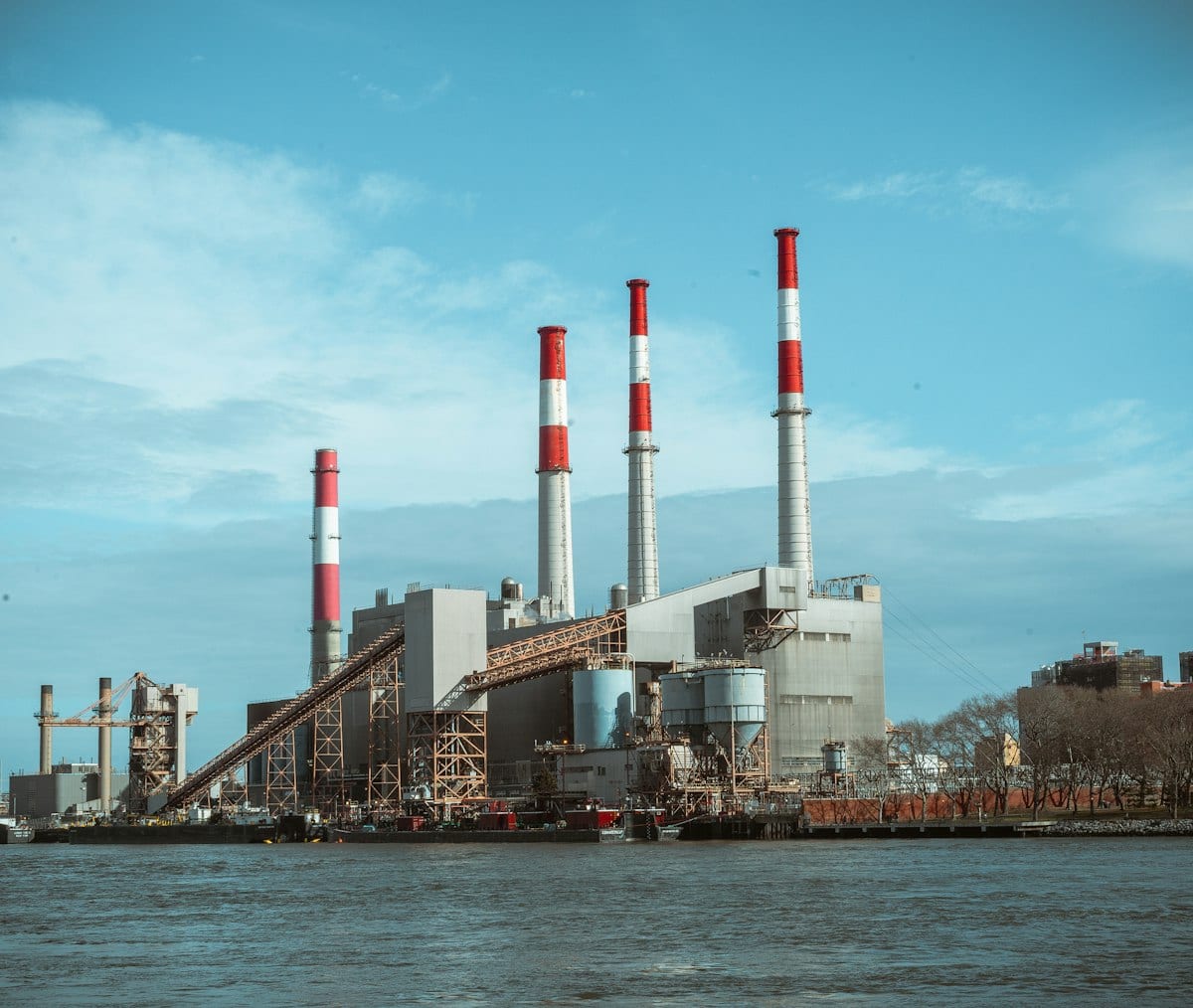
The EU Batteries Regulation entered into force in August 2023 and legislates a staged path from lifecycle footprint declarations to performance classes and maximum thresholds for electric-vehicle and larger rechargeable batteries. The regulation requires plant-level technical documentation and covers raw materials, production, distribution and end of life. Under the legal timetable, the maximum ceiling applies no earlier than February 2028 and its value must be set by delegated legislation. The case demonstrates supranational authority and the administrative sequence behind a product standard, but it targets emissions reduction, not CDR, and does not yet prove the effect of an operative ceiling.
More Standards and obligations
Minimum carbon-storing content requirements
A legal minimum share of durably stored atmospheric carbon in covered products.
Cost
Low to Medium
Complexity
High
Timeline
Medium to Long
Integrity, transparency & MRV
3–4Innovation & cost reduction
2–3Social & environmental safeguards
2–3Energy, transport & storage infrastructure
N/AInputs & capacity
2–3Demand formation
4–5Bankability and cost of capital
2–3Policy architecture & coordination
3–4
Low-carbon fuel standards
A tightening ceiling on the average lifecycle carbon intensity of transport fuel.
Cost
Low to Medium
Complexity
High to Very high
Timeline
Medium to Long
Integrity, transparency & MRV
2–4Innovation & cost reduction
2–3Social & environmental safeguards
1–3Energy, transport & storage infrastructure
1–2Inputs & capacity
1–3Demand formation
2–3Bankability and cost of capital
1–3Policy architecture & coordination
2–3
Material authorisation and end-of-waste rules
Legal conditions defining when a recovered waste material becomes an authorised CDR input.
Cost
Very low to Low
Complexity
Low to Medium
Timeline
Short to Medium
Integrity, transparency & MRV
1–2Innovation & cost reduction
2–3Social & environmental safeguards
2–3Energy, transport & storage infrastructure
N/AInputs & capacity
2–3Demand formation
1–2Bankability and cost of capital
1–3Policy architecture & coordination
2–3©2026 Alexander Mäkelä and Carbon Gap.
Except where otherwise indicated, this work is licensed under the Creative Commons Attribution–NonCommercial–ShareAlike 4.0 International Licence.
Headline and barrier scores based on Carbon Gap analysis.