 Standards and obligations
LOW-CARBON FUEL STANDARDS
Lever last updated: 14 September 2026
A tightening ceiling on the average lifecycle carbon intensity of transport fuel.
Cost
Low to Medium
National systems require lifecycle modelling, registries, reporting, verifier oversight and enforcement. Canada estimated CAD 89.8 million for these functions through 2040. International implementation adds a global registry and distributed national enforcement.
Complexity
High to Very high
Implementation requires legislation, lifecycle methods, supplier reporting, independent verification, a registry, trading rules and enforcement. International implementation must also align accounting and compliance across governments through a binding treaty.
Timeline
Medium to Long
Standards take years to develop and deploy because governments must legislate, complete lifecycle methods, build compliance systems and allow supplier preparation. California reached first compliance in four years; Canada in nearly seven.
Integrity, transparency & MRV
Innovation & cost reduction
Social & environmental safeguards
Energy, transport & storage infrastructure
Inputs & capacity
Demand formation
Bankability and cost of capital
Policy architecture & coordination
Overview
Low-carbon fuel standards require suppliers to lower the average lifecycle greenhouse-gas emissions of the transport fuel or energy they sell. Government sets a maximum carbon intensity per unit of energy and tightens it over time. Suppliers comply through cleaner production, lower-carbon fuels or electricity. Many systems express overperformance as credits and underperformance as deficits. Suppliers with deficits must improve their fuel mix or buy credits. Trading is common, not essential; government can require direct compliance. Unlike a renewable-content quota, the lever rewards lower lifecycle emissions without prescribing a fuel. CDR may qualify, but eligibility alone does not guarantee demand.
Key Considerations
Policymakers must decide which fuels, suppliers and lifecycle stages are covered, whether each supplier must comply or can pool and trade, and how quickly the standard tightens. The carbon-intensity method must treat electricity, feedstocks, land-use change, imports and incomplete data consistently. Compliance design needs reporting, independent verification, penalties, banking and protection against extreme credit prices. If CDR is included, government must decide whether removals lower a fuel pathway or generate separate credits, which methods qualify, how permanence and reversals are handled, and whether removal use is capped or reserved. Targets also need transition time and affordability safeguards.
Opportunities
The lever can reduce fuel emissions without government having to predict which technology will succeed. Suppliers can comply through cleaner production, alternative fuels, electrification or other approved options, encouraging competition and innovation. A tightening schedule gives producers and infrastructure investors a clearer view of future demand, while credit trading can direct revenue towards the cheapest qualifying reductions. If durable removals are eligible, the compliance market could provide an additional buyer for CDR. That opportunity remains conditional unless the policy protects some demand for removals.
Risks
Weak lifecycle accounting can make a fuel look cleaner by ignoring upstream emissions, land-use change or electricity sources. Targets that are too loose achieve little; targets that tighten too quickly can raise prices or strain supply. Unrestricted CDR credits may let suppliers buy removals instead of cleaning up fuels. The policy must distinguish avoided emissions, recycled CO₂ and durable removal, while preventing double claiming. Volatile credit prices and sudden eligibility changes can deter investment.
Monitoring and Evaluation
Monitoring should show whether fuel intensity is falling, which options drive change, and whether suppliers alter operations or purchase credits. Credit prices, fuel costs and market concentration can reveal whether the standard is too loose or too tight. Where CDR qualifies, reporting should identify removals issued, surrendered, reversed or claimed elsewhere and inform changes to targets, eligibility or cost controls.
Stakeholder Engagement
Governments should use technical working groups with fuel suppliers, importers, low-carbon fuel producers, utilities, CDR developers, storage operators and lifecycle experts to test data, accounting and compliance options. Vehicle and shipping operators can identify infrastructure constraints. Consumer groups, workers, Indigenous peoples and affected communities should test affordability, land-use and environmental impacts through public consultation before targets and safeguards are fixed.
Governance Levels
International treaty bodies can develop binding fuel-intensity requirements for activities that cross borders, which national authorities then enforce. Supranational institutions can legislate one standard across an integrated market. National governments can regulate fuel producers and importers, define carbon accounting and administer compliance. States and provinces can do the same where fuel or environmental powers are devolved. Higher levels reduce leakage and incompatible accounting; lower levels can move sooner and test designs. Cities, companies and foundations can support implementation but cannot impose the market-wide legal obligation defined here.
Implementation Strategies
Governments should define covered fuels, suppliers, lifecycle stages and imports so emissions cannot shift outside the standard.
They should publish the baseline and tightening limits early enough for suppliers to change operations and invest.
The lifecycle method should cover feedstocks, electricity, production, transport, land-use change and combustion, with default values regularly updated.
If credit trading is allowed, governments should create a registry, banking rules, verification, penalties, price reporting and safeguards against excessive prices or persistent surpluses.
CDR eligibility should distinguish stored carbon in fuel production from standalone removal credits and require net-removal accounting, durability and reversal liability.
Temporary CO₂ use and double claiming should be excluded. Dedicated CDR demand may require a minimum removal share or separate obligation.
Scheduled reviews should assess stringency, credit supply, fuel prices and removal use, then adjust targets, eligibility or price controls as needed.
Case Studies
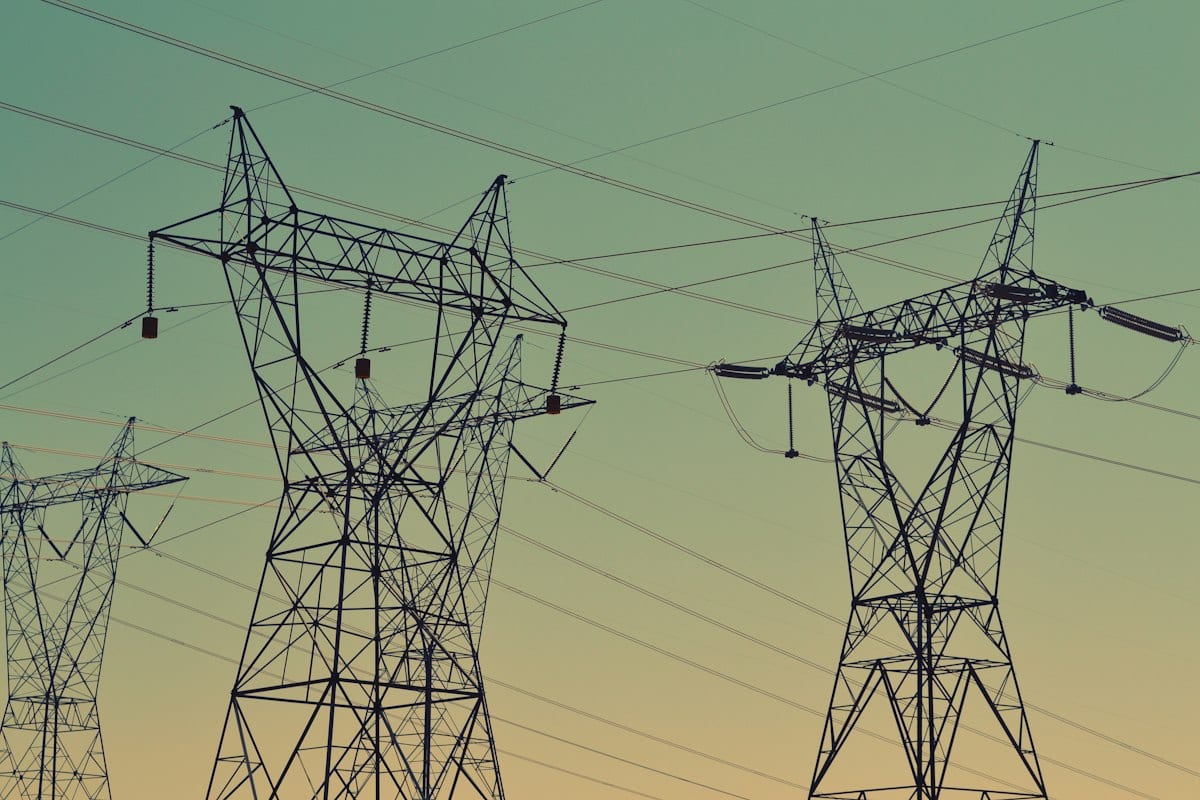
California Low Carbon Fuel Standard
California’s air-quality and climate regulator, the California Air Resources Board (CARB), has administered the standard since compliance began in 2011. Amendments approved in 2024 require the average lifecycle carbon intensity of transport fuels sold in the state to fall 30% by 2030 and 90% by 2045. CARB reports that this average had already fallen almost 13% and that the programme generates about $4 billion in annual private investment. Its CCS Protocol allows verified, geologically stored direct-air-captured CO₂ to earn credits. However, CARB’s crediting page reports no DAC applications, so legal eligibility has not yet produced CDR deployment.
Canada Clean Fuel Regulations
Canada announced the standard in November 2016, registered it in June 2022 and began reductions in July 2023. The first market report recorded 11.3 million credits from projects, low-carbon fuels, cleaner vehicle energy and carryovers. Three million credits changed hands in paid transactions averaging CAD 133.20 each. Credit creators could earn revenue by selling to regulated gasoline and diesel suppliers needing credits for compliance; credits were not limited to suppliers that beat the standard. One project route covers emissions reductions during fossil-fuel production, including CCS. Its six approved projects used co-processing, enhanced oil recovery or a generic method and did not identify removals.
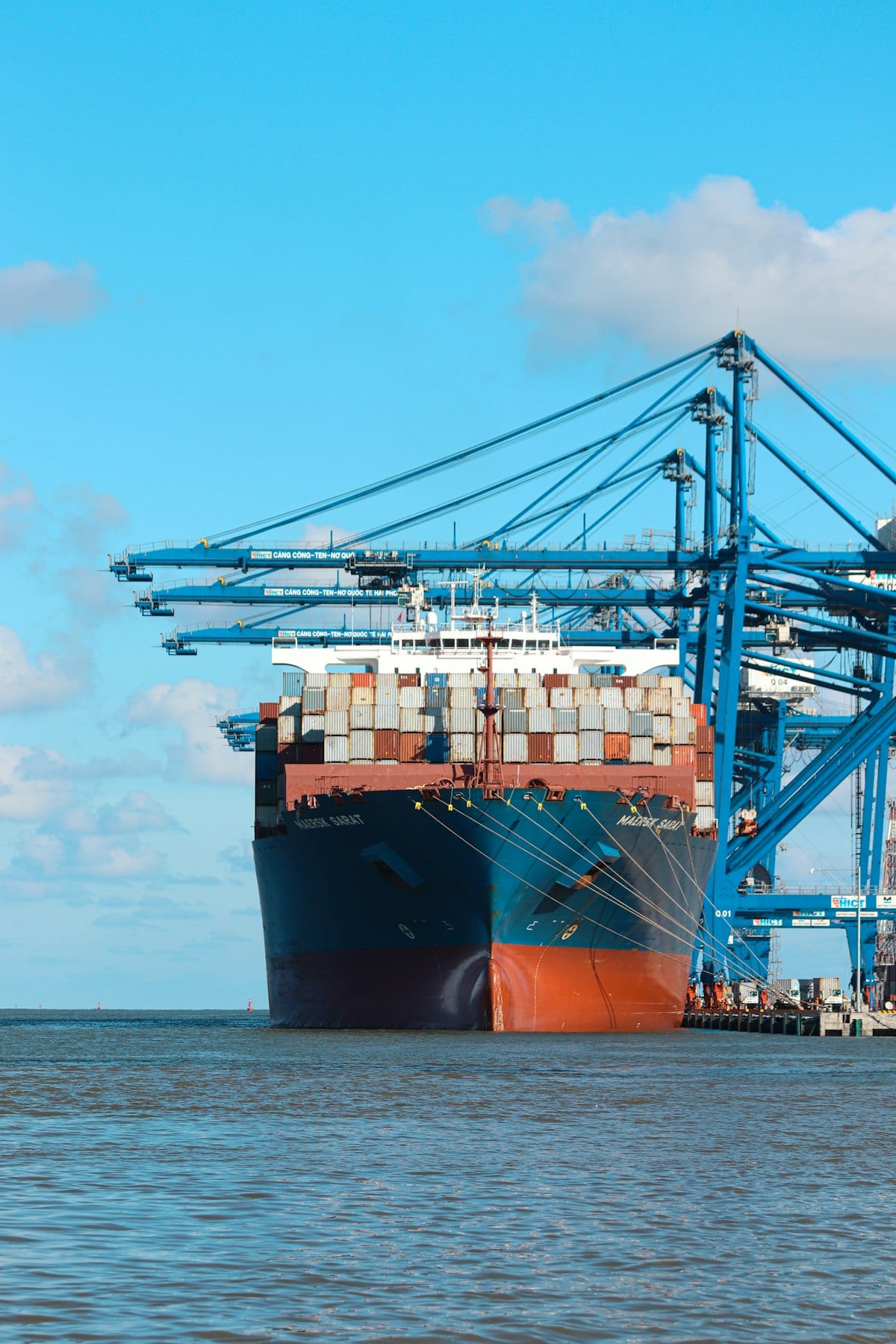
EU FuelEU Maritime
As a CDR-adjacent supranational precedent, Regulation (EU) 2023/1805 was adopted in September 2023 and has applied since January 2025. It limits the well-to-wake greenhouse-gas intensity of energy used on covered ships, beginning with a 2% reduction in 2025 and rising to 80% by 2050, while allowing pooling between ships. The regulation demonstrates that one authority can impose a common lifecycle method and declining standard across a multinational market. It does not create durable CDR demand. Fuel made with captured atmospheric CO₂ is not a removal when combustion returns that carbon to the air.
More Standards and obligations

Product carbon intensity standards
A legal ceiling on lifecycle carbon emissions per unit of product output.
Cost
Very low to Medium
Complexity
Medium to High
Timeline
Short to Medium
Integrity, transparency & MRV
2–3Innovation & cost reduction
2–4Social & environmental safeguards
N/AEnergy, transport & storage infrastructure
N/AInputs & capacity
1–3Demand formation
2–4Bankability and cost of capital
1–3Policy architecture & coordination
2–4
Minimum carbon-storing content requirements
A legal minimum share of durably stored atmospheric carbon in covered products.
Cost
Low to Medium
Complexity
High
Timeline
Medium to Long
Integrity, transparency & MRV
3–4Innovation & cost reduction
2–3Social & environmental safeguards
2–3Energy, transport & storage infrastructure
N/AInputs & capacity
2–3Demand formation
4–5Bankability and cost of capital
2–3Policy architecture & coordination
3–4
Material authorisation and end-of-waste rules
Legal conditions defining when a recovered waste material becomes an authorised CDR input.
Cost
Very low to Low
Complexity
Low to Medium
Timeline
Short to Medium
Integrity, transparency & MRV
1–2Innovation & cost reduction
2–3Social & environmental safeguards
2–3Energy, transport & storage infrastructure
N/AInputs & capacity
2–3Demand formation
1–2Bankability and cost of capital
1–3Policy architecture & coordination
2–3©2026 Alexander Mäkelä and Carbon Gap.
Except where otherwise indicated, this work is licensed under the Creative Commons Attribution–NonCommercial–ShareAlike 4.0 International Licence.
Headline and barrier scores based on Carbon Gap analysis.