 Standards and obligations
POST-NET-ZERO OBLIGATIONS
Lever last updated: 14 September 2026
Continuing duties to keep emissions and removals balanced, or net-negative, after the net-zero target year.
Cost
Very low to High
Rule-makers fund drafting, recurring accounts and compliance reviews. Organisations applying the duty to themselves also pay for continuing removals and any required net-negative surplus. This planning range spans small rule updates and large organisational programmes; annual gross expenditure depends on covered emissions, the required surplus and purchase prices.
Complexity
Low to High
Extending an existing standard requires recurring checks and consequences for failure. A statutory duty may also require legislation, allocation of responsibility, independent oversight and coordination with national accounts and project-level replacement obligations.
Timeline
Very short to Medium
As planning estimates, an organisation could change a budget or supplier contract within a year of initiating the rule. New public duties may take two to five years to affect investment; post-target compliance begins later.
Integrity, transparency & MRV
Innovation & cost reduction
Social & environmental safeguards
Energy, transport & storage infrastructure
Inputs & capacity
Demand formation
Bankability and cost of capital
Policy architecture & coordination
Overview
Reaching net zero does not end the need to deal with emissions that continue in later years. Governments, organisations and climate-standard setters can establish continuing duties to keep emissions and removals in balance after the target date. They can also require a net-negative outcome, meaning that removals exceed emissions by a specified amount. The rule identifies who is responsible, how often performance is checked and what action follows a shortfall. For example, a company that still emits after reaching its target must continue to arrange qualifying removals for those emissions. A government seeking a net-negative balance must plan for an additional surplus of removals. Making those responsibilities explicit gives future emissions cuts, removal supply and public or company budgets a continuing purpose beyond the initial deadline.
Key Considerations
Drafters should first check what the existing net-zero law, commitment or standard already requires after its target date. Where continued balance is already explicit, the useful addition is to clarify reporting periods, responsibility and correction of failures, or to require a net-negative trajectory. The rule should specify whether compliance is assessed annually or over a defined multi-year period. A shortfall may arise because emissions rise, forests absorb less CO₂, a supplier fails to deliver or previously stored carbon is released. The accounts and corrective action should reflect the cause. Existing project-level replacement duties must be recognised so that the same lost removal is not charged twice. A net-negative requirement also needs a quantity or trajectory, credible removal supply and a clear basis for deciding who pays.
Opportunities
Continuing duties make long-term investments account for emissions after the first target year. If emissions remain, organisations need an ongoing route to removals and governments need policies that maintain the balance across the economy. This can support longer supplier relationships and discourage reliance on a one-off purchase or an unusually strong year for forest growth. A specified net-negative trajectory creates a need for removals beyond those used to balance current emissions, contributing to a reduction in the accumulated atmospheric burden. Clear responsibilities and correction deadlines allow those needs to enter plans and budgets before the target year arrives.
Risks
A broad promise may leave it unclear who must act when emissions exceed removals after the target year. Governments may then pass the cost of correcting a shortfall to future taxpayers, while companies may claim continuing net zero without arranging further removals. Unrealistic net-negative requirements can assume more affordable removal supply than can be delivered. Duties can also overlap with existing project obligations, charging twice for the same loss, or assign responsibility for emissions an actor cannot control. A legislated ambition may guide planning without creating an enforceable correction duty. Political amendment, organisational closure or inadequate funding can undermine either approach.
Monitoring and Evaluation
Evaluation should compare each reporting period's gross emissions and net removals with the required balance or net-negative trajectory. Reports should explain any shortfall, who is responsible for correcting it and whether the correction occurred by the deadline. They should distinguish reduced annual forest uptake from release of carbon already stored. Independent review should test whether budgets and delivery plans can meet the continuing duty, as well as whether the initial target remains achievable.
Stakeholder Engagement
Legislators or the organisation's governing body should agree the continuing duty and who is accountable for it. Finance authorities and budget owners should assess how future emissions cuts and removals will be paid for. Inventory specialists, removal suppliers and land managers should explain the reliability of expected supply and how changes in land carbon affect the accounts. Independent advisers, auditors and affected communities should scrutinise feasibility, correction deadlines and burdens passed to future generations.
Governance Levels
Supranational, national, regional and municipal authorities can establish post-target duties for matters within their powers. International bodies can include continuing requirements in programmes or commitments they govern. Companies and philanthropic organisations can adopt them for their own activities; industry schemes can make them conditions of continued recognition. Legislation, organisational decisions and voluntary standards have different consequences for non-compliance, which the implementing rule must specify.
Implementation Strategies
Drafters should identify what the existing target already requires, then specify the continuing balance or net-negative trajectory and reporting periods. The emissions covered and the rules for counting removals should remain consistent across the target date.
Responsibility should be allocated for renewed emissions, lost sinks and invalidated removals. The duty should define who corrects a shortfall, the deadline and how project-level replacement obligations are recognised without double counting.
Plans and budgets should provide a credible route to meeting the continuing duty through further emissions cuts and reliable removals. Expected supply, cost and storage durability should be tested before setting a net-negative trajectory or committing to future purchases.
Independent reporting should test each balance period and require a response to failures. Scheduled reviews can update implementation and liability arrangements while preserving the continuing duty and its public record.
Case Studies

Finland Climate Act
Finland's 2022 Climate Act sets an objective of balancing emissions and removals by 2035, with emissions continuing to fall and removals continuing to rise afterwards. That direction goes beyond maintaining the first balance and points towards net-negative emissions. The Act requires central government authorities to promote its objectives and establishes recurring climate plans and reporting. These provisions keep the years after 2035 within government's planning responsibilities. The example is a legislated direction for future policy, with that period still ahead. It does not specify each later annual removal surplus or impose an automatic replacement duty on the operator of a particular project.
European Climate Law
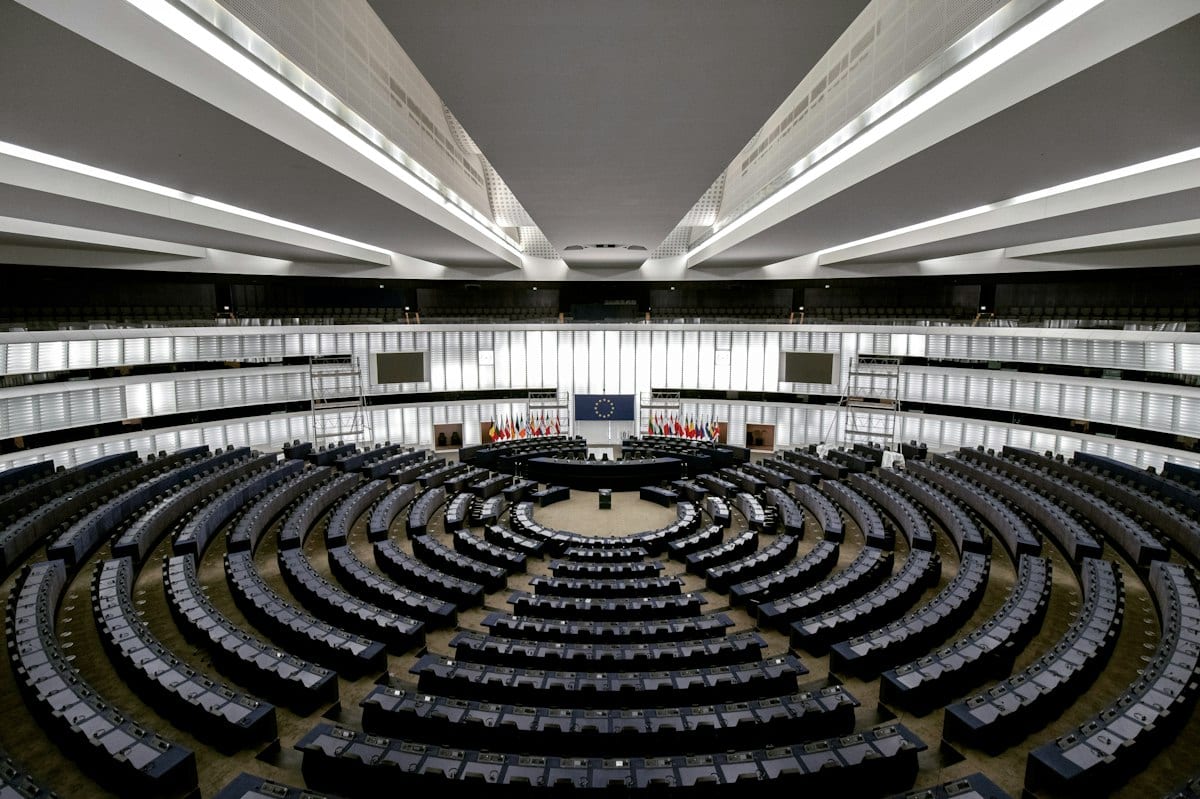
The European Climate Law, adopted in 2021, requires EU-wide emissions and removals to balance by 2050 and states an aim of negative emissions afterwards. It therefore provides a basis for considering a post-2050 surplus of removals, alongside continuing emissions reductions. Recurring assessments examine whether EU and national measures are consistent with the law's climate objectives. The case illustrates how legislation can give policy a direction beyond the first net-zero year. Its post-2050 aim is not a quantified annual obligation on individual countries or companies; further decisions are needed to determine quantities, funding and responsibility for delivery.

Corporate neutralisation beyond the target year
The Science Based Targets initiative, a nonprofit corporate climate standard setter, requires companies using its Version 1 Net-Zero Standard to neutralise residual emissions at their target date and afterwards. Its Version 2, published in June 2026 and effective from February 2027, retains continuing neutralisation and further specifies storage durability. A company cannot substantiate ongoing net zero through one purchase if it keeps emitting each year. These conditions extend the need for removals beyond the original milestone. They operate within a voluntary standard, rather than as a statutory purchasing mandate, and do not establish that participating companies have already achieved net zero.
More Standards and obligations

Product carbon intensity standards
A legal ceiling on lifecycle carbon emissions per unit of product output.
Cost
Very low to Medium
Complexity
Medium to High
Timeline
Short to Medium
Integrity, transparency & MRV
2–3Innovation & cost reduction
2–4Social & environmental safeguards
N/AEnergy, transport & storage infrastructure
N/AInputs & capacity
1–3Demand formation
2–4Bankability and cost of capital
1–3Policy architecture & coordination
2–4
Minimum carbon-storing content requirements
A legal minimum share of durably stored atmospheric carbon in covered products.
Cost
Low to Medium
Complexity
High
Timeline
Medium to Long
Integrity, transparency & MRV
3–4Innovation & cost reduction
2–3Social & environmental safeguards
2–3Energy, transport & storage infrastructure
N/AInputs & capacity
2–3Demand formation
4–5Bankability and cost of capital
2–3Policy architecture & coordination
3–4
Low-carbon fuel standards
A tightening ceiling on the average lifecycle carbon intensity of transport fuel.
Cost
Low to Medium
Complexity
High to Very high
Timeline
Medium to Long
Integrity, transparency & MRV
2–4Innovation & cost reduction
2–3Social & environmental safeguards
1–3Energy, transport & storage infrastructure
1–2Inputs & capacity
1–3Demand formation
2–3Bankability and cost of capital
1–3Policy architecture & coordination
2–3©2026 Alexander Mäkelä and Carbon Gap.
Except where otherwise indicated, this work is licensed under the Creative Commons Attribution–NonCommercial–ShareAlike 4.0 International Licence.
Headline and barrier scores based on Carbon Gap analysis.