 Standards and obligations
ORGANIC RESIDUE SEPARATION AND RECOVERY REQUIREMENTS
Lever last updated: 14 September 2026
A duty to separate organic residues so CDR processes can use cleaner recovered feedstock.
Cost
Very low to Medium
Adding duties to established inspections could cost under EUR 1 million annually. Municipal rollout with publicly funded containers, separate collection and compliance staff could require EUR 10–100 million annually. These gross public planning estimates include annualised setup; privately funded treatment and compliance costs are separate.
Complexity
Low to High
Existing waste powers can support targeted duties and revised contracts. Wider legislation may require coordinated collection, facility authorisation, reporting and enforcement across agencies, as illustrated by India's allocation of generator, municipal and pollution-control responsibilities.
Timeline
Short to Medium
A targeted duty using available collection and treatment could change deliveries within one to two years of formal initiation. Broader coverage requiring new services and processing capacity could take two to five years before material volumes are recovered. These are planning estimates.
Integrity, transparency & MRV
Innovation & cost reduction
Social & environmental safeguards
Energy, transport & storage infrastructure
Inputs & capacity
Demand formation
Bankability and cost of capital
Policy architecture & coordination
Overview
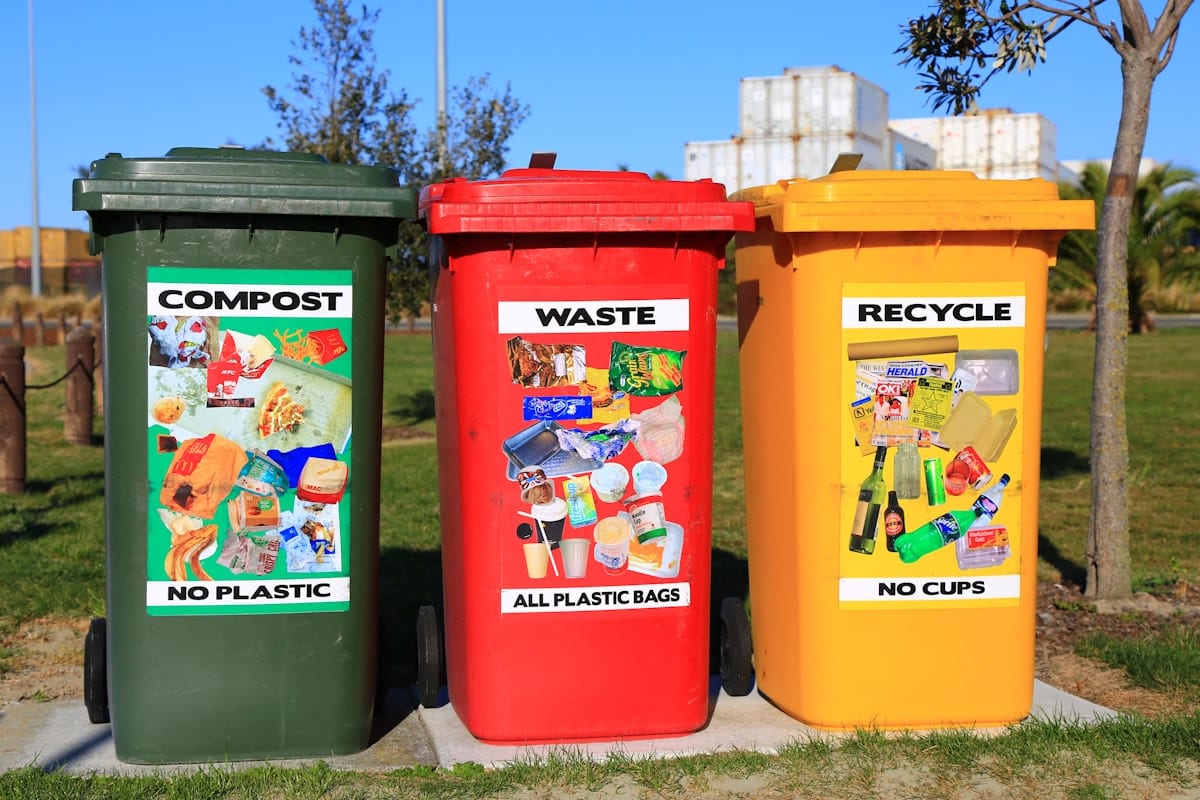
Governments can require households, businesses or other specified waste generators to separate organic residues and arrange collection and recovery through authorised routes. The obligation creates cleaner, more consistently collected material that suitable CDR processes could use, including biochar production or biogenic CO₂ capture where the treatment route permits it. Authorities should adapt existing waste duties and collection services where possible. The lever changes how material is handled and supplied; feedstock sustainability criteria determine which sources qualify, while material authorisation determines lawful treatment and use. Existing food-waste requirements provide operational policy precedents, but do not generally require or certify carbon removal.
Key Considerations
Authorities should specify covered generators, residue types, separation standards, collection responsibilities and acceptable destinations. Food prevention, redistribution and other valuable uses should retain priority, and agricultural residues needed to protect soil should remain in place. Woody residues, food waste and sewage-derived material need different treatment and contamination controls. A CDR route should qualify only where waste law permits it and its environmental performance is acceptable. Rules should allocate duties between tenants, building owners, collectors and processors, including responsibility for rejected loads. Disposal restrictions need accessible alternatives and proportionate exemptions where collection or treatment is genuinely unavailable.
Opportunities
Source separation can reduce contamination and collection uncertainty for processors that currently depend on fragmented residue supplies. Reliable delivery of suitable material could support shared preprocessing and longer-term supply agreements. Clear duties can also make collection worthwhile beyond a few voluntary suppliers, including smaller generators served collectively. The contribution to removals depends on routing an appropriate share through qualifying processes; ordinary composting, digestion or avoided landfill emissions cannot simply be counted as CDR.
Risks
A recovery target can encourage unsuitable processing or diversion from food redistribution, animal feed and soil protection. Mixing hazardous or synthetic material into organic streams can compromise downstream products and carbon accounting. Mandates introduced before treatment capacity exists can cause stockpiling, illegal dumping or expensive hauling. Exclusive collection contracts may lock material into a single treatment route and prevent better alternatives. Small businesses and informal waste workers can face disproportionate costs or lose access to livelihoods unless the transition addresses their role. Existing energy uses of organic residues may suffer from such a usage-oriented mandate through additional cost and stronger feedstock competition.
Monitoring and Evaluation
Waste authorities should compare material generated, separated, rejected and actually recovered by destination, with contamination and collection costs reported alongside tonnes. Evaluation should test whether the duty adds usable supply or merely relabels existing recovery. Changes in food redistribution, soil-residue retention and informal-sector participation should inform adjustments to coverage and safeguards. Any CDR outcome needs a separate check of carbon origin, lifecycle emissions and storage; collection records establish material flows, not removal tonnes.
Stakeholder Engagement
Waste and municipal authorities should agree who collects, inspects and enforces. Generators, building managers and collectors should test space, storage and routing requirements. Processors and CDR developers should specify acceptable composition and realistic demand. Farmers, food-redistribution organisations and existing residue users should identify competing needs, while waste workers and nearby residents help design safe, workable collection and treatment arrangements. Carbon-certification bodies should identify which records can support later removal accounting.
Governance Levels
Supranational lawmakers can require common separation duties, as the EU's bio-waste provisions demonstrate. National governments can define covered generators and recovery obligations. Regional or state authorities can establish or enforce duties within devolved waste powers. Municipalities can use waste by-laws, collection contracts and service arrangements where authorised, relying either on legislative powers or operational authority via their own utilities. Responsibilities should connect the authority imposing separation with those providing collection and approving treatment. Private waste holders comply with the duty; their voluntary handling decisions do not establish this public requirement.
Implementation Strategies
Authorities should map residue quantities, composition, current uses and collection gaps before setting coverage. They can begin with concentrated generators where clean separation is practical, while excluding material needed for food use, soil protection or other higher-value purposes.
Rules should define the responsibilities of generators, premises owners, collectors and processors, including rejected loads and temporary service failures. Authorities should set enforceable quality requirements and allow suitable removal-producing routes only after the relevant waste, product and environmental approvals are established.
Collection and treatment arrangements should be ready before obligations become binding. Municipalities can aggregate small generators into collection rounds and align contract lengths with investment needs, while preserving competition and opportunities to change treatment routes as evidence improves.
Authorities should resource inspections and simple material-flow records, then assess compliance using actual recovery and contamination data. Persistent shortages of lawful treatment should trigger service or transition adjustments; claims of carbon removal should remain subject to separate, method-specific verification.
Case Studies

Singapore's duties for buildings generating substantial food waste
Singapore's National Environment Agency, the public waste regulator, administers requirements that divide responsibility between building occupants and owners. For qualifying new buildings, food-waste separation, treatment and reporting duties began on 8 March 2024. Occupants separate food waste, while owners provide designated facilities, arrange treatment and report quantities. New buildings normally treat on-site unless the agency permits an off-site route. For existing buildings, the agency says requirements will commence progressively with completion of the food-waste treatment facility at Tuas Nexus. Linking commencement to processing capacity addresses a practical weakness of collection mandates. The CDR lesson is to assign responsibility across premises and service providers, then ensure an authorised destination exists. Singapore's policy concerns food-waste recovery rather than a removal obligation; its treatment and reporting requirements do not establish durable carbon storage.
India's four-stream segregation and bulk-generator responsibilities
India's environment ministry introduced revised Solid Waste Management Rules in January 2026, and confirmed that they entered into force on 1 April 2026. The rules require separation into wet, dry, sanitary and special-care waste. Bulk generators must ensure environmentally sound collection, transport and processing, with wet waste processed on-site where possible. Local bodies retain collection responsibilities, while pollution-control authorities oversee facilities and enforcement. Wet waste is directed towards composting or treatment that produces biogas, illustrating how separation can be linked to specified recovery routes rather than ending at the bin. Legal commencement does not prove universal compliance. A CDR adaptation would need an explicitly lawful removal-producing destination and appropriate accounting; these rules do not establish blanket eligibility for pyrolysis, biomass burial or removal credits.
More Standards and obligations

Product carbon intensity standards
A legal ceiling on lifecycle carbon emissions per unit of product output.
Cost
Very low to Medium
Complexity
Medium to High
Timeline
Short to Medium
Integrity, transparency & MRV
2–3Innovation & cost reduction
2–4Social & environmental safeguards
N/AEnergy, transport & storage infrastructure
N/AInputs & capacity
1–3Demand formation
2–4Bankability and cost of capital
1–3Policy architecture & coordination
2–4
Minimum carbon-storing content requirements
A legal minimum share of durably stored atmospheric carbon in covered products.
Cost
Low to Medium
Complexity
High
Timeline
Medium to Long
Integrity, transparency & MRV
3–4Innovation & cost reduction
2–3Social & environmental safeguards
2–3Energy, transport & storage infrastructure
N/AInputs & capacity
2–3Demand formation
4–5Bankability and cost of capital
2–3Policy architecture & coordination
3–4
Low-carbon fuel standards
A tightening ceiling on the average lifecycle carbon intensity of transport fuel.
Cost
Low to Medium
Complexity
High to Very high
Timeline
Medium to Long
Integrity, transparency & MRV
2–4Innovation & cost reduction
2–3Social & environmental safeguards
1–3Energy, transport & storage infrastructure
1–2Inputs & capacity
1–3Demand formation
2–3Bankability and cost of capital
1–3Policy architecture & coordination
2–3©2026 Alexander Mäkelä and Carbon Gap.
Except where otherwise indicated, this work is licensed under the Creative Commons Attribution–NonCommercial–ShareAlike 4.0 International Licence.
Headline and barrier scores based on Carbon Gap analysis.