 Standards and obligations
LEGALLY BINDING NET-ZERO TARGETS
Lever last updated: 14 September 2026
A statutory duty on government to reach net zero by a specified year.
Cost
Very low to Low
The authority pays for legal drafting, climate inventories, policy analysis and recurring scrutiny. An amendment using existing institutions costs less than a new national reporting and oversight system. Investments and removal purchases needed to meet the target are separate policy costs.
Complexity
Low to High
Amending a target under existing powers can reuse established accounts and oversight. A new economy-wide law requires legislation, assigned public responsibilities and compatible reporting. Adding carbon budgets, independent review bodies or cross-government planning duties increases the institutional work.
Timeline
Short to Medium
From formal initiation, an amendment using existing institutions can change planning or budget decisions within one to two years. A new national framework may need two to five years before its duties materially affect spending or regulation.
Integrity, transparency & MRV
Innovation & cost reduction
Social & environmental safeguards
Energy, transport & storage infrastructure
Inputs & capacity
Demand formation
Bankability and cost of capital
Policy architecture & coordination
Overview
Lawmakers make government legally responsible for reaching net zero by a specified year. This means bringing the greenhouse-gas emissions covered by the law into balance with removals, rather than leaving the deadline as a political promise. The law must identify the responsible public authorities and the accounts used to judge the result. Governments then need to plan for both deep emissions cuts and the removals required to balance what remains. Lawmakers may reinforce the deadline with interim limits, delivery-plan duties or independent review, but these are additional design choices, not automatic features of a binding target.
Key Considerations
The law should identify the target year, gases, territory and sectors covered, and explain how domestic removals and international credits enter the balance. The central legal choice is the duty placed on government and what follows if it fails. Lawmakers can strengthen accountability by requiring progress reports, corrective plans or independent scrutiny. They can also add interim carbon budgets, which cap total emissions over several years, to prevent action being deferred until the final deadline. Separate limits on reliance on removals protect the required emissions cuts. Rules for amendment and legal challenge determine how the target survives changes of government.
Opportunities
Putting the deadline in law gives ministries a continuing basis for aligning decisions about energy, transport, industry, land use and public spending. Infrastructure expected to operate beyond the target year must be considered against that future balance. Where the law also requires plans or independent scrutiny, gaps in the assumed emissions cuts and removal supply become visible before the deadline. For CDR, the useful effect is an explicit place in long-term public policy, with further decisions needed to establish programmes, budgets and customers.
Risks
Government may retain the legal deadline while postponing the decisions needed to meet it. Optimistic assumptions about future removals can conceal a shortage of achievable emissions cuts, and weak accounting can treat unstable land sinks as a dependable long-term balance. Oversight may expose these gaps without requiring an effective response. Changes in inventory methods or political amendments can also obscure lost progress. A target is more resilient when its legal duties and reporting requirements make such choices visible and challengeable.
Monitoring and Evaluation
Government should report gross emissions, land and engineered removals, international transfers and the resulting balance against the legal target. Where interim budgets or milestones exist, reporting should also show whether current policies are sufficient to meet them. Independent assessment can test removal assumptions and identify policy gaps. Lawmakers should specify when adverse findings require a public response or a corrected plan.
Stakeholder Engagement
Engagement should test whether the pathway is credible, durable and fair. Ministries and lower levels of government should clarify responsibilities. Independent advisers, scientists and CDR experts should test delivery assumptions. Industry, workers, farmers, investors, communities and civil society should assess feasibility and distributional effects. Legislatures define oversight and remedies. Courts adjudicate disputes.
Governance Levels
Supranational, national and regional/state lawmakers can establish binding climate targets within their legislative powers and assign duties to the responsible executive bodies. National and subnational targets need compatible accounts where their territories overlap. Courts and legislatures scrutinise compliance through the routes the relevant legal system provides. International agreements inform these choices, but the jurisdiction must establish its own applicable deadline and duties.
Implementation Strategies
Lawmakers should define the target year, gases, territorial boundary and treatment of removals and international transfers. A separate gross-reduction requirement can prevent an ambitious net figure from concealing weak emissions cuts.
Lawmakers can add interim carbon budgets or milestones where a distant deadline provides too little guidance for current decisions. Associated delivery plans should assign responsibilities and distinguish the expected contributions of emissions cuts, land sinks and engineered removals.
Where independent review is included, advisers should assess progress using public inventories and policy evidence. Ministers should have a stated duty and timetable to respond to identified gaps so that scrutiny leads to corrective decisions.
Review clauses should permit stronger targets as evidence improves. Any proposed weakening or increased reliance on future removals should face the same transparent scrutiny as the original law.
Case Studies
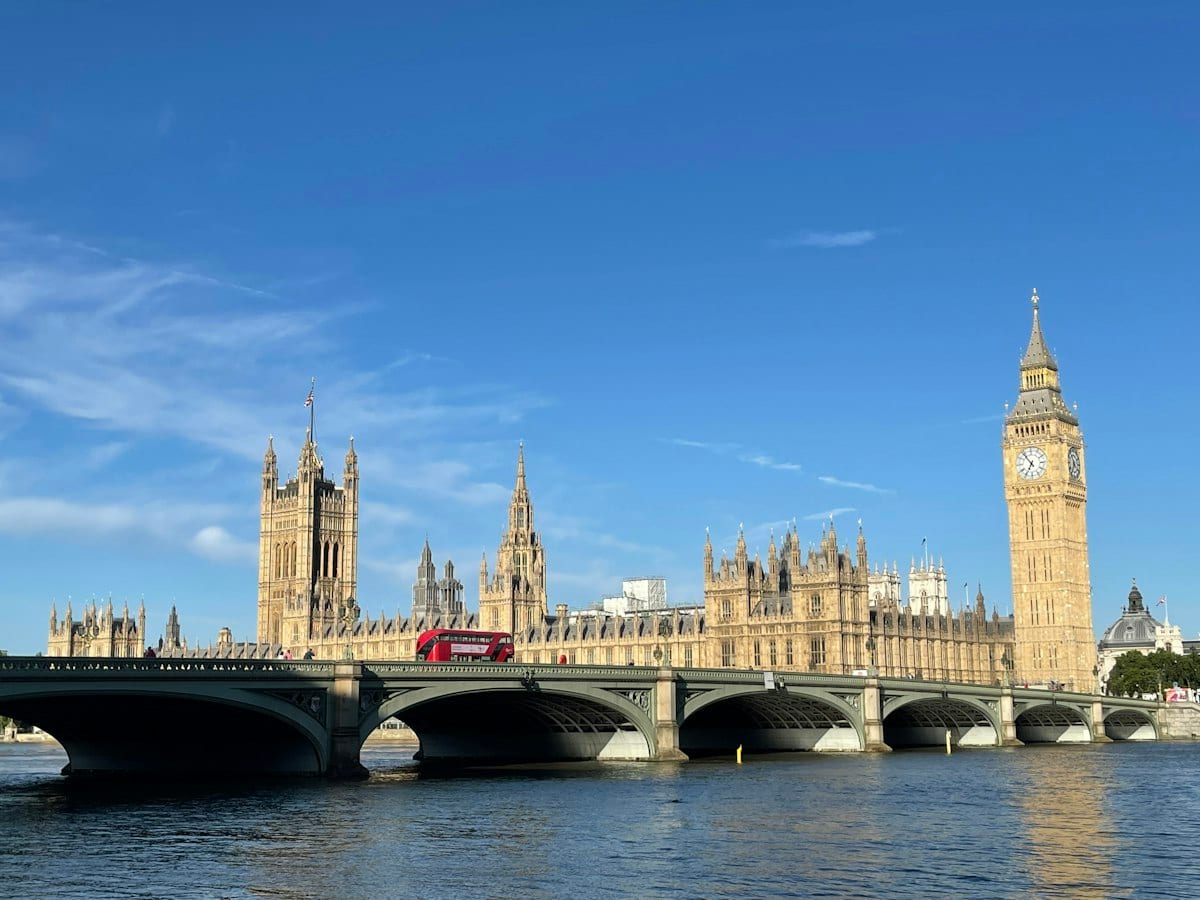
United Kingdom 2050 net-zero law
The UK’s June 2019 amendment to the Climate Change Act raised the required reduction in the net UK carbon account to 100 per cent by 2050. It used an existing system of five-year carbon budgets, government plans and scrutiny by the Climate Change Committee, the independent statutory adviser. In its June 2026 progress report, the Committee warned that the government relied on a rapid expansion of engineered removals after 2030 without enough delivery detail. Recurring scrutiny makes the removal assumptions challengeable before the deadline. The law establishes accountability; separate support policies and contracts must deliver the tonnes.

European Climate Law
The EU’s European Climate Law establishes collective climate neutrality by 2050, with recurring assessments and independent scientific advice. An amendment in force from April 2026 adds a binding 2040 target of a 90 per cent net emissions reduction from 1990. EU institutions and member governments must translate the shared trajectory into measures within their responsibilities. This connects a distant destination to intermediate policy choices and makes reliance on future removals open to scrutiny. The law coordinates action across institutions; it does not itself allocate every country a removal quota or commission CDR projects. Its effect therefore depends on the measures adopted to fulfil those duties.

California Climate Crisis Act
California’s Assembly Bill 1279, enacted in September 2022, establishes net zero by 2045 and a reduction of at least 85 per cent in gross anthropogenic emissions from 1990 levels. It directs the Air Resources Board, the state’s climate regulator, to incorporate removals and carbon-management measures into its scoping plan. The state therefore uses an existing planning authority to translate the statutory destination into sectoral decisions. The separate reduction floor prevents removals from replacing that minimum mitigation effort. These are legislated duties and planning requirements, not evidence that the future removal volumes have been delivered.
More Standards and obligations

Product carbon intensity standards
A legal ceiling on lifecycle carbon emissions per unit of product output.
Cost
Very low to Medium
Complexity
Medium to High
Timeline
Short to Medium
Integrity, transparency & MRV
2–3Innovation & cost reduction
2–4Social & environmental safeguards
N/AEnergy, transport & storage infrastructure
N/AInputs & capacity
1–3Demand formation
2–4Bankability and cost of capital
1–3Policy architecture & coordination
2–4
Minimum carbon-storing content requirements
A legal minimum share of durably stored atmospheric carbon in covered products.
Cost
Low to Medium
Complexity
High
Timeline
Medium to Long
Integrity, transparency & MRV
3–4Innovation & cost reduction
2–3Social & environmental safeguards
2–3Energy, transport & storage infrastructure
N/AInputs & capacity
2–3Demand formation
4–5Bankability and cost of capital
2–3Policy architecture & coordination
3–4
Low-carbon fuel standards
A tightening ceiling on the average lifecycle carbon intensity of transport fuel.
Cost
Low to Medium
Complexity
High to Very high
Timeline
Medium to Long
Integrity, transparency & MRV
2–4Innovation & cost reduction
2–3Social & environmental safeguards
1–3Energy, transport & storage infrastructure
1–2Inputs & capacity
1–3Demand formation
2–3Bankability and cost of capital
1–3Policy architecture & coordination
2–3©2026 Alexander Mäkelä and Carbon Gap.
Except where otherwise indicated, this work is licensed under the Creative Commons Attribution–NonCommercial–ShareAlike 4.0 International Licence.
Headline and barrier scores based on Carbon Gap analysis.