 Standards and obligations
GREEN PROCUREMENT CRITERIA
Lever last updated: 14 September 2026
Environmental requirements, including carbon removal, added to public and private purchasing decisions.
Cost
Very low to High
This covers the buyer's additional spending caused by applying the criteria: preparing requirements, assessing evidence, checking delivery and paying any premium for qualifying products. It excludes the ordinary purchase price. Costs rise with the number of contracts, verification needs and premiums across the purchasing programme.
Complexity
Low to High
Buyers can adapt existing tender rules and product declarations. Requirements covering many agencies become more demanding where legislation, common carbon calculations, supplier evidence and enforceable checks of installed materials must be introduced together.
Timeline
Very short to Medium
From a formal purchasing decision, a prepared buyer can award a qualifying contract within a year. A new mandatory programme can take two to five years to establish rules, prepare suppliers and award the first affected contracts.
Integrity, transparency & MRV
Innovation & cost reduction
Social & environmental safeguards
Energy, transport & storage infrastructure
Inputs & capacity
Demand formation
Bankability and cost of capital
Policy architecture & coordination
Overview
Procurement is how an organisation selects and buys goods, services or construction work. Public authorities and private buyers normally assess offers against requirements such as price, quality, technical performance and delivery time. Green procurement adds environmental requirements to that decision. To support CDR, a buyer could require or award extra points for verified atmospheric carbon stored in the materials it purchases, such as timber building elements or concrete containing mineralised biogenic CO₂. A school-building tender could then favour a design that stores more carbon while meeting the same safety and functional requirements. Suppliers gain orders by providing the qualifying product or building. This lever changes the environmental specification or scoring of the goods, services or works being bought. A separately specified duty to deliver removals, including through external purchases, is covered under CDR Requirements in Public Tenders.
Key Considerations
The buyer must decide which goods, services or construction work are assessed and how delivering the contract can cause net atmospheric carbon storage. The requirement may be compulsory or earn points alongside price, quality and technical performance. Evidence should cover the full life cycle, including processing, transport, storage duration and the fate of stored carbon after use. Suppliers need proportionate ways to demonstrate compliance, and the requirement should relate to what the buyer is purchasing. Lower production emissions alone do not demonstrate removal.
Opportunities
Repeated public or private purchases can give suppliers a reason to offer products and services that store atmospheric carbon. Relevant contracts could cover biochar soil amendments, restoration work or carbon-storing building materials. Clear specifications and a visible purchasing pipeline help suppliers assess demand and organise production. Buyers can pursue their environmental objectives through expenditure already needed for useful goods and services, while competition tests the price and performance of qualifying offers.
Risks
Poorly defined criteria may reward a lower-emission product, fossil CO₂ capture or an unrelated offset without causing atmospheric carbon removal. Requirements that exceed available supply can raise contract prices or leave too few bidders. Expensive evidence requirements may exclude smaller suppliers, while weak checks can allow substitution after a contract is awarded. A narrow focus on stored carbon may also overlook unsafe sourcing, short product life, reuse and recycling.
Monitoring and Evaluation
Effective evaluation compares qualifying bids, verified deliveries, net carbon stored, price differences and supplier participation with conventional purchasing. Contract audits can reveal substitution, unsupported claims and double counting. Persistent shortages, excessive premiums, weak competition or integrity failures should prompt changes to the metric, threshold, covered category, evidence requirements or enforcement.
Stakeholder Engagement
Engagement should establish whether the proposed requirement is credible, deliverable and open to smaller firms. That requires market evidence from manufacturers, CDR suppliers and importers on availability, cost and reporting burdens, alongside scrutiny of the carbon method, contract design, safeguards and legal basis from standards specialists, lifecycle experts, auditors, regulators and civil society.
Governance Levels
Public institutions at international, supranational, national, regional, state and municipal levels can set criteria for their own purchasing within their legal powers. Development banks can also require them in the contracts they finance. Companies and philanthropic organisations can apply equivalent criteria to their own purchases and commissioned works.
Implementation Strategies
Buyers should map planned purchases and identify goods, services and works where delivery can create credible carbon removal and storage.
Tender teams should define the net atmospheric storage sought, the evidence suppliers must provide and how storage affects eligibility or scoring. Calculation methods should include processing, transport, storage duration and end-of-use treatment.
Buyers should consult suppliers about available quantities, expected price differences and the cost of demonstrating performance. Requirements can be phased in where credible alternatives are scarce.
Contract managers should check the goods supplied, work completed or service outcomes against the agreed specification. Contracts should identify who corrects failures and retains the evidence needed for verification.
Later tenders can combine demand and strengthen requirements when verified delivery, supplier participation and price evidence support doing so. A published purchasing pipeline can help suppliers plan capacity.
Case Studies
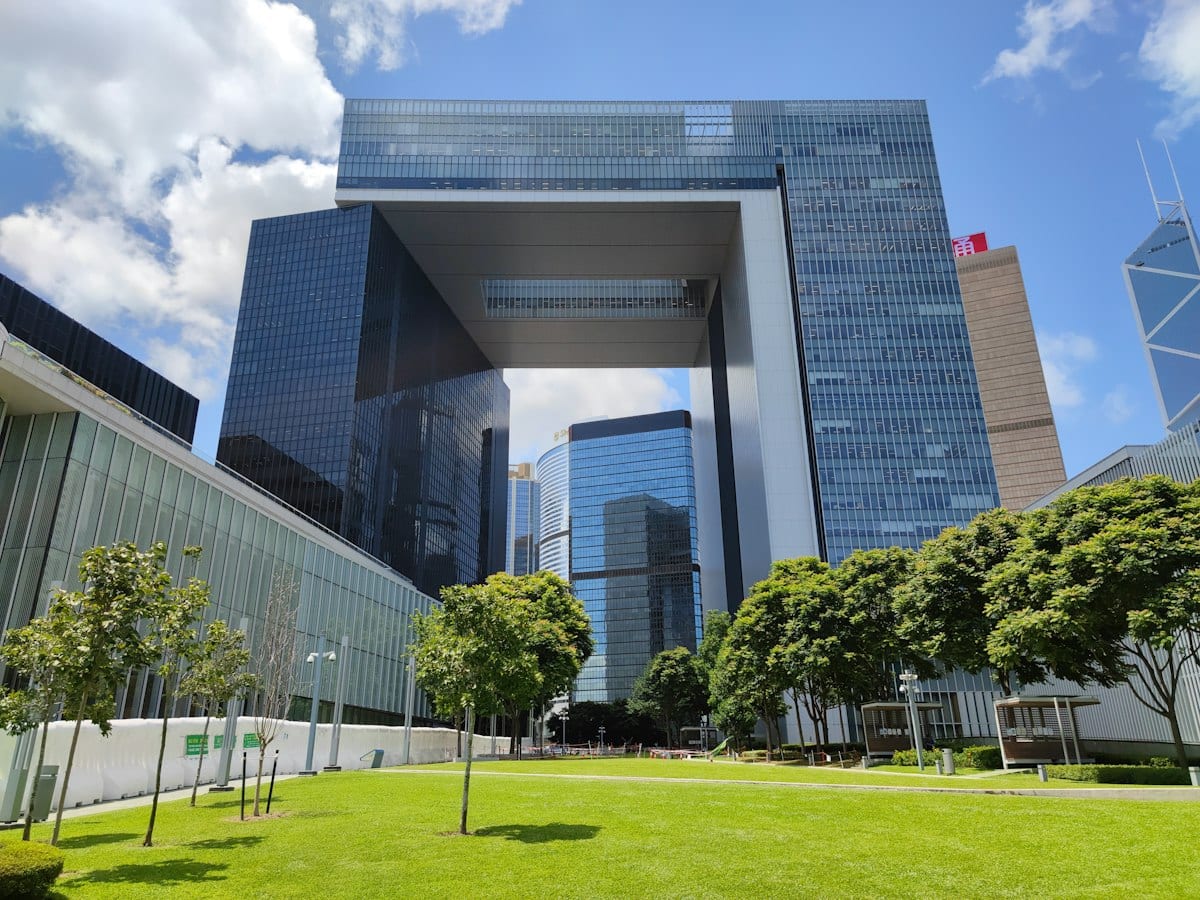
United States General Services Administration Buy Clean programme
The General Services Administration, which manages US federal buildings and purchasing, launched a low-carbon materials pilot in May 2023. Its construction contracts required asphalt, concrete, glass and steel to meet manufacturing-emissions limits. By May 2024, the agency reported about 17,000 additional product declarations across those markets and qualifying glass purchases for two courthouses. Suppliers had a reason to document and improve products because doing so opened access to orders. An April 2025 Government Accountability Office report said the wider programme was under review as of February 2025. These are documented historical purchasing results, not evidence of continued expansion or CDR. A stored-carbon criterion would also need to establish atmospheric origin and net storage.
Buy Clean California
California enacted its Buy Clean law in 2017 to make specified construction materials eligible for public contracts only if their manufacturing emissions met a common limit. The University of California applies the requirement to qualifying contracts signed from July 2022. Contractors submit a facility-specific environmental product declaration, a standardised report of product impacts, before installation. The university can withhold approval or payment and require removal of materials installed without permission. The commercial consequence therefore continues after contract award. The requirement covers emissions performance, not atmospheric removal. A CDR adaptation would preserve that evidence-and-enforcement chain while adding tests of carbon origin, net storage and expected release.
CO₂ Performance Ladder
The CO₂ Performance Ladder is a certification and procurement tool that rewards organisations for managing and reducing emissions. A contracting authority can give a bidder an evaluation advantage for a promised performance level, then require evidence that the commitment is met during delivery. Certification makes the promise comparable across bids and gives the buyer a basis for checking it after award. The mechanism links environmental performance to the prospect of winning work. Its established application concerns emissions reduction. To reward CDR in purchased goods or works, a buyer would need an additional test of verified atmospheric carbon stored in those purchases, with unrelated offset purchases excluded.
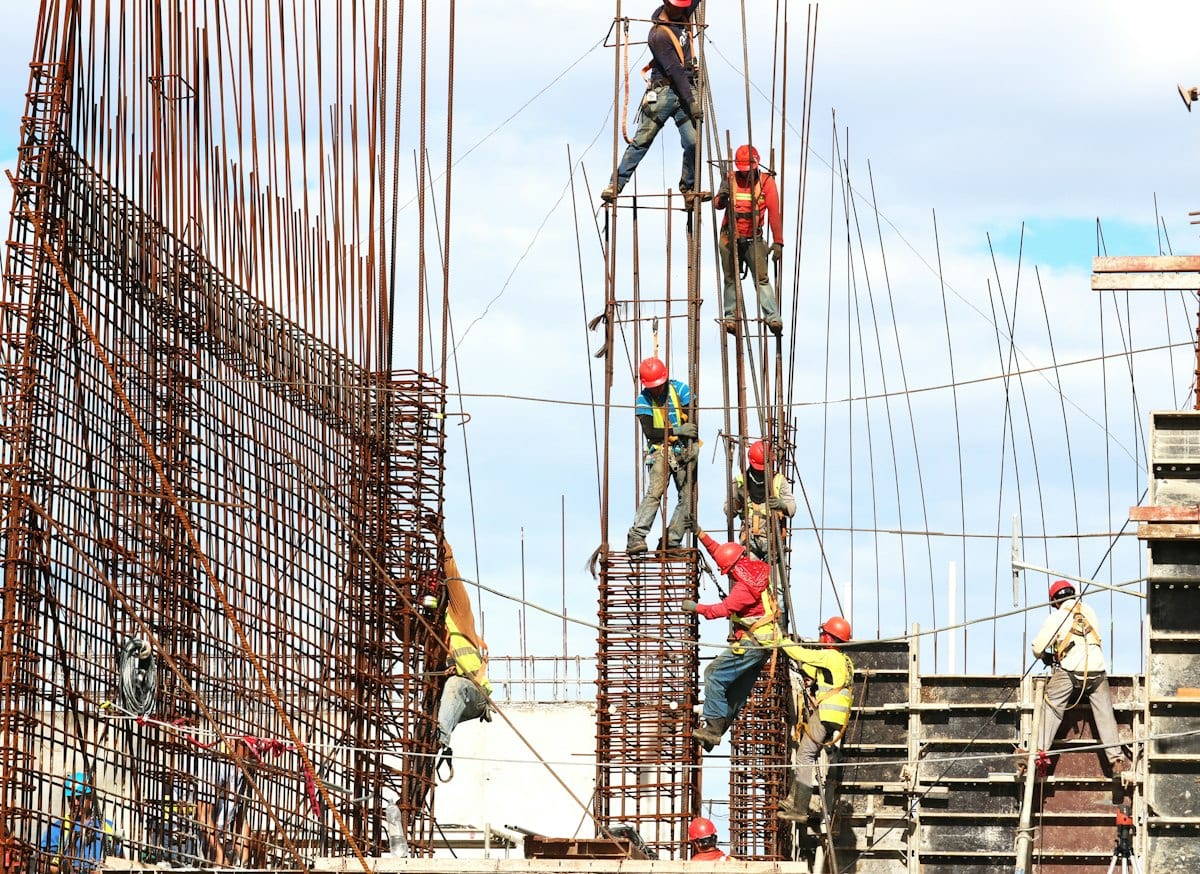
New York State Buy Clean Concrete guidelines
New York State introduced mandatory concrete emissions limits and product declarations for covered construction contracts from January 2025, following a voluntary reporting phase in 2024. Limits differ by required concrete strength, allowing buyers to compare products that perform the same engineering task. Contractors must document compliance, while a waiver requires a stated justification where qualifying concrete is unavailable. The state plans to tighten limits using the data it collects. This provides a practical route from supplier preparation to an enforceable purchasing requirement. It rewards lower embodied emissions, so a CDR version would additionally test atmospheric carbon stored in the material rather than assume that any low-carbon concrete removes CO₂.
More Standards and obligations
Product carbon intensity standards
A legal ceiling on lifecycle carbon emissions per unit of product output.
Cost
Very low to Medium
Complexity
Medium to High
Timeline
Short to Medium
Integrity, transparency & MRV
2–3Innovation & cost reduction
2–4Social & environmental safeguards
N/AEnergy, transport & storage infrastructure
N/AInputs & capacity
1–3Demand formation
2–4Bankability and cost of capital
1–3Policy architecture & coordination
2–4
Minimum carbon-storing content requirements
A legal minimum share of durably stored atmospheric carbon in covered products.
Cost
Low to Medium
Complexity
High
Timeline
Medium to Long
Integrity, transparency & MRV
3–4Innovation & cost reduction
2–3Social & environmental safeguards
2–3Energy, transport & storage infrastructure
N/AInputs & capacity
2–3Demand formation
4–5Bankability and cost of capital
2–3Policy architecture & coordination
3–4
Low-carbon fuel standards
A tightening ceiling on the average lifecycle carbon intensity of transport fuel.
Cost
Low to Medium
Complexity
High to Very high
Timeline
Medium to Long
Integrity, transparency & MRV
2–4Innovation & cost reduction
2–3Social & environmental safeguards
1–3Energy, transport & storage infrastructure
1–2Inputs & capacity
1–3Demand formation
2–3Bankability and cost of capital
1–3Policy architecture & coordination
2–3©2026 Alexander Mäkelä and Carbon Gap.
Except where otherwise indicated, this work is licensed under the Creative Commons Attribution–NonCommercial–ShareAlike 4.0 International Licence.
Headline and barrier scores based on Carbon Gap analysis.