 Standards and obligations
CDR REQUIREMENTS IN PUBLIC TENDERS
Lever last updated: 14 September 2026
Public contracts that require the winning supplier to deliver verified carbon removals.
Cost
Very low to High
The buyer pays for administration and removal costs included in bids, whether through materials, project activities or credits. Expenditure depends on contract coverage, required quantities and delivery routes.
Complexity
Low to High
Existing procurement procedures can support simple requirements. Allowing several delivery routes requires consistent accounting, verification and enforceable contracts; wider programmes may need legal changes and coordination across public bodies.
Timeline
Short to Medium
From formal design, pilots could change bids or purchasing within one to two years; programmes needing shared accounting and verification may take two to five. These are planning estimates.
Integrity, transparency & MRV
Innovation & cost reduction
Social & environmental safeguards
Energy, transport & storage infrastructure
Inputs & capacity
Demand formation
Bankability and cost of capital
Policy architecture & coordination
Overview
Governments use public contracts to advance environmental goals, for example by requiring cleaner construction or less material waste. Under this lever, the buyer requires the contractor to deliver a specified quantity of verified carbon removals as part of supplying goods, services or works. The quantity can be fixed or linked to emissions remaining after reductions. Contractors can fulfil it through qualifying removals within the project or its supply chain, external purchases, or a combination. The obligation concerns the contract being delivered; it does not require the bidding company to be net zero. Green procurement criteria assess the environmental performance of the goods, services or works being bought. This lever adds a separately specified removal-delivery obligation to the contract, which may also be met through external removal purchases.
Key Considerations
The buyer should define the contract activities covered, the required quantity and whether it changes with actual emissions. Rules must distinguish removals from avoided emissions, specify storage duration and address releases after the contract ends. Carbon stored in construction materials should qualify only where additional net removal is demonstrated, accounting for lifecycle emissions. Compliance calculations must not count the same tonne twice through a product footprint and a separate credit. Terms should identify who may claim the removals and require retirement where credits are used. Requirements must be lawful, proportionate and achievable with available supply.
Opportunities
Public purchasing can create business for removal providers and suppliers that incorporate removals into construction materials or other goods. Allowing different delivery routes lets bidders choose how to meet the requirement at a competitive cost. Repeated tenders can encourage investment in qualifying products and help contractors build experience with CDR. Where quantities follow actual emissions, reducing the contract’s footprint also lowers its removal obligation. Common rules can make that demand easier for suppliers to anticipate.
Risks
Poorly specified requirements could count emissions reductions as removals, overstate carbon stored in products or double-count the same tonne. Stored carbon may later be released, including when buildings are demolished. Suppliers may favour removals over feasible emissions cuts. Unavailable supply, costly verification or restrictive specifications can inflate bids and exclude smaller firms. Requirements unrelated to the contract may face legal challenge, while weak enforcement can leave promised removals undelivered.
Monitoring and Evaluation
Contract managers should check emissions reductions and verified removals separately, recording delivery route, net quantity, storage duration and any credit retirement. They should also monitor prices, bidder participation and failures to deliver. Product storage needs follow-up arrangements beyond handover. These findings should guide future requirements and trigger replacement or other remedies when contracted outcomes are lost.
Stakeholder Engagement
Procurement teams and lawyers should establish enforceable terms. Contractors, material suppliers and removal providers can test delivery options, costs and evidence requirements before tendering. Independent verifiers should help align accounting across routes. Smaller suppliers can identify participation barriers, while building owners and affected communities can inform storage responsibilities, end-of-life arrangements and safeguards.
Governance Levels
Public contracting bodies at these levels can introduce requirements within their purchasing powers. Central procurement authorities can establish common clauses, while individual buyers manage delivery. International public institutions can apply conditions to their own procurement or to financed procurement where their funding agreements provide that authority. Companies and foundations can adopt similar conditions in private purchasing, but do not set public tender requirements in that capacity.
Implementation Strategies
Buyers should select suitable contracts and assess emissions, removal options, supply availability and likely costs.
Tender terms should specify quantities, permitted delivery routes, quality, accounting, deadlines and responsibility for maintaining storage.
Buyers should test the terms with suppliers and verifiers, then pilot them with clear bidding guidance and proportionate evidence requirements.
Contract managers should verify delivery, link acceptance or payment to compliance, enforce remedies and use results to improve future tenders.
Case Studies

UK carbon reduction contract schedule
The UK government’s carbon reduction contract schedule, updated in 2025, provides clauses that public buyers can add to suitable contracts. Suppliers report emissions associated with delivering the contract, prepare reduction plans and face performance checks and corrective action. Buyers choose provisions appropriate to the work being purchased. The schedule complements separate requirements for some bidders to publish organisation-wide carbon reduction plans. It illustrates how government can turn an environmental objective into duties overseen after a contract is awarded. A CDR version would need additional terms specifying removal quantities, quality, delivery and retirement.
Ireland’s M7 motorway tender
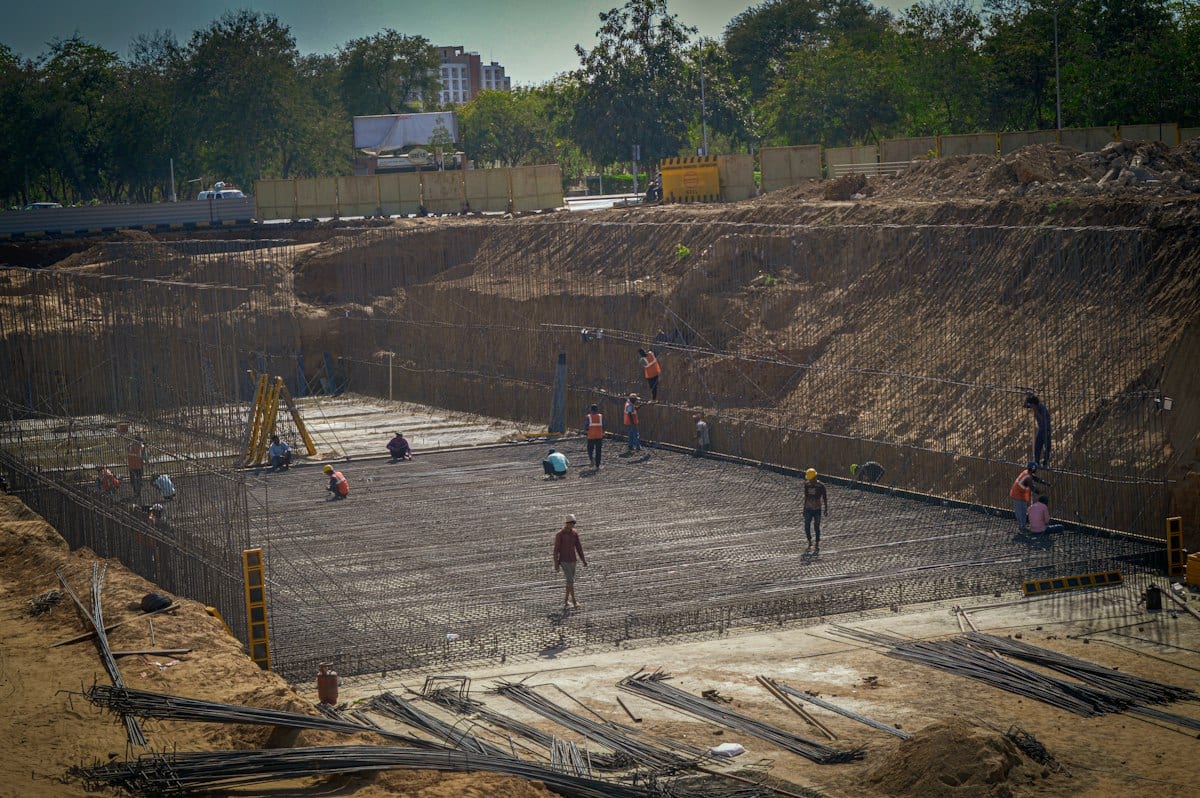
Transport Infrastructure Ireland used the CO₂ Performance Ladder in its M7 Kildare Bypass resurfacing tender. Bidders received an advantage in tender evaluation for stronger carbon commitments, which became binding contractual obligations. All five bidders pursued certification. The programme’s May 2026 account reported savings of 311 tonnes of CO₂ equivalent and the use of reclaimed asphalt. The case shows how the prospect of winning public work can change contractors’ practices when commitments are followed through during delivery. These were emissions reductions; a removal requirement would need its own purchasing and verification obligations.
World Bank environmental contract conditions
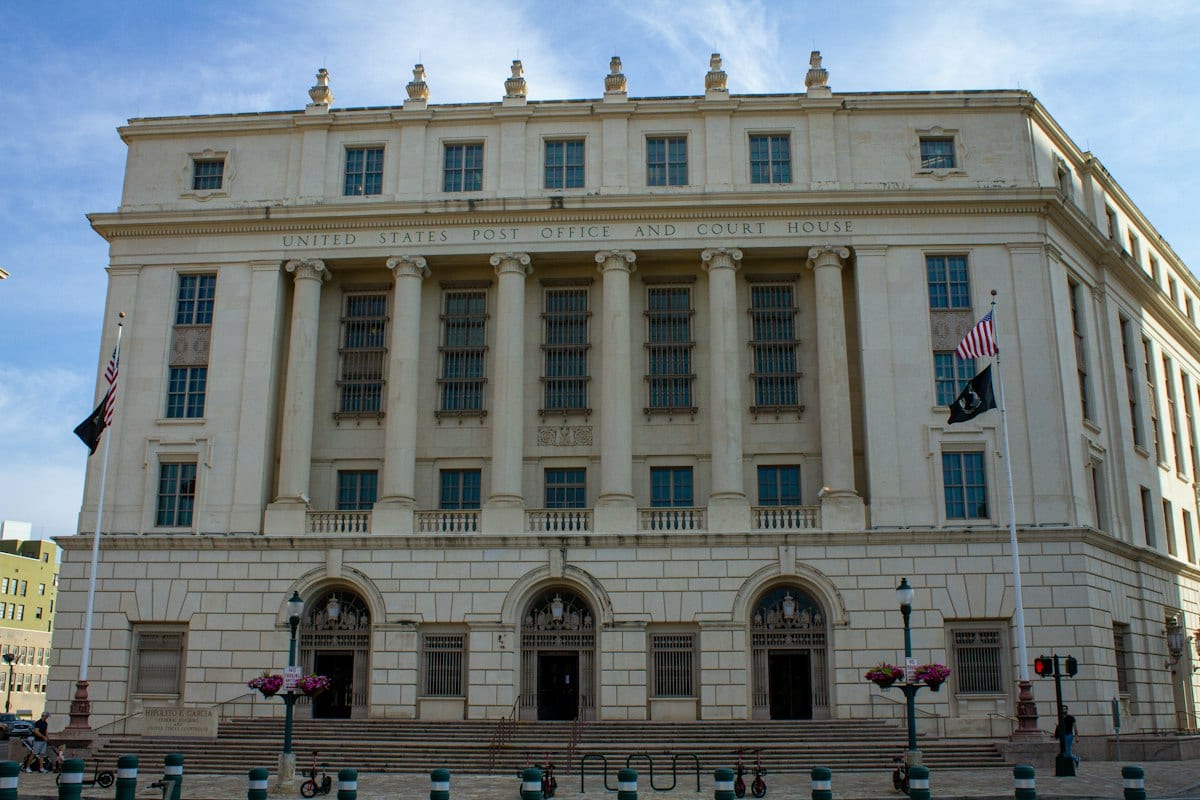
For projects supported by World Bank investment financing, borrowing agencies must include relevant environmental and social commitments in contracts and monitor contractors’ compliance. The Bank provides example clauses covering pollution, resource use and working conditions, which agencies can adapt to their projects and national procurement documents. The examples are optional, while the applicable project obligations must still be met. This provides a model for connecting funding conditions, tender documents and enforceable supplier duties. Applying it to CDR would require an explicit removal obligation, evidence of delivery and provisions for addressing non-compliance.
More Standards and obligations

Product carbon intensity standards
A legal ceiling on lifecycle carbon emissions per unit of product output.
Cost
Very low to Medium
Complexity
Medium to High
Timeline
Short to Medium
Integrity, transparency & MRV
2–3Innovation & cost reduction
2–4Social & environmental safeguards
N/AEnergy, transport & storage infrastructure
N/AInputs & capacity
1–3Demand formation
2–4Bankability and cost of capital
1–3Policy architecture & coordination
2–4
Minimum carbon-storing content requirements
A legal minimum share of durably stored atmospheric carbon in covered products.
Cost
Low to Medium
Complexity
High
Timeline
Medium to Long
Integrity, transparency & MRV
3–4Innovation & cost reduction
2–3Social & environmental safeguards
2–3Energy, transport & storage infrastructure
N/AInputs & capacity
2–3Demand formation
4–5Bankability and cost of capital
2–3Policy architecture & coordination
3–4
Low-carbon fuel standards
A tightening ceiling on the average lifecycle carbon intensity of transport fuel.
Cost
Low to Medium
Complexity
High to Very high
Timeline
Medium to Long
Integrity, transparency & MRV
2–4Innovation & cost reduction
2–3Social & environmental safeguards
1–3Energy, transport & storage infrastructure
1–2Inputs & capacity
1–3Demand formation
2–3Bankability and cost of capital
1–3Policy architecture & coordination
2–3©2026 Alexander Mäkelä and Carbon Gap.
Except where otherwise indicated, this work is licensed under the Creative Commons Attribution–NonCommercial–ShareAlike 4.0 International Licence.
Headline and barrier scores based on Carbon Gap analysis.