 Standards and obligations
CARBON REMOVAL COMPLIANCE OPTIONS IN AVIATION AND MARITIME FUEL MANDATES
Lever last updated: 14 September 2026
Letting fuel suppliers and carriers meet part of a fuel mandate with verified carbon removals.
Cost
Very low to Medium
Authorities fund legal amendments, registry checks and enforcement. Costs range from adapting existing systems to sustained supervision across countries. Companies bear removal purchases separately.
Complexity
Medium to Very high
An established mandate needs amended legislation, crediting rules and registry checks. International implementation adds negotiated common rules and enforcement across countries, potentially requiring new oversight institutions.
Timeline
Medium to Long
Planning estimates from formal initiation to first removal contracts are two to five years for an established fuel regime and five to ten for international negotiation and implementation.
Integrity, transparency & MRV
Innovation & cost reduction
Social & environmental safeguards
Energy, transport & storage infrastructure
Inputs & capacity
Demand formation
Bankability and cost of capital
Policy architecture & coordination
Overview
Governments could allow fuel suppliers, airlines or shipping companies to meet a defined part of their fuel-mandate obligations through verified carbon removals. Companies could then use qualifying removal credits where cleaner fuels are unavailable or particularly costly, within limits established by the legislation. Authorities would specify how removals count towards compliance, which methods qualify and how much of the obligation they can satisfy. A protected minimum requirement for cleaner fuels, increasing over time, would preserve investment in decarbonisation. This option could help maintain climate action when fuel production or infrastructure develops more slowly than expected, while creating potential demand for CDR. Direct air capture could support both industries, but CO₂ used to manufacture fuel would not qualify as removal because combustion releases it again.
Key Considerations
Authorities should define the maximum share of the obligation that removals can satisfy and the minimum improvement that must come from cleaner fuels. For mandates expressed as fuel volumes, legislation must explain how removal credits count towards compliance without recording them as fuel supplied. Eligibility should require verified net removal, appropriate storage duration, protection against duplicate claims and responsibility for replacing failed or reversed removals. Companies need advance notice of limits, deadlines and any changes as fuel supply expands. The design should consider the availability and cost of both fuels and removals, while preserving a credible long-term market for cleaner-fuel producers.
Opportunities
A controlled compliance option can help companies meet their obligations when cleaner-fuel projects face delays or supply shortages. Where qualifying removals cost less, it could also reduce compliance costs and pressure for broader exemptions or weaker targets. Access to a regulated customer base can support CDR contracting and investment, although actual demand depends on companies choosing removals over other eligible options. Greater demand for direct-air-capture equipment and services could benefit both durable storage and synthetic-fuel production. Clear limits can give companies flexibility while maintaining a minimum market for cleaner fuels and encouraging both industries to expand.
Risks
If removals are cheaper or easier to obtain, companies may use them extensively and reduce purchases of cleaner fuels. This could weaken fuel producers’ revenues, delay investment and make future decarbonisation harder. Temporary flexibility may become a lasting exemption under industry pressure. Competition for clean electricity, equipment and captured CO₂ could also constrain supply. Fuel producers may oppose a policy that threatens their expected market, while customers may interpret it as a retreat from sustainable-fuel commitments or a return to disputed offset practices. Weak removal standards could create compliance on paper without equivalent climate benefits, and credible CDR supply may itself prove insufficient.
Monitoring and Evaluation
Authorities should report actual cleaner-fuel use, lifecycle fuel emissions, total sector emissions and removals used for compliance separately. Records should show whether companies respect removal limits and minimum fuel requirements, with verification of delivered removals, credit retirement and any reversals. Fuel-project investment, supply contracts, production delays and compliance costs should reveal whether flexibility is helping manage shortages or undermining decarbonisation. Reviews should also assess CDR availability, supplier concentration, customer charges and public understanding of claims. Findings should inform future limits, eligibility and supporting policies, with clear evidence required before extending any temporary flexibility.
Stakeholder Engagement
Government should involve fuel producers, airlines, shipping companies and CDR developers in testing how the compliance option would affect purchasing and investment. Synthetic-fuel producers and their financiers should explain the demand commitments needed to build new capacity. Direct-air-capture developers should assess opportunities to supply both fuel production and durable storage, including competition for resources. Ports, airports and energy providers should identify infrastructure constraints. Scientists and verifiers should test whether the proposed crediting rules represent credible climate outcomes. Consumer representatives and transport companies should develop clear explanations of actual fuel improvements and removal use, without presenting regulatory compliance as eliminating every climate impact.
Governance Levels
Governments can negotiate common compliance options through international aviation or maritime agreements, with participating states implementing them. Supranational lawmakers can amend shared fuel mandates, while national governments can amend rules within their jurisdiction. Regional or state governments can act where their fuel-regulation powers cover the relevant activity.
Implementation Strategies
Authorities should set the maximum contribution from removals and a minimum requirement for cleaner fuels, with advance notice of future changes.
Regulators should define how verified net removals satisfy the obligation, including storage requirements, project safeguards and responsibility for reversals.
Compliance systems should connect fuel reports with retirement records and applicable international accounting, preventing duplicate use.
Scheduled reviews should assess fuel supply, CDR availability, costs and investment before adjusting limits or extending temporary flexibility.
Case Studies

ReFuelEU Aviation
Adopted in 2023, the EU’s ReFuelEU Aviation regulation requires fuel suppliers to provide a minimum share of sustainable aviation fuel at covered airports. The share starts at 2% in 2025 and rises to 6% in 2030, with separate requirements for synthetic fuels beginning in 2030. This schedule gives producers a clearer basis for planning investment in new supply. The regulation currently requires eligible fuel delivery and does not accept external removal credits. Introducing CDR as a compliance option would require specifying how removals could fulfil a limited part of the obligation while retaining minimum requirements for actual sustainable-fuel supply.

IMO Net-Zero Framework
The International Maritime Organization’s proposed Net-Zero Framework combines limits on greenhouse gas emissions per unit of energy used by ships with financial compliance mechanisms. Ships performing better than specified thresholds could transfer surplus units, while remedial units would be purchased through payments into an IMO fund. These arrangements would give shipping companies several ways to address compliance deficits. The draft was approved in April 2025, but adoption remains pending, with negotiations continuing in 2026. Neither surplus nor remedial units represent verified removals. Allowing CDR to fulfil part of the obligation would require an explicit decision on eligibility and accounting.
California’s Low Carbon Fuel Standard
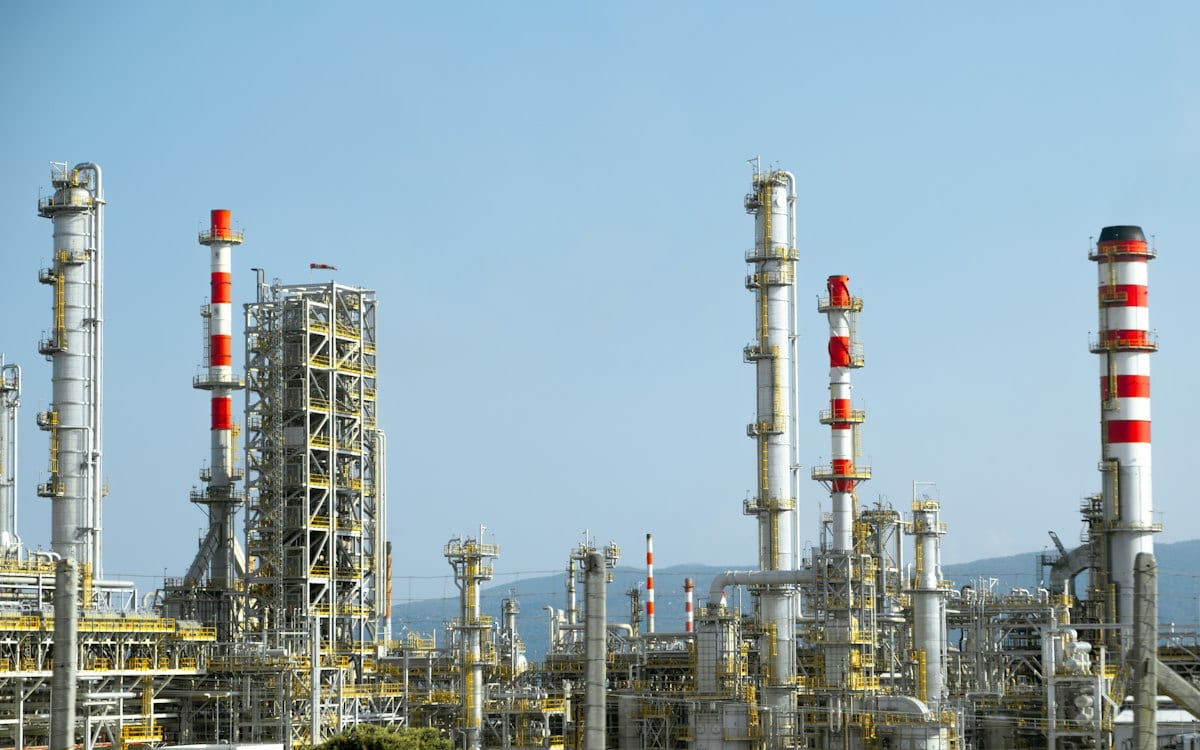
California’s Low Carbon Fuel Standard allows regulated fuel suppliers to meet their obligations through a credit market. Alongside cleaner fuels, the programme allows qualifying direct air capture and storage projects to generate credits, calculated from their net lifecycle climate benefit and issued after verification. This provides an established regulatory route for connecting atmospheric removal to fuel-standard compliance. However, the regulator’s published application list records no direct air capture applications. The case therefore demonstrates legal eligibility, rather than an established flow of removal credits or evidence that the incentive has financed deployment.
FuelEU Maritime compliance pooling
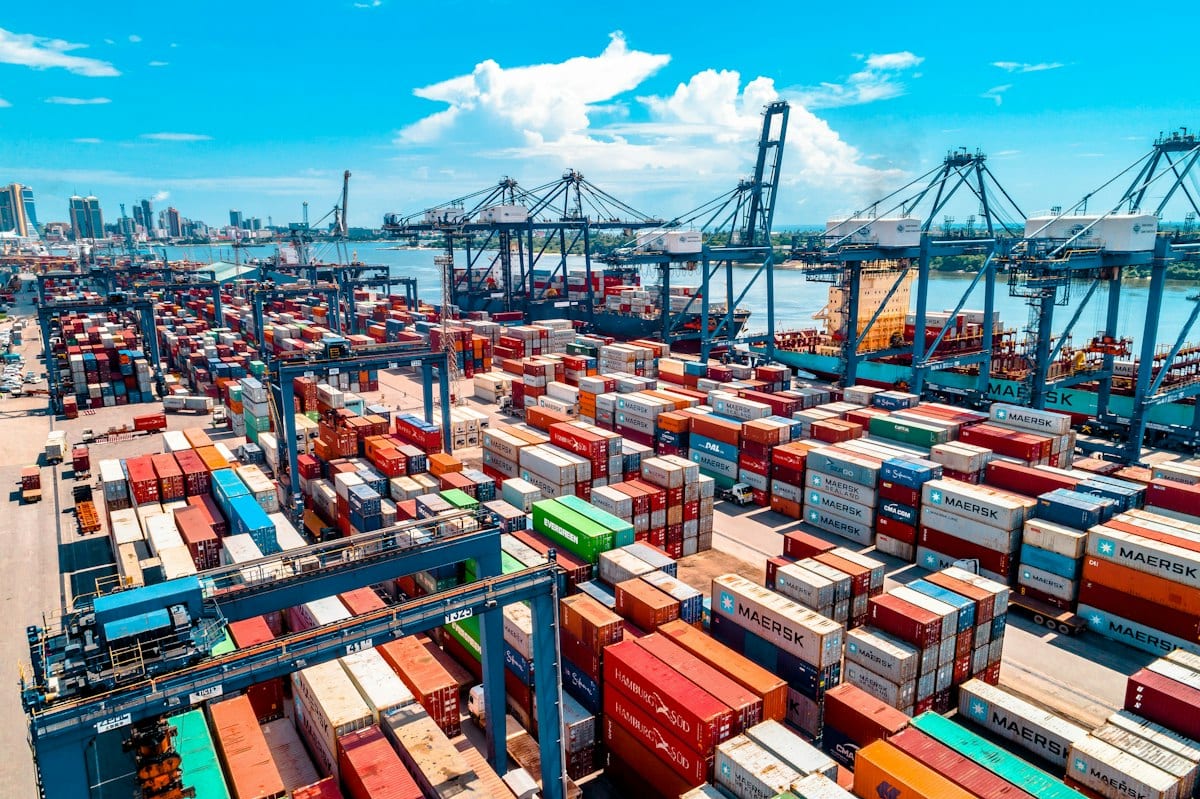
FuelEU Maritime has applied greenhouse gas intensity requirements to energy used by covered ships since 2025. Its pooling provisions allow two or more ships, including ships operated by different companies, to combine their compliance results. Better performance by one vessel can help cover another’s shortfall, subject to rules governing the overall balance and its allocation between ships. A verifier checks the allocation, which is recorded in the FuelEU database. Pooling allows companies to concentrate cleaner-fuel use where it is practical. Existing pools rely on ships’ verified performance; accepting external CDR would require additional eligibility and accounting rules.
More Standards and obligations

Product carbon intensity standards
A legal ceiling on lifecycle carbon emissions per unit of product output.
Cost
Very low to Medium
Complexity
Medium to High
Timeline
Short to Medium
Integrity, transparency & MRV
2–3Innovation & cost reduction
2–4Social & environmental safeguards
N/AEnergy, transport & storage infrastructure
N/AInputs & capacity
1–3Demand formation
2–4Bankability and cost of capital
1–3Policy architecture & coordination
2–4
Minimum carbon-storing content requirements
A legal minimum share of durably stored atmospheric carbon in covered products.
Cost
Low to Medium
Complexity
High
Timeline
Medium to Long
Integrity, transparency & MRV
3–4Innovation & cost reduction
2–3Social & environmental safeguards
2–3Energy, transport & storage infrastructure
N/AInputs & capacity
2–3Demand formation
4–5Bankability and cost of capital
2–3Policy architecture & coordination
3–4
Low-carbon fuel standards
A tightening ceiling on the average lifecycle carbon intensity of transport fuel.
Cost
Low to Medium
Complexity
High to Very high
Timeline
Medium to Long
Integrity, transparency & MRV
2–4Innovation & cost reduction
2–3Social & environmental safeguards
1–3Energy, transport & storage infrastructure
1–2Inputs & capacity
1–3Demand formation
2–3Bankability and cost of capital
1–3Policy architecture & coordination
2–3©2026 Alexander Mäkelä and Carbon Gap.
Except where otherwise indicated, this work is licensed under the Creative Commons Attribution–NonCommercial–ShareAlike 4.0 International Licence.
Headline and barrier scores based on Carbon Gap analysis.