 Capital formation and risk sharing
STATUTORY CONTRACT COUNTERPARTIES
Lever last updated: 10 September 2026
A dedicated public body created to sign and honour long-term removal contracts credibly.
Cost
Low to Medium
The counterparty pays for staff, contract management, payment processing, verification, audits and data systems. A small existing body may spend EUR1–10 million annually, while a new body or large portfolio manager may spend EUR10–100 million.
Complexity
Medium to High
Designating an existing public body requires a new contracting and payment capability. Creating a counterparty also requires legislation, secure funding, governance, standard contracts, verification and registry connections, audits, recovery procedures, enforcement powers and coordination with programme authorities.
Timeline
Short to Medium
An existing public body can gain powers, staff and payment systems within one to two years, allowing suppliers or lenders to rely on its contracts. Creating and funding a new counterparty can take two to five years.
Integrity, transparency & MRV
Innovation & cost reduction
Social & environmental safeguards
Energy, transport & storage infrastructure
Inputs & capacity
Demand formation
Bankability and cost of capital
Policy architecture & coordination
Overview
Long-term public support is useful only if suppliers and lenders trust the organisation signing the contract to keep paying for its full term. A statutory contract counterparty is a public company or authority established by law to manage contracts and make payments, backed by durable funding. It is most useful when governments issue 10- to 20-year contracts that outlast annual budgets and ministerial terms. The counterparty supplies continuity and administration. The support itself could take many shapes, including procurement, Contracts for Difference, guarantees, etc.
Key Considerations
Credibility depends first on whether the body has reliable funding for the full life of its contracts and a clear mandate to sign, pay and enforce them. Its founding rules should identify who can instruct it to offer new contracts, what happens if it cannot perform, and who absorbs losses from non-delivery, reversal or buyer default. Contracts with foreign projects need enforceable terms and reliable registry records. The body also needs staff and systems to check delivery, make and recover payments, publish contracts and support audits. Reselling removals adds price risk, making limits on unsold holdings and taxpayer exposure important.
Opportunities
A durable counterparty can turn a government promise into legally enforceable revenue that lenders can rely on when financing a project. One specialist body can use standard contracts, retain expertise and keep payments running when governments change. This can shorten negotiations and make several CDR support programmes easier to administer consistently. If authorised to buy removals under long contracts and resell them later, it could bridge suppliers’ need for long commitments and buyers’ preference for shorter ones, although that creates a risk of resale losses.
Risks
Legal status alone cannot make a poorly funded body credible. Political interference, weak staffing or unclear responsibility can delay contracts and payments across an entire programme. A single counterparty can also concentrate failure, favour familiar suppliers or become difficult to replace. If it buys removals for resale, falling prices or weak buyer demand can leave taxpayers holding unsold units and losses.
Monitoring and Evaluation
Supervising ministries and auditors should compare signing times, payment errors, disputes and administrative cost with private finance raised and the financing terms suppliers receive. Repeated delays, funding gaps, weak audit results or no improvement in finance should trigger more funding, stronger governance, revised powers or replacement of the counterparty.
Stakeholder Engagement
Legislators, treasuries and the proposed counterparty should agree the mandate, funding and public liability. CDR suppliers, buyers and lenders can test whether standard contracts support investment. Standards bodies, registries and lifecycle experts should connect payment to verified delivery, while auditors, competition authorities, civil society and affected communities test transparency, safeguards, conflicts and value for money.
Governance Levels
International funds and supranational institutions can establish a shared counterparty for participating jurisdictions. National and regional or state governments can create or designate public bodies with long-term contracting powers and dependable funding. Cities can do the same where municipal law permits, usually for smaller portfolios. Each counterparty must have clear responsibility for signing contracts, making payments, managing defaults and continuing performance if its structure changes. Different levels can operate independently or share standards, but their contractual and financial responsibilities should not overlap.
Implementation Strategies
Governments should first identify the long-term contract portfolio and decide whether an existing public body has the authority, skills and funding credibility to carry it.
Legislation should then define the counterparty’s mandate, funding, liability, independence and replacement if it cannot perform.
The body should build standard contracts, settlement and registry links, audit procedures and public reporting before signing.
A limited first portfolio can test payment performance and lender response before responsibilities expand.
Case Studies

United Kingdom greenhouse gas removal counterparty framework
The UK’s Energy Act 2023 created powers to designate a company to manage carbon-capture revenue-support contracts. In April 2025, government consulted on applying the existing counterparty rules, then published the first full draft removal contract in August. A July 2026 update said the model was being deployed but reported no signed removal contract or delivery. The case provides direct CDR design evidence and shows how legislation can assign payment and publication duties to a specialist body, but not yet better financing or operational performance.
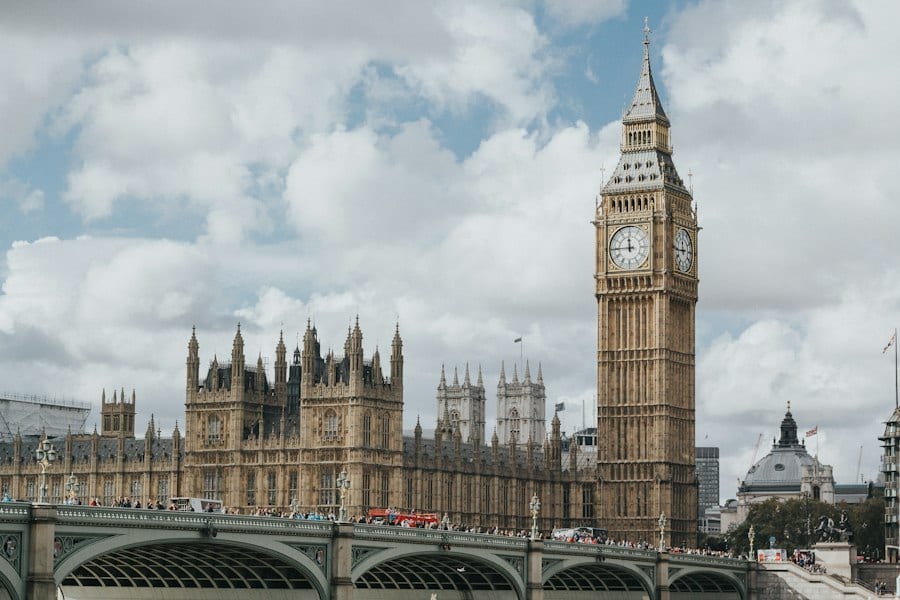
United Kingdom Low Carbon Contracts Company
The UK incorporated the Low Carbon Contracts Company in December 2013 and designated it as the statutory counterparty in July 2014. The government-owned company signs and settles long-term electricity Contracts for Difference, with payments funded through a compulsory levy on suppliers. The first competitive allocation ran from October 2014 to March 2015. By 2025, the company was managing an expanding portfolio and government had budgeted GBP38.3 million for its 2026/27 CfD operations. The arrangement demonstrates continuity, standard contracts and settlement beyond a ministry’s annual budget cycle. The electricity experience does not prove that the model will improve CDR finance.
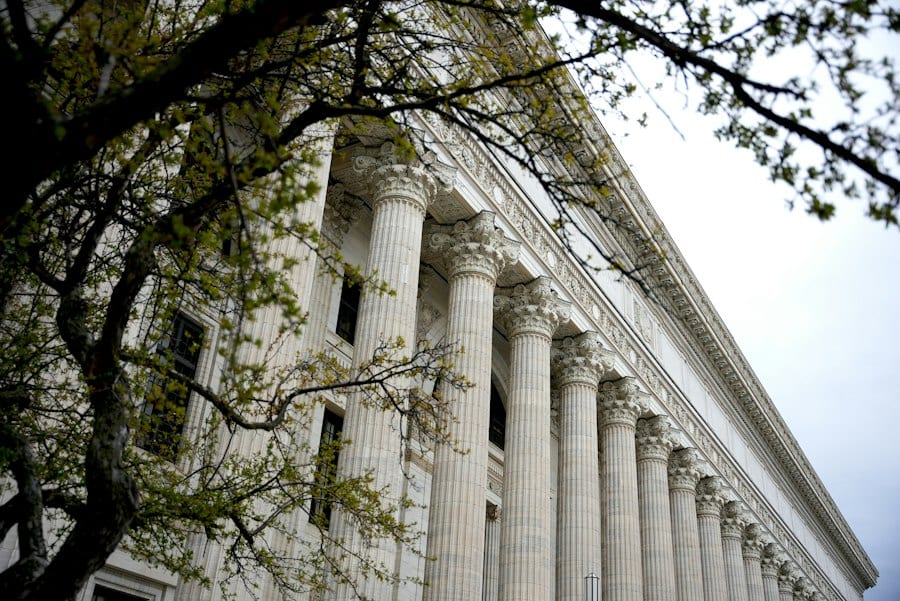
New York State Energy Research and Development Authority
New York uses the statutory New York State Energy Research and Development Authority as the central buyer for long-term renewable-energy certificate contracts. The authority runs annual competitions and signs standard agreements with selected projects. In May 2025, it executed 26 contracts covering more than 2.5 gigawatts, expected to support more than USD6 billion in private investment. Payments begin only after projects operate and deliver. The case shows that a regional or state government can use an existing specialist public body rather than create a new company. The programme is a renewable-electricity analogue, not direct evidence for CDR contracts.
More Capital formation and risk sharing

Advance market commitments
A binding promise to buy a set volume of removals at an agreed price once suppliers deliver.
Cost
Low to Very high
Complexity
Medium to High
Timeline
Very short to Medium
Integrity, transparency & MRV
2–4Innovation & cost reduction
2–5Social & environmental safeguards
1–3Energy, transport & storage infrastructure
N/AInputs & capacity
N/ADemand formation
3–5Bankability and cost of capital
3–5Policy architecture & coordination
1–3
Carbon contracts for difference (CCfDs)
A guaranteed price per verified tonne that tops up revenue when the market price falls short.
Cost
Low to Very high
Complexity
High
Timeline
Short to Medium
Integrity, transparency & MRV
2–3Innovation & cost reduction
2–4Social & environmental safeguards
1–3Energy, transport & storage infrastructure
N/AInputs & capacity
N/ADemand formation
2–4Bankability and cost of capital
4–5Policy architecture & coordination
2–4
Publicly supported currency hedging
Public backing enabling a specialist provider to offer currency hedges CDR developers can't get commercially.
Cost
Low to Medium
Complexity
Low to High
Timeline
Very short to Medium
Integrity, transparency & MRV
N/AInnovation & cost reduction
N/ASocial & environmental safeguards
N/AEnergy, transport & storage infrastructure
N/AInputs & capacity
N/ADemand formation
1–2Bankability and cost of capital
3–4Policy architecture & coordination
1–2©2026 Alexander Mäkelä and Carbon Gap.
Except where otherwise indicated, this work is licensed under the Creative Commons Attribution–NonCommercial–ShareAlike 4.0 International Licence.
Headline and barrier scores based on Carbon Gap analysis.