 Capital formation and risk sharing
STANDARDISED CDR CONTRACTS AND MODEL CLAUSES
Lever last updated: 14 September 2026
Reusable standard-form contracts for purchasing carbon removal.
Cost
Very low to Low
The template owner pays for legal drafting, technical review, consultation, user guidance and updates. Adapting an existing document for one purchasing programme is relatively inexpensive; maintaining a suite across methods and jurisdictions requires more sustained expertise. Removal purchases and project construction are separate expenditure.
Complexity
Low to Medium
An established buyer can adapt existing agreements and approval procedures. A shared suite requires agreement on risk allocation, testing against different methods and legal systems, and a body capable of maintaining it. New legislation is generally unnecessary for voluntary adoption.
Timeline
Very short to Medium
From a formal decision to adopt common terms, a prepared buyer could use an adapted contract in a purchase within a year. Developing and securing adoption of a new suite across programmes or jurisdictions can take two to five years.
Integrity, transparency & MRV
Innovation & cost reduction
Social & environmental safeguards
Energy, transport & storage infrastructure
Inputs & capacity
Demand formation
Bankability and cost of capital
Policy architecture & coordination
Overview
A public programme owner, buyer coalition or industry body can develop and promote reusable contracts for purchasing carbon removal. When every transaction starts with bespoke wording, buyers and suppliers repeatedly negotiate what is being sold, when payment is due and who bears the risk if delivery fails. Common terms give them an agreed starting point, reducing legal work and making commitments easier for financiers to assess. Separate clauses can accommodate different removal methods and project stages. The lever is the preparation, adoption and maintenance of those shared terms; the purchasing budget and any public guarantee require separate decisions.
Key Considerations
Contracts should define the net atmospheric removal purchased, its measurement method and storage duration, and when delivery, ownership transfer and payment occur. Failure to deliver, later release of stored carbon and cancellation of an invalid credit need different remedies. The parties must decide who replaces credits or refunds payments, under what conditions and within what limits. Common wording should also cover changes to measurement rules, disclosure, termination and disputes. A short purchase of issued credits needs fewer provisions than an agreement supporting construction. Method-specific schedules and local legal review should preserve those differences without reopening every common term.
Opportunities
Shared contracts can make smaller purchases worthwhile by reducing the legal effort required for each deal. A supplier using compatible terms across buyers can explain its commitments to lenders more easily, particularly where payment conditions and termination rights are predictable. Public procurement programmes can also use the same core clauses across successive tenders, making bids easier to compare. Standard clauses can carry requirements for evidence, benefit sharing or remedies into actual transactions. These opportunities depend on buyers and suppliers using the documents, with enough flexibility to accommodate credible new methods.
Risks
A widely adopted template can spread a poor allocation of risk. Unlimited replacement obligations may make an early supplier unfinanceable, while broad buyer cancellation rights can undermine the revenue a lender expects. Conversely, weak remedies may leave buyers paying for unusable credits. Templates written mainly by large purchasers can disadvantage small developers or landholders. Familiar wording may also give false confidence that a project has been technically assessed. Independent review, balanced representation and clear explanations of negotiable options help prevent standardisation from concealing these choices.
Monitoring and Evaluation
Evaluation should examine the share of transactions using the templates, time and legal expense from an agreed commercial offer to a signed contract, and the clauses most often renegotiated. Financing decisions, supplier participation and disputes over delivery or credit validity show whether the terms work in practice. Comparisons should allow for deal size and project maturity. Repeated disputes, exclusions or lender objections should trigger revisions to the relevant clauses, rather than simply more promotion of the template.
Stakeholder Engagement
Buyers and developers should test whether the proposed terms match how removals are financed, produced and delivered. Lenders can identify provisions that weaken contracted revenues, while lawyers check enforceability and compatibility with local law. Registry and verification specialists should align the contract’s evidence and transfer requirements with actual procedures. Where agreements affect landholders or communities, their representatives should help design benefit-sharing and grievance provisions, including who can enforce them.
Governance Levels
Supranational, national, regional and municipal bodies can adopt model terms for purchasing within their authority. Companies and industry bodies can publish and use voluntary templates. Foundations can maintain an open contract resource or apply it in their own purchases. Adoption binds the contracting parties within the relevant law; publishing a model does not change that law or bind the wider market.
Implementation Strategies
The sponsoring body should start with a defined transaction, such as purchases of issued removals or commitments to future delivery. It should adapt proven agreements and identify which recurring negotiations are delaying or preventing deals.
A common core should define the asset, evidence, ownership, payment and dispute process. Optional schedules should address the removal method, storage duration, project milestones and any advance payment, with guidance explaining when each option is appropriate.
The drafting group should test realistic failures, including delayed commissioning, delivery shortfalls, invalid credits and reversals. Liability limits and remedies should reflect what each party can control and afford, with community commitments enforceable by the intended beneficiaries where appropriate.
Buyers and suppliers should test the draft in real negotiations. Financiers should review whether assignment of payment rights, termination provisions and access to project information support lending. Any significant departure from the common wording should be visible to the other parties.
The owner should publish accessible templates, version histories and guidance, then maintain them as law, verification practices and market experience change. Procurement teams and buyer coalitions can support adoption through their own transactions without making one template compulsory for every method.
Case Studies

OSCAR standard carbon removal agreement
Launched in November 2025, the Open Standard Carbon Removal Agreement (OSCAR) is a freely available contract template developed by carbon removal practitioners with pro bono legal support. It gives buyers and suppliers a common starting point, reducing the need to negotiate every purchase from scratch. The template addresses payment arrangements, ownership of credits and remedies when a supplier delivers fewer credits than agreed, with a companion guide explaining the clauses. Parties can adapt it to different removal methods and project risks. CDR.fyi, the market-data organisation hosting the framework, reported that it had already supported purchases of hundreds of thousands of credits across several methods. Shared wording and guidance aim to reduce legal work and help unfamiliar buyers proceed with purchases while retaining project-specific protections.

Frontier carbon removal offtake template
Frontier is a buyer coalition that arranges advance purchases of permanent carbon removal. In August 2024, it published an offtake template refined through seven deals worth more than USD 300 million. The document links buyer payment to specified, verified deliveries and sets out project milestones, limited termination rights and flexibility for delays. These provisions help lenders understand when revenues are dependable while recognising that early projects can miss their initial schedules. Publication made the experience available to other buyers and developers. The stated deal value describes contracts informing the template, not removals delivered or transactions caused by its publication. The example shows how shared legal terms can be developed through actual CDR purchasing.

United Kingdom greenhouse gas removal contract
The UK Department for Energy Security and Net Zero published its first full draft greenhouse gas removal contract in August 2025. It combines standard terms with a separate agreement recording project-specific details, giving prospective recipients of public revenue support a common contractual starting point. The proposed provisions address payment, commissioning milestones, verification, changes in law and interruptions to CO₂ transport and storage. This makes the allocation of major risks visible before individual negotiations conclude. The cited publication presents draft terms for negotiation, not evidence of completed removals. For this lever, the relevant action is standardising the documentation; the revenue support promised through a completed contract is a separate financing intervention.
World Bank Group Scaling Solar in Zambia
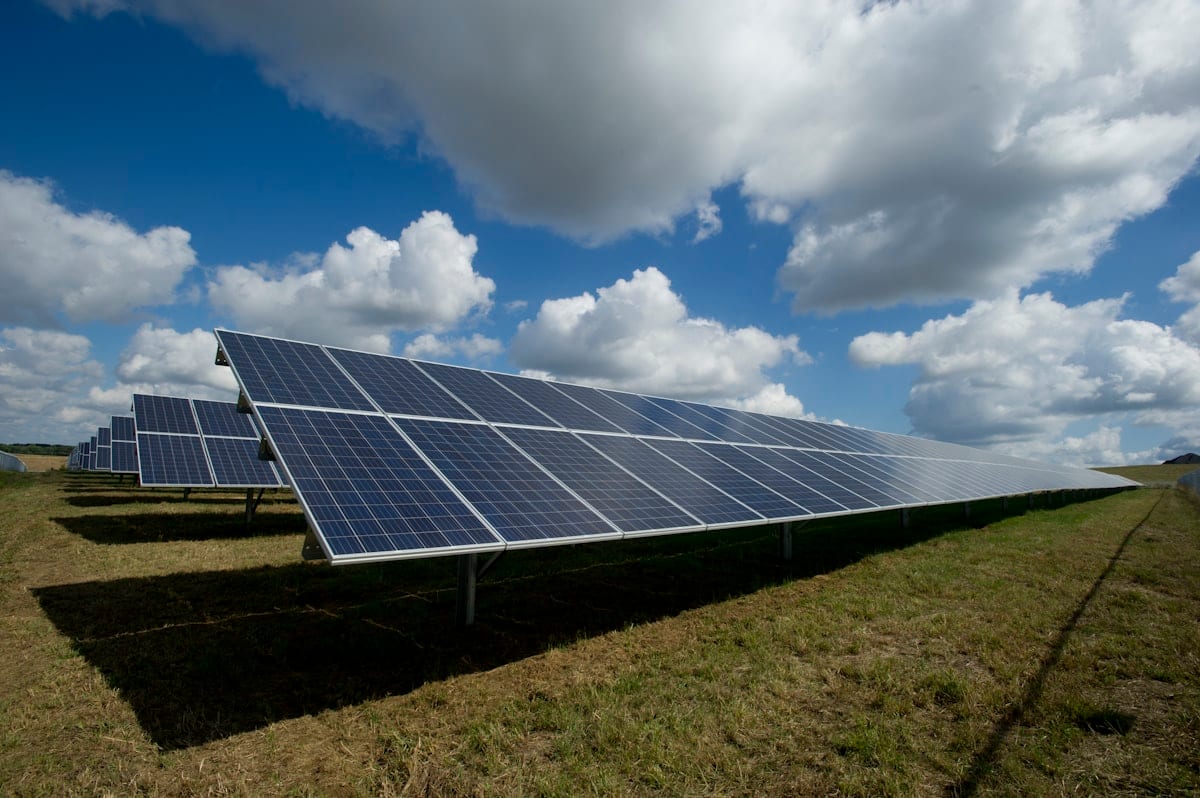
Scaling Solar is a World Bank Group programme helping governments procure privately financed solar power. Its common project documents sit alongside competitive tendering, financing and risk insurance, allowing bidders and lenders to assess a defined set of terms. Zambia’s Industrial Development Corporation entered the programme in July 2015, and both resulting plants entered operation in 2019. The example demonstrates standard contracts used within a programme that reached delivery; the outcome cannot be attributed to the documents alone. For CDR, a similar approach could settle recurring commercial provisions before bidding while retaining schedules for removal quality, durability and project risk. Solar generation is an analogy for contracting, not carbon removal.
More Capital formation and risk sharing

Advance market commitments
A binding promise to buy a set volume of removals at an agreed price once suppliers deliver.
Cost
Low to Very high
Complexity
Medium to High
Timeline
Very short to Medium
Integrity, transparency & MRV
2–4Innovation & cost reduction
2–5Social & environmental safeguards
1–3Energy, transport & storage infrastructure
N/AInputs & capacity
N/ADemand formation
3–5Bankability and cost of capital
3–5Policy architecture & coordination
1–3
Carbon contracts for difference (CCfDs)
A guaranteed price per verified tonne that tops up revenue when the market price falls short.
Cost
Low to Very high
Complexity
High
Timeline
Short to Medium
Integrity, transparency & MRV
2–3Innovation & cost reduction
2–4Social & environmental safeguards
1–3Energy, transport & storage infrastructure
N/AInputs & capacity
N/ADemand formation
2–4Bankability and cost of capital
4–5Policy architecture & coordination
2–4
Publicly supported currency hedging
Public backing enabling a specialist provider to offer currency hedges CDR developers can't get commercially.
Cost
Low to Medium
Complexity
Low to High
Timeline
Very short to Medium
Integrity, transparency & MRV
N/AInnovation & cost reduction
N/ASocial & environmental safeguards
N/AEnergy, transport & storage infrastructure
N/AInputs & capacity
N/ADemand formation
1–2Bankability and cost of capital
3–4Policy architecture & coordination
1–2©2026 Alexander Mäkelä and Carbon Gap.
Except where otherwise indicated, this work is licensed under the Creative Commons Attribution–NonCommercial–ShareAlike 4.0 International Licence.
Headline and barrier scores based on Carbon Gap analysis.