 System and capacity enablers
SPECIAL ECONOMIC ZONE AND FREEPORT DESIGNATION
Lever last updated: 14 September 2026
A designated area offering coordinated tax and investment support for qualifying businesses.
Cost
Low to High
Authorities pay for administration, land preparation and shared infrastructure and forgo revenue through tax relief. A limited package using serviced sites costs less than major construction with broad relief. Estimates should count public spending in each delivery year and tax revenue forgone, across all responsible bodies.
Complexity
Low to High
Designation under an existing zone law can use established procedures. A new programme combining tax, customs, land and infrastructure decisions may require primary legislation, a delivery authority and agreements among several public bodies.
Timeline
Short to Medium
Existing laws and serviced sites can bring qualifying firms into new investment within one to two years. New tax powers, administrative arrangements and site preparation may require two to five years before firms can use the offer and commit capital.
Integrity, transparency & MRV
Innovation & cost reduction
Social & environmental safeguards
Energy, transport & storage infrastructure
Inputs & capacity
Demand formation
Bankability and cost of capital
Policy architecture & coordination
Overview
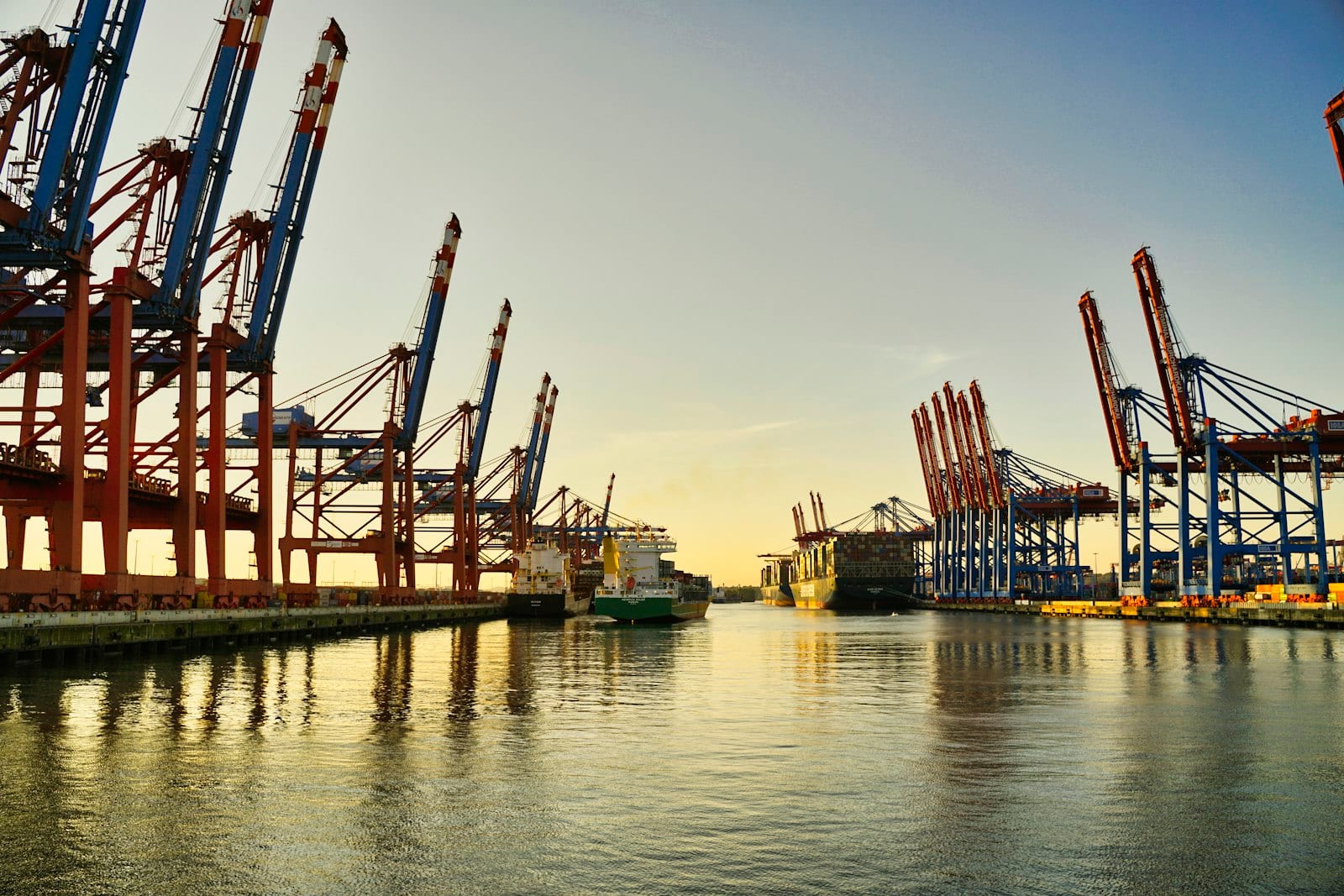
Government can designate a particular area and offer qualifying businesses a coordinated package of support for locating and investing there. A special economic zone may combine tax relief, access to prepared land and infrastructure, and a local team that helps firms obtain permits. A freeport also uses special customs arrangements, such as deferring duties on imported equipment. The package brings these measures together so a firm's investment can proceed with the services and permissions it needs. For CDR, authorities could target removal plants, CO₂ terminals and equipment manufacturers near suitable energy and storage access. Government must specify which firms receive each benefit and which public body provides it. Environmental assessment and project permits remain part of establishing a business in the zone.
Key Considerations
Authorities should first identify the investment they want to attract and what prevents firms from establishing it at the proposed location. This determines the area, the eligible activities and the support needed. A removal plant may need a power connection and access to CO₂ transport, while an equipment manufacturer may need suitable premises and help importing machinery. Authorities can then assemble the relevant tax, customs, land, infrastructure and administrative measures into one offer. For each measure, they should specify the responsible body, delivery date, eligibility conditions, duration and rules for recovering support if a firm breaches its commitments. Infrastructure completion and the period for claiming tax relief should fit the same investment timetable. The zone's local team must explain which permits it can issue and which require decisions from other authorities. The total budget should show public spending and tax revenue forgone, including costs that arise in different departments.
Opportunities
Combining support in one place can make an investment viable where several obstacles have to be addressed together. Tax relief lowers specified business costs, customs arrangements can defer duty payments, prepared land and shared connections provide usable sites, and a local team helps firms navigate the required permits. When authorities deliver these measures on a compatible timetable, firms can plan around a more complete offer. Nearby removal plants and suppliers may share utilities, transport facilities or specialist services. This can attract additional removal capacity, manufacturing and employment where the package changes firms' investment decisions. Evaluation should establish how much activity is newly created and how much has moved from elsewhere.
Risks
Reliefs can subsidise relocation or activity that would have happened anyway, reducing public revenue without additional climate benefit. One delayed component, such as a power connection, can leave firms unable to use other benefits before they expire. Public spending and tax relief can also continue after the original investment case has weakened. Where authorities borrow for infrastructure against expected growth in local tax receipts, often called tax-increment financing, they need conservative forecasts and an agreed payer if receipts fall short. Poor oversight may favour landowners or incumbent firms, while pressure to accelerate approvals can weaken scrutiny of environmental impacts. Competition between jurisdictions can enlarge subsidies without increasing the underlying market. Expiry dates, recovery rules and independent evaluation should apply to the package and its individual measures.
Monitoring and Evaluation
Authorities should compare new investment, jobs and qualifying removal activity with similar locations outside the zone, including activity lost elsewhere. Reports should show public spending, tax revenue forgone and who receives the benefits. Permit times, use of shared assets and the arrival of new suppliers can reveal which parts of the package are useful. These findings should determine whether individual reliefs or services are continued, redesigned or withdrawn when they expire.
Stakeholder Engagement
Tax, customs and finance authorities should agree which benefits they can authorise and how the costs will be recorded. Ports, utilities and prospective tenants should confirm the services, investment and staffing they expect to provide or use. Local authorities, workers and communities should shape employment access and local benefit commitments. Independent evaluators need access to firm-level investment and employment data to assess whether the zone attracts additional activity or mainly relocates it.
Governance Levels
National governments can authorise the tax and customs arrangements used by freeports and special economic zones. Regional and municipal authorities can jointly designate or operate zones where law gives them relevant land, tax or development powers. Each body can promise only benefits within its authority; national customs treatment requires a national decision.
Implementation Strategies
Authorities should compare candidate locations against energy, ports, storage access, existing industry and credible additional investment. They should also test whether targeted support would resolve the same problems without creating a zone.
Governments should define qualifying activities, the benefits offered, their duration and conditions for recovering support. Budgets should show direct spending and forgone tax revenue separately, distinguishing the CDR offer from support for other industries.
The delivery authority should agree responsibilities and completion dates with tax, customs, infrastructure and permitting bodies. Site preparation, connections and the availability of relief should fit firms' investment schedules. Each body should state the decisions it can make and keep environmental assessment and public participation in the timetable.
The zone authority should agree responsibilities for local training, employment access and community benefits. Evaluation should examine whether firms and suppliers are newly established or relocated from outside the zone, including effects on neighbouring communities.
Governments should set expiry dates and require independent evaluation before benefits are renewed. Renewal should depend on additional investment or other intended outcomes relative to fiscal cost, including any displacement and commitments against future tax receipts.
Case Studies
UK Freeports
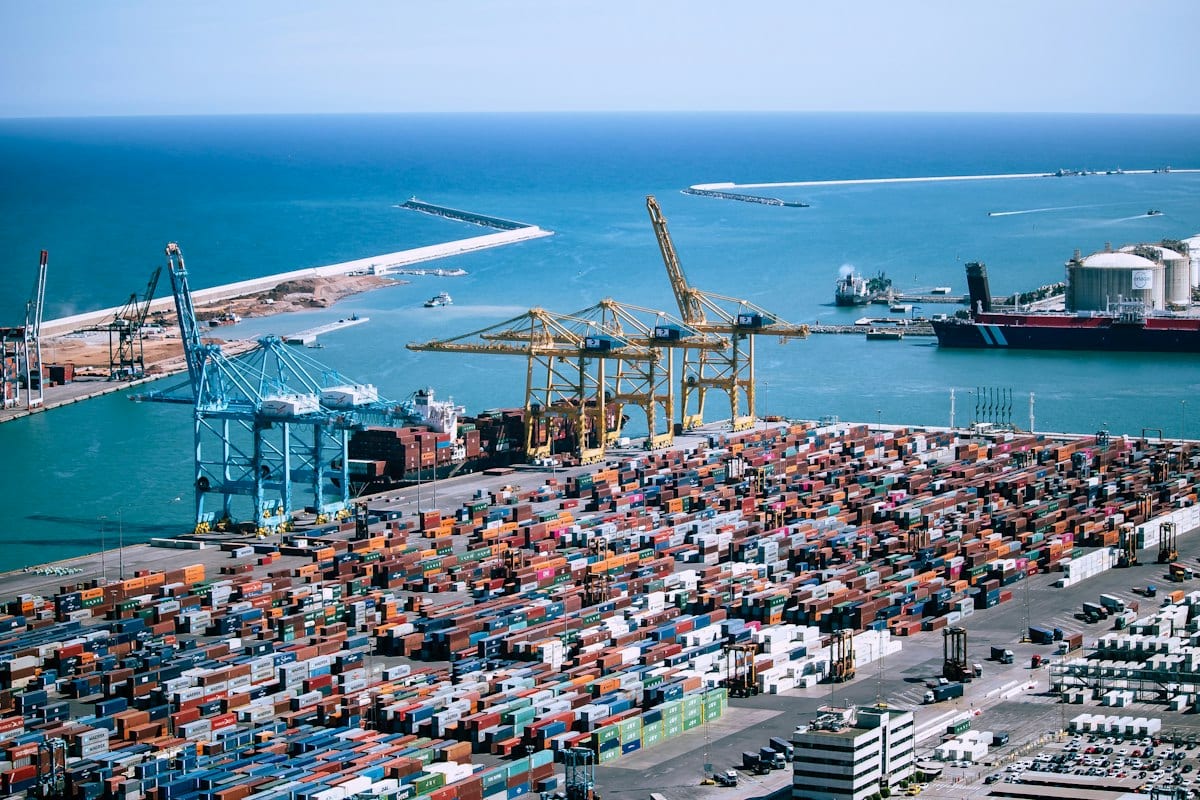
UK Freeports are government-designated areas offering tax, customs and development support at qualifying sites. The package includes relief on business property and employment taxes, faster deduction of qualifying investment costs for tax purposes, and arrangements that can defer customs duties. Freeport areas also receive infrastructure support and can retain growth in local business-rate receipts for reinvestment. Firms therefore face a different combination of upfront costs, recurring charges and local services when deciding where to invest. The model could support removal-related businesses where their activities qualify and suitable energy and CO₂ services are available. Its value must be assessed against the cost of relief and the risk that investment merely moves from other places.
Shenzhen Special Economic Zone
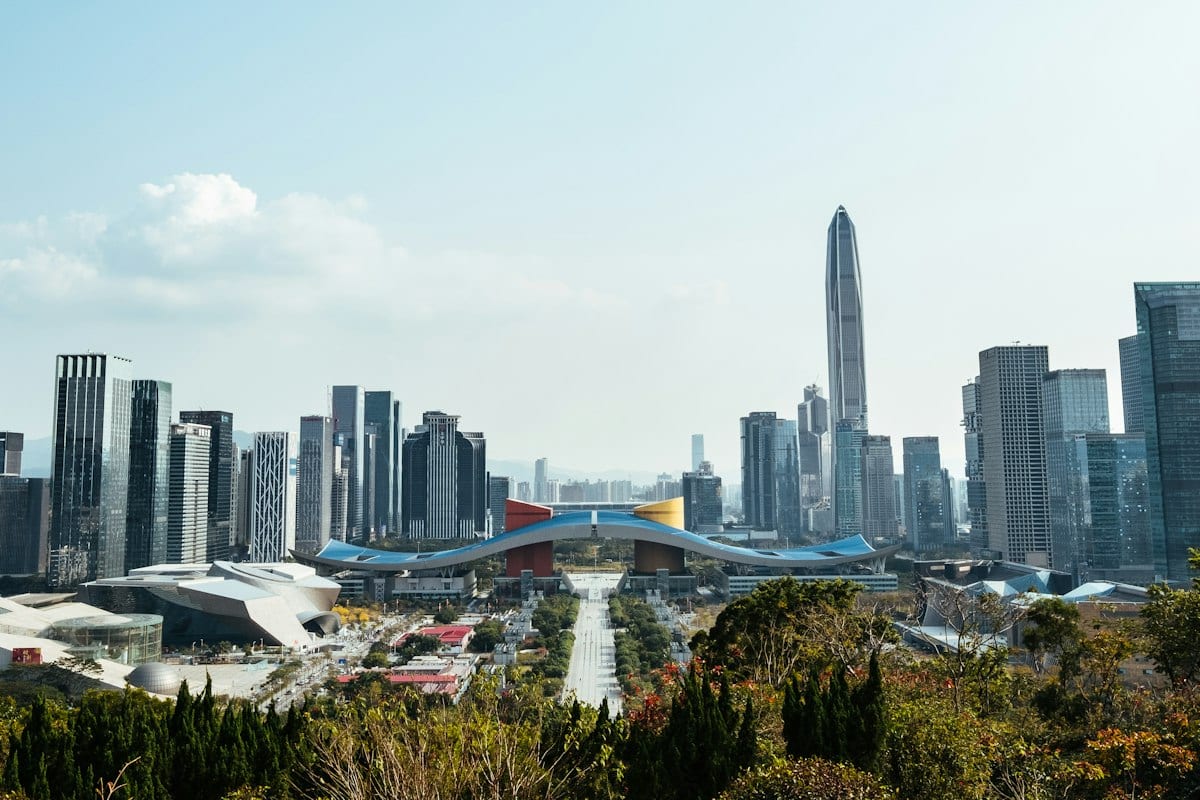
Shenzhen, a city in southern China, was designated a special economic zone in 1980. Its municipal government's account of the zone's development describes how national authorities continue to give the city powers to test reforms before wider adoption. The June 2025 measures included opening services such as telecommunications, healthcare and finance to more participation. The government's published account of those measures also describes support for overseas vocational-training providers and greater employer autonomy in recruiting overseas specialists. These choices illustrate how a designated area can combine changes to business entry, training and recruitment to support industrial development. For a CDR zone, the comparable task would be to identify the permissions, infrastructure and workforce support that its intended firms actually need, then secure authority to provide them. Shenzhen's wider development cannot be attributed to designation alone, and its experience does not provide a forecast of removal investment or employment elsewhere.
More System and capacity enablers
Cross-border CO₂ networks
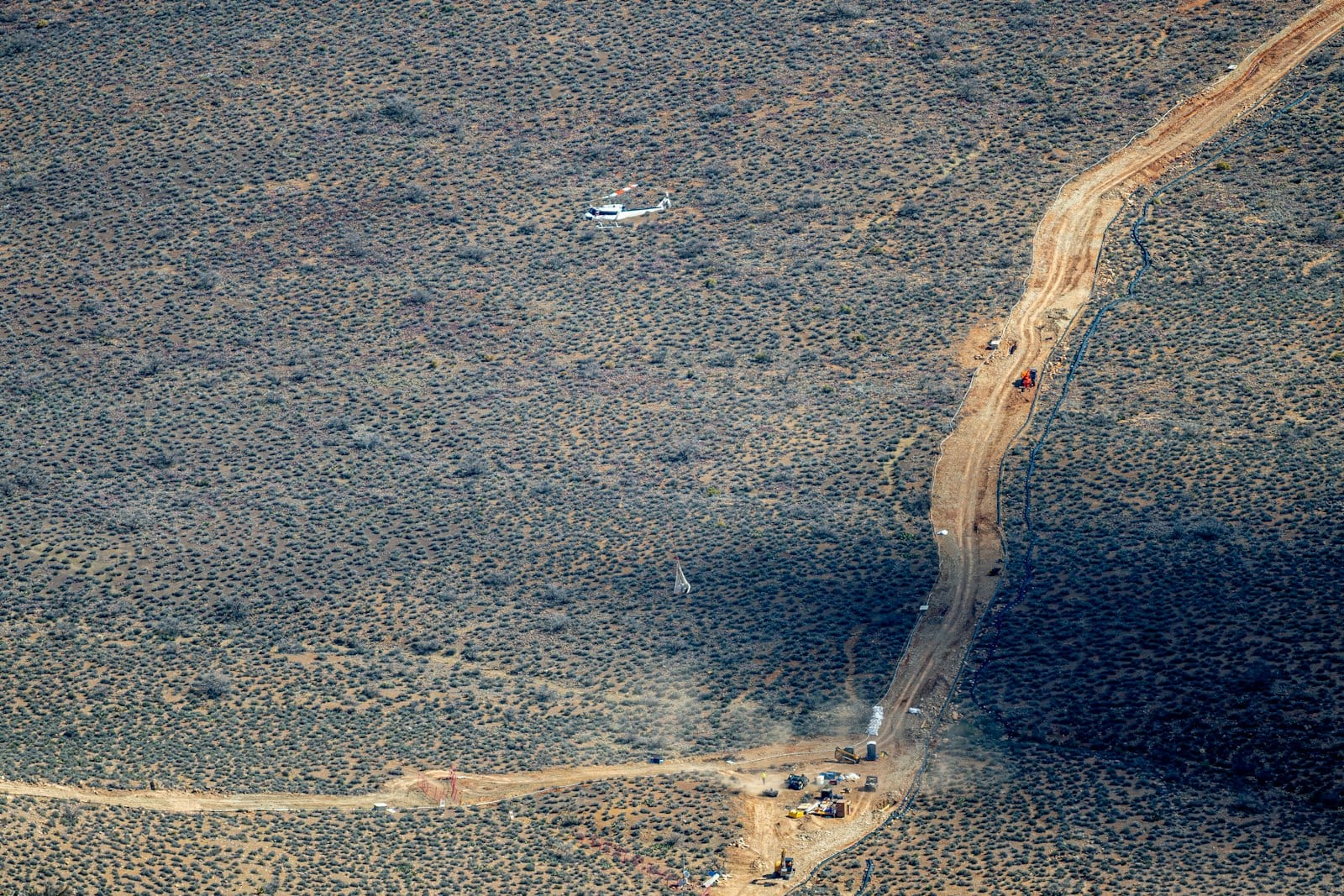
Coordinated legal and technical rules letting CO₂ pipelines cross national borders.
Cost
Medium to Very high
Complexity
Medium to Very high
Timeline
Short to Long
Integrity, transparency & MRV
1–2Innovation & cost reduction
1–2Social & environmental safeguards
1–3Energy, transport & storage infrastructure
3–4Inputs & capacity
N/ADemand formation
N/ABankability and cost of capital
2–4Policy architecture & coordination
2–3
Permitting process streamlining
Reorganising how permitting authorities receive and decide project applications.
Cost
Very low to Medium
Complexity
Low to High
Timeline
Very short to Medium
Integrity, transparency & MRV
1–2Innovation & cost reduction
1–2Social & environmental safeguards
1–3Energy, transport & storage infrastructure
1–3Inputs & capacity
1–2Demand formation
N/ABankability and cost of capital
2–3Policy architecture & coordination
2–4
Infrastructure hubs
A shared site bringing electricity, water and CO₂ transport together for several users.
Cost
Medium to Very high
Complexity
Medium to High
Timeline
Medium to Long
Integrity, transparency & MRV
1–2Innovation & cost reduction
2–3Social & environmental safeguards
2–3Energy, transport & storage infrastructure
3–4Inputs & capacity
2–3Demand formation
N/ABankability and cost of capital
2–4Policy architecture & coordination
2–3©2026 Alexander Mäkelä and Carbon Gap.
Except where otherwise indicated, this work is licensed under the Creative Commons Attribution–NonCommercial–ShareAlike 4.0 International Licence.
Headline and barrier scores based on Carbon Gap analysis.