 System and capacity enablers
INFRASTRUCTURE HUBS
Lever last updated: 14 September 2026
A shared site bringing electricity, water and CO₂ transport together for several users.
Cost
Medium to Very high
This planning range covers adaptation of an existing industrial site through development of several new hubs. Partners fund shared utilities, CO₂ facilities, land, engineering and operation. One-off capital costs are annualised over the expected implementation period and combined with recurring costs; transfers between implementing partners are counted once.
Complexity
Medium to High
An existing industrial park may need a new team and common service contracts. Building a new hub can also require coordinated land, environmental and utility approvals, new public development powers and agreements among capture, transport and storage operators.
Timeline
Medium to Long
As planning estimates, existing industrial sites may secure binding finance and construction commitments within two to five years of starting development. New hubs requiring land, utilities and multiple customer agreements may need five to ten years; services begin after construction.
Integrity, transparency & MRV
Innovation & cost reduction
Social & environmental safeguards
Energy, transport & storage infrastructure
Inputs & capacity
Demand formation
Bankability and cost of capital
Policy architecture & coordination
Overview
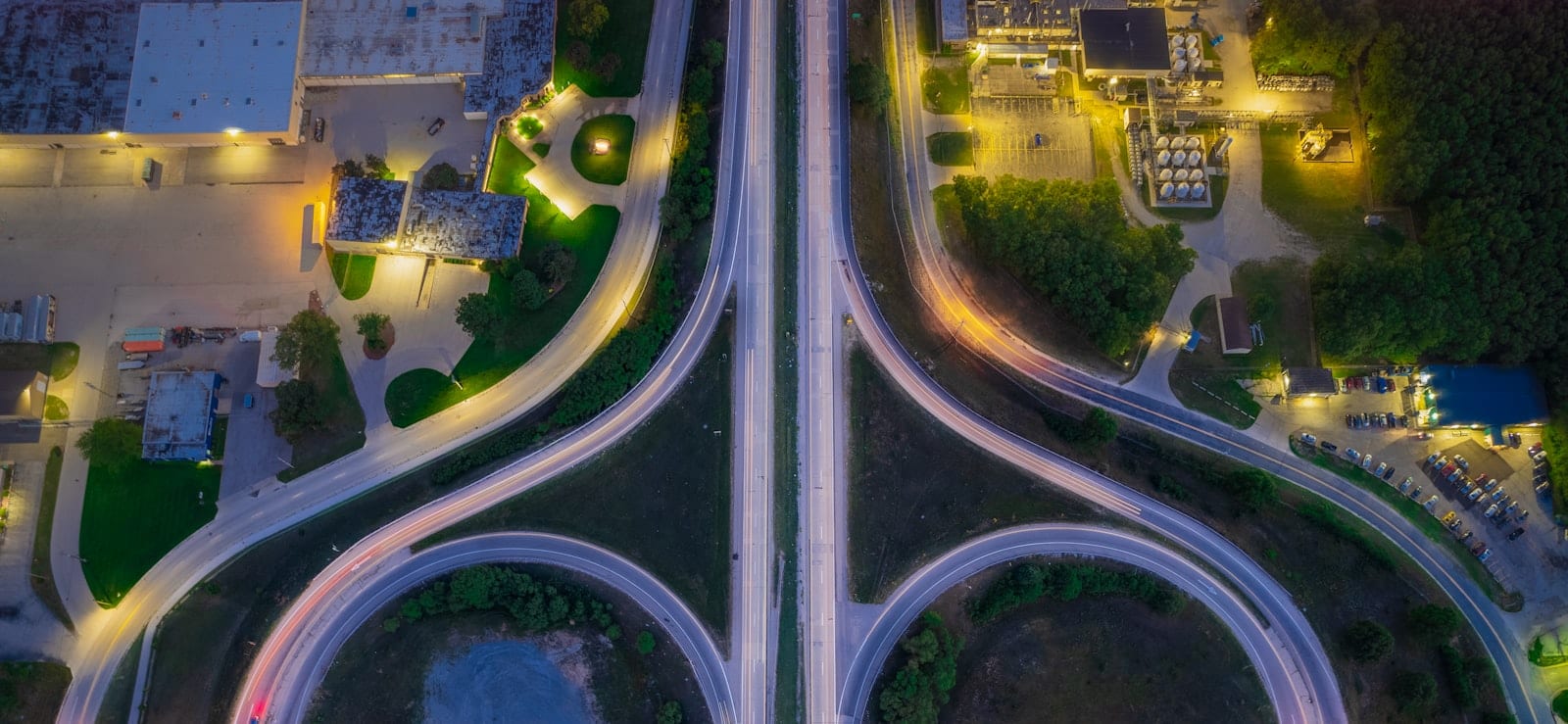
Industrial projects often need the same expensive connections to electricity, water, CO₂ transport and storage. An infrastructure hub brings those services together for several users, with a public development body or commercial developer responsible for providing the shared assets. Carbon capture and storage (CCS), carbon capture and utilisation (CCU), and removal projects can develop together where their needs are compatible. A broader customer base spreads fixed costs and reduces dependence on a single project's success, helping finance infrastructure that individual users could not justify alone. Projects may share one industrial site or connect across a region. Agreements specify each user's capacity, charges and service date. Removal developers benefit by joining an established or jointly financed system, giving them access to essential services with less infrastructure to develop themselves. This lever provides shared services to a cluster of users; Cross-Border CO₂ Networks addresses delivery of the route connecting customers and storage across national borders. One project may combine both interventions.
Key Considerations
Developers should select locations and shared services around the needs of the full customer group. Industrial capture and carbon-use projects may bring early volumes, utilities or demand for captured CO₂; removal facilities may add biogenic or atmospheric CO₂ and require storage access. Biomass-based capture needs suitable sources, while direct air capture depends heavily on suitable energy, water and storage. Sharing is worthwhile only where equipment, CO₂ quality and delivery schedules are compatible. Commitments from the first large users should justify initial construction. Agreements must identify asset ownership, charges, responsibility for low utilisation and rules for connecting later users. Developers also need to assess all tenants' combined demands on utilities and their effects on nearby communities.
Opportunities
Combining customers from carbon capture, utilisation and removal can keep shared assets better used and reduce the investment each project needs to bear. Established industrial users can support initial services to which smaller removal suppliers later connect, while a variety of customers reduces exposure to one firm's failure. Once services operate, new plants can join without repeating the whole infrastructure development process. Co-located demonstrations and exchanges between engineers can spread practical improvements, and a concentration of customers can attract equipment suppliers and training providers. The benefit depends on compatible needs and credible demand across the participating projects.
Risks
If too few users proceed, shared assets may remain underused and fail to recover their costs. A varied customer base reduces reliance on one firm, but several customers may still be affected by the same energy prices or policy changes. Large initial users can also reserve capacity that smaller projects later need. Concentrating projects means a power outage, storage interruption or local dispute can affect many users at once, while delays by one developer may leave others paying before they can connect. Phased construction, credible commitments and clear access, outage and delay arrangements can reduce these risks. The hub must also plan for industrial customers reducing or ending CO₂ production over its operating life.
Monitoring and Evaluation
Evaluation should distinguish committed users, investment decisions and available services from announced capacity, then compare utilisation and customer concentration with investment assumptions. Comparisons with stand-alone projects should examine connection costs, reliability and each user's share of common costs. Records should identify the origin, destination and losses of CO₂ handled, with lifecycle emissions and qualifying storage checked when removal claims are made. Authorities should also review local employment and combined environmental effects. Poor utilisation, repeated outages or unmet community commitments should lead to changes in operating terms or postponed expansion.
Stakeholder Engagement
Prospective users should provide realistic volume, timing and service requirements so hub developers can size common assets. Utilities, ports and storage operators should agree compatible equipment specifications and delivery schedules. Public authorities should assign responsibility for land, permits and infrastructure funding. Communities should help shape siting, environmental monitoring and local benefit commitments, with a continuing route to raise concerns. Employers and training institutions can agree which jobs local programmes should prepare people to fill.
Governance Levels
National public development bodies can commission hubs and take responsibility for shared assets. Regional and municipal authorities can develop them through land, utilities and infrastructure ownership where their powers permit. Companies and industry consortia can finance, build and operate the facilities under commercial agreements. These actors may work jointly, but their contracts must identify who provides each service and bears its development risks.
Implementation Strategies
Public authorities and developers should compare locations against industrial capture, carbon-use and removal projects' needs, available utilities and storage, combined local impacts and credible customer commitments. They should test which services can be shared and whether this improves on stand-alone development.
Developers should agree who owns and manages common assets, how access is priced and how new users join. Commitments from the first large users should justify the initial investment, with later phases tied to credible additional demand.
Hub developers should arrange energy, water, CO₂ handling and storage services in parallel, checking that equipment specifications and delivery dates match. Shared research or training facilities can be added where several users have a demonstrable need.
Authorities and operators should agree community participation, environmental monitoring and local benefit commitments before construction, with named responsibilities during operation. Evidence on utilisation, reliability and local effects should determine whether the hub expands or changes its operating arrangements.
Hub operators should agree how scarce utilities and storage access are allocated during disruption. Shared contingency plans and financial provisions can prevent one tenant's failure from disabling essential services for the others.
Case Studies
Singapore's S-Hub feasibility work
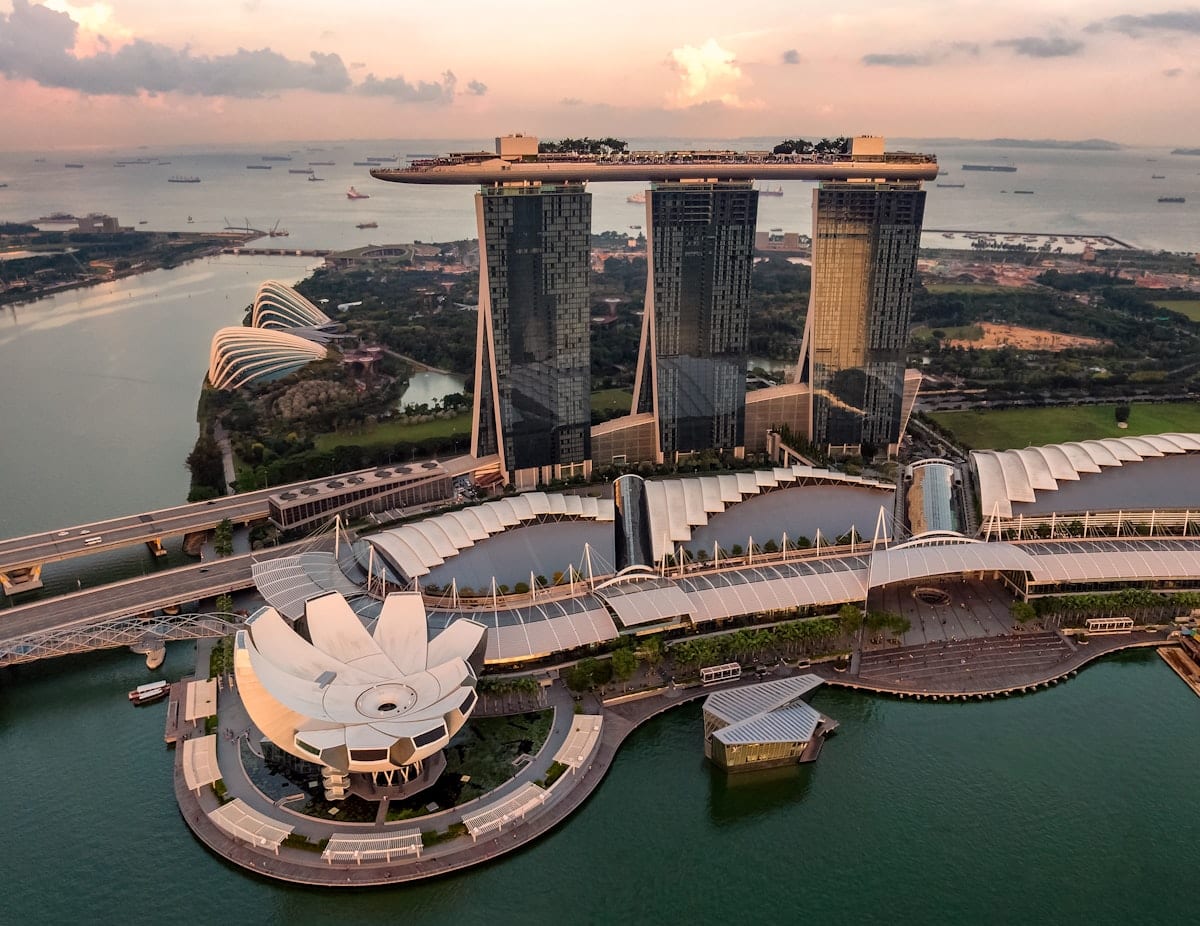
S-Hub is a consortium of ExxonMobil and Shell appointed to develop a cross-border carbon capture and storage project for Singapore. In March 2024, the companies announced their selection to work with the government, following a December 2023 agreement with the Singapore Economic Development Board. The proposed chain would aggregate domestic CO₂, arrange transport and identify suitable overseas storage, aiming to handle at least 2.5 million tonnes annually by 2030. Appointing lead developers gives industrial emitters and storage partners one team with which to negotiate connected investments. The proposed infrastructure serves a pool of industrial customers, providing a carbon-management precedent for developing common assets. Removal projects could join compatible future services, although that application was not established by the announcement, which remained subject to definitive agreements.
Greensand's shared storage development
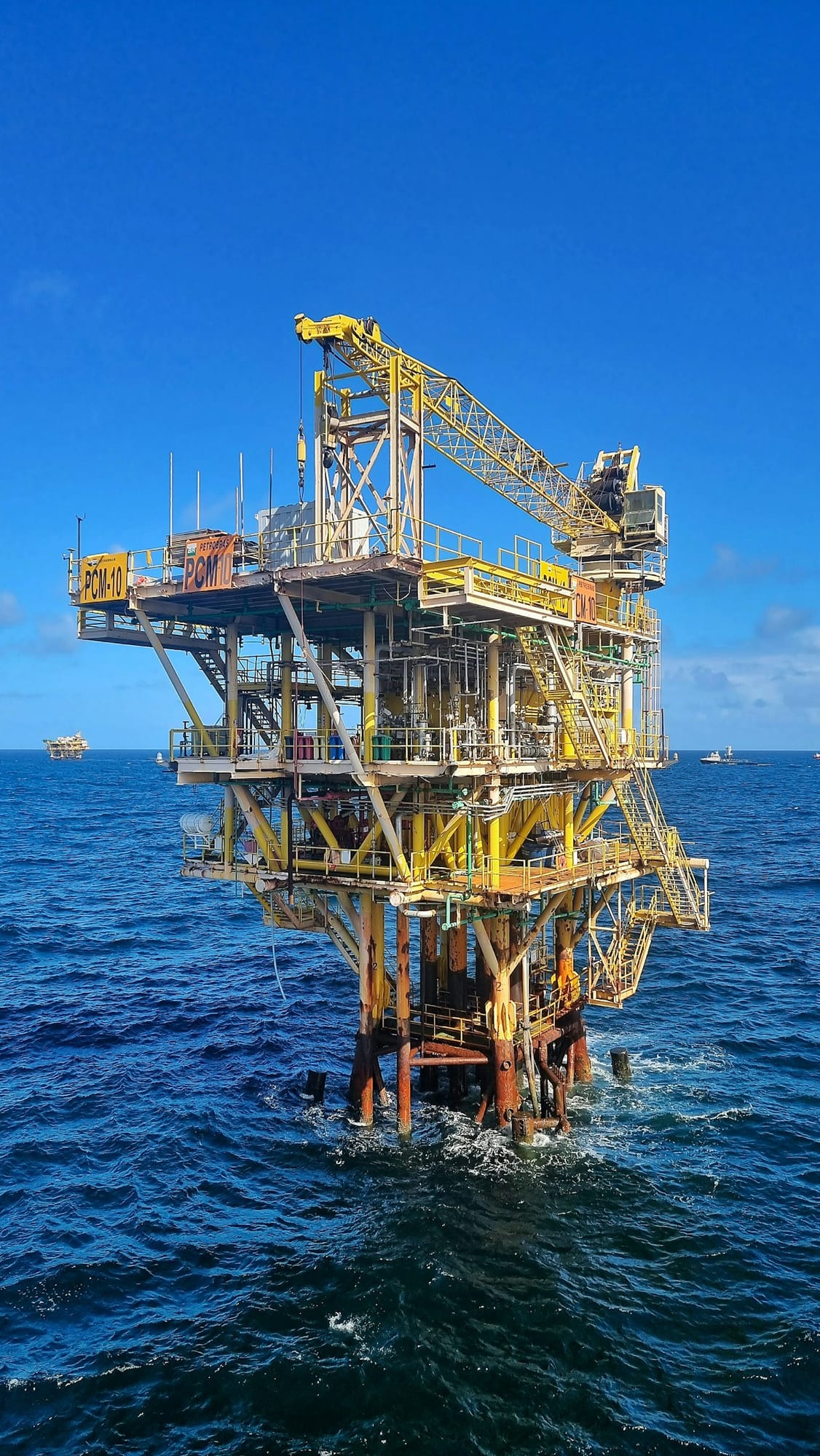
Greensand is a Danish CO₂ storage development connecting several sources with shared transport and offshore storage. Following its March 2023 cross-border pilot, the consortium took an investment decision for Greensand Future in December 2024. The operator reports commercial agreements covering CO₂ supply, logistics, shipping and storage. Its planned first commercial chain takes CO₂ separated during biomethane production, liquefies it, brings it to harbour and ships it to the offshore injection site. Arranging these stages together gives biogenic capture projects a common route to storage without each building an offshore system. An April 2026 update records the dedicated carrier in Esbjerg and preparations for operation. These sources establish an invested and partly assembled chain, while commercial injection is not yet demonstrated by the cited updates.

Project Cypress's staged DAC hub funding
Project Cypress is a planned direct-air-capture hub in Louisiana led by Battelle, an applied-research organisation, with technology providers Climeworks and Heirloom. The US Department of Energy announced an initial USD 50 million award in March 2024 for planning, design, and community and labour engagement. The project overview distinguishes this first phase from eligibility for up to USD 600 million in federal funding. It describes two facilities using different capture technologies, with partners selecting sites and negotiating service arrangements. The hub therefore coordinates related investments across a region as well as within individual sites. Staged funding pays for the work needed to establish those connections before the full investment is committed. The source describes project development, not an operating hub or the disbursement of the entire eligible award.
More System and capacity enablers
Cross-border CO₂ networks
Coordinated legal and technical rules letting CO₂ pipelines cross national borders.
Cost
Medium to Very high
Complexity
Medium to Very high
Timeline
Short to Long
Integrity, transparency & MRV
1–2Innovation & cost reduction
1–2Social & environmental safeguards
1–3Energy, transport & storage infrastructure
3–4Inputs & capacity
N/ADemand formation
N/ABankability and cost of capital
2–4Policy architecture & coordination
2–3
Permitting process streamlining
Reorganising how permitting authorities receive and decide project applications.
Cost
Very low to Medium
Complexity
Low to High
Timeline
Very short to Medium
Integrity, transparency & MRV
1–2Innovation & cost reduction
1–2Social & environmental safeguards
1–3Energy, transport & storage infrastructure
1–3Inputs & capacity
1–2Demand formation
N/ABankability and cost of capital
2–3Policy architecture & coordination
2–4
Mandatory CO₂ storage capacity target
A legal requirement to provide enough permitted CO₂ storage capacity by a deadline.
Cost
Very low to Low
Complexity
Medium to High
Timeline
Short to Medium
Integrity, transparency & MRV
N/AInnovation & cost reduction
N/ASocial & environmental safeguards
N/AEnergy, transport & storage infrastructure
2–4Inputs & capacity
N/ADemand formation
N/ABankability and cost of capital
2–3Policy architecture & coordination
2–3©2026 Alexander Mäkelä and Carbon Gap.
Except where otherwise indicated, this work is licensed under the Creative Commons Attribution–NonCommercial–ShareAlike 4.0 International Licence.
Headline and barrier scores based on Carbon Gap analysis.