 System and capacity enablers
CROSS-BORDER CO₂ NETWORKS
Lever last updated: 14 September 2026
Coordinated legal and technical rules letting CO₂ pipelines cross national borders.
Cost
Medium to Very high
This planning range covers adaptation of existing services through a large new international network. Developing partners pay for design, ships, pipelines, terminals, storage connections and operation. One-off capital costs are annualised over the expected implementation period and combined with recurring costs; transfers between implementing partners are counted once.
Complexity
Medium to Very high
Connecting existing services requires coordinated permits, compatible equipment and clear operating responsibilities. A new network may also need legislation and a joint delivery body. Establishing that body through new international agreements creates the most demanding variant.
Timeline
Short to Long
As a planning estimate, connecting existing services can secure binding customer contracts within one to two years of starting development. New multinational routes may need five to ten years to secure financing and construction commitments; operation follows construction.
Integrity, transparency & MRV
Innovation & cost reduction
Social & environmental safeguards
Energy, transport & storage infrastructure
Inputs & capacity
Demand formation
Bankability and cost of capital
Policy architecture & coordination
Overview
Cross-border CO₂ networks allow capture plants to reach storage sites and customers for captured carbon in other countries. Governments, public infrastructure bodies and commercial operators develop connected pipelines, ships and terminals, agreeing who finances and operates each part. Shared routes can serve carbon capture and storage (CCS), carbon capture and utilisation (CCU), and carbon removal projects where their technical needs are compatible. Combining these customers spreads fixed infrastructure costs and reduces dependence on any one project's success. Removal developers can use the resulting transport and storage services without financing an entire international chain themselves, including where suitable domestic storage is unavailable. The practical task is to deliver a usable route with customer contracts, compatible equipment and permission to move CO₂ across the relevant borders.
Key Considerations
Partners should assess likely customers across carbon management and establish which services they can share. They need compatible technical and safety requirements, not necessarily identical national laws. CO₂ destined for different industrial uses or geological stores may need different purity, pressure and handling conditions, so some treatment or connections may remain separate. Financing, tariffs and expansion rules should allocate costs fairly between early users and later entrants. Contracts must identify responsibility at each handover, measurement of losses and the consequences of an outage or delayed customer. Legal permission for cross-border movement must be secured alongside the permits and environmental assessments for each asset. Route selection and emergency plans should address affected communities early.
Opportunities
Combining demand from industrial capture, carbon use and removal projects can support larger, better-used terminals, ships and pipelines than any one customer could justify. A broader customer base can reduce investors' exposure to the cancellation or delay of a single project. Shipping can serve dispersed coastal sources, while pipelines may suit concentrated, sustained volumes; combining them allows services to expand as customers become ready. For removal developers, a shared route can make geological storage abroad commercially accessible and help them plan capture investment around a known service. These gains depend on practical connection points, affordable tariffs and rights to use available capacity.
Risks
A delay at one terminal, pipeline or storage site can interrupt the whole chain. If expected customers arrive late, fixed costs must be recovered from fewer users or borne by investors and public funders. Conversely, oversubscribed storage can leave a completed capture plant unable to operate. Divergent specifications, liability disputes or changes to cross-border rules can prevent assets from working together. Leakage risks, construction impacts and unequal local benefits can also create justified community concern. Partners need clear service obligations, contingency arrangements and meaningful local participation before committing large sums to the route.
Monitoring and Evaluation
Network partners should distinguish permits, investment decisions, construction and available services in progress reporting. Utilisation by customer type, tariffs, connection requests, interruptions and volumes moved by source and destination show whether the route is usable and excessively dependent on a few customers. Shared records should identify the CO₂'s origin, destination, transport emissions and losses so each customer can substantiate the appropriate climate claim. Removal claims additionally require evidence of qualifying storage and net atmospheric removal. Operators and public funders can use these results to adjust access terms, prioritise connections and test whether expansion is justified by credible demand.
Stakeholder Engagement
National authorities resolve cross-border legal and fiscal arrangements; network, port and storage operators design compatible services. Industrial capture plants, companies using captured CO₂ and removal developers should test volume, quality and timing assumptions together. Local authorities, workers and communities need early involvement in route selection, environmental assessment and emergency planning on both sides of the border.
Governance Levels
National governments can commission network development through public infrastructure bodies or partnerships with commercial operators. Companies and public operators finance, build and run the connected services. Regional and municipal bodies qualify when they develop ports, terminals or utilities as delivery partners, using their own infrastructure powers. Each partner remains responsible for the assets and contracts it controls. International agreements and supranational support can enable the network, while the organisations delivering it must secure the necessary rights and finance.
Implementation Strategies
Partners should map credible industrial capture, carbon-use and removal customers alongside storage options and phased volumes. They should compare shipping, pipelines and combined routes against expected utilisation, technical compatibility, costs and local impacts, distinguishing contracted customers from announcements.
Governments and operators should resolve legal permission, responsibility at each handover, accounting and cost-sharing before committing assets. Compatible CO₂ specifications and clearly assigned duties should connect the individual transport and storage services.
Operators should secure initial customer contracts and finance with clear tariffs, access and expansion rules. Phased development can use shipping or existing assets where suitable, with later investment tied to credible additional demand.
Partners should coordinate permits, public engagement, construction schedules and emergency response across borders. Before service begins, operators should test the complete chain and agree how transported volumes, losses and interruptions will be recorded.
Service contracts should allocate the financial and operating consequences of disruption, including shutdown, alternative routing and restoration. They should identify who remains responsible for CO₂ waiting in tanks or pipelines if transport or storage becomes unavailable.
Case Studies
TEN-E support for CO₂ infrastructure
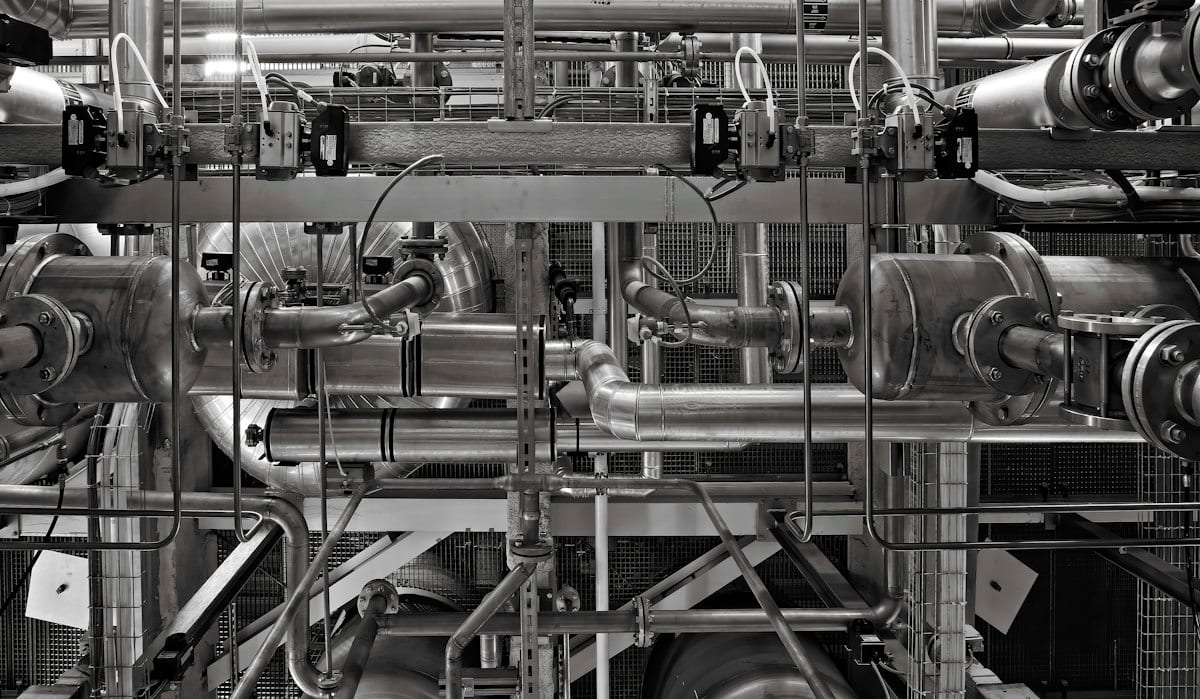
The EU's Trans-European Networks for Energy policy, known as TEN-E, provides public support for companies and public operators developing infrastructure with cross-border importance. Its second priority-project list, published in April 2026, included seventeen CO₂ network projects. Selected projects benefit from dedicated permitting procedures and can apply for Connecting Europe Facility funding, subject to the funding rules. Network promoters can use the shared priority to coordinate the authorities responsible for different parts of a route and seek finance for the connected assets. The case illustrates the public arrangements supporting network development, while promoters remain responsible for securing finance, building the infrastructure and contracting with customers. CDR projects benefit when the completed services provide suitable transport and storage access; priority status alone does not establish that those services are available.
Northern Lights
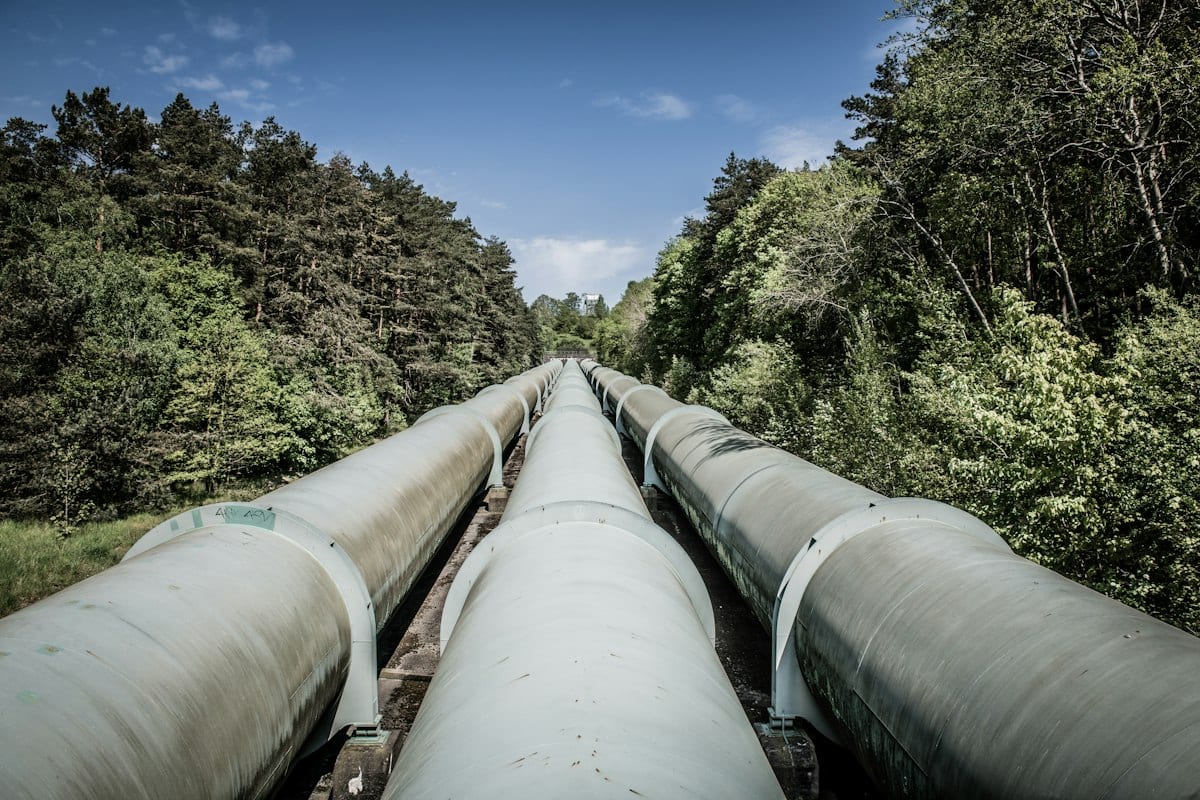
Northern Lights, owned by Equinor, Shell and TotalEnergies, provides shared CO₂ transport and storage services in Norway. First storage was reported in August 2025, connecting ships, receiving facilities, a pipeline and injection wells. Its customers include industrial capture projects and biogenic capture projects, demonstrating how the same infrastructure can support emissions reductions and removals. In March 2025, a contract with Stockholm Exergi for up to 900,000 tonnes of biogenic CO₂ annually supported an investment decision to expand capacity from 1.5 million to at least 5 million tonnes a year. The expansion is expected to be ready in 2028. The case connects a broader customer base with a concrete expansion decision and shows how a Swedish removal project can buy access to an existing Norwegian service.
Aramis and planned cross-border connections
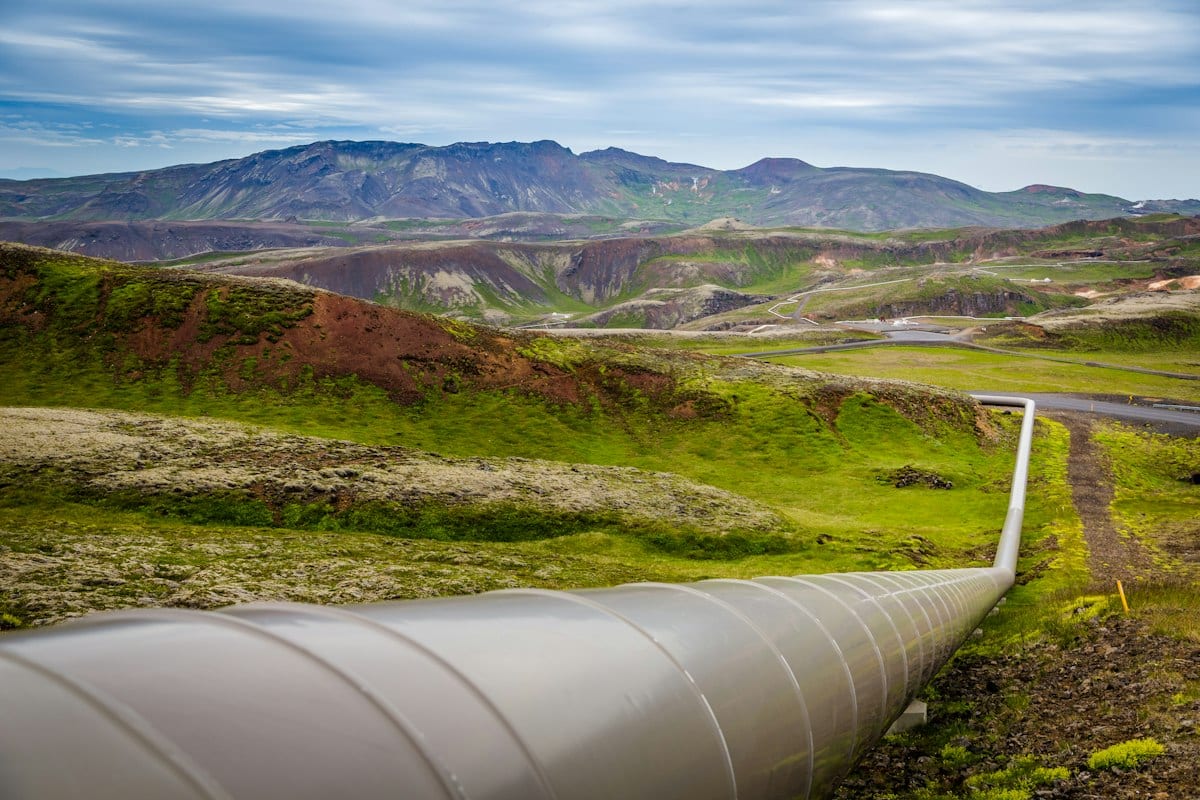
Aramis is a planned network carrying CO₂ from the Rotterdam region to offshore Dutch storage. The Commission's January 2026 project fiche identifies Belgium, Germany, France and the Netherlands as countries concerned. The network combines a proposed approximately 200-kilometre pipeline with shipping-terminal and other transport connections so several sources can use shared storage routes. Its 2026 operator update reports that technical design and key procurement preparation have advanced, with final permits granted but under appeal. It now expects investment decisions in 2027 and operation in 2030. The case illustrates why cross-border service depends on connected assets, public and private partners and compatible schedules. Removal suppliers could use the resulting network where their CO₂ meets its requirements, but the proposed service is still under development.
More System and capacity enablers
Permitting process streamlining
Reorganising how permitting authorities receive and decide project applications.
Cost
Very low to Medium
Complexity
Low to High
Timeline
Very short to Medium
Integrity, transparency & MRV
1–2Innovation & cost reduction
1–2Social & environmental safeguards
1–3Energy, transport & storage infrastructure
1–3Inputs & capacity
1–2Demand formation
N/ABankability and cost of capital
2–3Policy architecture & coordination
2–4
Infrastructure hubs
A shared site bringing electricity, water and CO₂ transport together for several users.
Cost
Medium to Very high
Complexity
Medium to High
Timeline
Medium to Long
Integrity, transparency & MRV
1–2Innovation & cost reduction
2–3Social & environmental safeguards
2–3Energy, transport & storage infrastructure
3–4Inputs & capacity
2–3Demand formation
N/ABankability and cost of capital
2–4Policy architecture & coordination
2–3
Mandatory CO₂ storage capacity target
A legal requirement to provide enough permitted CO₂ storage capacity by a deadline.
Cost
Very low to Low
Complexity
Medium to High
Timeline
Short to Medium
Integrity, transparency & MRV
N/AInnovation & cost reduction
N/ASocial & environmental safeguards
N/AEnergy, transport & storage infrastructure
2–4Inputs & capacity
N/ADemand formation
N/ABankability and cost of capital
2–3Policy architecture & coordination
2–3©2026 Alexander Mäkelä and Carbon Gap.
Except where otherwise indicated, this work is licensed under the Creative Commons Attribution–NonCommercial–ShareAlike 4.0 International Licence.
Headline and barrier scores based on Carbon Gap analysis.