 System and capacity enablers
SHARED CDR RESEARCH AND TESTING HUBS
Lever last updated: 14 September 2026
A shared facility where multiple teams use common CDR laboratories and field sites.
Cost
Medium to High
The implementing actor funds laboratories, field sites, pilot equipment, utilities, specialist staff and continuing operation. A distributed programme using existing assets costs less than a new physical centre.
Complexity
Medium to High
Implementation combines facility design or multi-site coordination, project selection, access contracts, intellectual-property rules, common data protocols, permits, safety, utilities, specialist operation and long-term asset management.
Timeline
Short to Medium
Adapting an existing research centre can begin affecting experiments within one to two years. A new facility or distributed consortium may need two to five years before routine use.
Integrity, transparency & MRV
Innovation & cost reduction
Social & environmental safeguards
Energy, transport & storage infrastructure
Inputs & capacity
Demand formation
Bankability and cost of capital
Policy architecture & coordination
Overview
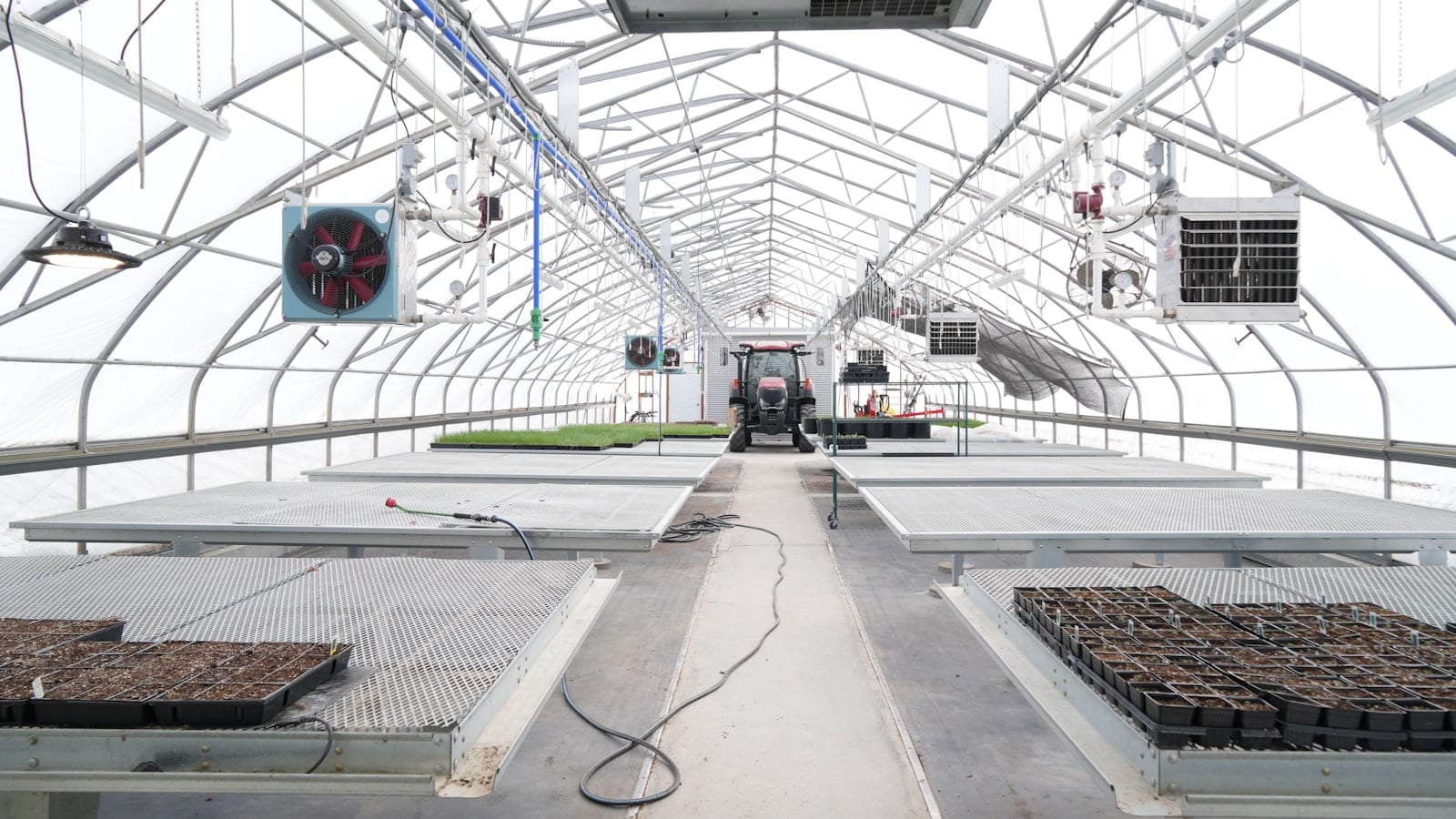
A CDR research, development and innovation hub provides a common place or coordinating institution through which several research teams and companies use shared laboratories, field sites, pilot equipment, data systems and specialist staff. It may be one physical centre or a distributed programme with jointly governed demonstrators and common evaluation. The mechanism reduces the time and cost of testing each project separately and makes performance more comparable. A knowledge network that only exchanges information, an accelerator that coaches companies, and commercial CO₂ transport or storage infrastructure belong under other levers.
Key Considerations
The defining question is which shared capability several credible users need but cannot efficiently build alone. Design choices include a central or distributed facility, eligible users, access prices, project selection, intellectual property, publication, common data and long-term ownership. Equipment and protocols need to support comparable experiments without forcing unlike methods into one test. Permits, utilities, carbon handling, safety and specialist staff have to be ready before use. Governance also needs to manage operator conflicts, continuing costs, regional access, oversubscription and closure if demand does not materialise.
Opportunities
Shared facilities and specialist operators can let several teams test equipment or practices without each building the same capability. Common conditions and measurement systems support comparison, faster iteration and identification of failures before commercial scale. Co-location can connect chemistry, engineering, ecology, measurement and project-development expertise, while a distributed hub can compare methods across real field conditions. Repeated use may train specialists, attract external research and support company formation. These effects depend on open access, competent operation and continuing demand for the facilities.
Risks
A hub can become an expensive facility with too few users or equipment suited to one favoured method. Operator conflicts may distort access, while confidentiality can prevent shared learning. Distributed arrangements can carry a common label without common data or usable assets. Pilot connections may be mistaken for commercial infrastructure, and successful tests may not translate to full scale. Long-lived facilities can also preserve obsolete equipment or compete with private laboratories.
Monitoring and Evaluation
Evaluation should compare forecast and actual users, utilisation, operating cost, access time, pathway coverage, shared data, technical results and safety incidents. Follow-up should show whether participants advanced and whether comparable tests improved decisions. Low use, repeated access disputes or little transferable learning should inform redesign, partnerships or closure.
Stakeholder Engagement
Engagement should establish which shared capability users lack and whether a central or distributed model is justified. Researchers, companies, operators and measurement specialists should test the technical specification and access rules. Funders, host communities, workers, safety and environmental regulators, infrastructure providers and prospective users should scrutinise location, impacts, operating liabilities, data access and the plan after initial funding ends.
Governance Levels
Supranational, national, regional and state research bodies can establish and fund shared facilities within their research powers. Companies and industry groups can own and operate a multi-user centre. The implementing body must control access, operations and continuing resources; hosting experiments or contributing funds alone does not establish that role.
Implementation Strategies
A demand study can identify shared equipment, field conditions and specialist support that several credible users would otherwise duplicate.
A central or distributed model can then match pathway needs, existing assets, regional access and the cost of new construction.
Access, project selection, intellectual property, publication and common data rules can be agreed before equipment is commissioned.
Staged capital and operating commitments can depend on user demand, utilisation, technical results, safety and a funded succession or closure plan.
Case Studies

Deep Sky Alpha
Deep Sky’s private cross-technology centre in Alberta began operating in August 2025. It provides standardised pads for several direct air capture systems, renewable power, water, operators, common instrumentation and downstream CO₂ processing, transport and geological storage. In June 2026, Deep Sky reported its first independently reviewed and registered DAC removal credits. The case demonstrates shared physical capability and comparison across suppliers. First issuance confirms operation, but public evidence does not yet show long-term utilisation, comparative performance or cost reduction.
United States NETL Direct Air Capture Test Center
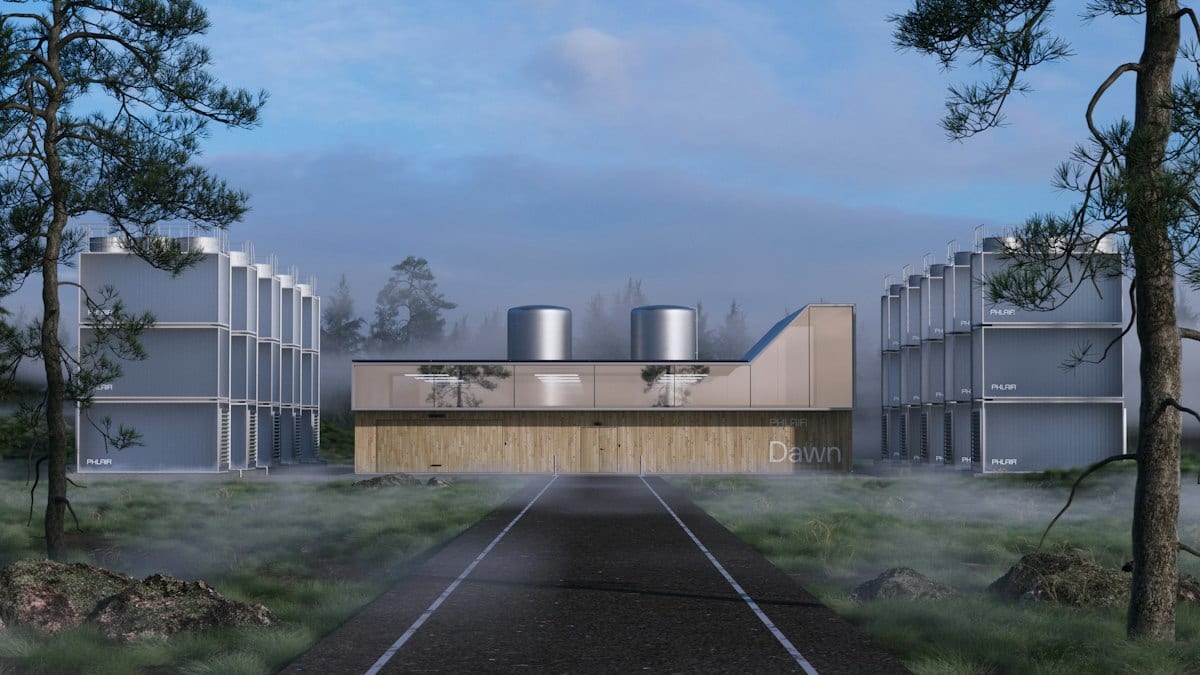
US law directs the Department of Energy to support test centres with distinct capabilities for innovative direct air capture and storage technologies. The Department’s current CDR programme page reports that the NETL Direct Air Capture Test Center has begun material-scale operations. Its mandate includes pilot testing, front-end engineering design and economic analysis for several technologies. The case demonstrates a national facility dedicated to shared CDR testing, although public reporting does not yet identify its external users, completed campaigns, comparative results or effects on commercial cost.
More System and capacity enablers
Cross-border CO₂ networks
Coordinated legal and technical rules letting CO₂ pipelines cross national borders.
Cost
Medium to Very high
Complexity
Medium to Very high
Timeline
Short to Long
Integrity, transparency & MRV
1–2Innovation & cost reduction
1–2Social & environmental safeguards
1–3Energy, transport & storage infrastructure
3–4Inputs & capacity
N/ADemand formation
N/ABankability and cost of capital
2–4Policy architecture & coordination
2–3
Permitting process streamlining
Reorganising how permitting authorities receive and decide project applications.
Cost
Very low to Medium
Complexity
Low to High
Timeline
Very short to Medium
Integrity, transparency & MRV
1–2Innovation & cost reduction
1–2Social & environmental safeguards
1–3Energy, transport & storage infrastructure
1–3Inputs & capacity
1–2Demand formation
N/ABankability and cost of capital
2–3Policy architecture & coordination
2–4
Infrastructure hubs
A shared site bringing electricity, water and CO₂ transport together for several users.
Cost
Medium to Very high
Complexity
Medium to High
Timeline
Medium to Long
Integrity, transparency & MRV
1–2Innovation & cost reduction
2–3Social & environmental safeguards
2–3Energy, transport & storage infrastructure
3–4Inputs & capacity
2–3Demand formation
N/ABankability and cost of capital
2–4Policy architecture & coordination
2–3©2026 Alexander Mäkelä and Carbon Gap.
Except where otherwise indicated, this work is licensed under the Creative Commons Attribution–NonCommercial–ShareAlike 4.0 International Licence.
Headline and barrier scores based on Carbon Gap analysis.