 Integrity and accountability
RULES AND GUIDANCE ON GREEN CLAIMS
Lever last updated: 10 September 2026
Rules governing which environmental claims organisations may make and what evidence must back them.
Cost
Very low to Medium
The authority or code owner pays to develop claims rules, explain them to businesses and monitor their use. Guidance issued through an existing body involves relatively modest costs. Active enforcement requires more resources for investigating complaints, assessing evidence and pursuing misleading claims. Costs increase with the market covered and the intensity of supervision.
Complexity
Low to Medium
Guidance under existing consumer law can draw on established powers and complaint procedures. A voluntary code needs agreement on wording, substantiation and scheme consequences. New binding restrictions may require primary legislation and new capability to check claims, recognise reviewers or coordinate enforcement. The administrative work depends on whether evidence is checked before publication or investigated afterwards; political opposition is considered separately from this rating.
Timeline
Very short to Medium
An existing authority or advertising body could develop guidance and obtain initial changes in marketing within a year of formal initiation. A new voluntary code may need one to two years for consultation, adoption and business preparation. Statutory rules may need two to five years for design, legislation and implementation before firms change claims or face enforceable duties. These are planning estimates for workable routes; stalled negotiations can prevent the intended effect altogether.
Integrity, transparency & MRV
Innovation & cost reduction
Social & environmental safeguards
Energy, transport & storage infrastructure
Inputs & capacity
Demand formation
Bankability and cost of capital
Policy architecture & coordination
Overview
Legislators, consumer authorities and advertising or industry bodies can establish rules explaining which environmental claims organisations may make and what evidence and qualifications those claims require. The lever includes binding restrictions in law, guidance explaining existing legal duties and voluntary codes used by participating businesses. For carbon removal, these rules can distinguish a factual statement about financing a project from a claim about a product's footprint or a company's net-zero performance. Clear, usable requirements help businesses communicate credible purchases and help consumers understand what those purchases achieve. They can also prohibit claims that remain misleading even when the underlying credit is certified. The intervention governs the evidence and presentation of communications; CDR disclosure supplies the underlying information, while a claims taxonomy defines particular named categories and their eligibility requirements.
Key Considerations
The responsible body should explain whether each provision is law, an interpretation of existing law or voluntary practice, and identify who can enforce it. Requirements should address the overall impression of a claim, including its wording, imagery, time period and the activities it covers. Evidence must distinguish actual product performance from compensation through credits purchased elsewhere. The rules should give businesses practical ways to explain legitimate removal commitments and completed purchases, with stronger evidence for more expansive claims. Legislators must also decide whether claims need checking before publication or can be investigated afterwards. That choice affects compliance costs, access to reviewers and the authority's workload. Guidance and voluntary schemes must respect existing legal restrictions, including in markets reached by cross-border advertising.
Opportunities
Shared rules can reduce the time businesses spend determining how to communicate climate action and make credible CDR purchases easier to explain to customers. Practical examples can support first-time buyers as well as experienced advertisers, while enforcement reduces the advantage gained by unsupported claims. Legislation can extend consistent requirements beyond firms that volunteer to follow a code. Voluntary guidance can be tested and updated more quickly, helping establish workable practice before formal regulation. The opportunity is to combine a useful route for truthful communication with meaningful protection against misleading claims; some restrictions will redirect demand away from particular offset uses rather than increase total removal spending.
Risks
Lenient rules can legitimise misleading claims, while disproportionate evidence or checking requirements can deter truthful communication and discourage smaller companies from participating. Divergent national rules can fragment marketing practice, and voluntary guidance has limited effect when businesses can disregard it without consequences. Legislative negotiation can also stall when verification duties and burdens are poorly resolved. The EU's proposed Green Claims Directive remains blocked after negotiations stopped in June 2025, even though the separate Empowering Consumers for the Green Transition Directive was adopted. The experience supports early testing of costs and enforcement capacity, while warning against treating a proposed regime as settled law. Greater legal clarity may change the value of existing credit-based marketing strategies.
Monitoring and Evaluation
Authorities and scheme owners should assess whether audiences understand claims and whether businesses can communicate credible action without disproportionate effort. Repeated samples of advertising, consumer comprehension tests, evidence reviews and corrected claims can reveal recurring problems. Business surveys can identify withdrawals of useful information or barriers faced by smaller advertisers. Complaint volumes should be considered alongside awareness and enforcement activity, since better access to complaints may initially increase reported cases. The findings should inform revisions to examples, checking requirements and enforcement priorities, with attention to both misleading claims and avoidable uncertainty about lawful communication.
Stakeholder Engagement
Consumer authorities and advertising bodies should work with legal experts, consumer organisations and CDR specialists to determine which evidence supports each type of claim. Large and small businesses should test the preparation effort and explain how wording affects purchasing and communication decisions. Independent reviewers can identify verification limits, while regulators in different markets should align interpretations where their laws permit. Public complaint routes should allow audiences to challenge misleading claims.
Governance Levels
Supranational, national and state legislators or consumer authorities can set binding requirements where they hold relevant powers. Existing authorities can explain and enforce those requirements. International bodies and industry associations can issue common principles and voluntary advertising codes, with effect through business adoption or scheme rules. Their guidance does not override applicable law. Municipalities are not generally included as independent claims regulators, and philanthropic support for a code does not by itself make a foundation the actor setting or enforcing it.
Implementation Strategies
The responsible body should identify the claims causing confusion and decide whether guidance, a voluntary code or new legislation is needed. It should publish examples of permitted, qualified and prohibited statements, distinguishing factual removal contributions from claims about product performance or company-wide achievements.
Authorities and code owners should test proposed evidence requirements with businesses of different sizes and with independent reviewers. They should provide a practical route to truthful communication, assess whether advance verification is proportionate and allow preparation time for genuinely new duties.
The responsible body should align wording and evidence with disclosure and certification requirements, while stating which legal restrictions remain controlling. Regulators should coordinate across borders where possible, and voluntary schemes should make clear that their approval cannot override the law.
Authorities and advertising bodies should provide business advice, accessible complaints and procedures to obtain evidence and secure corrections under their actual powers. They should use consumer testing and experience from enforcement to update guidance, including where unclear requirements cause useful communications to disappear.
Case Studies

EU Empowering Consumers for the Green Transition Directive
The EU's Empowering Consumers for the Green Transition Directive, Directive 2024/825, amends consumer-protection law, with national measures applying from 27 September 2026. It prohibits presenting a product as having neutral, reduced or positive greenhouse-gas impacts because emissions are offset elsewhere. The Commission services' June 2026 questions and answers explain that buying high-quality removals does not create an exception to that product-claim restriction. Claims based on actual product lifecycle performance, including carbon stored in biomass-based products, need appropriate evidence. Company-level claims fall outside this particular ban but remain subject to other consumer rules. Businesses can still communicate investments in removal projects transparently. The measure therefore changes the claims a purchase can support, while preserving a route to explain the investment itself. The questions and answers offer preliminary interpretive assistance rather than a binding ruling.
UK Green Claims Code
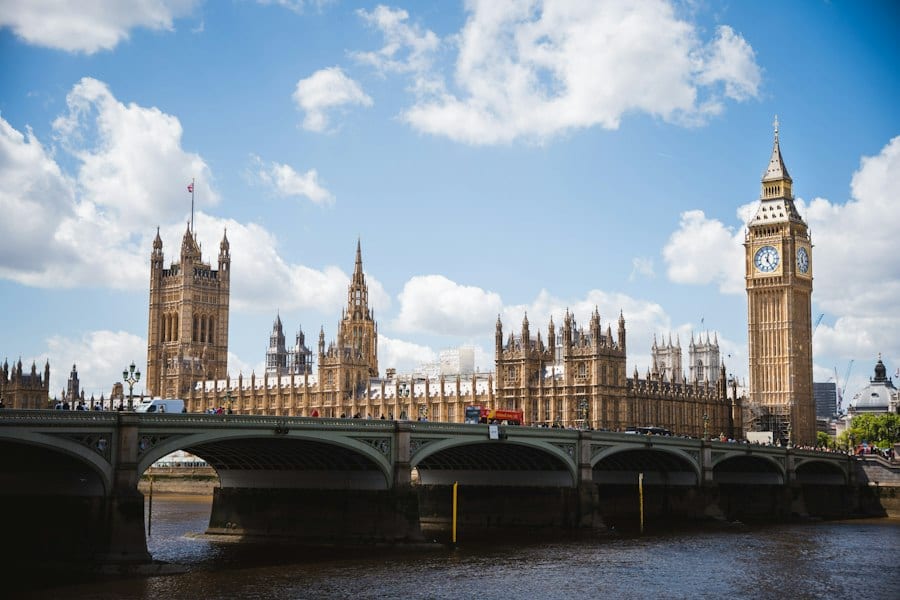
The Competition and Markets Authority, the UK's competition and consumer-protection authority, published its Green Claims Code in September 2021. The code explains how existing consumer law applies to environmental communications through principles covering truthfulness, clarity, omissions, comparisons, lifecycle effects and evidence. Businesses can use it to examine an advertisement before publishing it, while the authority can investigate misleading conduct under its legal powers. The mechanism links practical advice to enforcement of existing duties, helping firms understand both the statement and the evidence they need. For removal buyers, it supports precise descriptions of what has been financed or purchased and which qualifications the audience needs. The code is neither a credit-certification programme nor a guarantee that a particular claim is lawful. Its CDR relevance comes from the general claims discipline it provides.
The stalled EU Green Claims proposal
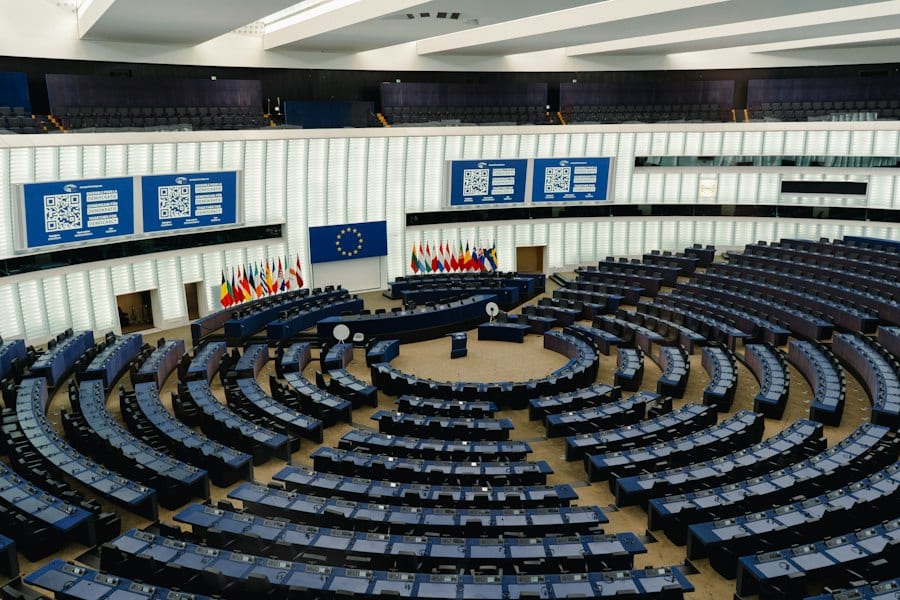
The European Commission proposed a Green Claims Directive in March 2023 to establish more specific requirements for substantiating environmental claims and labels, including independent checking before certain claims were used. It was intended to complement the broader consumer-protection rules amended by the Empowering Consumers for the Green Transition Directive. Negotiations stopped in June 2025 after the Commission announced an intention to withdraw the proposal. The European Parliament's August 2026 legislative tracker records it as blocked and notes that the 2026 Commission Work Programme still lists it as pending. The proposal therefore provides no adopted verification regime. The unresolved design illustrates the trade-off between stronger substantiation and the cost and practicality of checking claims, especially for smaller businesses. CDR guidance should clarify current obligations while testing additional requirements before depending on an unsettled legislative proposal.

International Chamber of Commerce environmental marketing guidance
The International Chamber of Commerce is a global business organisation that develops common rules and guidance for commercial practice. Its 2025 Framework for Responsible Environmental Marketing Communications updates guidance aligned with its advertising code, including climate-related claims. An accompanying checklist asks marketers to examine the claim's scope, appropriate scientific evidence and whether the audience can understand the information without exaggerated conclusions. This gives companies and advertising agencies a shared voluntary process to use before publication, even where no CDR-specific claims law exists. For removal communications, it can help distinguish a supported project-level statement from an unsupported claim about an entire product or company. The framework does not prescribe one global technical standard or replace national law. I
More Integrity and accountability

Measurement, reporting and verification protocols
A common rulebook specifying how projects must measure, report and verify their removals.
Cost
Very low to Low
Complexity
Low to High
Timeline
Short to Medium
Integrity, transparency & MRV
3–5Innovation & cost reduction
1–2Social & environmental safeguards
1–2Energy, transport & storage infrastructure
N/AInputs & capacity
1–2Demand formation
1–2Bankability and cost of capital
1–2Policy architecture & coordination
2–4
Certification schemes
Independent assurance that a removal project and its results meet defined quality standards.
Cost
Very low to Medium
Complexity
Low to High
Timeline
Short to Medium
Integrity, transparency & MRV
3–4Innovation & cost reduction
1–2Social & environmental safeguards
2–4Energy, transport & storage infrastructure
N/AInputs & capacity
1–2Demand formation
1–2Bankability and cost of capital
1–3Policy architecture & coordination
2–4
Carbon credit legal status
Legislation or guidance clarifying what legal rights a carbon credit holder actually has.
Cost
Very low to Low
Complexity
Low to High
Timeline
Short to Medium
Integrity, transparency & MRV
2–3Innovation & cost reduction
N/ASocial & environmental safeguards
N/AEnergy, transport & storage infrastructure
N/AInputs & capacity
N/ADemand formation
1–3Bankability and cost of capital
2–3Policy architecture & coordination
3–4©2026 Alexander Mäkelä and Carbon Gap.
Except where otherwise indicated, this work is licensed under the Creative Commons Attribution–NonCommercial–ShareAlike 4.0 International Licence.
Headline and barrier scores based on Carbon Gap analysis.