 Capital formation and risk sharing
PUBLIC PROCUREMENT OF CDR
Lever last updated: 10 September 2026
Direct government purchase of verified removals, with units owned or retired by the public buyer.
Cost
Low to Very High
The public buyer pays programme administration and the full purchase price. Total cost scales with volumes and average removal costs.
Complexity
Low to Medium
Public buyers need budget and procurement authority, eligible-removal methods, a unit registry, due diligence capabilities, independent verification, foreign-credit rules, contract enforcement and coordination among finance, climate and purchasing bodies. Primary legislation may not be needed.
Timeline
Short to Medium
Buyers can sign within one to two years where suppliers and accepted methods exist. New programmes may need two to five years to create eligibility frameworks, run through a bidding process, and make awards.
Integrity, transparency & MRV
Innovation & cost reduction
Social & environmental safeguards
Energy, transport & storage infrastructure
Inputs & capacity
Demand formation
Bankability and cost of capital
Policy architecture & coordination
Overview
A public body buys verified carbon dioxide removal from selected suppliers and owns or retires the resulting units. Contracts may pay after delivery or commit to future tonnes, giving projects revenue while creating direct public demand. Unlike a carbon contract for difference, the buyer pays the full price and receives the unit. Unlike an advance market commitment, procurement makes an actual award rather than only promising future demand. Unlike an offtake guarantee, the public body is the buyer, not a backstop.
Key Considerations
Public procurement design begins with establishing intent and answering whether the public buyer is neutralising its own residual emissions, helping meet a national target, or developing an early market? Answers to these questions can help inform considerations around eligible removal methods, quantities, delivery years and contract length. Every purchased tonne should represent net atmospheric removal after lifecycle emissions, with clear storage duration, independent verification, reversal responsibility and public registry records. Tender rules should balance price, quality and a diverse supplier base. Contracts must state when payment occurs, what happens after non-delivery, who owns and retires the unit, and how domestic and foreign removals avoid double claiming.
Opportunities
Public procurement can give early CDR suppliers a credible buyer when private demand is too small or uncertain. Forward contracts can help projects attract investment, while delivered purchases provide operating revenue. Competitive rounds can help uncover market prices and delivery capability across removal methods, helping later buyers write better contracts and quality rules. A transparent portfolio can also widen the supplier base and demonstrate how public institutions reduce their own emissions first, purchase removals for the remainder and retire each unit without duplicate claims.
Risks
Short contracts or payment only after delivery may not finance new facilities. Weak competition can overpay favoured methods, while complex tenders can exclude small suppliers. Without contractual safeguards, non-delivery, reversal or duplicate claims can waste public funds. Using purchases against avoidable public emissions can also weaken incentives to reduce them first.
Monitoring and Evaluation
The purchasing body should publish bids, awards, prices, contracted and delivered tonnes, payments, retirements, suppliers, methods, delays, verification failures and reversals. These results show whether spending is creating additional removals and a broader supplier base. Low competition should change lot sizes or price caps. Non-delivery or integrity failures should tighten eligibility, verification and contract remedies.
Stakeholder Engagement
Public buyers should ask CDR suppliers what volumes, delivery dates and prices are realistic before tendering. Procurement and finance bodies should shape budgets and drive competitive biddings. Standards bodies, registries and verifiers help define and ensure evidence.
Governance Levels
National governments are best placed for significant purchases, holding the budgets and the climate mandates the contracts draw on. The supranational actors can coordinate or fund joint procurement, pooling demand the way the EU already aggregates vaccine and gas purchasing. Municipal buyers can run smaller programmes for their own emissions, and city purchases have supplied some of the market’s earliest public demand.
Implementation Strategies
Set the programme’s purpose, buyer, budget, volumes, residual-emissions role and ownership or retirement claim.
Consult suppliers, then publish eligible methods, durability, delivery years, lot sizes, scoring, verification, safeguards and maximum spending.
Build a portfolio across suppliers, removal types and storage durations to spread delivery risk. Assess temporary and permanent storage separately rather than treating their tonnes as interchangeable.
Pay after verified delivery, publish results and revise terms before the next round. Use secured advances only when financing new projects.
Adjust procurement volumes or prices in future rounds based on market response and cost trajectories.
Coordinate across agencies or even internationally (leverage pooled procurement efforts) to increase volume and share learnings.
Case Studies
Canada’s CDR standing-offer procurement
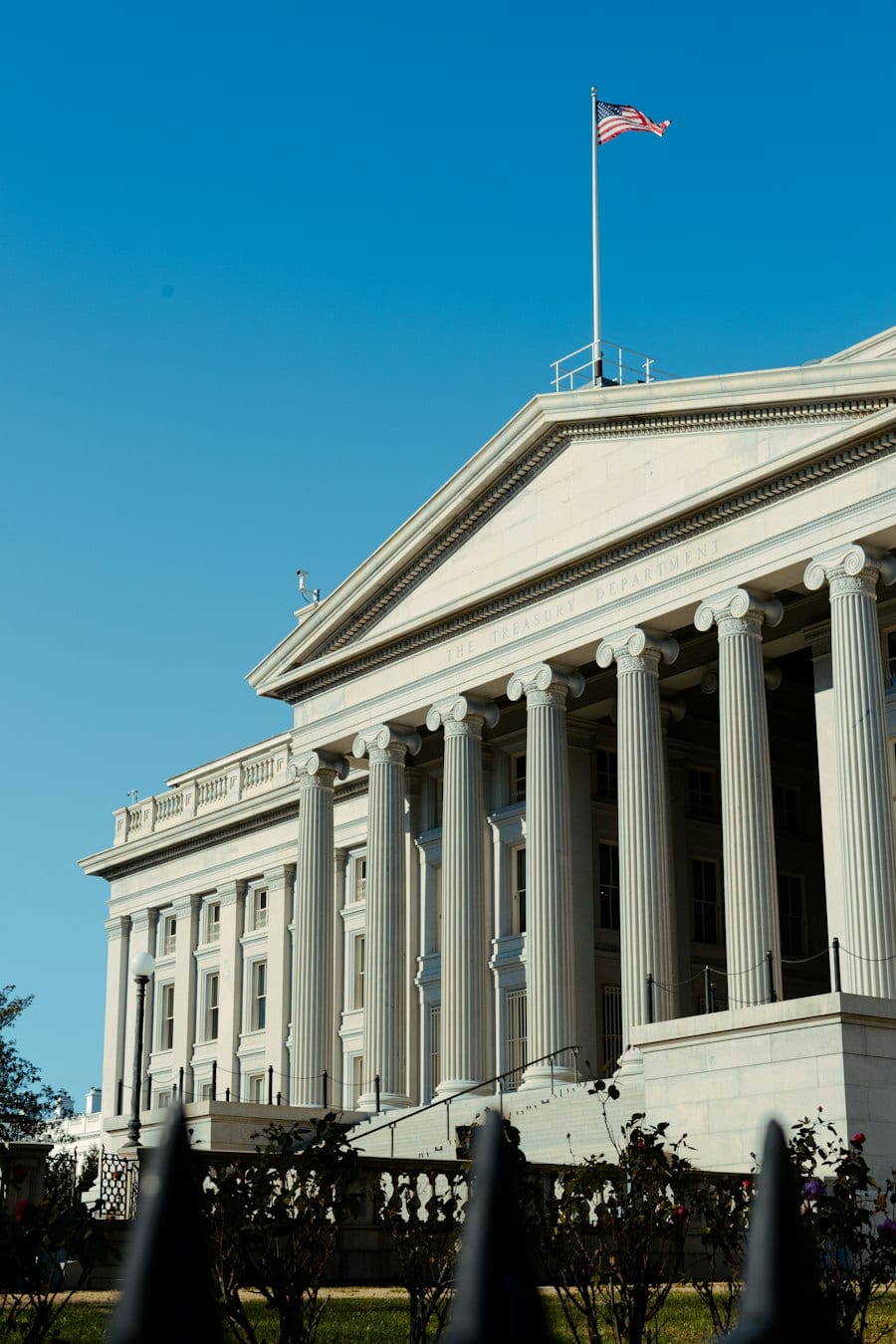
Canada committed in October 2024 to purchase at least CAD10 million of CDR services by 2030. After consultation, it opened a request for standing offers in March 2026 for five Canadian pathways, each with a separate competition. Any standing offer could run until March 2029. Bidding closed on 11 May 2026, and the official notice listed no award as of August 2026. The case study demonstrates method-specific portfolio design, but neither the tender nor a standing-offer award is a purchase.

United States CDR Purchase Pilot Prize
The US Department of Energy selected 24 Phase 1 semifinalists in May 2024 across direct air capture, biomass storage, mineralisation and managed sinks. Each received USD50,000 to develop a purchase contract, and up to ten projects were intended to receive later agreements worth up to USD3 million each. The official competition page now lists its status as “Continuation pending administration guidance” and reports no Phase 2 award, purchase agreement or delivered unit. The case demonstrates useful supplier selection and contract development.
Swiss Climate Cent Foundation
In May 2022, Switzerland and the Climate Cent Foundation agreed how CHF50–70 million of assets would be used through 2032. Raised through a levy on fuel imports, the money would support projects removing CO₂ from the air or capturing and storing it at industrial sites. After a 2022 call, the Foundation signed five funding agreements in August 2023. By August 2026, one project was cancelled and four continued, with expected funding of CHF32 million and facilities operating. The arrangement supports CDR, but uses Foundation funds under government direction rather than public procurement. Purchases had been contracted, while credit deliveries remained outstanding. Neustark expected the first credit deliveries from its BEST project in 2026, subject to certification
More Capital formation and risk sharing

Advance market commitments
A binding promise to buy a set volume of removals at an agreed price once suppliers deliver.
Cost
Low to Very high
Complexity
Medium to High
Timeline
Very short to Medium
Integrity, transparency & MRV
2–4Innovation & cost reduction
2–5Social & environmental safeguards
1–3Energy, transport & storage infrastructure
N/AInputs & capacity
N/ADemand formation
3–5Bankability and cost of capital
3–5Policy architecture & coordination
1–3
Carbon contracts for difference (CCfDs)
A guaranteed price per verified tonne that tops up revenue when the market price falls short.
Cost
Low to Very high
Complexity
High
Timeline
Short to Medium
Integrity, transparency & MRV
2–3Innovation & cost reduction
2–4Social & environmental safeguards
1–3Energy, transport & storage infrastructure
N/AInputs & capacity
N/ADemand formation
2–4Bankability and cost of capital
4–5Policy architecture & coordination
2–4
Publicly supported currency hedging
Public backing enabling a specialist provider to offer currency hedges CDR developers can't get commercially.
Cost
Low to Medium
Complexity
Low to High
Timeline
Very short to Medium
Integrity, transparency & MRV
N/AInnovation & cost reduction
N/ASocial & environmental safeguards
N/AEnergy, transport & storage infrastructure
N/AInputs & capacity
N/ADemand formation
1–2Bankability and cost of capital
3–4Policy architecture & coordination
1–2©2026 Alexander Mäkelä and Carbon Gap.
Except where otherwise indicated, this work is licensed under the Creative Commons Attribution–NonCommercial–ShareAlike 4.0 International Licence.
Headline and barrier scores based on Carbon Gap analysis.