 Integrity and accountability
PUBLIC METROLOGY AND REFERENCE MEASUREMENT
Lever last updated: 10 September 2026
Public funding for the measurement science and reference standards removal verification depends on.
Cost
Very low to Medium
Extending a public laboratory’s existing calibration service can use a small team and established equipment. New programmes covering several removal methods require additional laboratories, reference materials, comparisons and continuing support.
Complexity
Low to Medium
Existing laboratories can extend established calibration and quality procedures. New programmes need additional administrative capability for laboratory comparisons, reference-material supply, technical support and coordination with certification bodies.
Timeline
Very short to Medium
Existing laboratories can apply suitable references and improve project measurements within a year. New methods may require two to five years of trials and validation before projects and verifiers can use them.
Integrity, transparency & MRV
Innovation & cost reduction
Social & environmental safeguards
Energy, transport & storage infrastructure
Inputs & capacity
Demand formation
Bankability and cost of capital
Policy architecture & coordination
Overview
Public metrology and reference measurement programmes fund the science and shared services needed to measure carbon removal reliably. Metrology means the science of measurement. Governments support specialist institutes that develop reference materials with known properties, agreed measurement methods and comparisons between laboratories. For example, laboratories can use a gas mixture with a known CO₂ concentration to check whether their instruments read correctly. Removal projects can then use measurements that buyers and verifiers can compare and trust, instead of each organisation developing its own standards. This supports more reliable estimates of carbon stored and better testing of new methods; calculating the net removal still requires project-specific accounting of emissions and losses.
Key Considerations
Priorities should follow the measurements that most affect credible removal estimates or safe operation. These can include the amount of CO₂ passing through a pipe, carbon in soil or biochar, and changes in ocean chemistry. Measurements of carbon isotopes, forms of carbon atoms with different masses, can help investigate its source. Sampling methods determine whether a few observations represent a whole field, material batch or site. Calibration compares an instrument’s readings with a reference of known accuracy, allowing laboratories to relate results to the same standard. Institutes need continuing funding, quality checks and access arrangements. Certification rules should explain how improved methods and later revisions affect project calculations.
Opportunities
Shared measurement methods and reference materials can reduce the need for each country, scheme or developer to repeat the same laboratory research. More accurate measurements can narrow the uncertainty in removal estimates and reduce precautionary deductions where certification rules discount uncertain quantities. Independent laboratory comparisons can reveal errors and help resolve disagreements between developers, buyers and verifiers. Research into difficult measurements can also help new removal methods demonstrate their performance. Where the programme covers environmental monitoring, better methods can improve the detection of contamination or other changes around a project.
Risks
Short-term research grants may pay to develop a reference material without funding the checks and services needed to keep it usable. New removal methods may also be deployed before reliable measurement methods exist, leaving assessors dependent on uncertain assumptions. Results from different countries can be difficult to compare if laboratories use incompatible standards. Projects may lack the equipment or trained staff needed to apply improved methods. Even a highly accurate instrument can support a misleading estimate if samples are unrepresentative or the calculation omits important emissions and losses.
Monitoring and Evaluation
Institutes should assess measurement uncertainty, the stability of reference materials, differences between laboratory results and use of their methods by removal projects. Evaluators should examine whether improvements change credited quantities, operating decisions, environmental monitoring or dispute resolution. These findings can guide continued funding, technical support and the next research priorities.
Stakeholder Engagement
Measurement institutes should develop and maintain the reference materials and methods, with international bodies coordinating comparisons between laboratories. Certification-scheme designers and scientists can identify uncertainties that materially affect removal estimates or environmental monitoring. Instrument suppliers and project operators should test practical use, while laboratories identify equipment, calibration and training needs that could prevent adoption.
Governance Levels
National institutes maintain primary measurement standards, while international bodies coordinate comparisons and common reference scales. Supranational institutions can fund joint research. Regional/State and local authorities can operate public calibration and reference services using those standards, as NIST’s work with state and local metrology laboratories demonstrates. Extending these services to relevant CDR measurements requires appropriate technical competence. Commercial laboratories can deliver contracted services, and philanthropies can fund development, without either role automatically making them responsible for the public programme or primary national scale.
Implementation Strategies
Governments should give existing measurement institutes a clear removal-measurement mandate and funding that covers continuing services as well as initial research. The programme should specify who will use each planned method or reference material.
Research priorities should follow the uncertainties that most constrain credible certification, technical development or environmental monitoring. Institutes can work with project operators to test whether proposed improvements will resolve those practical problems.
Institutes should compare their reference materials and methods with other laboratories and publish the accuracy achieved. Guidance should explain how users calibrate instruments and whether revisions require earlier measurements to be recalculated.
Certification-scheme designers should specify the accepted measurement methods and the treatment of uncertainty. Laboratories and suppliers can provide the equipment, training and calibration services needed for projects to use those methods consistently.
Case Studies

NOAA and the WMO CO₂ reference scale
The US National Oceanic and Atmospheric Administration, a federal science agency, maintains the World Meteorological Organization's reference scale for atmospheric CO₂ measurements. Its X2019 revision, released in February 2021, updated the values assigned to calibration gases and provided a basis for revising earlier results. Laboratories use gases with accurately known concentrations to check their instruments, allowing observations from different stations and years to be compared on a common basis. Maintaining and updating that reference is a continuing public service used across an international observation network. CDR measurement can use the same approach to comparability, while additional analysis establishes how much of an observed change was caused by a removal project.

NIST carbon reference materials
The US National Institute of Standards and Technology is a public measurement and standards agency. Its carbon dioxide measurement and reference-material programme develops gas mixtures and other materials with known properties for checking instruments and laboratory methods. Its work covers atmospheric observations, industrial gas streams, ocean-carbon measurements and carbon isotopes, forms of carbon that can help investigate its source. Providing common references allows researchers, regulators and companies to test whether their measurements agree with an independently established value. Removal developers can use relevant materials to improve evidence for their projects without recreating the underlying reference research. Project accounting must still define what is measured, how samples are selected and how the results support the removal estimate.
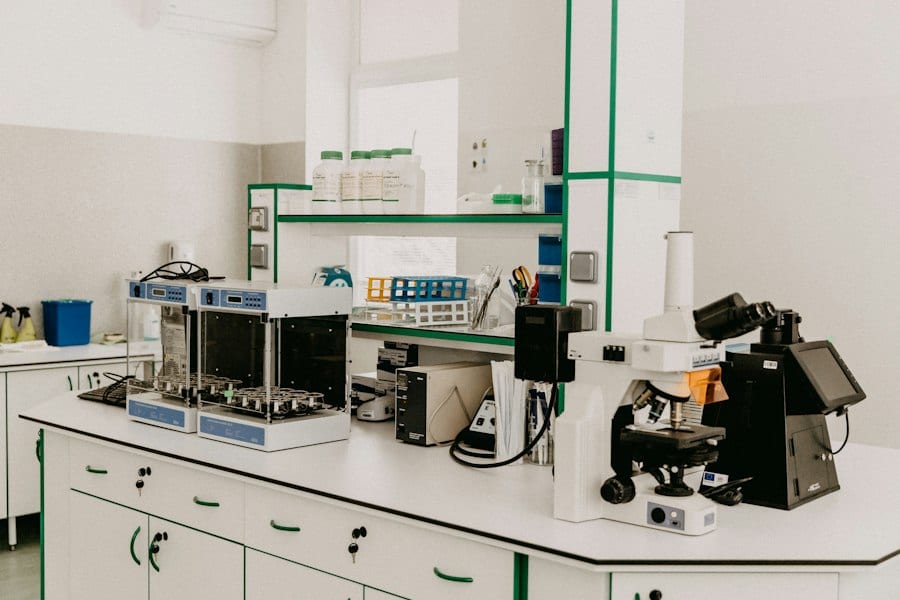
NPL measurement support for carbon capture and storage
The National Physical Laboratory is the UK's national measurement institute. Its carbon capture, usage and storage programme includes methods for sampling CO₂ streams, analysing impurities and checking gas-measurement instruments against reference materials. These services help capture plants and transport or storage operators agree whether gas meets the quality requirements for entering a pipeline or being stored. Reliable, comparable tests can therefore resolve a practical obstacle when several companies share the same CO₂ system. Direct air capture and bioenergy projects using geological storage face similar gas-quality requirements. The programme supplies relevant measurement methods for those projects, although testing gas composition alone does not determine the total net removal achieved.
More Integrity and accountability

Measurement, reporting and verification protocols
A common rulebook specifying how projects must measure, report and verify their removals.
Cost
Very low to Low
Complexity
Low to High
Timeline
Short to Medium
Integrity, transparency & MRV
3–5Innovation & cost reduction
1–2Social & environmental safeguards
1–2Energy, transport & storage infrastructure
N/AInputs & capacity
1–2Demand formation
1–2Bankability and cost of capital
1–2Policy architecture & coordination
2–4
Certification schemes
Independent assurance that a removal project and its results meet defined quality standards.
Cost
Very low to Medium
Complexity
Low to High
Timeline
Short to Medium
Integrity, transparency & MRV
3–4Innovation & cost reduction
1–2Social & environmental safeguards
2–4Energy, transport & storage infrastructure
N/AInputs & capacity
1–2Demand formation
1–2Bankability and cost of capital
1–3Policy architecture & coordination
2–4
Carbon credit legal status
Legislation or guidance clarifying what legal rights a carbon credit holder actually has.
Cost
Very low to Low
Complexity
Low to High
Timeline
Short to Medium
Integrity, transparency & MRV
2–3Innovation & cost reduction
N/ASocial & environmental safeguards
N/AEnergy, transport & storage infrastructure
N/AInputs & capacity
N/ADemand formation
1–3Bankability and cost of capital
2–3Policy architecture & coordination
3–4©2026 Alexander Mäkelä and Carbon Gap.
Except where otherwise indicated, this work is licensed under the Creative Commons Attribution–NonCommercial–ShareAlike 4.0 International Licence.
Headline and barrier scores based on Carbon Gap analysis.