 Capital formation and risk sharing
PUBLIC INVESTMENT IN SHARED CDR INFRASTRUCTURE
Lever last updated: 10 September 2026
Public capital for shared assets — pipelines, ships, storage hubs — that multiple removal projects depend on.
Cost
Medium to Very high
Public funders pay for planning, construction, financing support and sometimes unused capacity. A local shared connection may have medium sized costs while cross-border transport and storage networks can require very high capital commitments.
Complexity
Medium to Very high
Implementation requires storage law, permits, source classification, lifecycle accounting, metering, verification, access regulation, liability and enforcement. Cross-border networks require transport and accounting rules and coordination among governments, regulators, funders and operators.
Timeline
Short to Medium
A local connection with users may reach a contract or construction within two years. A cross-border network may need three to five years to align funding, permits, access rules, users and storage.
Integrity, transparency & MRV
Innovation & cost reduction
Social & environmental safeguards
Energy, transport & storage infrastructure
Inputs & capacity
Demand formation
Bankability and cost of capital
Policy architecture & coordination
Overview
Public investment in shared CDR infrastructure uses grants, concessional loans, guarantees, equity or direct spending to build purpose-built assets for several carbon-management projects. These include CO₂ pipelines, ships, terminals, injection wells and shared energy or water connections. A network may serve CDR alongside projects that capture fossil CO₂ or use CO₂ in products, increasing throughput and reducing early underuse. Source records must remain separate, and only net atmospheric or sustainable biogenic CO₂ stored durably counts as removal. The lever addresses the shared asset, regardless of financing instrument. It excludes individual removal plants and ordinary infrastructure upgrades.
Key Considerations
Planning starts with credible users, volumes, connection dates and whether shared infrastructure is better than separate facilities. Capacity can be built in stages so taxpayers do not finance a network before demand exists. Agreements should cover open access, equipment, charges, expansion, unused capacity, overruns, closure and storage liability. Mixed networks need meters and records that follow CO₂ streams from source to destination. CO₂ used in products or industrial processes counts as removal only if lifecycle accounting shows durable storage. Routes, terminals and storage sites require permits, safety and emergency planning, meaningful community engagement and consent where rights require it.
Opportunities
Sharing pipelines, terminals, storage sites or dedicated energy and water connections can avoid every project building the same expensive assets. Combining CDR with fossil-source capture and projects that use captured CO₂ can increase early throughput, reduce unused capacity and spread fixed costs across more users. Open access may give smaller removal suppliers a route to suitable storage they could not finance alone. These assets enable removal supply and may improve project finance, but produce no removals unless qualifying projects connect and operate.
Risks
Demand may arrive later or at lower volumes than forecast, leaving the public with an oversized or unused asset. Mixed networks can prolong fossil operations or support misleading removal claims if source and destination records are weak. An operator may discriminate among users or impose unaffordable charges. Cost overruns, leakage, unclear closure duties and guarantees can shift private losses to taxpayers, while routes and storage sites can impose safety, land and environmental burdens on communities.
Monitoring and Evaluation
Evaluation should compare spending and construction with agreed milestones, then examine capacity, signed users, actual use, access charges, safety and local effects. Records should distinguish fossil, atmospheric and biogenic CO₂ and show whether it was used or stored. Persistent underuse, discrimination, cost escalation, leakage or community harm should inform withheld funding, resizing, redesign or cancellation.
Stakeholder Engagement
Engagement should establish where shared assets are needed, how much capacity credible projects require and when they could connect. Removal suppliers, industrial capture projects and companies using captured CO₂ need to participate alongside transport and storage operators. Host communities, landowners, ports, engineers and safety, environmental and storage regulators should shape routes, access, liability, emergency plans and funding milestones.
Governance Levels
International development banks and supranational institutions can invest across borders and coordinate networks that no single country can finance or regulate alone. National governments control major infrastructure funding, storage law and cross-border arrangements. Regional and state authorities can invest in corridors within their territory, while municipalities can act through publicly controlled ports, land or local infrastructure companies. These levels may combine capital and authority, but private operators remain contractors or co-investors rather than the public actor pulling this lever.
Implementation Strategies
Map removal projects, fossil-source capture and companies that use captured CO₂, together with volumes, routes, storage sites and connection dates.
Stage investment so initial assets serve users with signed agreements and later expansion depends on permits, demand and construction milestones.
Funding and operating agreements should settle open access, charges, compatible equipment, source tracking, capacity expansion, liability and closure before building begins.
Published costs, use by CO₂ source, safety and community effects should inform whether later stages proceed, shrink or stop.
Case Studies
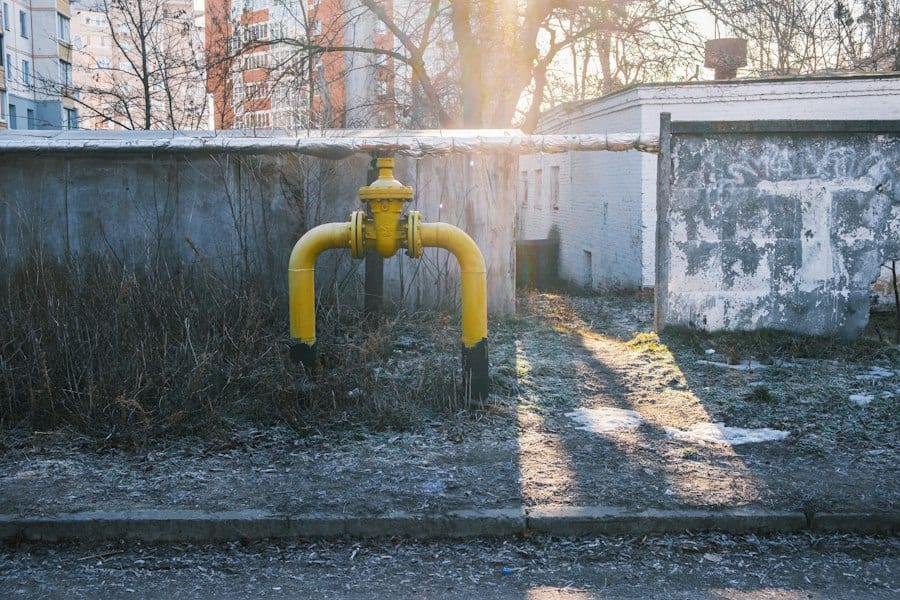
Connecting Europe Facility Energy CO₂ Networks
Since 2019, the EU's Connecting Europe Facility Energy has invested more than EUR 978 million in 28 CO₂-network studies and construction projects. Ten agreements signed in 2025 added about EUR 240 million for pipelines, terminals, compressors and cross-border planning. Most supported networks serve industrial carbon capture rather than CDR, and many assets remain under development. The programme nevertheless shows how supranational funding can coordinate shared links across projects and countries, while capture facilities and demand for verified removals still require separate support.
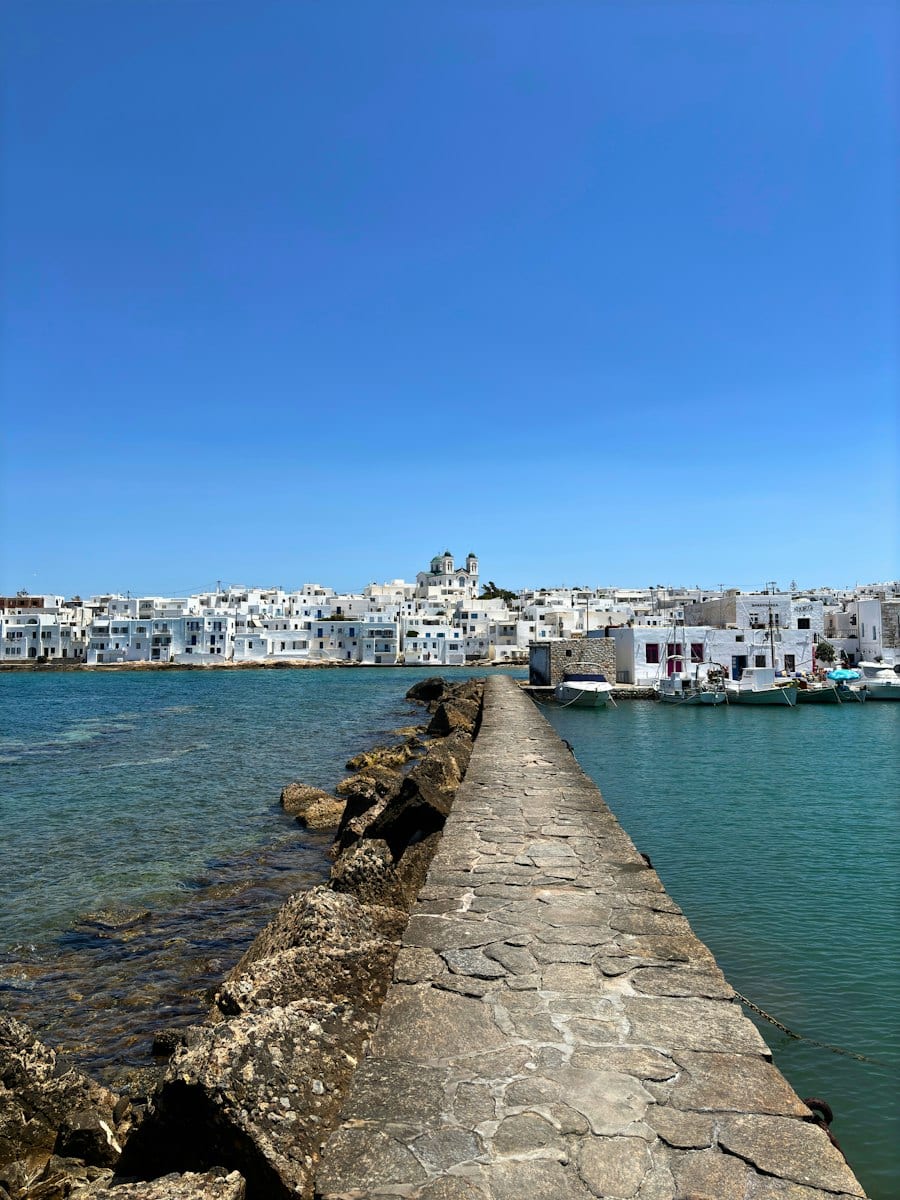
European Bank for Reconstruction and Development Prinos Investment
The European Bank for Reconstruction and Development approved an equity investment of up to EUR 75 million in December 2025 for the planned Prinos storage hub in Greece. The EUR 918 million project would convert a nearly depleted offshore field into a third-party storage site with capacity of up to three million tonnes a year. The bank's project page currently lists the investment as approved, not signed. Prinos is designed mainly for industrial fossil-source CO₂, making it a CCS analogue rather than CDR delivery. It shows how an international public investor can carry early development risk for shared storage.
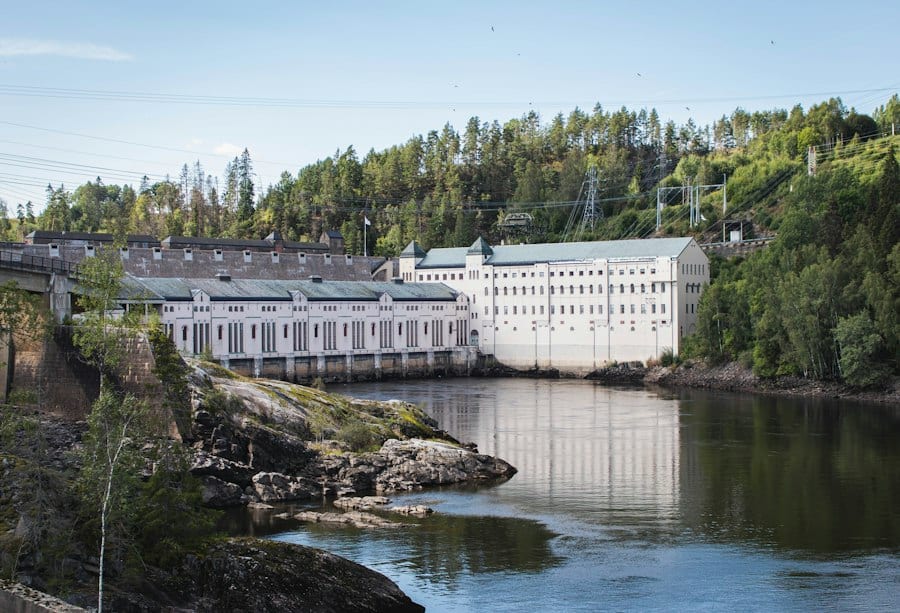
Northern Lights Shared Transport and Storage
Norway funded Northern Lights as the shared shipping, terminal, pipeline and offshore-storage part of Longship. The system stored its first CO₂ from a cement plant in August 2025, so its operating result is industrial carbon capture rather than removal. In March 2025 the owners committed to expand annual capacity from 1.5 million to at least five million tonnes after signing a 15-year agreement with Stockholm Exergi for biogenic CO₂ from 2028. The case shows how mixed users can de-risk expansion.
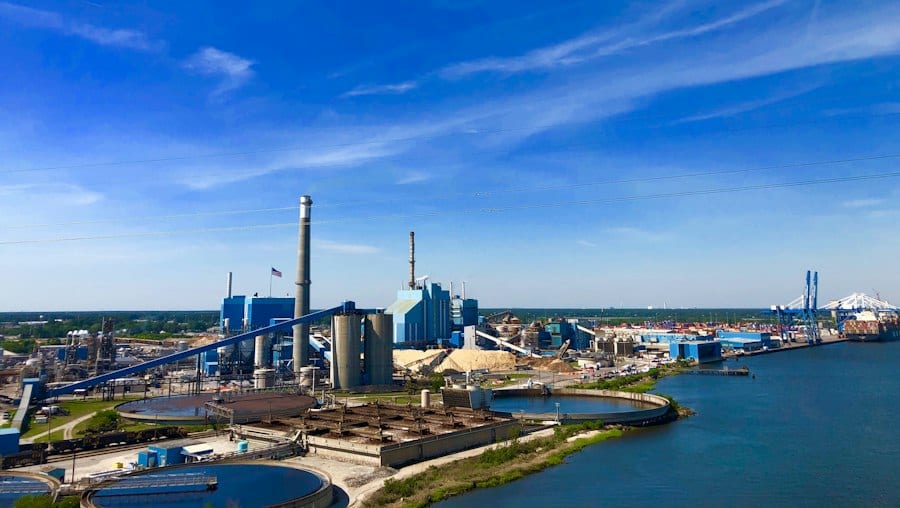
United States Regional Direct Air Capture Hubs
Congress created the USD 3.5 billion Regional Direct Air Capture Hubs programme in 2021 to develop four hubs linking air capture with CO₂ transport and storage. In 2024, DOE awarded initial USD 50 million phases to Project Cypress and South Texas. Project Cypress would combine Climeworks and Heirloom facilities in one hub; South Texas could expand into a regional carbon network. Reuters reported in April 2026 that DOE preserved both awards after review, but neither hub operated and only initial funds had been drawn. This is direct CDR evidence, although the programme also pays for individual capture plants, so only partly illustrates shared infrastructure investment.
More Capital formation and risk sharing

Advance market commitments
A binding promise to buy a set volume of removals at an agreed price once suppliers deliver.
Cost
Low to Very high
Complexity
Medium to High
Timeline
Very short to Medium
Integrity, transparency & MRV
2–4Innovation & cost reduction
2–5Social & environmental safeguards
1–3Energy, transport & storage infrastructure
N/AInputs & capacity
N/ADemand formation
3–5Bankability and cost of capital
3–5Policy architecture & coordination
1–3
Carbon contracts for difference (CCfDs)
A guaranteed price per verified tonne that tops up revenue when the market price falls short.
Cost
Low to Very high
Complexity
High
Timeline
Short to Medium
Integrity, transparency & MRV
2–3Innovation & cost reduction
2–4Social & environmental safeguards
1–3Energy, transport & storage infrastructure
N/AInputs & capacity
N/ADemand formation
2–4Bankability and cost of capital
4–5Policy architecture & coordination
2–4
Publicly supported currency hedging
Public backing enabling a specialist provider to offer currency hedges CDR developers can't get commercially.
Cost
Low to Medium
Complexity
Low to High
Timeline
Very short to Medium
Integrity, transparency & MRV
N/AInnovation & cost reduction
N/ASocial & environmental safeguards
N/AEnergy, transport & storage infrastructure
N/AInputs & capacity
N/ADemand formation
1–2Bankability and cost of capital
3–4Policy architecture & coordination
1–2©2026 Alexander Mäkelä and Carbon Gap.
Except where otherwise indicated, this work is licensed under the Creative Commons Attribution–NonCommercial–ShareAlike 4.0 International Licence.
Headline and barrier scores based on Carbon Gap analysis.