 Capital formation and risk sharing
PUBLIC DEVELOPMENT, OWNERSHIP AND OPERATION OF CDR
Lever last updated: 10 September 2026
Direct government development, ownership or operation of removal facilities where the market won't build them.
Cost
Low to Very high
A small minority stake may be Low, while a large publicly built facility can be Very high. The public body pays development, construction, operation, oversight and closure costs.
Complexity
Medium to High
A strategic stake requires valuation, governance rights and public investment approval. Direct development also needs procurement, permits, technical staff, lifecycle accounting, contractor oversight, revenue systems and closure arrangements.
Timeline
Short to Medium
A strategic stake in a prepared project can change financing within one to two years. Developing a new public facility may require two to five years before procurement or construction begins.
Integrity, transparency & MRV
Innovation & cost reduction
Social & environmental safeguards
Energy, transport & storage infrastructure
Inputs & capacity
Demand formation
Bankability and cost of capital
Policy architecture & coordination
Overview
A public body can develop a CDR facility itself, own it outright or take a strategic stake in the company that builds it. It may operate the facility or hire private companies to design, construct and run it. Governments use similar models for energy, water, waste and transport when private investors will not carry the full risk or when continuous service, public control and long-term planning matter. For CDR, ownership can move a project forward, secure access to its data and influence major decisions. Passive investments made mainly for financial return belong under the public or blended investment fund lever.
Key Considerations
Public development is most useful when private investors will not accept a project’s construction, performance or long-term liability risks, when removal must be integrated into a public service, or when government needs control over continuity, data or expansion. Designers must choose full or partial ownership, capital contributions, voting and information rights, contractors, and responsibility for overruns and closure. The complete removal chain needs permits, energy, inputs, transport, storage and operators. Where a facility also provides heat, power or waste treatment, lifecycle accounting must isolate the removal activity so the ordinary service is not mistaken for CDR.
Opportunities
Public ownership can unlock a facility when private finance will not accept its risks. Full ownership gives government control over construction, operation, data and closure. A strategic minority stake can instead share risk and influence major decisions while retaining private capital and technical expertise. Ownership can also add removal equipment to existing public waste, heat, forestry or energy operations and coordinate inputs and infrastructure already under public control. Operating experience may build skills and improve later projects, although replication and cost reduction are not automatic.
Risks
Taxpayers bear losses if construction costs rise, equipment underperforms or removal revenues disappoint. Political pressure may preserve an uneconomic facility or favour particular locations and technologies. A minority stake may expose public money without securing meaningful influence, while excessive control may deter private partners. Mixed-purpose facilities may overstate removals by shifting ordinary service emissions onto CDR. Weak public expertise can create dependence on contractors, and ownership does not prevent environmental harm or community opposition.
Monitoring and Evaluation
Evaluation should compare actual construction cost, operating performance and verified removals with the approved business case. Reporting should show public capital at risk, ownership rights, contractor performance, revenues, incidents, reversals and closure liabilities. Persistent overruns, weak removal delivery or insufficient public influence should inform management changes, further investment, sale, restructuring or closure.
Stakeholder Engagement
Engagement should determine whether public ownership solves a problem that grants, procurement or private finance cannot. Communities and workers should shape siting, safeguards and emergency plans. Developers, contractors, infrastructure providers and lifecycle experts should test project costs, the complete removal chain and operating assumptions. Public finance and audit bodies should scrutinise risk allocation, ownership rights, conflicts and exit options.
Governance Levels
National governments can create or capitalise state-owned companies and facilities when projects serve national climate or infrastructure goals. Regional, state and municipal governments may do the same where they control land, waste, heat, forestry, energy or public corporations. More than one level may co-own a project or provide permits and finance, but at least one public body must hold an ownership stake and carry material project risk. Private contractors and co-investors may participate without changing the classification.
Implementation Strategies
Compare public ownership with grants, procurement and private delivery, and state which unresolved risk or need for public control justifies ownership.
Choose full ownership or a strategic stake, then define investment, voting rights, board representation, information access, contractor roles and exit conditions.
Confirm costs, permits, inputs, energy, transport, storage, safeguards and closure funding before committing construction capital.
Release funding in stages and use cost, performance and verified-removal evidence to continue, redesign, restructure, sell or close the facility.
Case Studies

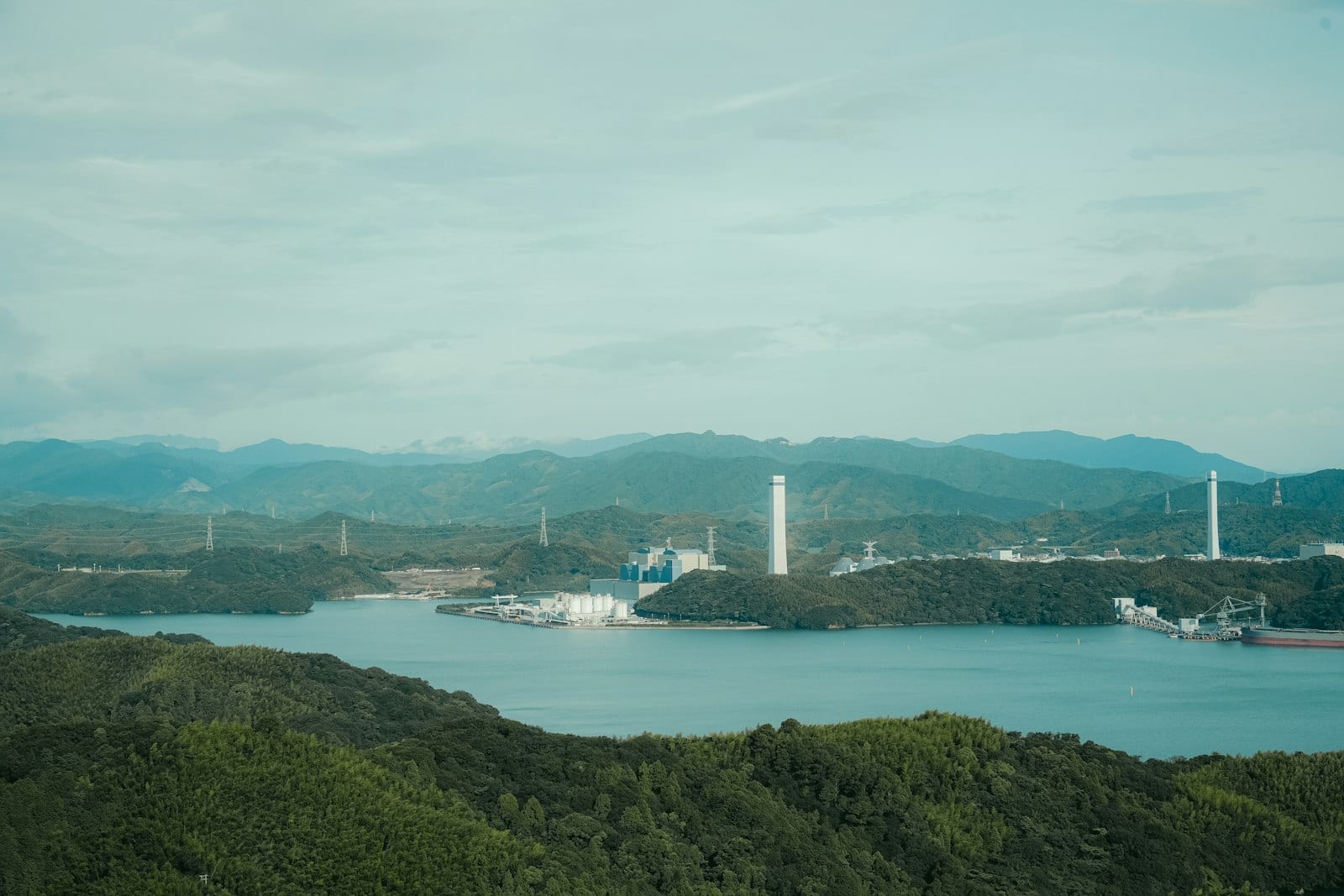
Shropshire Council Biochar Joint Venture
In April 2024, Shropshire Council approved a plan to acquire 50 percent of a new company with a private biochar business. The company was expected to operate a pyrolysis plant near Welshpool, using wood waste, straw or manure and selling an estimated 8,000 removal certificates over five years. The council expected operations by August 2024, but no subsequent council publication confirms start-up or verified removals. The case demonstrates how a local government can share ownership and expected returns with a specialist operator, while also showing that approval and planned capacity do not establish delivery.
Stockholm Biochar Pilot
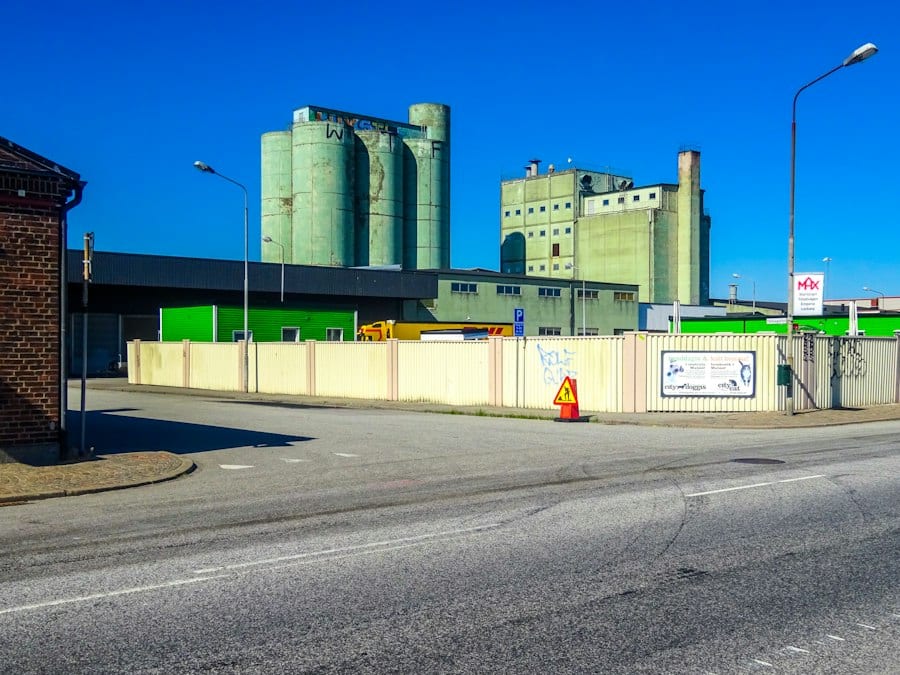
Stockholm opened a municipal biochar plant in 2016 that converted garden waste and Christmas trees into biochar while supplying surplus heat to the district network. The city’s 2025 to 2030 waste plan states that operation ended in autumn 2023 because the equipment had reached the end of its technical life and become too difficult and expensive to maintain. The pilot produced biochar, heat and practical knowledge, but the plan provides no independently verified lifecycle removal total. The case demonstrates direct municipal development and operation, including the public owner’s responsibility for maintenance and closure.
Hafslund Celsio
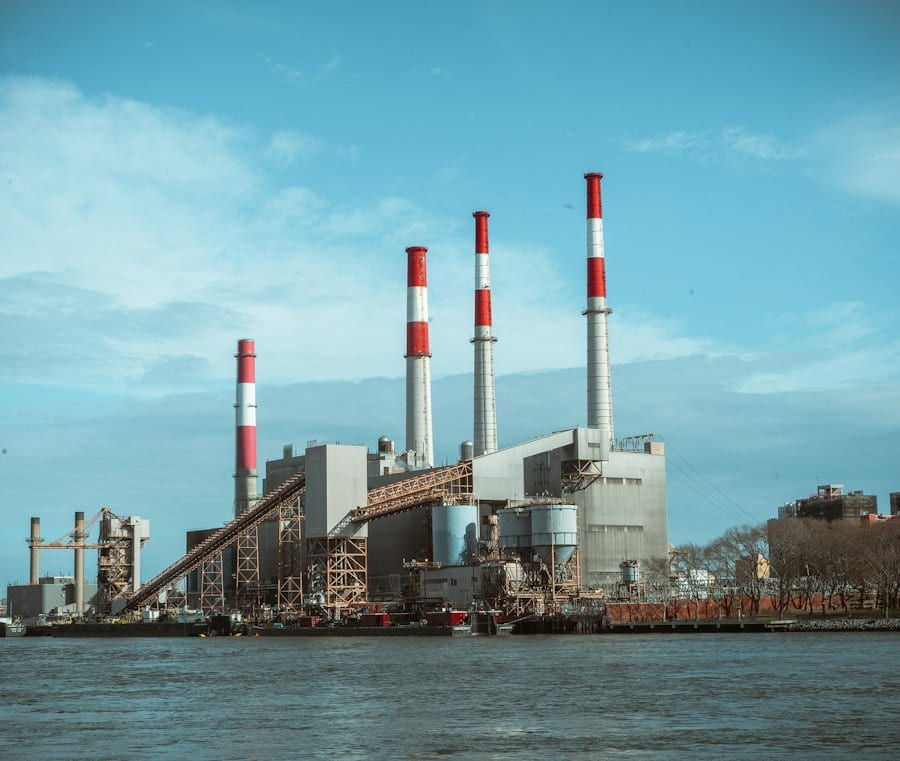
Hafslund, owned by Oslo and other municipalities, holds 60 percent of Hafslund Celsio alongside two private investors. The company resumed construction of carbon capture at Oslo’s waste-to-energy plant after rising costs paused the project in 2023. The Norwegian state project page reports that construction was progressing in 2026 and operation was planned for 2029. The facility aims to capture 350,000 tonnes of CO₂ annually, including about 200,000 tonnes from biogenic waste. No removals have yet been delivered. The case demonstrates majority public ownership combined with private equity, contractors and national financial support.
More Capital formation and risk sharing

Advance market commitments
A binding promise to buy a set volume of removals at an agreed price once suppliers deliver.
Cost
Low to Very high
Complexity
Medium to High
Timeline
Very short to Medium
Integrity, transparency & MRV
2–4Innovation & cost reduction
2–5Social & environmental safeguards
1–3Energy, transport & storage infrastructure
N/AInputs & capacity
N/ADemand formation
3–5Bankability and cost of capital
3–5Policy architecture & coordination
1–3
Carbon contracts for difference (CCfDs)
A guaranteed price per verified tonne that tops up revenue when the market price falls short.
Cost
Low to Very high
Complexity
High
Timeline
Short to Medium
Integrity, transparency & MRV
2–3Innovation & cost reduction
2–4Social & environmental safeguards
1–3Energy, transport & storage infrastructure
N/AInputs & capacity
N/ADemand formation
2–4Bankability and cost of capital
4–5Policy architecture & coordination
2–4
Publicly supported currency hedging
Public backing enabling a specialist provider to offer currency hedges CDR developers can't get commercially.
Cost
Low to Medium
Complexity
Low to High
Timeline
Very short to Medium
Integrity, transparency & MRV
N/AInnovation & cost reduction
N/ASocial & environmental safeguards
N/AEnergy, transport & storage infrastructure
N/AInputs & capacity
N/ADemand formation
1–2Bankability and cost of capital
3–4Policy architecture & coordination
1–2©2026 Alexander Mäkelä and Carbon Gap.
Except where otherwise indicated, this work is licensed under the Creative Commons Attribution–NonCommercial–ShareAlike 4.0 International Licence.
Headline and barrier scores based on Carbon Gap analysis.