 System and capacity enablers
MARINE CDR RESEARCH RULES AND PERMITS
Lever last updated: 14 September 2026
Rules establishing when and how an ocean CDR research experiment may proceed.
Cost
Very low to Low
Governments and treaty bodies fund scientific review, consultation, permit administration, guidance and monitoring oversight. Researchers bear experiment, vessel, sampling and most project-monitoring costs under permit conditions.
Complexity
High
Domestic permits require specialist scientific assessment, consultation, monitoring and enforcement. International rules add treaty negotiation, national acceptance and alignment across legal systems while techniques and evidence continue to evolve.
Timeline
Short to Very long
An established national authority can permit a qualified trial within one to two years. A treaty amendment may take more than ten years to secure enough acceptances for entry into force.
Integrity, transparency & MRV
Innovation & cost reduction
Social & environmental safeguards
Energy, transport & storage infrastructure
Inputs & capacity
Demand formation
Bankability and cost of capital
Policy architecture & coordination
Overview
Marine CDR research rules establish when an experiment in the ocean may proceed and what evidence, monitoring and public oversight it requires. International parties can define common assessment principles and identify techniques requiring special control. National authorities then issue or refuse permits for activities in their waters or by vessels under their jurisdiction. The 2013 London Protocol amendment would create a binding global system for listed marine geoengineering research, but it is not yet in force. Existing international resolutions and domestic laws therefore provide the operative routes. The lever governs research rather than approving commercial deployment or certifying removal credits.
Key Considerations
Rules need to specify which activities they cover and distinguish legitimate research from commercial deployment through purpose, scale, duration, funding, reversibility and plans for publication. Permit decisions require a baseline, alternatives analysis, environmental and transboundary assessment, monitoring, stop conditions, remediation and liability. Authorities also need scientific expertise to assess unfamiliar techniques. Public information, coastal and Indigenous participation, research independence and open results support legitimacy. A small research permit cannot be presented as endorsement of a method's safety at larger scale or proof that it removes a saleable quantity of carbon.
Opportunities
A clear permit route allows researchers to generate field evidence without treating the ocean as an unregulated test site. Conditions can require monitoring, shared data and contingency plans, producing evidence needed for later environmental rules, measurement methods and public decisions. International principles may also reduce incentives to move controversial experiments to weakly governed waters. The lever enables responsible learning, but it neither funds research nor establishes that a method is effective, safe at scale or suitable for commercial deployment.
Risks
Rules that are vague or slow can prevent useful research or drive it elsewhere. Weak thresholds may let commercial activity claim a research exemption. Small trials can still affect ecosystems or communities, while results may be selectively disclosed. International agreement can take longer than the technologies it seeks to govern, and inconsistent national permits can shift risk across borders. Approval may also be marketed as evidence that the government supports future deployment.
Monitoring and Evaluation
Evaluation should examine applications, decisions, review times, permit conditions, monitoring results, incidents, stop orders and publication of data. Later scientific findings can test whether risk assessments were accurate. Differences between national practice and international guidance should inform domestic revisions and negotiations over techniques added to the global framework.
Stakeholder Engagement
Permit design and review should give marine scientists, regulators, fishers, coastal and Indigenous communities, environmental groups and prospective researchers access to the proposed purpose, scale and risks. Methods and monitoring need independent review, while potentially affected states need notice where effects or vessels may cross jurisdictional boundaries.
Governance Levels
Parties to international marine agreements can adopt common assessment rules and binding amendments for activities within treaty scope. National governments can legislate and issue permits for activities in their waters and for covered vessels or operators. The levels work together but also have distinct authority, since domestic permits can operate before a treaty amendment enters into force. Supranational bodies may coordinate national positions or environmental policy, but coordination alone does not issue the international rule or domestic research permit.
Implementation Strategies
National authorities should publish a permit route that distinguishes independent research from commercial deployment.
Permit conditions should cover baselines, monitoring, stop criteria, remediation, open data and communication of limitations.
Treaty parties can apply existing assessment guidance domestically while considering acceptance of the 2013 amendment.
Reviews should use completed trials and emerging techniques to update definitions, thresholds and assessment methods.
Case Studies
London Protocol marine geoengineering framework
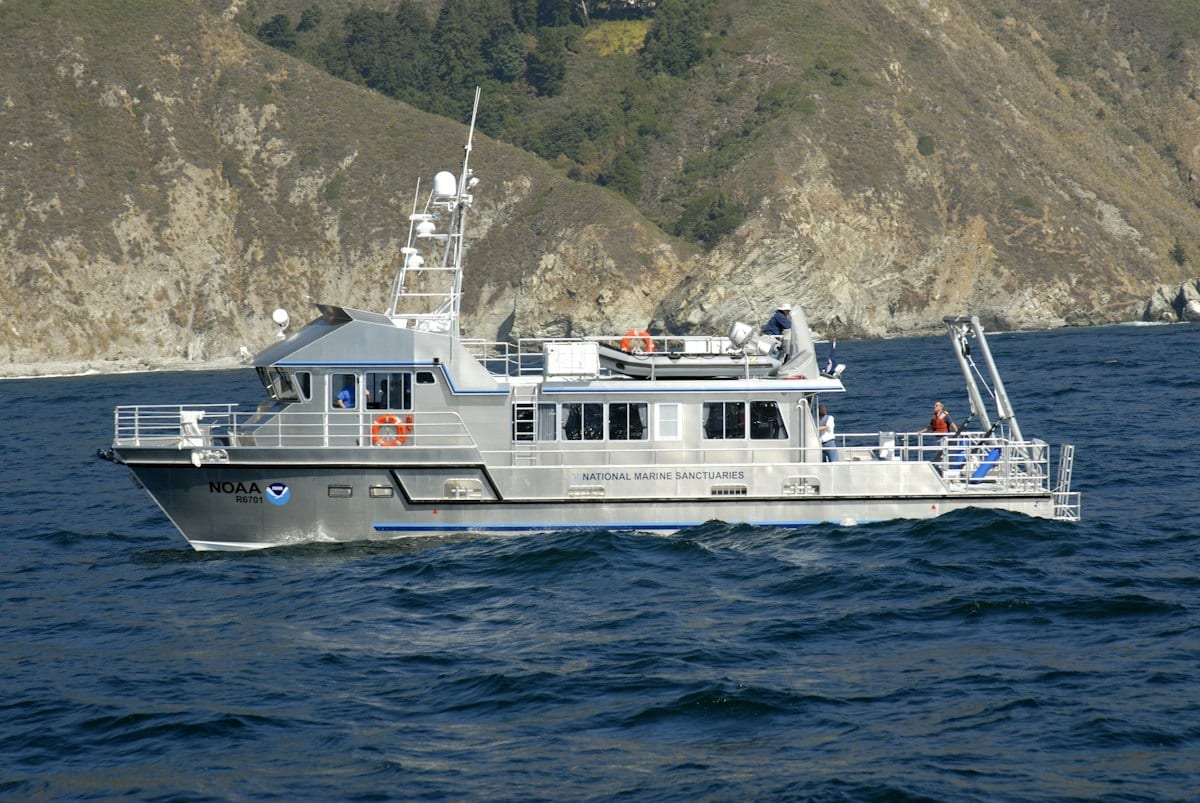
London Convention and Protocol parties adopted an ocean-fertilisation assessment framework in 2010 and a marine geoengineering amendment in 2013. The amendment would prohibit listed activities except legitimate scientific research assessed and permitted under common rules. It had received acceptances from nine states by 2025 and had not entered into force by September 2026. Parties nevertheless continued scientific work and collective guidance, including concerns about expanding commercial activity in 2025. The case provides the only explicit international framework, but much of its present effect remains voluntary or domestic.
United States LOC-NESS field trial
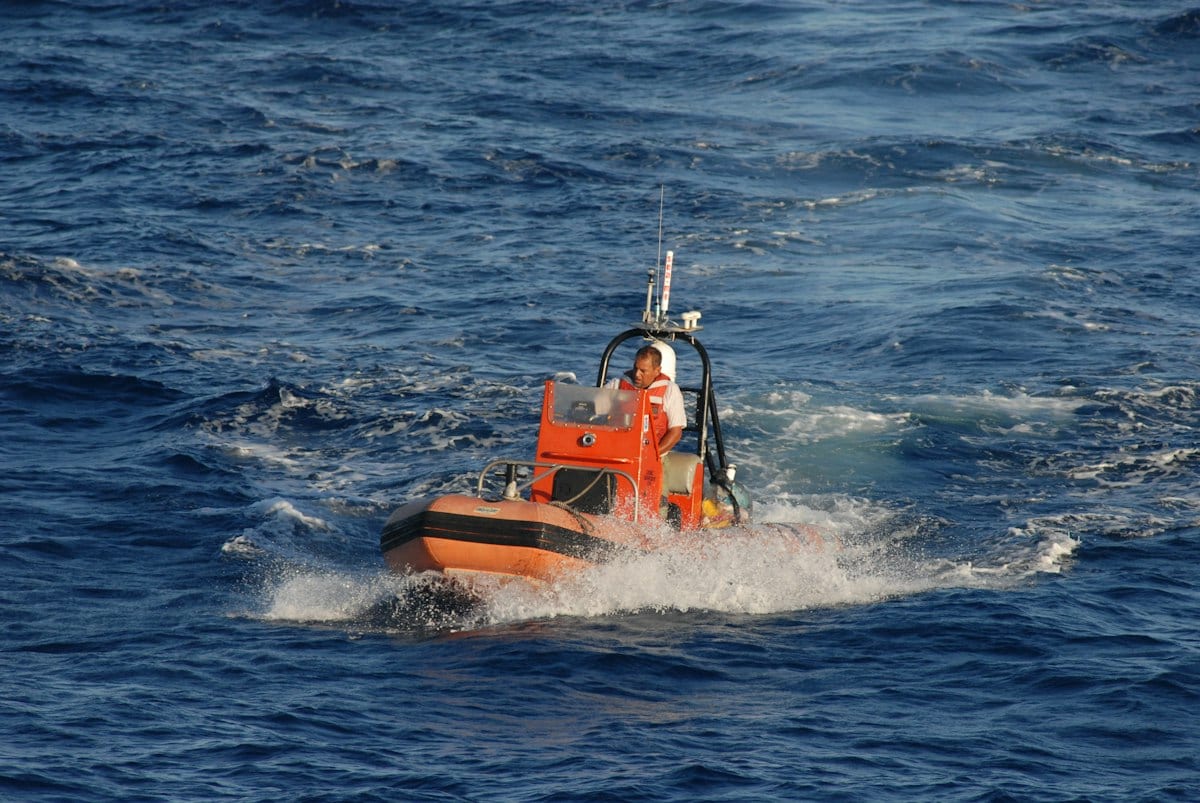
The United States Environmental Protection Agency approved the LOC-NESS ocean alkalinity research trial in April 2025 after a year-long review, two public-comment periods and more than 250 comments. Researchers completed a six-hour release in federal Gulf of Maine waters in August 2025 and monitored the patch for about five days. Preliminary results published in February 2026 reported that pH returned to baseline and found no significant biological effects at the tested scale. Peer-reviewed analysis and quantified carbon uptake remained incomplete, so the permit and trial did not establish commercial safety or verified removals.
More System and capacity enablers
Cross-border CO₂ networks
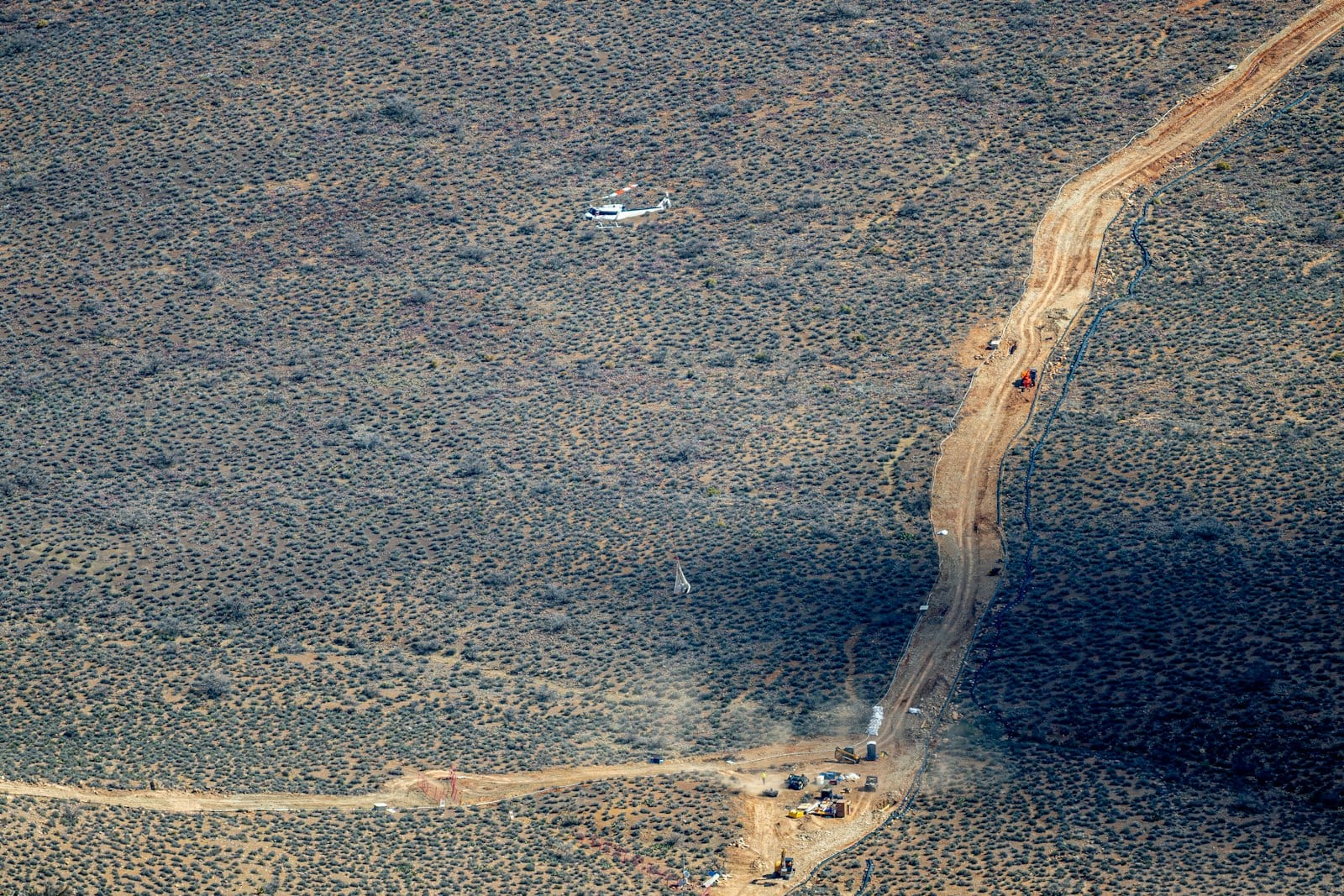
Coordinated legal and technical rules letting CO₂ pipelines cross national borders.
Cost
Medium to Very high
Complexity
Medium to Very high
Timeline
Short to Long
Integrity, transparency & MRV
1–2Innovation & cost reduction
1–2Social & environmental safeguards
1–3Energy, transport & storage infrastructure
3–4Inputs & capacity
N/ADemand formation
N/ABankability and cost of capital
2–4Policy architecture & coordination
2–3
Permitting process streamlining
Reorganising how permitting authorities receive and decide project applications.
Cost
Very low to Medium
Complexity
Low to High
Timeline
Very short to Medium
Integrity, transparency & MRV
1–2Innovation & cost reduction
1–2Social & environmental safeguards
1–3Energy, transport & storage infrastructure
1–3Inputs & capacity
1–2Demand formation
N/ABankability and cost of capital
2–3Policy architecture & coordination
2–4
Infrastructure hubs
A shared site bringing electricity, water and CO₂ transport together for several users.
Cost
Medium to Very high
Complexity
Medium to High
Timeline
Medium to Long
Integrity, transparency & MRV
1–2Innovation & cost reduction
2–3Social & environmental safeguards
2–3Energy, transport & storage infrastructure
3–4Inputs & capacity
2–3Demand formation
N/ABankability and cost of capital
2–4Policy architecture & coordination
2–3©2026 Alexander Mäkelä and Carbon Gap.
Except where otherwise indicated, this work is licensed under the Creative Commons Attribution–NonCommercial–ShareAlike 4.0 International Licence.
Headline and barrier scores based on Carbon Gap analysis.