 System and capacity enablers
MANDATORY CO₂ STORAGE CAPACITY TARGET
Lever last updated: 14 September 2026
A legal requirement to provide enough permitted CO₂ storage capacity by a deadline.
Cost
Very low to Low
The rule-making authority funds technical assessment, reporting and enforcement, with more resources needed for a larger programme. Obligated firms separately bear substantial appraisal and construction costs; these remain essential to feasibility despite falling outside public administration expenditure.
Complexity
Medium to High
Government must establish legal duties, eligibility, delivery checks and enforcement. A new storage regime also needs permitting powers and specialist teams, with procedures addressing geological failure, joint delivery and dependencies on transport and customers.
Timeline
Short to Medium
As planning estimates, an established storage regime may prompt binding compliance-driven investment within one to two years of initiation; creating the law and institutions may require two to five years. Site appraisal, permits and construction determine later availability.
Integrity, transparency & MRV
Innovation & cost reduction
Social & environmental safeguards
Energy, transport & storage infrastructure
Inputs & capacity
Demand formation
Bankability and cost of capital
Policy architecture & coordination
Overview
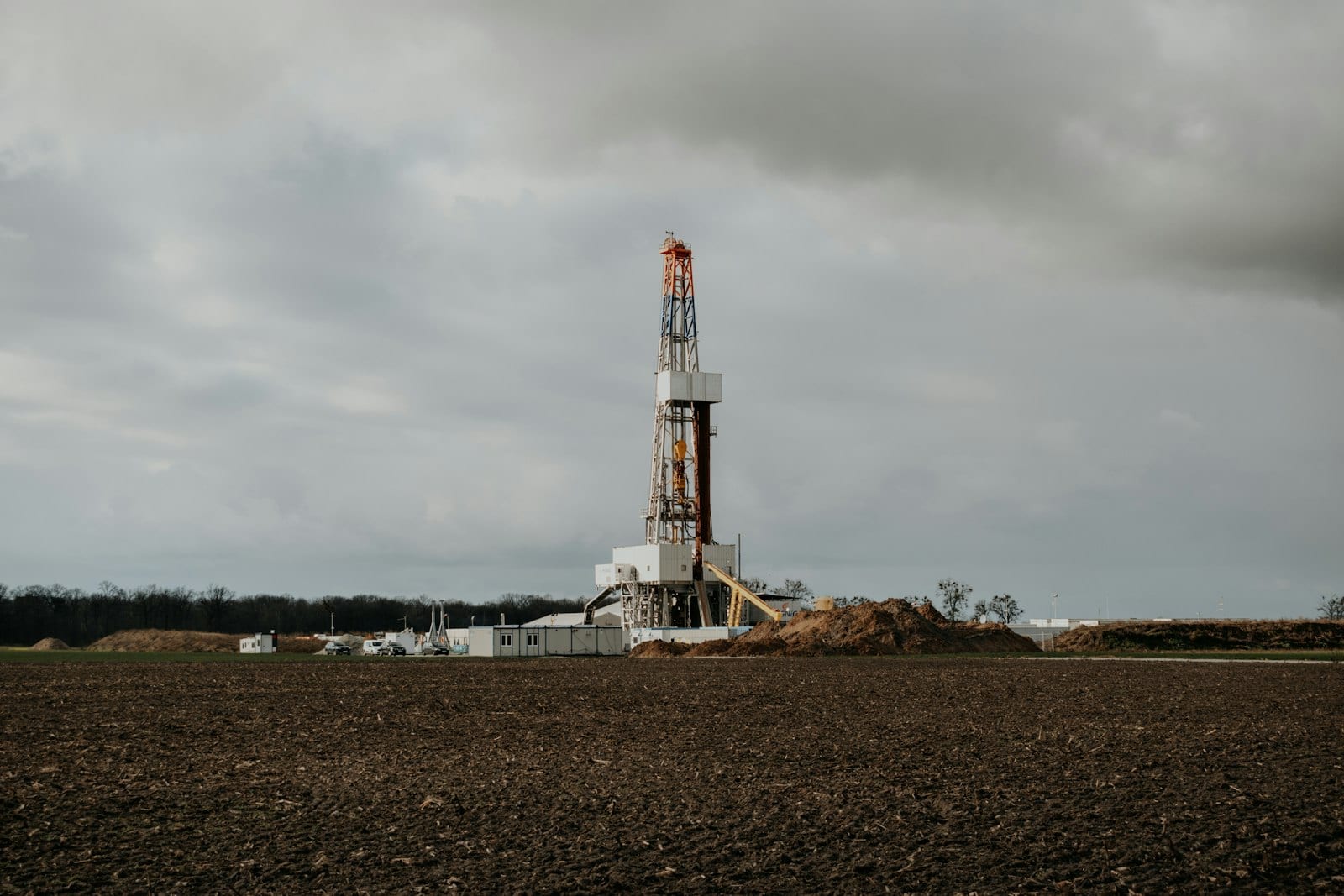
Government can require specified companies to provide enough CO₂ storage facilities to handle a set annual volume by a deadline. These facilities must have the permits and equipment needed to receive CO₂ and inject it safely underground. The requirement concerns making storage available, rather than ensuring that customers immediately use all of it. Companies may develop sites themselves, invest jointly or contract specialist storage providers, with government checking and enforcing their responsibilities. The aim is to overcome a common investment problem: storage developers wait for customers, while capture projects wait for somewhere to send their CO₂. Requiring storage to be ready by a deadline can encourage earlier investment and give prospective customers greater confidence to proceed. Targets must nevertheless reflect suitable geology, realistic costs, construction times, transport connections and likely demand. Both industrial carbon capture and carbon removal projects that need geological storage can benefit from the resulting services.
Key Considerations
The target’s volume and deadline should reflect suitable geology, investment requirements and realistic development times. A credible business case needs customers able to pay for storage, expected revenues that support investment and clarity over any public funding required. Capture facilities, transport connections and storage sites must become available on compatible schedules. Where financing or demand is insufficient, complementary measures may include investment grants, loan guarantees, support for shared transport or public CDR purchasing. The rules should identify which companies carry the obligation, allow joint investment or specialist providers, and specify what counts as delivered capacity.
Opportunities
A clear, enforceable deadline can bring site assessment and storage investment forward, giving capture developers greater confidence that services will become available. Where oil and gas companies are covered, their geological expertise, engineering capabilities and existing assets may support delivery. Joint investment can spread costs and make shared facilities viable for several customers. With credible transport connections and affordable access, additional storage can help industrial capture and removal projects secure contracts and finance their own construction. Predictable expansion can also accommodate new customers as demand grows.
Risks
An unrealistic target can require substantial investment in facilities that attract too few customers to recover their costs. Delayed capture projects or missing transport may leave completed storage unused, while unsuitable geology and lengthy permitting can prevent delivery. Companies may challenge disproportionate obligations or defer investment if penalties are ineffective. Poorly defined joint responsibilities can leave nobody clearly accountable for a shortfall. Optimistic estimates or duplicate claims may also exaggerate available capacity. Pressure to meet the deadline must not weaken safety assessments, and public support can expose taxpayers to losses if commercial demand fails to materialise.
Monitoring and Evaluation
Authorities should compare the target with site assessments, financing commitments, permits, construction progress and independently verified readiness to operate. They should also examine customer contracts, expected delivery dates, transport availability and storage charges to assess whether the facilities are likely to be used. Annual capacity ready for use, total underground storage space and CO₂ actually injected should be reported separately. Joint projects need records preventing the same capacity from satisfying several obligations twice. Reviews should identify the causes of delays and inform corrective plans, enforcement or adjustments permitted under published rules.
Stakeholder Engagement
Government should involve affected companies early to test whether the proposed target is achievable and identify the conditions needed for investment. Storage developers and independent geologists should explain site prospects, costs and technical constraints; financiers should assess whether expected revenues support lending. Capture customers and transport operators should provide realistic volumes, connection plans and delivery schedules. Regulators should clarify permitting and safety requirements, while communities should help shape decisions on siting, local impacts and monitoring. These discussions should inform a workable target and supporting measures, with government retaining responsibility for the final obligation.
Governance Levels
Supranational and national lawmakers can impose the storage obligation and empower regulators to monitor and enforce delivery. Regional or state legislatures can do so where their powers cover the affected industry and storage development, subject to higher-level law. Companies fulfil the duty through investments and contracts. Government must identify who remains legally responsible when companies deliver jointly or use specialist providers.
Implementation Strategies
Governments should assess demand, geology, appraisal costs, construction schedules and connecting transport before choosing a target. They should define usable capacity, identify accountable providers and explain the basis for any individual contributions or joint delivery duties.
Authorities should require costed delivery plans and interim milestones, allowing joint investment or specialist providers. Rules should prevent duplicate capacity claims, identify responsibility for shortfalls and set proportionate enforcement and procedures for genuine delivery obstacles.
Authorities should align storage development with transport construction, customer access and credible capture demand. Where public support is necessary to bring capacity forward, its costs and conditions should be assessed explicitly alongside the costs borne by obligated firms.
Authorities should publish delivery progress, commercial access and corrective measures, distinguishing proposed, permitted and usable capacity from actual injection. Evidence should inform future targets and any adjustments expressly allowed under current duties.
Case Studies

EU Net-Zero Industry Act storage obligation
The EU's Net-Zero Industry Act sets a target of at least 50 million tonnes of annual CO₂ injection capacity by 2030 and requires designated oil and gas producers to contribute. In this design, contributions reflect past EU production, rather than equal shares. Producers can develop capacity themselves, collaborate or contract with storage providers. The first annual reporting deadline was 30 June 2026, and the Commission publishes the resulting company reports. Implementation is contested. Black Sea Oil & Gas and Romgaz brought actions in October 2025 challenging the implementing measures and parts of the underlying rules. Their pleaded grounds include the assessment of producer impacts, equal treatment and legal authority; these are applicants' arguments, not court findings. The case demonstrates an enforceable storage-development requirement alongside the practical and legal scrutiny it creates. Its success must be judged by usable, accessible capacity. The target does not reserve capacity for removals or establish that the full chain will be ready by 2030.

California’s electricity-storage capacity requirement
In 2013, the California Public Utilities Commission set an electricity-storage procurement target of 1,325 MW for the state's three large investor-owned utilities. Procurement was required by 2020 and installation by the end of 2024. Its programme reporting records that the utilities exceeded the procurement target and distinguishes approved capacity from operating projects. The Commission also established cost-effectiveness and procurement reviews, reflecting the need to assess the services and costs of proposed investments. This electricity-system analogue illustrates how a capacity duty can lead named firms to arrange infrastructure while regulators examine delivery. A CO₂ storage application needs its own assessment of geology, construction schedules, connecting transport and customer access. Contracting for capacity and making the service available remain different milestones.
More System and capacity enablers

Cross-border CO₂ networks
Coordinated legal and technical rules letting CO₂ pipelines cross national borders.
Cost
Medium to Very high
Complexity
Medium to Very high
Timeline
Short to Long
Integrity, transparency & MRV
1–2Innovation & cost reduction
1–2Social & environmental safeguards
1–3Energy, transport & storage infrastructure
3–4Inputs & capacity
N/ADemand formation
N/ABankability and cost of capital
2–4Policy architecture & coordination
2–3
Permitting process streamlining
Reorganising how permitting authorities receive and decide project applications.
Cost
Very low to Medium
Complexity
Low to High
Timeline
Very short to Medium
Integrity, transparency & MRV
1–2Innovation & cost reduction
1–2Social & environmental safeguards
1–3Energy, transport & storage infrastructure
1–3Inputs & capacity
1–2Demand formation
N/ABankability and cost of capital
2–3Policy architecture & coordination
2–4
Infrastructure hubs
A shared site bringing electricity, water and CO₂ transport together for several users.
Cost
Medium to Very high
Complexity
Medium to High
Timeline
Medium to Long
Integrity, transparency & MRV
1–2Innovation & cost reduction
2–3Social & environmental safeguards
2–3Energy, transport & storage infrastructure
3–4Inputs & capacity
2–3Demand formation
N/ABankability and cost of capital
2–4Policy architecture & coordination
2–3©2026 Alexander Mäkelä and Carbon Gap.
Except where otherwise indicated, this work is licensed under the Creative Commons Attribution–NonCommercial–ShareAlike 4.0 International Licence.
Headline and barrier scores based on Carbon Gap analysis.