 Integrity and accountability
LIABILITY CAPS AND STATE REINSURANCE BACKSTOPS
Lever last updated: 10 September 2026
Limits on an operator's storage liability, backstopped where needed by public reinsurance.
Cost
Very low to High
For a liability cap introduced through an existing regulator, an indicative setup budget below EUR 1 million would cover legal drafting, consultation and staff time, followed by ongoing oversight. A public backstop adds payments when covered losses exceed what operators and private insurers must pay. For example, if eligible losses total EUR 500 million and private parties cover EUR 100 million, a government guarantee covering the remaining amount would cost EUR 400 million when triggered. Government therefore faces modest administrative costs in ordinary years but potentially substantial compensation costs after a major incident.
Complexity
Medium to High
A domestic liability cap may require primary legislation. Adding a public backstop or a common facility within existing supranational powers requires fiscal authority, claims procedures, specialist risk assessment and coordination among government, insurers and participating operators.
Timeline
Short to Medium
Governments adapting an existing insurance programme can make protection available within one to two years. New liability legislation, an industry pool and a public guarantee can take two to five years before projects can rely on the cover.
Integrity, transparency & MRV
Innovation & cost reduction
Social & environmental safeguards
Energy, transport & storage infrastructure
Inputs & capacity
Demand formation
Bankability and cost of capital
Policy architecture & coordination
Overview
Government can limit what a storage operator must pay for specified damage, or promise public money for specified losses that exceed agreed private cover. These are different choices. A liability cap sets the operator’s maximum legal bill; it leaves losses above that amount unpaid unless another funding route exists. A public reinsurance backstop instead supports the insurer or industry scheme after it has borne its agreed share, allowing it to continue offering protection against unusually large losses. This may be useful where a rare but severe storage incident creates potential costs that private insurers cannot credibly cover, preventing otherwise viable CDR contracts or investment. Government must show that this gap exists and define who is protected. Ordinary insurance belongs under Carbon Insurance Instruments; routine care of transferred sites belongs under Long-Term Stewardship Funds.
Key Considerations
The law should explain the order of payment in money terms. For example, the operator may pay an initial amount, its insurer the next agreed share, and a public facility a specified layer above them. That illustration is a design choice, not a standard CDR arrangement. Rules must identify the covered event, claimant, attachment point where public payment starts, maximum public payment and treatment of losses beyond all limits. The operator should retain meaningful responsibility for prevention. Premiums and industry contributions need to reflect risk, and any extra charge imposed on other operators after an incident must be realistically collectible. Public commitments require fiscal authority, oversight, cross-border allocation where relevant and appropriate rights to recover money after negligence or misconduct.
Opportunities
A lender may refuse a project whose uninsured liability could exceed the company’s resources. A credible public commitment to pay a defined exceptional share can reduce that uncertainty, allowing an insurer to offer cover and the lender to assess the project’s remaining exposure. Insurance for the initial losses can remain private, with companies and insurers still carrying enough risk to encourage prevention. An industry pool can spread part of the burden across firms, while government covers only an agreed further share. These arrangements can preserve access to insurance when commercial capacity contracts. As evidence improves and private insurers accept more exposure, government can reduce or reprice future support. The benefit depends on an enforceable payment promise and evidence that it addresses a real coverage gap.
Risks
A cap can leave victims uncompensated if no other party is required and able to cover the remaining loss. Public protection shifts covered losses to taxpayers even when no payment has yet been needed. If premiums are too low or operators retain too little responsibility, the arrangement can reward poor site selection and weaken prevention. A common event may also exhaust both private insurance and the ability of other operators to contribute. Government should therefore test severe combined losses, preserve appropriate recovery rights and make potential public payments visible before committing to cover.
Monitoring and Evaluation
The responsible authority should compare available private insurance and industry resources with severe-loss scenarios, expected annual payments and the state's maximum legal commitment. Reviews should examine premiums, incidents that nearly caused a loss, claims handling and any compensation left unpaid. Evidence that commercial insurers can reliably absorb more risk can justify raising the threshold for public cover or reducing the state's share, with notice that protects existing contracts from abrupt withdrawal.
Stakeholder Engagement
Treasury and legislators should determine the maximum public commitment and its funding. Storage regulators assess preventable risks; insurers and operators propose the cover and industry contributions they can provide. Potential claimants and host communities should examine liability limits and payment rights. Independent financial-risk specialists should test the assumptions, including whether firms could pay additional contributions after a major event.
Governance Levels
National governments and states with appropriate legislative and fiscal powers can establish caps and public backstops. A supranational institution could operate a common facility only with an explicit guarantee mandate and resources; harmonisation alone is a narrower contribution. Private insurers may administer layers but cannot commit taxpayers, and local authorities ordinarily lack the fiscal and liability powers for a sector-wide backstop.
Implementation Strategies
Government should ask insurers, operators and lenders which losses prevent cover or financing, and why. It should test whether improved data, different contract terms or private pooling can address the problem before choosing a liability cap or public guarantee.
Legislation should specify the operator's responsibility, the order in which insurers and industry funds pay, when public cover begins and what happens above all available limits. It should identify eligible claimants and preserve appropriate rights to recover payments after negligence or misconduct.
The responsible authority should set premiums and required resources using independent risk assessment. It should test losses affecting several projects together and the ability of surviving operators to meet additional charges after an event before counting these charges as reliable protection.
Government should periodically assess what private insurers can cover and adjust the public share or price accordingly. Changes should be gradual and announced in advance so that a planned reduction in public support does not undermine contracts already relying on it.
Case Studies
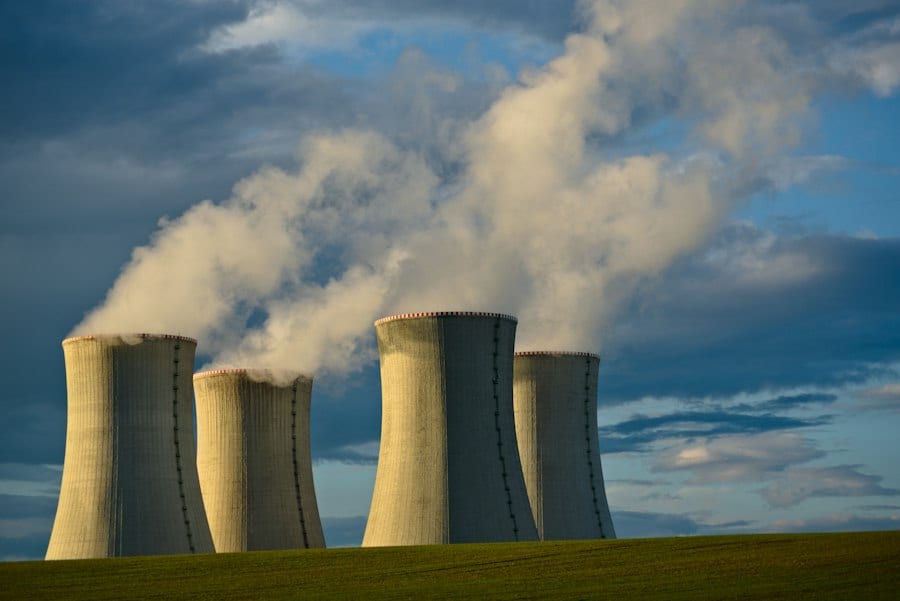
US Price-Anderson framework
The US Price-Anderson system, introduced in 1957, limits specified liability for nuclear incidents and organises resources to compensate affected people. The Nuclear Regulatory Commission describes an initial layer of private insurance, followed by additional charges on nuclear operators if a qualifying incident requires more money. The affected plant can therefore draw on protection beyond its own first insurance policy, while other operators share the financial consequences of a serious accident. Legislation also addresses losses beyond the available protection, rather than leaving that question to the accident itself. For CDR, the example helps explain how liability limits, industry contributions and victim compensation can be designed together. Nuclear risk differs from carbon-storage risk, and Price-Anderson is not an automatic Treasury guarantee of every excess loss.

UK Pool Re backstop
Pool Re is a UK terrorism reinsurer, providing protection to insurers that cover businesses against terrorism losses. A government agreement supplies a further layer of support behind the scheme. HM Treasury's 2025 agreement with Pool Re, effective from April 2025, revised the terms to allow more risk to return to private markets while maintaining businesses' access to protection. The mechanism lets private insurers offer cover backed by collective and public arrangements when commercial capacity alone is insufficient. It also makes the public role adjustable as private capacity develops. For a CDR storage backstop, the transferable lesson is to specify the risk-bearing layers and review the state's continuing role, while separately assessing storage-specific exposure, pricing and conditions for a public payment.

France’s public natural-catastrophe reinsurance
Caisse Centrale de Réassurance, or CCR, is France’s publicly owned reinsurer. Its 2024 explanation of the natural-catastrophe scheme describes sharing claims with private insurers and protecting them against losses above an agreed annual threshold, supported by a state guarantee. Private insurers retain the customer relationship and a share of loss, while CCR and ultimately government provide additional capacity for severe events. The contribution charged through property policies increased from twelve to twenty per cent of the base premium in January 2025 to strengthen the scheme’s resources. The example demonstrates an operating division of private and public responsibility and adjustment of financing as risk changes. It concerns natural disasters, not CDR, so a storage application would need its own covered events, pricing and public-payment conditions.
More Integrity and accountability

Measurement, reporting and verification protocols
A common rulebook specifying how projects must measure, report and verify their removals.
Cost
Very low to Low
Complexity
Low to High
Timeline
Short to Medium
Integrity, transparency & MRV
3–5Innovation & cost reduction
1–2Social & environmental safeguards
1–2Energy, transport & storage infrastructure
N/AInputs & capacity
1–2Demand formation
1–2Bankability and cost of capital
1–2Policy architecture & coordination
2–4
Certification schemes
Independent assurance that a removal project and its results meet defined quality standards.
Cost
Very low to Medium
Complexity
Low to High
Timeline
Short to Medium
Integrity, transparency & MRV
3–4Innovation & cost reduction
1–2Social & environmental safeguards
2–4Energy, transport & storage infrastructure
N/AInputs & capacity
1–2Demand formation
1–2Bankability and cost of capital
1–3Policy architecture & coordination
2–4
Carbon credit legal status
Legislation or guidance clarifying what legal rights a carbon credit holder actually has.
Cost
Very low to Low
Complexity
Low to High
Timeline
Short to Medium
Integrity, transparency & MRV
2–3Innovation & cost reduction
N/ASocial & environmental safeguards
N/AEnergy, transport & storage infrastructure
N/AInputs & capacity
N/ADemand formation
1–3Bankability and cost of capital
2–3Policy architecture & coordination
3–4©2026 Alexander Mäkelä and Carbon Gap.
Except where otherwise indicated, this work is licensed under the Creative Commons Attribution–NonCommercial–ShareAlike 4.0 International Licence.
Headline and barrier scores based on Carbon Gap analysis.