 System and capacity enablers
KNOWLEDGE SHARING NETWORKS
Lever last updated: 14 September 2026
A continuing forum where CDR practitioners learn from one another's work.
Cost
Very low to Low
A focused network using an existing host can operate below EUR 1 million annually. A larger international service with technical staff, reviewed guidance, events, translation and participation support may require EUR 1–10 million. Membership fees and grants finance these costs rather than remove them.
Complexity
Very low to Medium
A single host can organise meetings and publish material under existing authority. A larger technical network needs procedures for confidential exchange, expert review, data access and updating shared records, potentially requiring a new coordinating team.
Timeline
Very short to Short
An established professional community can exchange information that changes a participant's work within a year. A new network may need one to two years to recruit trusted contributors, develop useful material and see members apply it.
Integrity, transparency & MRV
Innovation & cost reduction
Social & environmental safeguards
Energy, transport & storage infrastructure
Inputs & capacity
Demand formation
Bankability and cost of capital
Policy architecture & coordination
Overview
A knowledge-sharing network gives CDR practitioners a continuing way to learn from one another's work. A public body, industry association, research organisation or foundation acts as host, organising discussions and maintaining checked records of practical lessons, including failed approaches. Engineers might compare operating problems, officials discuss permitting experience or buyers learn how to assess supplier offers. Participants can then apply that experience in their own organisations, reducing repeated mistakes and making specialist knowledge available to teams that lack it internally. Useful networks combine contributors with relevant experience and people able to act on it. The exchange supplies know-how; rights to use a company's protected technology must be agreed separately.
Key Considerations
The host should begin with questions members need to answer, such as how to investigate a storage-monitoring problem or assess an unfamiliar removal supplier. Membership should include people with relevant evidence and those likely to apply it, including smaller organisations where appropriate. Participants need to agree which discussions remain confidential, what can be recorded or published and who reviews technical material. Commercial confidentiality does not remove competition-law duties, so the exchange should avoid coordination of prices, customers or future competitive bids. Continuing staff time and funding are needed to check advice, update records and draw out useful experience. A website or recurring meeting has little value if members cannot use the material to resolve actual problems.
Opportunities
Access to another project's experience can save a new team from repeating avoidable design, operating or administrative mistakes. Smaller organisations can obtain specialist insight they could not maintain internally, and officials can compare workable policy approaches before drafting their own. Bringing different parts of a removal supply chain together can reveal a common problem that no participant could solve alone. Reusable guidance and practical working groups can then support further collaboration, although adopting a standard, changing law or investing jointly remains a separate decision for the participants.
Risks
Companies may withhold useful detail because sharing it could reveal commercial information or mistakes. Dominant members can discourage competing approaches, while unchecked advice can spread poor practice. Members may stop contributing if discussions do not help resolve their problems. A host that depends on one funder may also struggle to challenge that funder's preferred position. Clear confidentiality arrangements, independent technical review and opportunities for less-resourced participants to contribute can improve the quality and balance of the exchange.
Monitoring and Evaluation
The host should ask members which decisions changed because of shared information and follow selected examples through implementation. Useful evidence includes an operating practice improved, a repeated error avoided or guidance applied in a live project. Participation and published outputs help explain whether the network is reaching its intended users, including smaller organisations. Regular technical review should identify inaccurate or outdated material. These findings should guide the subjects covered, support for participation and withdrawal or revision of advice that no longer serves members.
Stakeholder Engagement
Developers and technical suppliers should contribute evidence of problems and attempted solutions, while researchers and independent experts check whether lessons are transferable. Policymakers can explain legal constraints and compare implementation experience. Buyers and financiers can identify the information they need to assess projects. Civil society and community representatives can contribute experience of environmental effects and engagement. The host should give less-resourced participants a route to contribute, manage conflicts of interest and agree which findings can be shared publicly.
Governance Levels
Public bodies at international, supranational, national, regional and municipal levels can host continuing exchanges within their policy, research or professional mandates. Companies and industry associations can operate member networks, while foundations can establish them under their charitable programmes.
Implementation Strategies
The host should recruit contributors around specific practical questions and agree how evidence, confidentiality and conflicts of interest will be handled. Early discussions should establish what members need to learn and what they can safely share, including failures.
The network should combine regular exchanges with a searchable record of useful findings and named people responsible for updates. Existing events can provide meeting opportunities, while targeted support can enable smaller organisations to contribute and use the results.
The host should follow selected examples of members applying shared lessons and ask what changed in practice. Useful findings should be published where permitted, outdated material withdrawn and priorities revised when activities produce attendance without helping participants solve problems.
Case Studies

Global CCS Institute
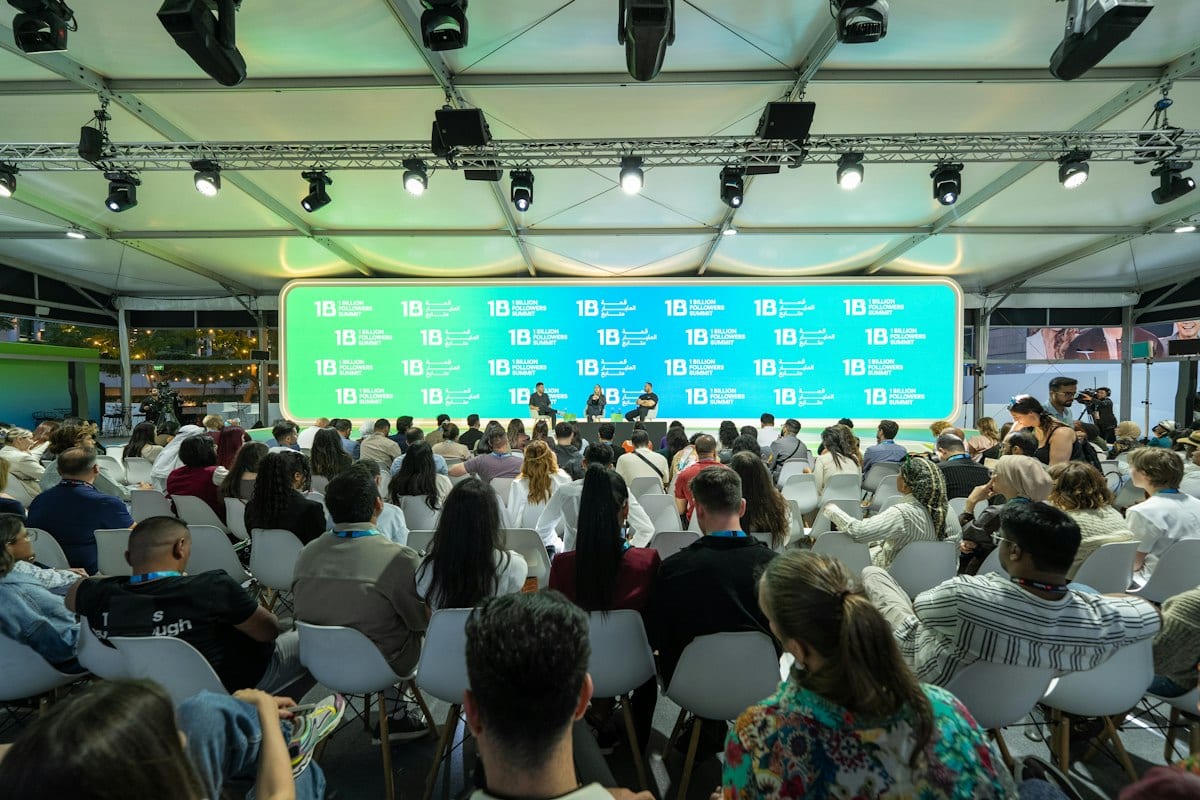
The Global CCS Institute is an international organisation that shares expertise on carbon capture and storage. Its Europe Forum in Brussels on 19 March 2025 brought together nearly 300 participants from government, industry, finance, research and civil society. Sessions examined policy developments, project investment, financing and risks. Bringing these groups into the same discussion lets project teams hear what regulators and financiers need, while those institutions can hear the practical problems developers face. That is useful where decisions about capture, transport and storage depend on one another. The forum's coverage includes fossil CCS as well as infrastructure relevant to removals. The documented result is a structured exchange among those decision-makers; the event account does not measure subsequent changes in project performance.
Clean Energy Ministerial CCUS Initiative
The Clean Energy Ministerial is an international forum through which governments cooperate on clean-energy policy. Its Carbon Capture, Utilization and Storage Initiative runs monthly member meetings to discuss policy developments and lessons, alongside public webinars that extend access beyond the group. A finance-sector working group brings banks and other investors into the exchange and published Key Financing Principles for CCUS in 2020. Regular contact allows officials to ask how another jurisdiction addressed a practical obstacle, while published outputs give others a starting point for their own work. The initiative covers carbon capture more broadly than removal, but its discussions of storage, infrastructure and finance can inform geological CDR. It supplies shared experience rather than authority to change participants' laws or investment decisions.

CO₂RE and the UK removal demonstrators
CO₂RE is a UK greenhouse-gas removal research hub funded by UK Research and Innovation, the national public research funder. Its July 2023 workshop on measurement, reporting and verification brought researchers together with developers, farmers, investors, civil society, officials and regulators. Participants identified practical needs such as comparable requirements, clearer responsibilities and workable treatment of reversal risk, meaning the risk that stored carbon returns to the atmosphere. CO₂RE's account of its project-evaluation work reports that this workshop and later exchanges informed its assessment approach, while discussions across demonstrators contributed to work on minimum standards. The case follows knowledge from a convened discussion into named research and standards work. That is a more concrete use of a network than attendance alone, although it does not quantify a resulting change in deployment.
More System and capacity enablers

Cross-border CO₂ networks
Coordinated legal and technical rules letting CO₂ pipelines cross national borders.
Cost
Medium to Very high
Complexity
Medium to Very high
Timeline
Short to Long
Integrity, transparency & MRV
1–2Innovation & cost reduction
1–2Social & environmental safeguards
1–3Energy, transport & storage infrastructure
3–4Inputs & capacity
N/ADemand formation
N/ABankability and cost of capital
2–4Policy architecture & coordination
2–3
Permitting process streamlining
Reorganising how permitting authorities receive and decide project applications.
Cost
Very low to Medium
Complexity
Low to High
Timeline
Very short to Medium
Integrity, transparency & MRV
1–2Innovation & cost reduction
1–2Social & environmental safeguards
1–3Energy, transport & storage infrastructure
1–3Inputs & capacity
1–2Demand formation
N/ABankability and cost of capital
2–3Policy architecture & coordination
2–4
Infrastructure hubs
A shared site bringing electricity, water and CO₂ transport together for several users.
Cost
Medium to Very high
Complexity
Medium to High
Timeline
Medium to Long
Integrity, transparency & MRV
1–2Innovation & cost reduction
2–3Social & environmental safeguards
2–3Energy, transport & storage infrastructure
3–4Inputs & capacity
2–3Demand formation
N/ABankability and cost of capital
2–4Policy architecture & coordination
2–3©2026 Alexander Mäkelä and Carbon Gap.
Except where otherwise indicated, this work is licensed under the Creative Commons Attribution–NonCommercial–ShareAlike 4.0 International Licence.
Headline and barrier scores based on Carbon Gap analysis.