 Capital formation and risk sharing
INTERMEDIATED PURCHASE-AND-RESALE AUCTIONS
Lever last updated: 14 September 2026
An intermediary buying removals on long-term contracts and reselling them through shorter-term auctions.
Cost
Medium to High
A focused intermediary portfolio can require EUR10–100 million annually in gross purchases, staff and settlement costs; several large supply contracts can require EUR100 million–1 billion. Resale receipts reduce net funding needs but do not cancel those purchases. The score therefore includes the intermediary's procurement expenditure, not merely the sponsor's payment for the price gap.
Complexity
Medium to High
An existing trading body needs new auction, contract, delivery and registry capabilities. A public scheme requiring new legal authority and a new intermediary also needs funding rules, oversight and coordination with procurement and environmental authorities. Managing two contract durations and the losses between them is central to the work.
Timeline
Short to Medium
A sponsor using an established intermediary, eligible units and procurement powers could reach enforceable purchases within one to two years. Creating the authority, funding arrangements and contracting body can take two to five years. The endpoint is a purchase commitment suppliers can rely on, not completed resale or physical delivery.
Integrity, transparency & MRV
Innovation & cost reduction
Social & environmental safeguards
Energy, transport & storage infrastructure
Inputs & capacity
Demand formation
Bankability and cost of capital
Policy architecture & coordination
Overview
A government or other sponsor commissions an intermediary to buy certified removals through competitive, long-term supply contracts and resell them through separate, shorter-term auctions. The intermediary becomes the contractual buyer and subsequent seller, carrying the difference between what suppliers require and what later buyers will pay. Public or philanthropic support can cover that difference. For CDR, this could connect developers needing years of predictable revenue with buyers unwilling to make equally long commitments. The lever is the paired purchasing and resale mechanism.
Key Considerations
The sponsor should define the purchased unit, eligible methods, storage duration, delivery dates and permitted buyer claims before auctioning it. Separate groups of comparable removals may be needed so short-lived storage does not win against durable removal solely on price. Supply contracts should allocate construction delays, under-delivery, reversals and replacement duties. Resale rules must determine when ownership passes, who retires each unit and what happens to unsold holdings. The intermediary needs dependable purchase funding, cash to cover payment timing and explicit limits on losses. A payment linked to a reference price alone is a contract for difference, rather than this purchase-and-resale mechanism.
Opportunities
Long purchase contracts could make a credible public or charitable commitment available to suppliers before a broad private buyer base exists. Later auctions would let buyers enter for shorter periods and reveal what they will pay for different kinds of removal. Repeated competition could improve contract comparability and give the sponsor evidence for adjusting future purchases. If resale prices increase, receipts can reduce the additional support needed for subsequent transactions, although that outcome depends on demand and must not be assumed when making long-term commitments.
Risks
The intermediary can become committed to expensive supply while resale demand remains weak, concentrating losses and unsold units in one organisation. Aggressive supplier bids may depend on facilities that cannot deliver, while overly restrictive eligibility can leave too few credible bidders. Buyers may delay ordinary purchases in anticipation of subsidised auctions. A uniform product can conceal differences in durability or delivery risk, and unclear ownership or retirement rules can produce overlapping claims. Expiring public support is particularly dangerous when purchase contracts continue for years afterwards.
Monitoring and Evaluation
The sponsor and intermediary should publish contracted, delivered, resold and retired volumes separately, alongside purchase payments, resale receipts, administration and remaining contractual exposure. Evaluation should examine the number of independent bidders, supplier concentration, failed deliveries, unsold holdings and subsequent buyer participation outside the scheme. Evidence that contracts change supplier investment decisions should be assessed separately from auction announcements. Persistent resale gaps or limited competition should inform contract quantities, auction timing, product categories and the pace of additional commitments.
Stakeholder Engagement
The sponsor and intermediary should agree who sets eligibility, approves commitments and absorbs losses. Developers and lenders can test whether payment security and remedies support investment. Prospective buyers should help specify usable contract lengths, unit attributes and claims documentation. Registries and verifiers establish the delivery-to-retirement record, while competition authorities examine equal treatment and market concentration. Independent environmental and community representatives should help identify protections that purchasing contracts must enforce, rather than leaving those issues to price competition.
Governance Levels
Public authorities can commission the programme where they can authorise purchases, resales and multi-year funding. This includes supranational, national, regional or state bodies and municipal buyers or utilities acting within their powers. A company or charitable vehicle can establish and operate the intermediary under its own contractual authority. Hintco and its H2Global Foundation owner demonstrate that private and charitable bodies can lead delivery. Joint German-Dutch commissioning illustrates national cooperation; smaller public programmes would require proportionate portfolios and explicit authority to carry resale losses.
Implementation Strategies
The sponsor should first identify the mismatch it is financing, including suppliers' required contract duration and buyers' shorter commitments. It should compare expected gross purchases, plausible resale receipts and downside losses before selecting a portfolio size.
The intermediary should auction comparable groups of removals, with clear durability, delivery and verification requirements. Supplier qualification should test the ability to perform the whole contract, rather than rewarding an attractive price unsupported by a credible project.
The sponsor should secure authority and funding for the full purchase commitment and define loss limits, payment reserves and the treatment of unsold units. Contracts should specify who must replace missing or reversed removals and which obligations remain enforceable after a change of programme operator.
The intermediary should publish the relationship between supply contracts and later resale auctions, including title transfer, buyer eligibility and retirement. It should test these records with registries before contracting quantities that depend on them.
Successive auction rounds should use evidence from actual bids, delivery and resale to adjust volumes and timing. The sponsor should define how the programme winds down as ordinary buyer demand becomes sufficient to support direct long-term contracting.
Case Studies
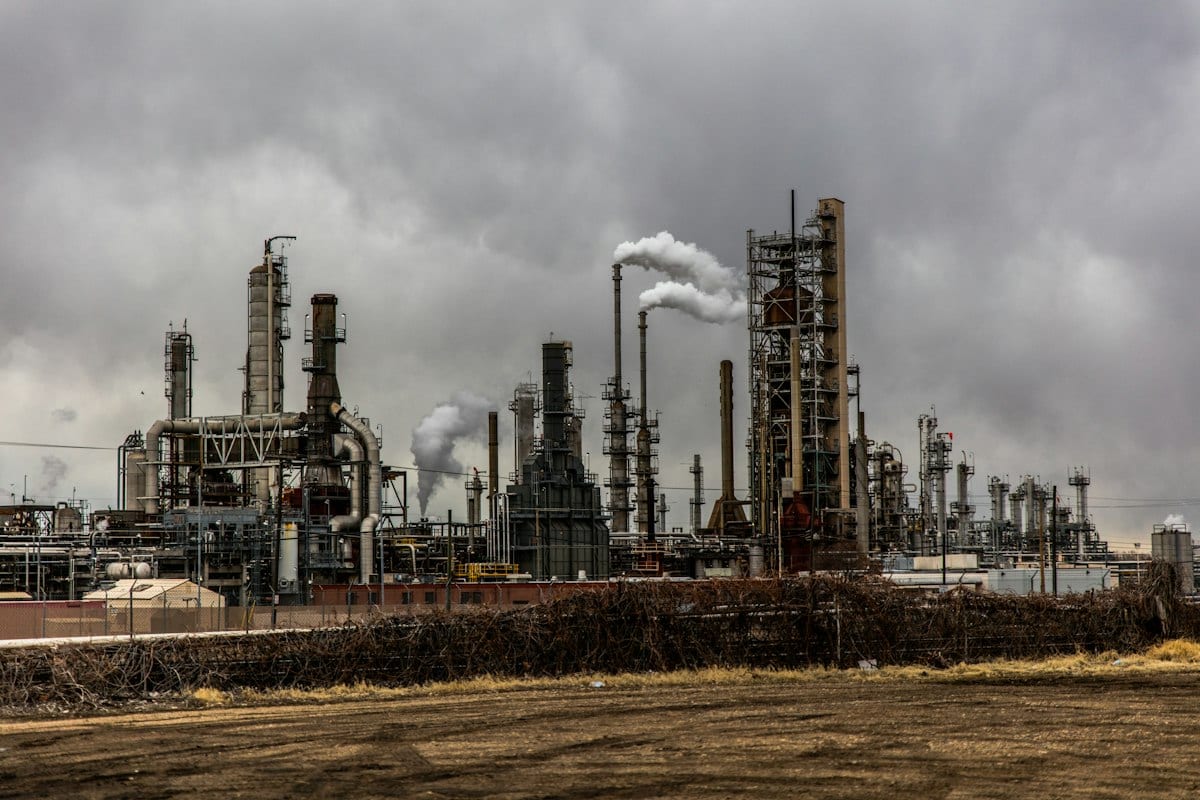
H2Global's renewable-ammonia purchase contract
Germany's H2Global programme uses Hintco, the Hydrogen Intermediary Company, to buy renewable fuels under long contracts and sell them through separate auctions. Hintco has signed a contract with Fertiglobe worth up to EUR397 million, with initial renewable-ammonia deliveries scheduled for 2027 and further deliveries extending to 2033. The purchased product is intended for later resale rather than government consumption. Hintco's sales-auction page still describes the forthcoming framework and auction process, so the signed purchase is stronger evidence than any claim of a completed buying-and-reselling cycle. Renewable ammonia is an emissions-reduction analogue, not CDR. Its relevant lesson is that an intermediary can take the supplier's long-term purchasing risk before final buyers commit, provided the programme finances the resulting exposure.
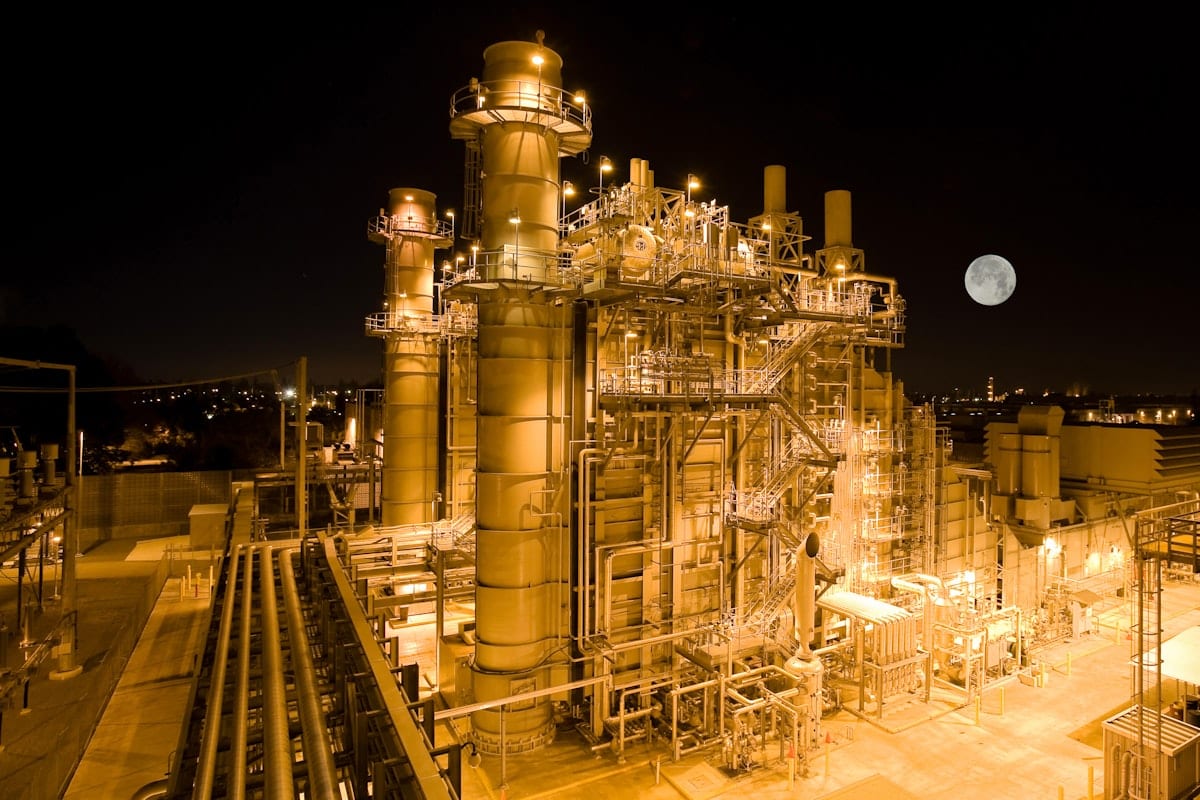
H2Global's joint German-Dutch and regional auction windows
Hintco's mid-year update distinguishes four regional windows in their final-bid phase, a methanol window in advanced negotiations and a joint German-Dutch window at an earlier negotiation stage. The joint window allocates approximately EUR567 million to secure minimum contractual quantities and targets physical hydrogen deliveries to the two countries in different years. Negotiations address financing, foreign production and European import capacity as part of the standard purchase agreement. These are active auction procedures, not reported awards or deliveries. The distinct lesson for CDR is that joint sponsors and different delivery destinations can use the same intermediary, but must resolve funding shares, infrastructure dependencies and contract conditions before bids become reliable commitments. The programme concerns renewable fuels and establishes no removal outcome.
More Capital formation and risk sharing

Advance market commitments
A binding promise to buy a set volume of removals at an agreed price once suppliers deliver.
Cost
Low to Very high
Complexity
Medium to High
Timeline
Very short to Medium
Integrity, transparency & MRV
2–4Innovation & cost reduction
2–5Social & environmental safeguards
1–3Energy, transport & storage infrastructure
N/AInputs & capacity
N/ADemand formation
3–5Bankability and cost of capital
3–5Policy architecture & coordination
1–3
Carbon contracts for difference (CCfDs)
A guaranteed price per verified tonne that tops up revenue when the market price falls short.
Cost
Low to Very high
Complexity
High
Timeline
Short to Medium
Integrity, transparency & MRV
2–3Innovation & cost reduction
2–4Social & environmental safeguards
1–3Energy, transport & storage infrastructure
N/AInputs & capacity
N/ADemand formation
2–4Bankability and cost of capital
4–5Policy architecture & coordination
2–4
Publicly supported currency hedging
Public backing enabling a specialist provider to offer currency hedges CDR developers can't get commercially.
Cost
Low to Medium
Complexity
Low to High
Timeline
Very short to Medium
Integrity, transparency & MRV
N/AInnovation & cost reduction
N/ASocial & environmental safeguards
N/AEnergy, transport & storage infrastructure
N/AInputs & capacity
N/ADemand formation
1–2Bankability and cost of capital
3–4Policy architecture & coordination
1–2©2026 Alexander Mäkelä and Carbon Gap.
Except where otherwise indicated, this work is licensed under the Creative Commons Attribution–NonCommercial–ShareAlike 4.0 International Licence.
Headline and barrier scores based on Carbon Gap analysis.