 System and capacity enablers
INFRASTRUCTURE REPURPOSING FRAMEWORKS
Lever last updated: 14 September 2026
A legal route for converting oil and gas assets to CO₂ transport or storage.
Cost
Very low to Medium
Authorities pay for legal guidance, asset records, application reviews and technical inspections. Existing regulators can handle a few conversions; a national programme needs specialist staff and commissioned assessments. Conversion works, preservation payments and site remediation require separate financing.
Complexity
Low to High
Existing laws may permit revised guidance and coordinated applications. Where duties conflict, governments must amend petroleum, storage and decommissioning law, assign responsibilities across agencies and establish how liabilities pass between owners without leaving gaps.
Timeline
Short to Medium
Existing regulators can resolve permissions and liabilities sufficiently for owners to commit to conversion within one to two years. Incompatible petroleum, storage and decommissioning laws may take two to five years to reconcile before investment proceeds. Engineering and operation follow those decisions.
Integrity, transparency & MRV
Innovation & cost reduction
Social & environmental safeguards
Energy, transport & storage infrastructure
Inputs & capacity
Demand formation
Bankability and cost of capital
Policy architecture & coordination
Overview
Governments can create a clear legal route for converting suitable oil and gas assets to CO₂ transport or storage before they are dismantled. Owners and prospective storage operators apply to retain and reuse wells, pipelines, platforms or terminals, supplying evidence that they can perform the new task safely. Authorities specify which permissions must change, whether dismantling deadlines can be postponed and who pays for inherited defects and eventual closure. This lets developers compare conversion with new construction while usable assets and records still exist. Geological removal projects may then obtain transport or storage with less new construction. The policy governs permission and responsibility for reuse; owners must still finance the engineering work, and unsuitable assets must be decommissioned.
Key Considerations
Authorities should define which existing duties to dismantle assets and restore sites can be delayed, for how long and on what evidence of a credible reuse project. They need to assign responsibility for inherited defects, conversion work, storage operation and eventual closure, including any later transfer to the state. Independent engineers should test whether wells and equipment can tolerate the proposed CO₂ composition and pressures, and whether the reservoir will contain it. New operators need access to historical records before accepting those responsibilities. A funded fallback is essential if conversion fails after dismantling has been postponed.
Opportunities
Suitable reuse can avoid some new construction and preserve geological records, equipment and specialist workers that would otherwise be lost as petroleum activity ends. Reviewing assets before dismantling decisions allows developers to compare conversion with new facilities while both options remain available. A clear sequence of permissions and responsibility transfers can also shorten negotiations between old and new operators. The savings depend on the asset's condition and fit with the proposed storage chain; prior industrial use does not remove the need to assess the changed environmental effects or consult affected communities.
Risks
Legacy defects can turn an apparently cheap asset into a costly liability. Deferring decommissioning without credible finance and a delivery timetable can leave the state exposed if reuse fails. Incomplete records or weak transfer terms can obscure who must pay for inherited damage. Repurposing may also lock projects into unsuitable locations or favour incumbents. Independent verification, time-limited deferral and a funded fallback are needed to preserve reuse value without abandoning existing responsibilities.
Monitoring and Evaluation
Authorities should record which assets are screened, approved or rejected for reuse and why. Before responsibility changes hands, they should check technical assessments, named liability holders and the funds available if conversion fails. Later reviews should compare conversion costs, incidents and reliability with suitable new-build alternatives. Repeated defects or missed reuse deadlines should trigger additional work, withdrawal of deferrals or the funded decommissioning plan, rather than leave the asset indefinitely in limbo.
Stakeholder Engagement
Petroleum, storage and environmental regulators must coordinate their decisions and information requirements. Current and prospective operators should provide asset records and credible financing plans. Independent engineers should assess whether equipment can be safely converted, while workforce bodies help plan changed duties and training. Coastal communities and other marine users should help identify the effects of the proposed conversion and the conditions needed to manage them.
Governance Levels
National and regional or state authorities can establish conversion procedures where they control petroleum assets, subsoil rights and decommissioning. Supranational lawmakers can set common rules for storage permits, closure and transfers of responsibility, which national authorities apply to proposed conversions. The agencies responsible for old and new uses must coordinate their decisions so an asset does not receive incompatible operating and dismantling requirements.
Implementation Strategies
Authorities should inventory potentially reusable assets before dismantling deadlines and compare them with credible future CO₂ service needs. They should preserve an option only where technical and commercial evidence justifies the cost and delay.
Governments should agree the necessary permissions across petroleum and storage law, require release of relevant records and name who pays for inherited defects, conversion, operation and final closure. Any later transfer to a public authority should have explicit conditions.
Regulators should require independent engineering assessment of each asset and state who pays for it. Applicants should compare conversion costs and risks with new construction, including the effects of using a different CO₂ composition and operating pressure.
Authorities should link any delay in decommissioning to a financed conversion timetable, with expiry dates and a funded fallback if reuse fails. Related permits should be coordinated so an approval from one body does not leave contradictory duties under another.
Regulators and operators should publish lessons from both successful and rejected conversions. Operating evidence on leaks, reliability and maintenance costs should inform later applications and updates to the rules.
Case Studies
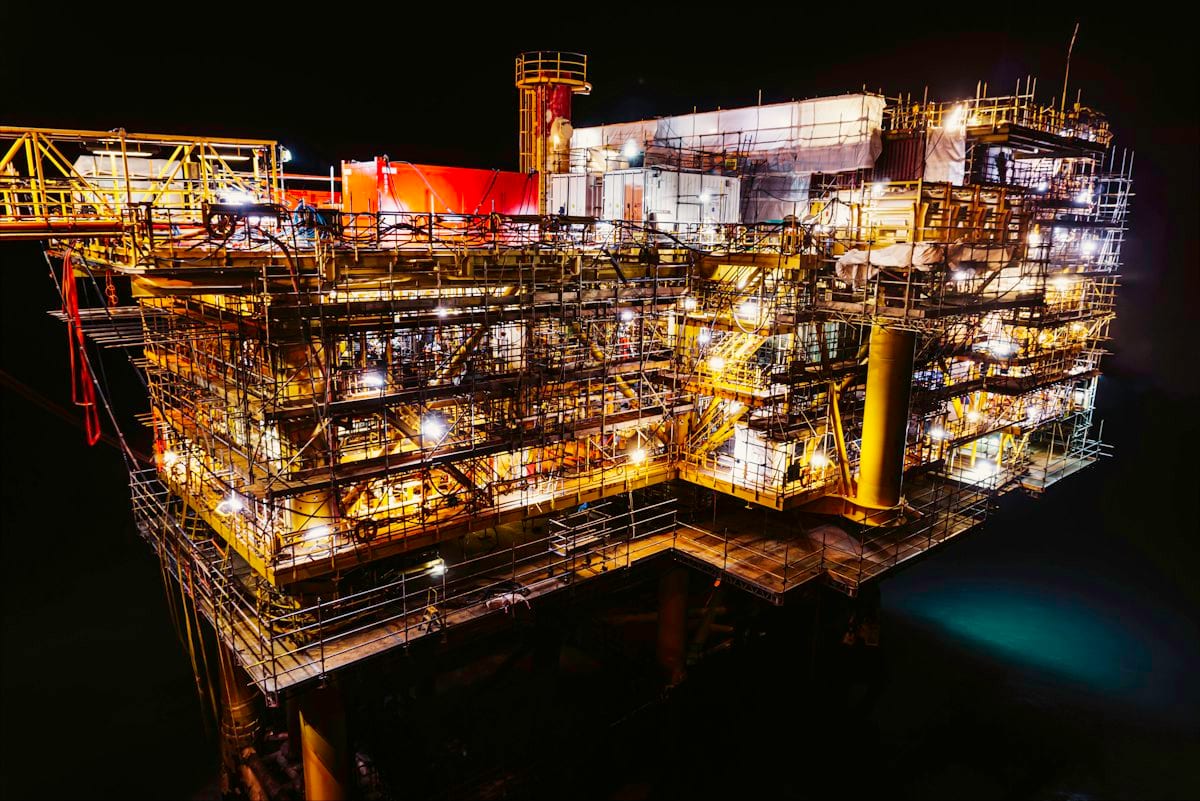
Greensand and the Nini West field
Greensand is a Danish storage project converting infrastructure at the Nini West oil field to receive CO₂. The consortium's development account records an investment decision in December 2024 and the subsequent storage permit, allowing the project to proceed beyond the earlier pilot. The European Commission's September 2026 project factsheet describes reuse of oil and gas infrastructure to store biogenic CO₂, with a funded plan for 0.3 million tonnes annually over eight years. Existing wells and offshore facilities can therefore acquire a new commercial use through technical conversion and storage authorisation. The figures describe the funded project, rather than a general permit limit or the project's wider expansion ambitions. The case establishes an investment and permission route for reuse; the cited materials do not establish completed commercial injection under that plan.
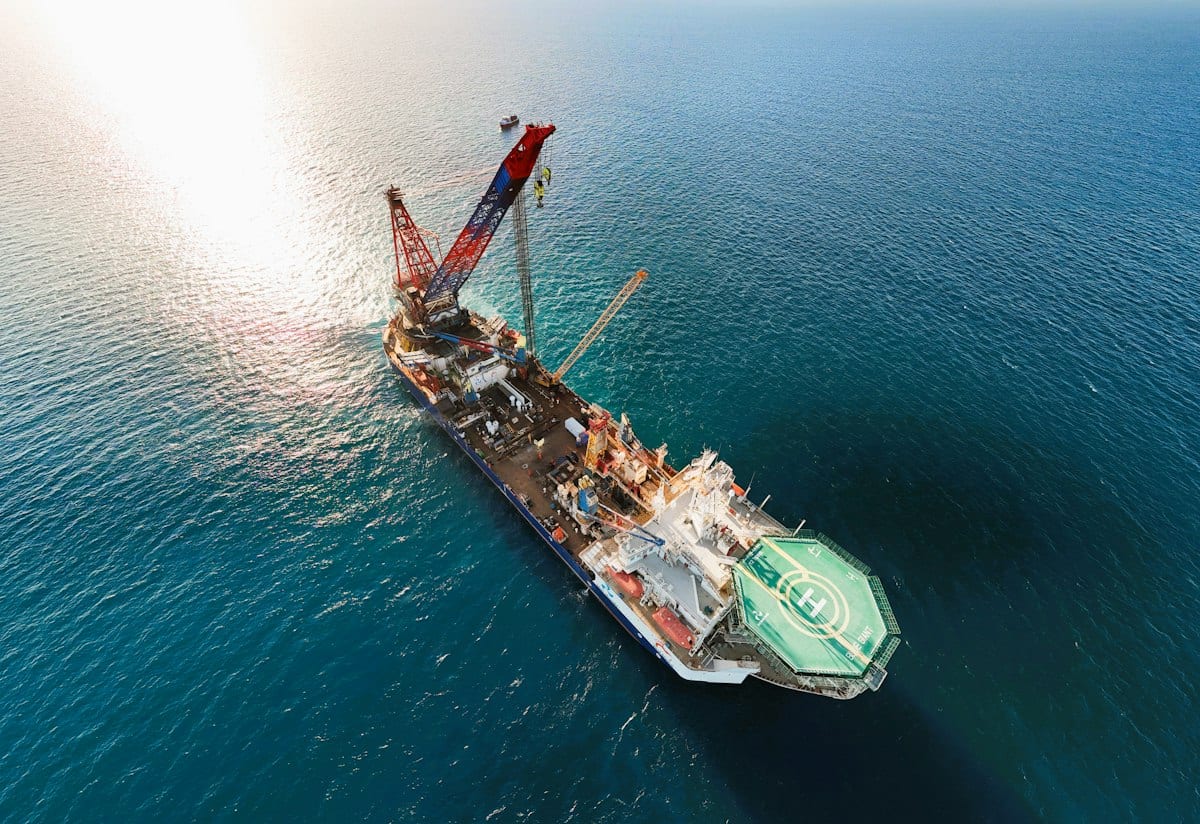
UK repurposing and Liverpool Bay
The North Sea Transition Authority, the UK's offshore oil, gas and carbon-storage regulator, asks operators to examine technically and economically feasible reuse before production ends through its Asset Transition Process. This brings the choice between conversion and dismantling into the same early assessment, using asset records and proposed closure dates. Separately, Eni's April 2025 financing agreement for Liverpool Bay describes a funded development combining new and repurposed infrastructure with depleted gas reservoirs. A standing review procedure preserves credible options before dismantling, while each project still needs technical approval and agreed responsibility for existing and future liabilities. The resulting services may carry fossil or eligible biogenic CO₂.
More System and capacity enablers
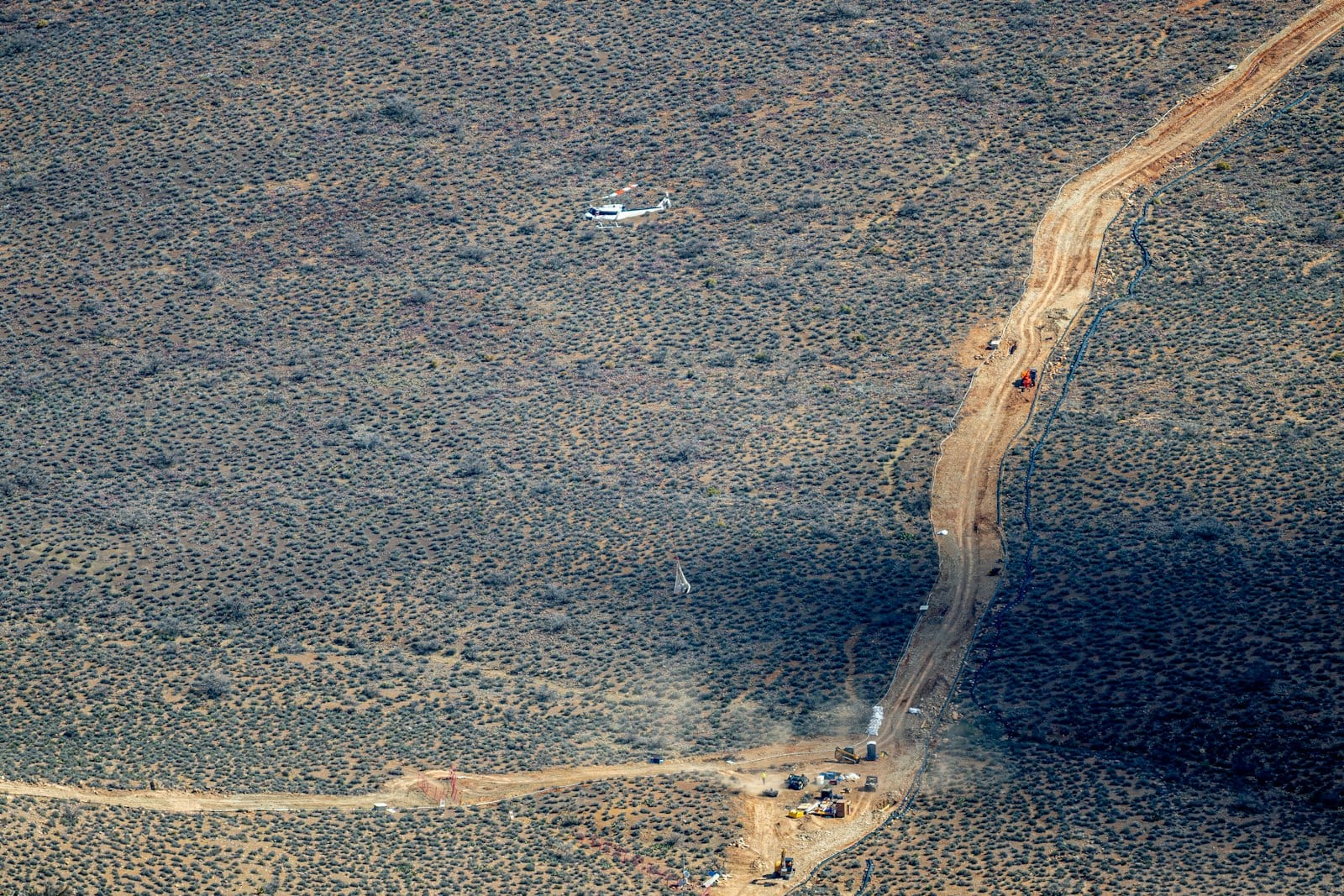
Cross-border CO₂ networks
Coordinated legal and technical rules letting CO₂ pipelines cross national borders.
Cost
Medium to Very high
Complexity
Medium to Very high
Timeline
Short to Long
Integrity, transparency & MRV
1–2Innovation & cost reduction
1–2Social & environmental safeguards
1–3Energy, transport & storage infrastructure
3–4Inputs & capacity
N/ADemand formation
N/ABankability and cost of capital
2–4Policy architecture & coordination
2–3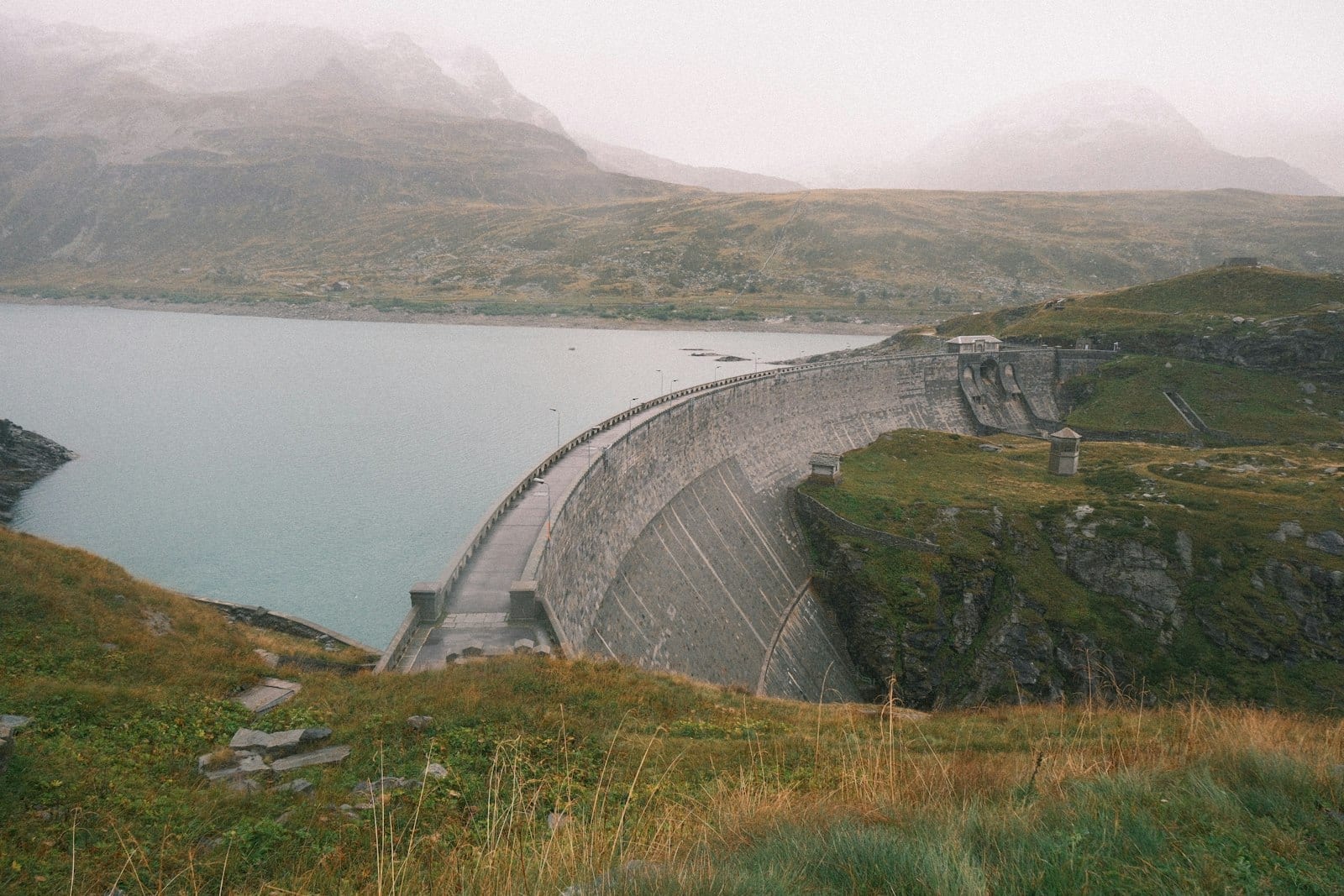
Permitting process streamlining
Reorganising how permitting authorities receive and decide project applications.
Cost
Very low to Medium
Complexity
Low to High
Timeline
Very short to Medium
Integrity, transparency & MRV
1–2Innovation & cost reduction
1–2Social & environmental safeguards
1–3Energy, transport & storage infrastructure
1–3Inputs & capacity
1–2Demand formation
N/ABankability and cost of capital
2–3Policy architecture & coordination
2–4
Infrastructure hubs
A shared site bringing electricity, water and CO₂ transport together for several users.
Cost
Medium to Very high
Complexity
Medium to High
Timeline
Medium to Long
Integrity, transparency & MRV
1–2Innovation & cost reduction
2–3Social & environmental safeguards
2–3Energy, transport & storage infrastructure
3–4Inputs & capacity
2–3Demand formation
N/ABankability and cost of capital
2–4Policy architecture & coordination
2–3©2026 Alexander Mäkelä and Carbon Gap.
Except where otherwise indicated, this work is licensed under the Creative Commons Attribution–NonCommercial–ShareAlike 4.0 International Licence.
Headline and barrier scores based on Carbon Gap analysis.