 Integrity and accountability
INDEPENDENT SCIENTIFIC ADVISORY AND OVERSIGHT BODIES
Lever last updated: 10 September 2026
A standing independent body reviewing removal evidence and deployment against climate goals.
Cost
Very low to Low
The public authority funds independent experts, administrative support and research to scrutinise CDR plans, assess policy progress and publish recommendations. Adding CDR to an existing body costs mainly the additional expertise and workload. Establishing a permanent institution costs more, particularly where it conducts regular evidence reviews, commissions studies and consults widely.
Complexity
Low to High
Adding a CDR work programme to an existing climate body uses established appointments, publication and evidence-gathering procedures. A new analytical unit requires specialist recruitment and access to departmental information. A new statutory institution also needs legislation, independent governance, protected publication rights and government-response duties across departments.
Timeline
Very short to Medium
From formal approval of an additional work programme, an established body could gather evidence, consult and influence a live target, procurement or budget decision within a year. A new panel may need one to two years for recruitment, analysis and an authority's response; a new statutory body may need two to five years. The timeline is based on the first material effect is a changed decision or accountable corrective action following scrutiny, not a first report.
Integrity, transparency & MRV
Innovation & cost reduction
Social & environmental safeguards
Energy, transport & storage infrastructure
Inputs & capacity
Demand formation
Bankability and cost of capital
Policy architecture & coordination
Overview
Governments can give an independent climate or environmental advisory body a continuing duty to examine carbon removal within the wider transition. The body reviews evidence, compares deployment plans with available resources, tests the treatment of remaining emissions and reports whether policy is delivering. Its advice can inform targets, budgets and programme design; repeated public scrutiny can require decision-makers to explain and correct gaps. The normal approach is to add removal expertise and a clear work programme to a broader institution, rather than create a body devoted only to CDR. Removal depends on energy, land, water, industry and communities, so those interactions belong in the mandate. The body advises and scrutinises; elected authorities retain responsibility for policy and delivery.
Key Considerations
The mandate should connect specified activities to decisions the responsible government actually controls. These activities can include assessing removal needs and durability, testing deployment scenarios, reviewing safeguards, evaluating policy delivery and publishing recommendations before target or budget decisions. Independence requires credible appointments, reliable resources, access to evidence and freedom to publish. Statutory models can require government to respond, while advisory partnerships rely more on public commitments and scrutiny. Members need physical science, economics, engineering, land-use and social expertise. The body should assess carbon removal alongside emissions reduction and adaptation, and should not administer the programmes whose performance it evaluates.
Opportunities
A standing adviser can carry knowledge across electoral cycles and expose unrealistic assumptions before they are embedded in targets or public spending. Analysis of energy demand, land availability and storage durability can help government choose a credible removal portfolio and recognise where other policies must change. Regular progress reports allow legislators and the public to compare commitments with delivery and ask who will address a shortfall. A broad mandate also reveals conflicts between removal, adaptation, biodiversity and other sectors. These benefits arise when advice informs a decision or changes scrutiny and follow-up; publishing a report alone does not deliver additional removals.
Risks
Advice can be ignored or used to postpone decisions through repeated requests for further study. Budget pressure, appointments or selective evidence can bias assessments towards technological optimism or unwarranted pessimism. A broad climate institution may give CDR too little attention, while a narrowly dedicated removal body may overlook competing uses of land, energy and public money. Precise scenarios can conceal uncertainty, and a body responsible for delivery may become reluctant to criticise its own programmes. A published work programme, plural expertise, external review and a clear government-response process can help preserve both independence and practical relevance.
Monitoring and Evaluation
Legislators and the commissioning authority should examine whether recommendations arrive before the decisions they are intended to inform, receive substantive responses and lead to identifiable follow-up. The body should compare earlier deployment and resource assumptions with observed results and explain revisions. Changes to targets, eligibility rules, budgets or contingency plans provide evidence of influence, although the body's contribution should be distinguished from other causes. Periodic independent review should assess scientific quality, access to information and freedom to challenge government. Agreement with ministers or the number of reports published should not be the measure of success.
Stakeholder Engagement
Researchers and technical specialists should provide evidence on removal potential, constraints and uncertainty. Industry, labour and affected communities should explain delivery conditions, employment implications and local effects, with the body showing how conflicting evidence was weighed. Government departments should name the officials responsible for evaluating recommendations and preparing responses. Legislators and local representatives can use public hearings to examine unresolved questions. The advisory body should retain control of its conclusions and invite external scientific review without giving stakeholders a veto over inconvenient findings.
Governance Levels
National, regional and city authorities can establish or strengthen independent advice for their own climate decisions. Cities can use a smaller advisory partnership, as in Leeds, whose powers differ from a statutory national committee. Supranational institutions can mandate advice across Member States. Existing international assessment bodies can examine removal within intergovernmental climate work, although they cannot require a domestic government response. Companies and foundations may contribute expertise or funding; their ordinary internal panels do not provide this public accountability mechanism.
Implementation Strategies
Governments should assess whether an existing climate or environmental advisory institution can carry the removal remit. Its work programme should cover interactions with emissions reduction, adaptation and natural resources, with named assessments timed to the decisions they should inform.
The commissioning authority should match staffing and commissioned research to that work programme, protect appointments and publication rights, and require disclosure of conflicts. Additional CDR expertise should fill identified gaps while drawing on the broader institution's analytical and administrative capacity.
Policymakers should request advice before major target, market or infrastructure decisions and provide the necessary programme data. Assessments should explain remaining emissions, storage duration, deployment constraints and the corrective options available if planned removals fail to arrive.
The body should publish recommendations alongside the responsible authority's response and examine follow-through at its next review. External evaluation should test its methods, independence and influence on decisions, while keeping advice and scrutiny separate from programme delivery.
Case Studies

European Scientific Advisory Board on Climate Change
The European Scientific Advisory Board on Climate Change is an independent body established under the European Climate Law to advise on the EU's wider climate transition. Its February 2025 removal assessment recommended separate legal targets for emissions, temporary land removals and permanent removals from novel methods. It also considered innovation support, safeguards and conditions for integrating permanent removals into the EU carbon market. Examining these choices together helps policymakers see how target design, incentives and environmental limits interact. Publication gives legislators and civil society a basis for questioning later proposals and omissions. A broad climate institution supplied detailed CDR advice; the recommendations did not themselves adopt targets, allocate funding or change market rules.
UK Climate Change Committee
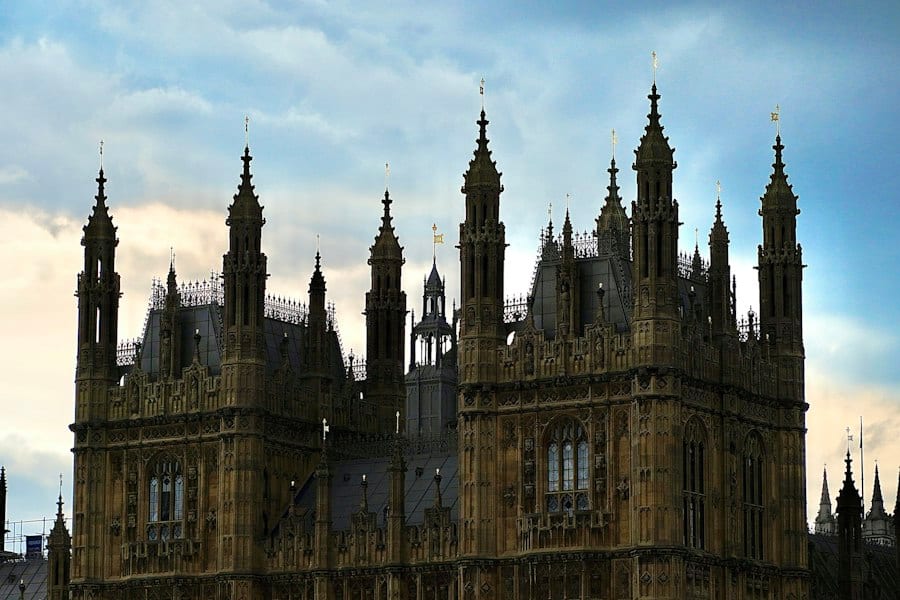
The UK's Climate Change Committee is an independent statutory body that advises government and reports to Parliament under the Climate Change Act. Its June 2026 progress report examined whether the engineered removals assumed in the government's climate plan had credible policies and funding behind them. It recognised progress but identified continuing uncertainty over long-term finance and the rapid expansion expected in the 2030s. It recommended a delivery strategy, clearer responsibilities and contingency planning for shortfalls. Publishing those specific gaps gives Parliament and the public questions to put to ministers and a record against which to assess their response. Repeated scrutiny can focus attention on unresolved decisions, while the wider climate mandate allows reliance on removals to be assessed alongside opportunities for further emissions cuts.

Leeds Climate Commission
The Leeds Climate Commission is an independent city advisory partnership established in 2017, supported by a small university-based staff team. It brings together public, private and civic expertise across emissions reduction, adaptation, nature and a just transition. Its 2019 carbon roadmap set out local targets and possible actions, and Leeds City Council committed to work with it on a citywide conversation to develop a plan and milestones. Independent analysis was therefore connected to the city's planning process and public discussion. A comparable panel could scrutinise local land-removal plans or municipal purchasing where these are material decisions. Leeds is a city climate-advice analogue, not evidence of a dedicated CDR panel or a statutory duty on government to accept its advice.

New South Wales Net Zero Commission
The Net Zero Commission is an independent advisory body for the Australian state of New South Wales, with a statutory annual reporting duty. Its July 2026 progress report recommended a credible strategy for remaining emissions that establishes a clear role for carbon removals while prioritising avoidance and reduction. It also examined land-sector uncertainty and links between land use, agriculture and climate policy. Bringing those questions into the same assessment allows state decision-makers to test whether removal assumptions are consistent with resource constraints and wider targets. The report gives ministers a specific recommendation to respond to and later reviews a basis for assessing progress. It is evidence of removal-related advice within a broad state mandate, rather than evidence that the recommended strategy has already been implemented.
More Integrity and accountability

Measurement, reporting and verification protocols
A common rulebook specifying how projects must measure, report and verify their removals.
Cost
Very low to Low
Complexity
Low to High
Timeline
Short to Medium
Integrity, transparency & MRV
3–5Innovation & cost reduction
1–2Social & environmental safeguards
1–2Energy, transport & storage infrastructure
N/AInputs & capacity
1–2Demand formation
1–2Bankability and cost of capital
1–2Policy architecture & coordination
2–4
Certification schemes
Independent assurance that a removal project and its results meet defined quality standards.
Cost
Very low to Medium
Complexity
Low to High
Timeline
Short to Medium
Integrity, transparency & MRV
3–4Innovation & cost reduction
1–2Social & environmental safeguards
2–4Energy, transport & storage infrastructure
N/AInputs & capacity
1–2Demand formation
1–2Bankability and cost of capital
1–3Policy architecture & coordination
2–4
Carbon credit legal status
Legislation or guidance clarifying what legal rights a carbon credit holder actually has.
Cost
Very low to Low
Complexity
Low to High
Timeline
Short to Medium
Integrity, transparency & MRV
2–3Innovation & cost reduction
N/ASocial & environmental safeguards
N/AEnergy, transport & storage infrastructure
N/AInputs & capacity
N/ADemand formation
1–3Bankability and cost of capital
2–3Policy architecture & coordination
3–4©2026 Alexander Mäkelä and Carbon Gap.
Except where otherwise indicated, this work is licensed under the Creative Commons Attribution–NonCommercial–ShareAlike 4.0 International Licence.
Headline and barrier scores based on Carbon Gap analysis.