 Capital formation and risk sharing
GRANTS
Lever last updated: 10 September 2026
Non-repayable public funding for removal work too early or uncertain for commercial finance.
Cost
Very low to Very high
Grant makers pay awards, staff, technical review, monitoring and audit. A small research call can remain below EUR1 million annually, while portfolios funding several first-of-a-kind plants can exceed EUR1 billion.
Complexity
Low to High
Existing grant makers can add research calls through established procedures. Large deployment programmes require budgets, technical selection, lifecycle and storage methods, milestones, foreign-applicant and subsidy rules, permitting coordination, audits and recovery powers.
Timeline
Very short to Medium
Existing grant makers can begin research within a year. New construction programmes may need two to five years to secure budgets, select projects, complete agreements and change investment or building decisions.
Integrity, transparency & MRV
Innovation & cost reduction
Social & environmental safeguards
Energy, transport & storage infrastructure
Inputs & capacity
Demand formation
Bankability and cost of capital
Policy architecture & coordination
Overview
Grants are non-repayable awards for specified work that delivers a public benefit but is too uncertain, early or unprofitable to finance commercially. They commonly support research, technology development, project preparation, demonstrations and deployment. They may cover research costs, development expenditure such as engineering and permits, capital expenditure on equipment and construction, or limited operating expenditure while a project proves performance. For CDR, grants can support scientific studies, field trials, measurement, first plants and shared learning. Unlike procurement, they do not buy removals. Unlike loans, recipients normally repay nothing if conditions are met.
Key Considerations
Design starts with the problem and stage. Research grants should generate evidence; development grants can fund engineering and permits; capital grants can build pilots or first plants; operating grants should be temporary and linked to learning or verified performance. Funders must decide eligible costs, award size and whether recipients contribute money. CDR eligibility should require a credible route to net atmospheric removal, appropriate storage, sustainable inputs and safeguards. Payments can follow milestones. Rules should also address open data, intellectual property, recovery of misused funds, legal limits on public subsidies and the route from a grant to permits, finance and buyers.
Opportunities
Grants can bridge the “valley of death” between a promising laboratory result and the field evidence or first plant needed for commercial finance. They can fund knowledge, measurement tools and demonstrations whose benefits spread beyond one recipient, while cost-sharing can bring in private capital. A varied portfolio can widen the supplier base, build skills and reveal which approaches merit further support. Grants help projects reach the market, but they do not provide the recurring demand or revenue needed once public funding ends.
Risks
Grants can subsidise work recipients would have funded anyway, while selection may favour familiar technologies or applicants able to provide match funding. Applicants may overstate readiness, cost reductions or access to permits, inputs, storage and customers. Slow decisions can stall smaller recipients, while weak milestone checks allow failing projects to continue. Excessive secrecy hides lessons, but forced disclosure can expose valuable know-how. Capital grants may leave pilots idle if follow-on finance or demand never arrives.
Monitoring and Evaluation
Funders should judge each award against its stage. Research should produce usable evidence; development should reach designs or permits; capital grants should build and test facilities; operating support should demonstrate verified output and declining cost. Results, private funding attracted, delays, failures and safeguards should determine whether payments continue and how later calls change.
Stakeholder Engagement
Grant makers should map needs with researchers, CDR developers, equipment, input and storage providers, investors and potential buyers. Independent technical, lifecycle and standards experts can test milestones and removal claims. Smaller applicants can expose application barriers, while affected communities and civil society should shape safeguards, benefit sharing and what results must be public.
Governance Levels
International funds and supranational institutions can invite applications from several countries; national, regional and municipal governments can award grants under their spending powers. Companies can fund research or demonstration through corporate grant programmes, while foundations can make grants aligned with their mission. Larger levels are suited to expensive demonstrations, and smaller levels to local trials, skills and community participation. They may co-fund one project, but each grant maker remains responsible for selection, agreements, milestone checks and recovery. Grants still need CDR rules where they support removal activity.
Implementation Strategies
Define the knowledge, development or deployment problem before choosing eligible costs and project stages.
Set CDR eligibility, safeguards, award sizes, selection criteria and any proportionate recipient contribution.
Use independent reviewers to select a varied portfolio and agree evidence, spending and construction milestones.
Release payments as milestones are verified, publish useful results and recover money where recipients breach material conditions.
Help successful projects move to permits, infrastructure, later finance and buyers rather than ending support at demonstration.
Case Studies
Rotterdam and Kansen voor West grant to Paebbl
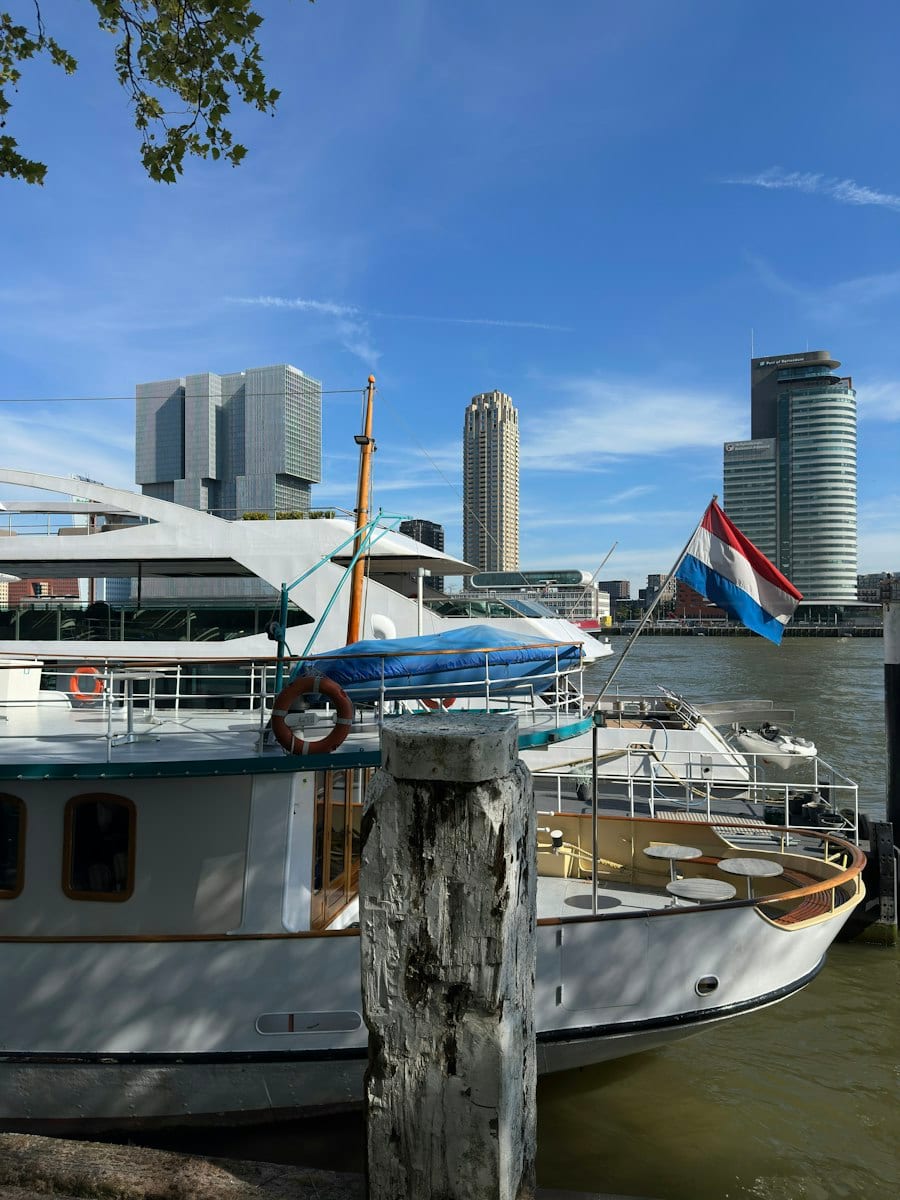
In August 2026, the City of Rotterdam awarded Paebbl EUR805,000 through Kansen voor West, which implements the European Regional Development Fund in the western Netherlands. Paebbl says the grant finances work between its continuous CO₂-mineralisation demonstration plant and a proposed commercial plant designed for 60,000–100,000 tonnes of material annually. The award is recent, so it does not show that the commercial plant was built or removals delivered. It illustrates grants bridging the “valley of death” after demonstration but before commercial investment. Paebbl’s process can use CO₂ from different sources, so the announcement does not establish net atmospheric removal.

United Kingdom Greenhouse Gas Removal Demonstrators
From February 2021, UK Research and Innovation ran a £31.5 million grant programme to assess removal methods through field demonstrators and a research hub, with activity scheduled through 2026. Its 2025–26 annual report says the programme published a synthesis in December 2025 and produced a common framework for comparing methods. The programme page allocated £22.5 million to demonstrations and £6.1 million to the hub. These were delivered research outputs, not verified removal tonnes. The case shows grants can create shared evidence and field experience before commercial finance is available.

EU Innovation Fund support for Stockholm Exergi
On 1 April 2022, Stockholm Exergi and the EU Innovation Fund signed a €180 million grant agreement for a full-scale bioenergy with carbon capture and storage facility. The grant helps convert an existing biomass heat-and-power plant to capture biogenic CO₂ for permanent geological storage. The project secured an environmental permit in March 2024, and site works began in May 2025, but capture is planned only from 2028. The grant is one of three funding sources alongside Swedish operating support and carbon-removal sales, showing that capital support can contribute to construction without replacing later revenue.

United States Carbon Negative Shot Pilots
In October 2024, the United States Department of Energy selected 11 projects for more than $58.5 million under its Carbon Negative Shot pilots. The proposed instrument was a cooperative agreement, a non-repayable federal award that lets the department remain involved in delivery. The portfolio covers five biomass removal-and-storage pilots, four mineralisation pilots and two shared testbeds; project listings also identify non-federal contributions. The cited page reports selections and intended funding, but no completed pilots or removals. It shows how government can assemble a varied, cost-sharing portfolio, but not whether any pilot works.
More Capital formation and risk sharing

Advance market commitments
A binding promise to buy a set volume of removals at an agreed price once suppliers deliver.
Cost
Low to Very high
Complexity
Medium to High
Timeline
Very short to Medium
Integrity, transparency & MRV
2–4Innovation & cost reduction
2–5Social & environmental safeguards
1–3Energy, transport & storage infrastructure
N/AInputs & capacity
N/ADemand formation
3–5Bankability and cost of capital
3–5Policy architecture & coordination
1–3
Carbon contracts for difference (CCfDs)
A guaranteed price per verified tonne that tops up revenue when the market price falls short.
Cost
Low to Very high
Complexity
High
Timeline
Short to Medium
Integrity, transparency & MRV
2–3Innovation & cost reduction
2–4Social & environmental safeguards
1–3Energy, transport & storage infrastructure
N/AInputs & capacity
N/ADemand formation
2–4Bankability and cost of capital
4–5Policy architecture & coordination
2–4
Publicly supported currency hedging
Public backing enabling a specialist provider to offer currency hedges CDR developers can't get commercially.
Cost
Low to Medium
Complexity
Low to High
Timeline
Very short to Medium
Integrity, transparency & MRV
N/AInnovation & cost reduction
N/ASocial & environmental safeguards
N/AEnergy, transport & storage infrastructure
N/AInputs & capacity
N/ADemand formation
1–2Bankability and cost of capital
3–4Policy architecture & coordination
1–2©2026 Alexander Mäkelä and Carbon Gap.
Except where otherwise indicated, this work is licensed under the Creative Commons Attribution–NonCommercial–ShareAlike 4.0 International Licence.
Headline and barrier scores based on Carbon Gap analysis.