 System and capacity enablers
ESTABLISHING AND OPERATING CDR TRADE ASSOCIATIONS
Lever last updated: 14 September 2026
An industry-formed association representing shared CDR interests to policymakers.
Cost
Very low to Low
Members pay for staff, research, consultation responses, meetings and governance. A small secretariat costs less than several specialist teams. This planning estimate includes annualised establishment expenditure.
Complexity
Low to Medium
A hosted coalition can use an existing institution's administration. A separate association requires incorporation, while both need agreed membership, voting, financing, conflict rules and staff responsibilities.
Timeline
Very short to Short
From a founding decision, an initial team could deliver shared policy work within a year. Establishing representative membership and sustained services may take one to two. Planning estimates.
Integrity, transparency & MRV
Innovation & cost reduction
Social & environmental safeguards
Energy, transport & storage infrastructure
Inputs & capacity
Demand formation
Bankability and cost of capital
Policy architecture & coordination
Overview
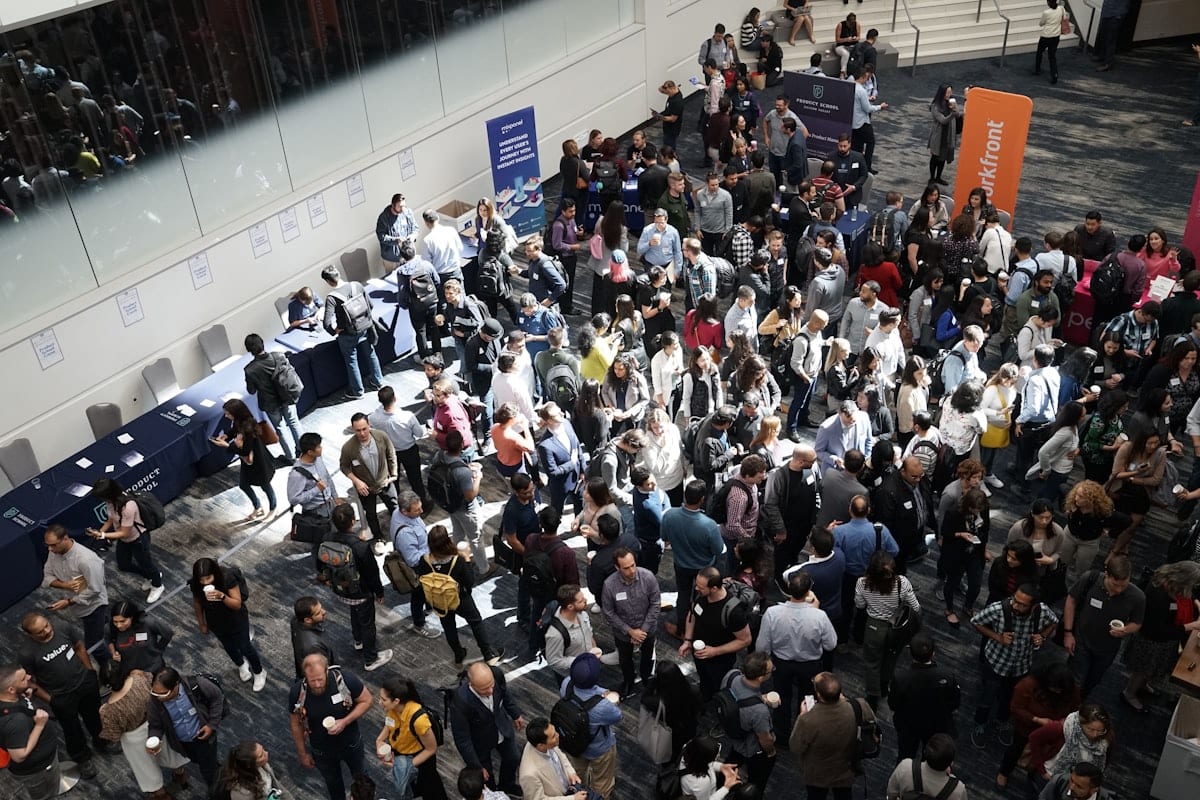
CDR companies may lack the time and resources to engage with policymakers or resolve problems shared across the industry. Companies can establish a trade association or a membership coalition within an existing institution, agree its rules and finance staff through membership fees. Members then develop positions, commission evidence, respond to consultations and maintain dialogue with government. The association can also organise buyer information, technical working groups and joint outreach. A foundation can help convene the founding members and establish the organisation. Agreed governance gives staff a mandate to represent members, while continuing contributions sustain the work between campaigns or projects.
Key Considerations
Founders should decide whom the association represents and which shared tasks need a continuing team. Membership, voting and board rules need to balance company sizes, removal methods and different parts of the value chain. Members must agree how positions are adopted and how dissent is recorded. Staff need sufficient resources and independence to assess evidence, including findings members dislike. Rules should address conflicts, confidentiality and competition law. An association's claim to represent the industry must reflect its actual membership. A credible funding plan should cover recurring work without making the organisation dependent on one company or donor.
Opportunities
An association can combine experience from several companies into practical proposals that individual firms may lack the resources to develop alone. A continuing team can explain common permitting, financing or purchasing problems and maintain relationships as officials and company staff change. Smaller firms gain a route to contribute to policy discussions. Members can pool research costs, agree shared priorities and organise buyer education or technical training. Cooperation between national associations can bring domestic experience into international discussions and help companies understand developments in other markets.
Risks
Large members may dominate positions or exclude competing methods. Pressure to present a united front can conceal disagreement or encourage exaggerated claims. Dependence on one sponsor can weaken independence. Associations may duplicate existing organisations, consuming scarce staff time and membership budgets. Sharing prices, customers or bidding plans can restrict competition. Policymakers may mistake industry representation for wider public consent, while membership may be presented misleadingly as proof of a company's environmental performance.
Monitoring and Evaluation
Members should assess whose interests are represented, whether work is delivered and how advice influences policy discussions or decisions. Evidence can include consultation submissions, research used by officials and shared problems resolved. Reviews should examine participation by smaller firms, funding concentration and member retention. Findings should guide priorities, governance and subscriptions; policy outcomes should not automatically be attributed to advocacy.
Stakeholder Engagement
Prospective members should agree the association's remit, decision rules and financing. Staff can gather operating evidence from members and test proposals with policymakers, researchers and buyers. Civil society and affected communities should be able to challenge assumptions and claims. Other associations can identify opportunities for joint work and avoid duplication. Funders should disclose conditions that might influence priorities or positions.
Governance Levels
Companies and industry participants can found, govern and finance a membership organisation and authorise it to represent their shared positions. Foundations can help convene founders, agree the organisation's structure and establish its initial team; providing a grant alone is financial support rather than this organising role. An association may cover a city, country, region or several countries. That geographic reach does not give it public regulatory authority or change who establishes and governs it.
Implementation Strategies
Founders should agree whom to represent, identify gaps in existing organisations and define the association's purpose.
Members should establish voting, funding, conflicts and competition rules, then appoint a representative board and capable staff.
The association should agree a focused work programme, gather evidence and authorise positions through a transparent member process.
Members should review representation, results and financial sustainability, adjusting priorities or cooperating with other bodies where useful.
Case Studies

France’s Association Française pour les Émissions Négatives (AFEN)
AFEN launched in April 2024 with more than 30 members, bringing together removal developers, buyers, investors and partners. Its board and dedicated staff give this emerging industry a continuing organisation for representing its interests and explaining carbon removal to public and private audiences. Alongside policy advocacy, AFEN has produced a French-language purchasing guide covering purchasing steps, credit-selection criteria and practical examples. The combination illustrates how an association can build a shared voice while producing resources that individual members and prospective customers can use.

Germany’s Deutscher Verband für negative Emissionen (DVNE)
Founded in July 2023, the German Association for Negative Emissions brings together removal companies through an executive board and a professional team covering policy, communications and partnerships. It turns industry knowledge into positions for government consultations. For example, its September 2025 submission on proposed changes to marine environmental law addressed CO₂ storage and exports and proposed a staged route from marine CDR research towards wider application as evidence develops. This shows how a standing association can provide detailed, collective input on rules affecting several companies and removal methods.
Nordic Carbon Removal Association (NCRA)
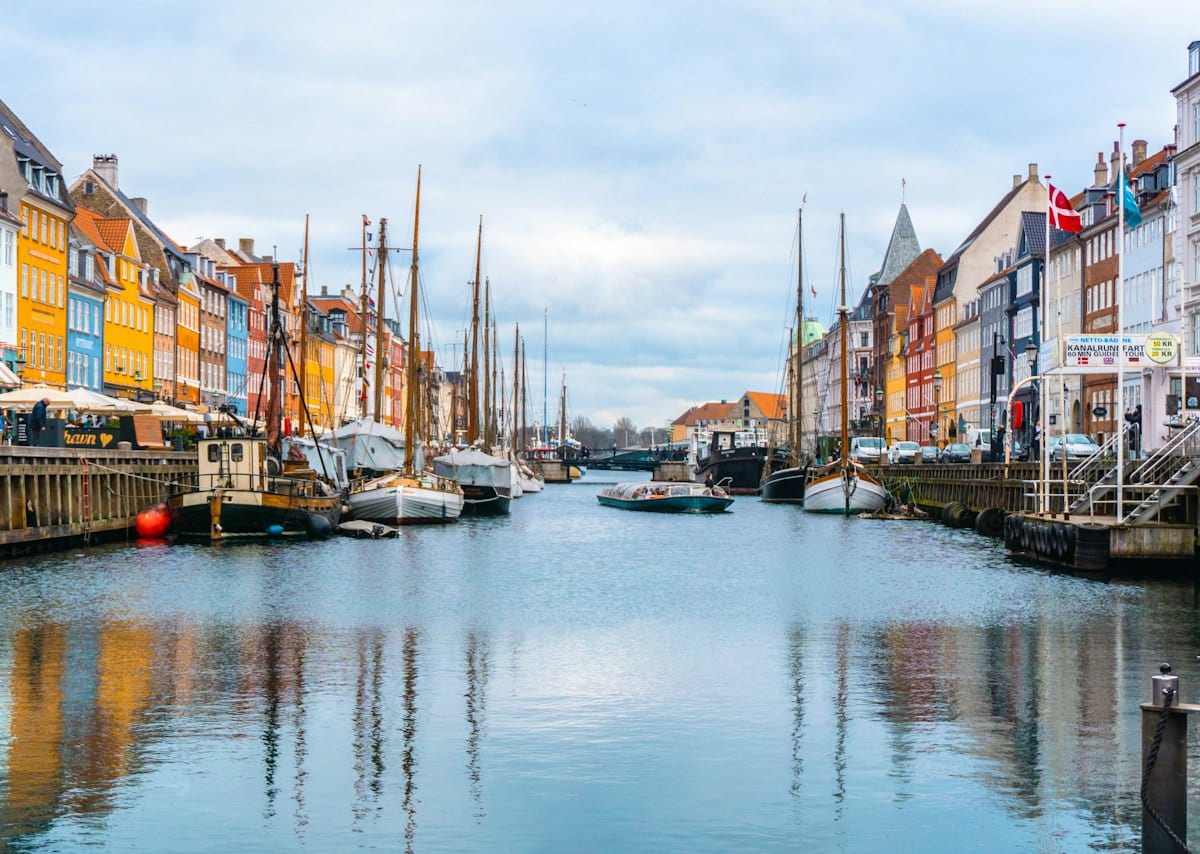
The Nordic Carbon Removal Association was established in 2025 as a non-profit trade association with a board and secretariat serving the Nordic region. Its membership spans removal suppliers, buyers, verification providers and transport and storage businesses. Members contribute through working groups on public affairs, demand, finance and deployment, including the infrastructure needed to move and store CO₂. This regional structure provides a continuing forum for developing shared positions across national borders and addressing problems that cross company and supply-chain boundaries. It illustrates organising around a connected regional industry rather than a single national market.

Negative Emissions Platform (NEP)
The Brussels-based Negative Emissions Platform brings developers, buyers and other market participants together through a membership organisation with a company-representative board and dedicated staff. Working groups develop positions on climate policy, certification and finance, giving members a route into collective European and international advocacy. Its 2025 annual report records 20 responses to EU and national consultations, 41 meetings with policymakers and six position papers and reports. These are concrete outputs of maintaining shared policy capacity, although they do not establish how much any resulting policy decision was attributable to the association.

Carbon Removal India Alliance
The Carbon Removal India Alliance (CRIA) brings together organisations developing durable removals in India, giving an emerging industry a continuing forum for joint work. Its published resources include policy analysis on the Indian carbon market, biochar and enhanced rock weathering, alongside reports from industry workshops. CRIA has also reported technical and policy engagement, including a knowledge session with agricultural researchers. The example shows how a national membership body can combine collective representation with practical research and information services that individual developers would otherwise have to organise separately.

Japan CDR Coalition
Mitsubishi Corporation and Mitsubishi Research Institute established the Japan CDR Coalition in September 2025. Companies participate through membership, a governing committee and working groups, with a secretariat hosted at Mitsubishi Research Institute. Its Market Formation Working Group held four meetings and method-specific sessions, producing a draft CDR industrialisation roadmap in 2026. This illustrates how companies can establish collective work and governance within a hosted organisation. The roadmap provides proposals for discussion; it is not an adopted government programme.

Carbon Removal Alliance in the United States
The Carbon Removal Alliance brings together removal developers and buyers to develop a shared voice in US policy. Its staff organise legislative briefings and help members understand federal programmes. In March 2026, it published joint federal funding requests covering removal research, enhanced rock weathering and the use of removals in mine remediation. The case shows the practical output of an industry association. Companies turn shared needs into specific proposals and sustain engagement with decision-makers. Publication of the requests does not establish that Congress adopted them.

Carbon Business Council and its Canadian coalition
The Carbon Business Council brings removal companies together across methods and countries. It also organises more focused coalitions, including a Canadian initiative with a company steering committee and civil-society observers. That initiative published policy recommendations and commissioned public-opinion research with the policy organisation Carbon Removal Canada. The Council's published consultation responses provide further examples of collective policy work. This illustrates how an established association can organise national representation without creating a separate organisation for every country, while combining company participation with outside expertise. Company members lead the initiative, while observers contribute policy expertise.

Carbon Removal Kenya
Carbon Removal Kenya brings together companies working on biochar, direct air capture, mineralisation and enhanced rock weathering. In March 2026, its steering-committee representative and coordinator reported meeting Kenya's Principal Secretary for Environment and Climate Change to introduce the industry association, discuss policy needs and explain its support for developers. The case illustrates how a national body creates an identifiable counterpart for government and organises representation across removal methods. A steering committee and coordinator give members a way to agree priorities and maintain contact with government between individual meetings.
More System and capacity enablers
Cross-border CO₂ networks
Coordinated legal and technical rules letting CO₂ pipelines cross national borders.
Cost
Medium to Very high
Complexity
Medium to Very high
Timeline
Short to Long
Integrity, transparency & MRV
1–2Innovation & cost reduction
1–2Social & environmental safeguards
1–3Energy, transport & storage infrastructure
3–4Inputs & capacity
N/ADemand formation
N/ABankability and cost of capital
2–4Policy architecture & coordination
2–3
Permitting process streamlining
Reorganising how permitting authorities receive and decide project applications.
Cost
Very low to Medium
Complexity
Low to High
Timeline
Very short to Medium
Integrity, transparency & MRV
1–2Innovation & cost reduction
1–2Social & environmental safeguards
1–3Energy, transport & storage infrastructure
1–3Inputs & capacity
1–2Demand formation
N/ABankability and cost of capital
2–3Policy architecture & coordination
2–4
Infrastructure hubs
A shared site bringing electricity, water and CO₂ transport together for several users.
Cost
Medium to Very high
Complexity
Medium to High
Timeline
Medium to Long
Integrity, transparency & MRV
1–2Innovation & cost reduction
2–3Social & environmental safeguards
2–3Energy, transport & storage infrastructure
3–4Inputs & capacity
2–3Demand formation
N/ABankability and cost of capital
2–4Policy architecture & coordination
2–3©2026 Alexander Mäkelä and Carbon Gap.
Except where otherwise indicated, this work is licensed under the Creative Commons Attribution–NonCommercial–ShareAlike 4.0 International Licence.
Headline and barrier scores based on Carbon Gap analysis.