 System and capacity enablers
ESTABLISHING AN INTERGOVERNMENTAL CDR ORGANISATION
Lever last updated: 14 September 2026
A treaty-based international organisation with a dedicated CDR mandate and governing bodies.
Cost
Low to Medium
A planning estimate spans a small international secretariat costing €1 million to €10 million annually and a broader technical organisation with country-assistance teams costing €10 million to €100 million. Combined direct expenditure includes staff, data, technical missions, member meetings and annualised establishment costs. Project investment or a removal-purchasing fund would require a separately funded mandate.
Complexity
High
Founders must negotiate a treaty and establish international governing bodies, financial rules, legal capacity, staffing and headquarters arrangements, alongside domestic ratification. The International Renewable Energy Agency's statute specifies these separate requirements. Coordinating them across sovereign members and an organisation with its own legal identity is integral to the lever.
Timeline
Medium to Long
A focused organisation built on an agreed coalition and existing technical team could move from formal negotiations to countries using its assistance within two to five years. Broader membership, successive ratifications and new country teams could require five to ten years. These are planning estimates; treaty signature, entry into force and institutional launch are intermediate milestones.
Integrity, transparency & MRV
Innovation & cost reduction
Social & environmental safeguards
Energy, transport & storage infrastructure
Inputs & capacity
Demand formation
Bankability and cost of capital
Policy architecture & coordination
Overview
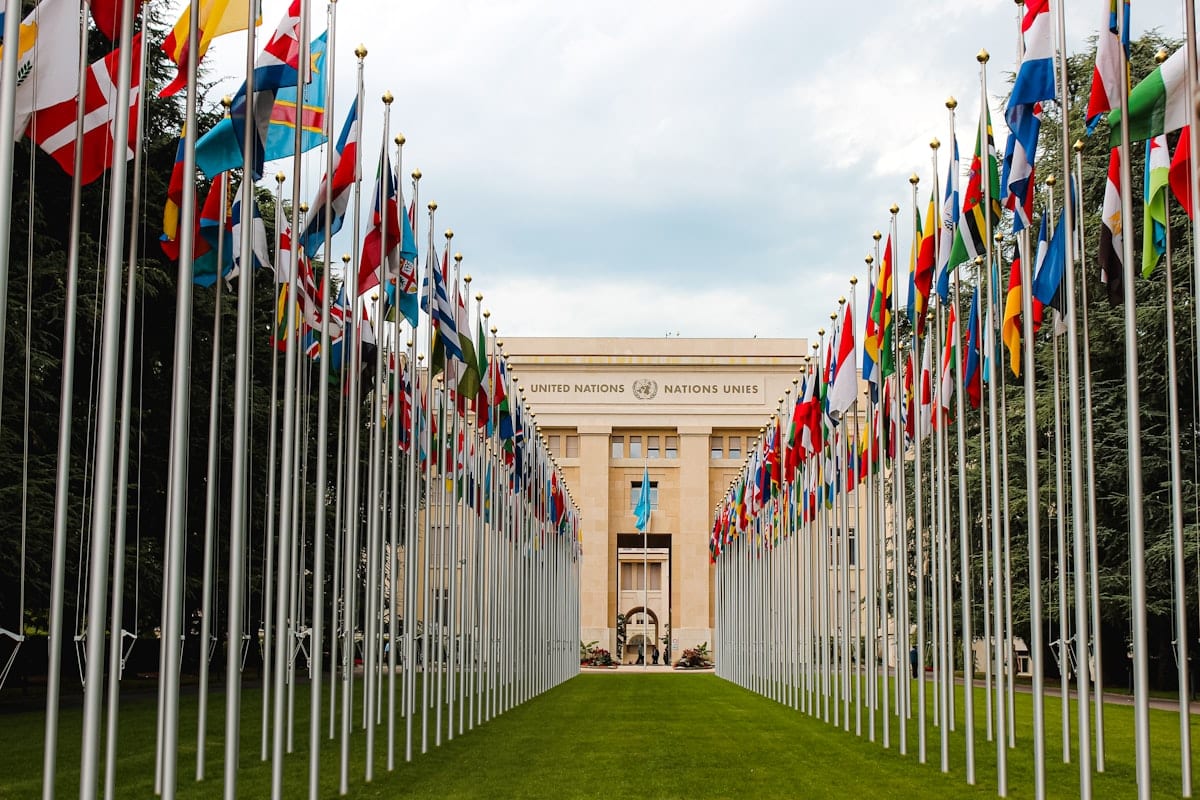
Governments can negotiate and bring into force an agreement establishing an intergovernmental organisation with a dedicated CDR mandate, its own governing bodies, staff and operating budget. The organisation could maintain shared evidence, coordinate technical work and help participating countries develop the skills and institutions needed to govern removals. The lever is the creation and resourcing of that durable international capability. It differs from a voluntary CDR coalition or climate club, which can coordinate governments without establishing a separate treaty-based organisation. A dedicated organisation is presented here as a possible CDR application of an established treaty model, not as an existing global CDR agency. Its creation would not itself require countries or companies to purchase removals, finance projects or accept a common credit.
Key Considerations
Founding governments should first identify a persistent gap that an existing international body cannot adequately address through a strengthened mandate or funded programme. They must then agree membership, voting rights, financial contributions, headquarters arrangements, legal capacity and the relationship with existing climate, scientific and environmental institutions. A focused initial remit might cover comparable information, technical cooperation and assistance requested by member governments. Powers to certify units, manage finance or supervise compliance would require separate explicit agreement and additional resources. The treaty should protect scientific independence while leaving public decisions accountable to members. Developing-country participation requires more than a formal seat, including affordable contributions, language access and support to participate in technical work.
Opportunities
A permanent institution can retain technical staff and maintain shared work through changes of government and short funding cycles. Member countries can use a common source of evidence and request assistance that would be difficult for smaller administrations to assemble alone. Repeated technical cooperation could make national rules more compatible and expose gaps before they obstruct cross-border activity. Balanced governance could give countries that host removal projects more influence over the international agenda. The strongest opportunity is a durable division of labour, with the organisation supplying shared capacity and existing institutions retaining their established responsibilities. Its usefulness depends on countries applying that work, rather than on the number of members, meetings or reports.
Risks
Negotiations can consume years without producing a viable budget or an agreed role. A broadly worded mandate can duplicate existing organisations, while a narrowly promotional mandate can give CDR political endorsement without enough attention to mitigation priorities or environmental risks. Dominant funders may steer technical work toward their preferred methods and export interests. Voluntary funding can leave agreed functions unsupported, while mandatory contributions can accumulate arrears. International legal protections must not prevent effective complaints, financial scrutiny or accountability for the organisation's own activities. Even a well-run institution can issue advice that members do not adopt.
Monitoring and Evaluation
Founding and subsequent reviews should test whether members use the institution's work to change practice. Reporting can connect contributions and staff expenditure with completed assistance, national adoption of technical guidance, recurring data submissions and identified coordination problems resolved. Country partners should assess whether assistance meets their own priorities and builds lasting capability. Evaluation should examine geographical and methodological balance, donor concentration, scientific independence and overlap with existing bodies. The treaty should provide for independent evaluation and periodic mandate review, allowing members to narrow, transfer or discontinue functions that remain unused or duplicate established international services.
Stakeholder Engagement
Foreign ministries and legal advisers should lead the treaty process, while climate, finance and research authorities define the functions they would use and the contributions they can sustain. Prospective host governments must address headquarters and staff arrangements. Existing international institutions should agree practical divisions of labour and data exchange. Scientists can assess technical independence and the credibility of proposed work programmes. Countries likely to host removals, including those with limited negotiating capacity, should help shape priorities from the outset. Industry, civil society, Indigenous peoples and community representatives should have transparent routes to contribute evidence and challenge proposals, with their advisory roles distinct from member governments' formal decisions.
Governance Levels
National governments negotiate the founding agreement, formally approve it through ratification and finance the organisation; the organisation's international governing bodies then direct its staff and budget. A supranational union can join where members have transferred the relevant competence and the treaty permits it. The EU's acceptance of the International Renewable Energy Agency's statute provides that competence-based precedent. The allocation of treaty powers and contributions must avoid double representation between a union and its Member States.
Implementation Strategies
Prospective members should publish the specific institutional gap and compare a new organisation with strengthening an existing body's mandate before launching formal negotiations.
Founders should agree a funded initial work programme alongside the treaty, separating information and assistance functions from any later proposal to certify, finance, purchase or regulate removals.
The treaty should define voting, contributions, legal capacity, independent audit, scientific advice, complaints and review, with practical arrangements that enable less-resourced members to participate.
A preparatory team can transfer existing technical work into the new institution, while agreements with established international bodies should identify who maintains each dataset and performs each function.
Early programmes should respond to named member requests and be evaluated when countries first use the assistance, so expansion follows demonstrated institutional value.
Case Studies

The International Renewable Energy Agency's founding statute
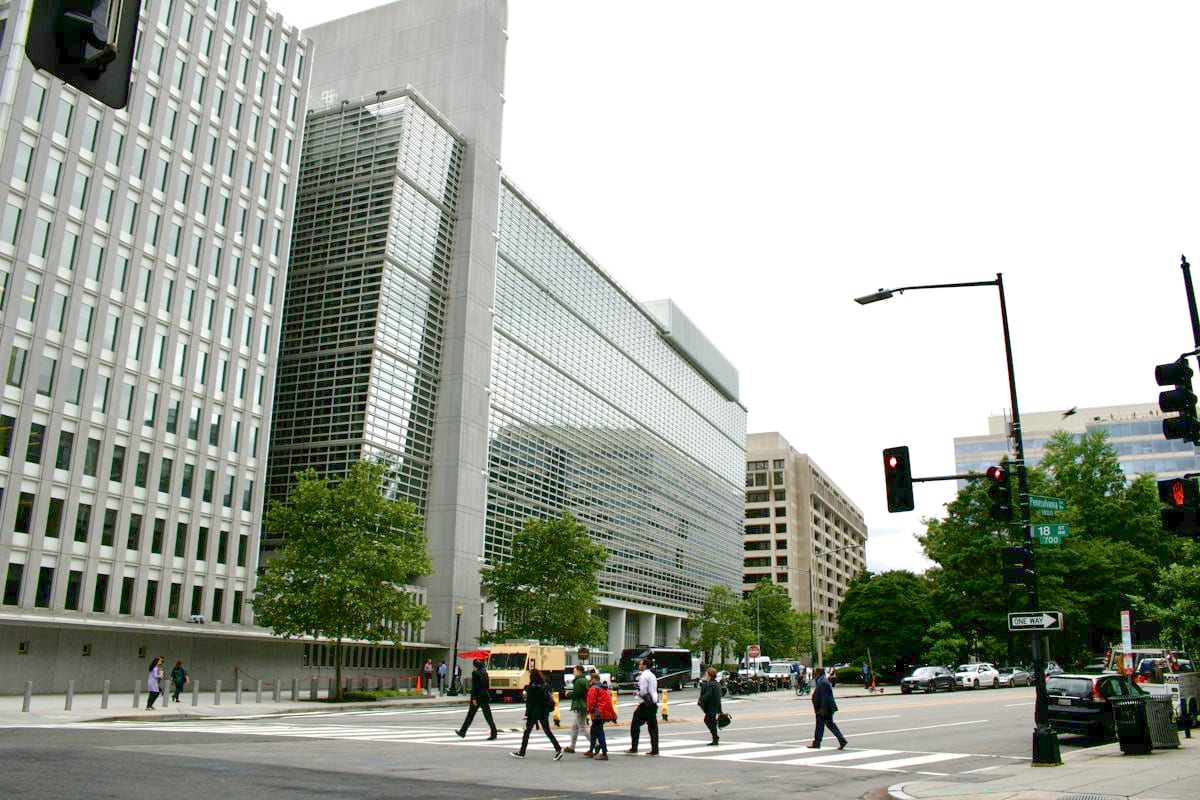
The International Renewable Energy Agency provides an analogue for governments establishing a specialised organisation around an energy-transition need. Its 2009 statute, accepted by the EU through a 2010 Council decision, creates an assembly, council and secretariat with a separate legal identity. It assigns information, advice and capacity-building functions and provides for mandatory member contributions to core work and administration. Those provisions show how a technical mission can acquire a durable institutional structure and a defined funding obligation.
The Global Green Growth Institute's conversion into an international organisation
The Global Green Growth Institute's 2012 founding agreement provided for an existing Korean non-profit foundation, established in 2010, to transfer its rights, obligations, offices and property into the international organisation. It combined an assembly, council and secretariat with support for developing-country plans and a financing model based on voluntary contributions. The institute's membership arrangements continue to link accession with country support. The case shows that founders can preserve an existing operating base when creating a treaty institution, while voluntary finance remains a distinct design choice.
More System and capacity enablers
Cross-border CO₂ networks
Coordinated legal and technical rules letting CO₂ pipelines cross national borders.
Cost
Medium to Very high
Complexity
Medium to Very high
Timeline
Short to Long
Integrity, transparency & MRV
1–2Innovation & cost reduction
1–2Social & environmental safeguards
1–3Energy, transport & storage infrastructure
3–4Inputs & capacity
N/ADemand formation
N/ABankability and cost of capital
2–4Policy architecture & coordination
2–3
Permitting process streamlining
Reorganising how permitting authorities receive and decide project applications.
Cost
Very low to Medium
Complexity
Low to High
Timeline
Very short to Medium
Integrity, transparency & MRV
1–2Innovation & cost reduction
1–2Social & environmental safeguards
1–3Energy, transport & storage infrastructure
1–3Inputs & capacity
1–2Demand formation
N/ABankability and cost of capital
2–3Policy architecture & coordination
2–4
Infrastructure hubs
A shared site bringing electricity, water and CO₂ transport together for several users.
Cost
Medium to Very high
Complexity
Medium to High
Timeline
Medium to Long
Integrity, transparency & MRV
1–2Innovation & cost reduction
2–3Social & environmental safeguards
2–3Energy, transport & storage infrastructure
3–4Inputs & capacity
2–3Demand formation
N/ABankability and cost of capital
2–4Policy architecture & coordination
2–3©2026 Alexander Mäkelä and Carbon Gap.
Except where otherwise indicated, this work is licensed under the Creative Commons Attribution–NonCommercial–ShareAlike 4.0 International Licence.
Headline and barrier scores based on Carbon Gap analysis.