 System and capacity enablers
DIRECT CLEAN-ELECTRICITY PURCHASING RIGHTS
Lever last updated: 14 September 2026
The right for eligible consumers to buy power directly from independent generators.
Cost
Low to Medium
A regulator and participating network operator could spend EUR 1–10 million annually on access rules, contracts and billing changes. Coordinating multiple utilities and new settlement systems could require EUR 10–100 million annually. These combined gross planning estimates include annualised setup, excluding generation investment and customers' electricity purchases.
Complexity
Low to High
Existing market powers can support tariff and contract amendments. Opening a monopoly-supply system may require primary legislation, trading permissions and coordinated settlement across utilities. Western Cape's tariff tools and standard agreements illustrate the practical administrative work.
Timeline
Short to Medium
Established operators could enable contracts and first settled deliveries within one to two years of formal initiation. New market permissions, metering and settlement across several utilities could take two to five years. These planning estimates assume suitable generation and physical connections already exist.
Integrity, transparency & MRV
Innovation & cost reduction
Social & environmental safeguards
Energy, transport & storage infrastructure
Inputs & capacity
Demand formation
Bankability and cost of capital
Policy architecture & coordination
Overview
Governments and electricity regulators can allow eligible consumers to buy power from independent generators or traders and require network operators to carry and account for that supply on non-discriminatory terms. Carrying contracted third-party electricity through an existing network is commonly called wheeling. For electricity-intensive removal facilities, the right can open access to cleaner generation and negotiated supply contracts where customers otherwise depend on an incumbent supplier. The lever establishes purchasing and network-use rights for third-party supply. It does not provide a physical connection, reserve scarce capacity or build generation. Where these rights already exist, implementation should address remaining restrictions rather than create a separate CDR market.
Key Considerations
Rules should settle who can participate, whether smaller consumers can aggregate demand, and which generators and traders may supply them. Network charges must cover the services used, with clear treatment of losses, backup supply and differences between contracted and actual generation. The electricity price and network charges are separate parts of the customer's bill. Metering and settlement, the reconciliation of measured supply and consumption for billing, must allocate electricity reliably across counterparties and time periods. Developers also need credible electricity attributes and lifecycle accounting; a direct contract does not alone prove zero-emission operation or that new renewable generation has been added.
Opportunities
A removal project can seek supply suited to its operating hours, emissions requirements and financing horizon instead of accepting a single supplier's offer. Longer-term electricity contracts may make operating expenditure more predictable and support investment in generation serving industrial demand. Aggregation can make this route accessible to smaller facilities. These benefits depend on competitive offers and usable network terms; a purchasing entitlement alone cannot overcome congestion, inadequate generation or a process that needs power when its contracted generator is unavailable.
Risks
Incumbent utilities may undermine access through excessive charges, slow approvals or discriminatory conditions. Poor cost allocation can transfer network and backup-supply costs to remaining customers. A long-term contract can expose a CDR project to unwanted volumes or replacement-power costs if its operation changes. Buyers may acquire renewable attributes already claimed elsewhere or match annual generation while consuming carbon-intensive electricity at other times. Supply contracts also do not protect facilities from network outages merely because the generator is independent.
Monitoring and Evaluation
Regulators should follow applications through approval, executed contracts and settled electricity deliveries, distinguishing legal eligibility from actual use. Reviews should examine total delivered costs, refusals, processing times, disputes and the treatment of smaller consumers. Network operators should report whether charges recover relevant costs and whether access affects reliability. For CDR users, evaluation should compare contracted supply with actual operating patterns and electricity-related emissions. Persistent discrimination or unusable terms should trigger changes to access rules, tariffs or enforcement.
Stakeholder Engagement
Energy ministries and regulators should agree market-entry rules and oversight. Network operators and electricity traders should test metering, billing, backup supply and settlement. Independent generators should explain contract and investment requirements, while removal developers identify realistic load profiles and flexibility. Lenders should examine volume, price and counterparty risks. Other electricity consumers and public-interest organisations should scrutinise cost allocation, and carbon-accounting specialists should establish the evidence needed for credible electricity claims.
Governance Levels
Supranational lawmakers can require supplier choice and third-party network access, as EU electricity law does. National and regional or state authorities can amend electricity-market rules within their powers. Municipal utilities can establish local wheeling arrangements where authorised. Corporate network operators are necessary implementers where their licences give them responsibility for network-use agreements, metering and settlement. Buying electricity alone does not confer this authority; operators remain subject to regulatory access and tariff requirements.
Implementation Strategies
Authorities should identify the specific purchasing restriction and distinguish it from an absent connection or congested network. They can extend existing customer-choice rules, lower justified participation thresholds and allow aggregation where metering and settlement can account for each participant.
Regulators should define eligible generators and traders, transparent approval procedures and an independent route to challenge refusals. Network operators should offer consistent use-of-system agreements, with charges based on the services actually provided and clear protection against discriminatory treatment.
Operators and suppliers should test how generation, consumption, losses and any shortfall are measured and billed before commercial use. Contracts should allocate backup-supply, imbalance and counterparty risks so the customer understands its total delivered cost and obligations when production changes.
CDR developers should compare supply profiles and contractual electricity attributes against the emissions rules governing their removals. Authorities should ensure that access reform permits credible contracting, while leaving verification of net removals to the applicable accounting and certification system.
Regulators should assess executed transactions and delivered prices after rollout, including effects on other customers and municipal revenues. Excessive charges, repeated refusals or persistently low use by eligible consumers should trigger targeted revisions rather than an assumption that legal access has resolved the constraint.
Case Studies
India's Green Energy Open Access Rules
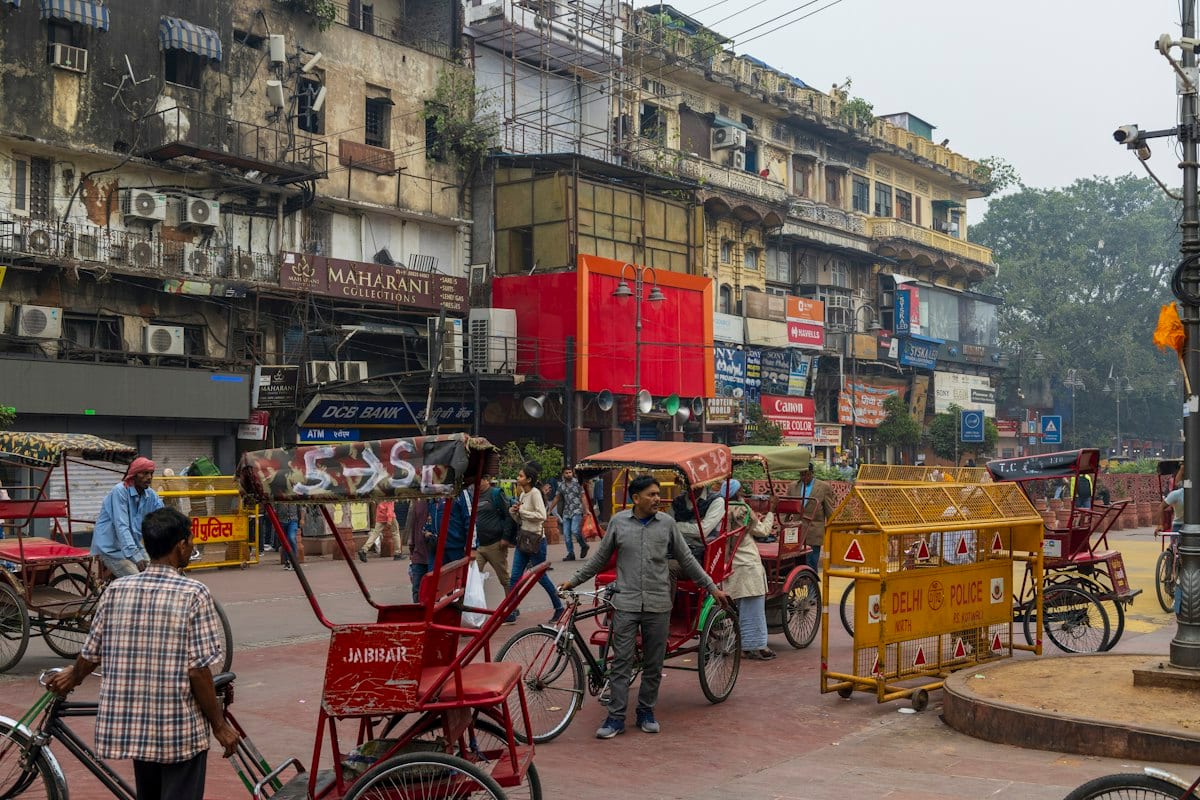
India's Ministry of Power adopted the Green Energy Open Access Rules in June 2022 to widen consumers' ability to obtain renewable electricity. The rules reduced the access threshold from 1 MW to 100 kW, allowed voluntary commercial and industrial purchases, and introduced a national application route with defined network and related charges. A February 2026 government statement confirms that qualifying demand can include multiple connections aggregated within the same electricity division. The mechanism widens the group able to contract supply rather than reserving access for very large users. The ministry's 2023 review also recorded implementation complaints, illustrating why a national entitlement needs local enforcement. A qualifying removal facility could use this route, but the sources do not demonstrate CDR uptake, universally cheaper power or electricity sufficient for credible net removal.
Cape Town's municipal electricity-wheeling arrangements
Cape Town's municipal electricity utility provides a route for independent suppliers to sell power to customers using the city's network. Its published arrangements opened bilateral wheeling from 1 March 2025 for qualifying medium- and high-voltage users. One generator supplies one buyer under a private power contract, while the buyer signs a separate network-use agreement and pays the city's applicable charges. This division allows the electricity price to be negotiated without treating the public network as free infrastructure. The city's guidance also describes testing more complex arrangements involving multiple generators or buyers; it does not establish that every configuration is generally available. The CDR lesson is that municipal contracts, billing and network charges can make national purchasing rights usable locally.
More System and capacity enablers

Cross-border CO₂ networks
Coordinated legal and technical rules letting CO₂ pipelines cross national borders.
Cost
Medium to Very high
Complexity
Medium to Very high
Timeline
Short to Long
Integrity, transparency & MRV
1–2Innovation & cost reduction
1–2Social & environmental safeguards
1–3Energy, transport & storage infrastructure
3–4Inputs & capacity
N/ADemand formation
N/ABankability and cost of capital
2–4Policy architecture & coordination
2–3
Permitting process streamlining
Reorganising how permitting authorities receive and decide project applications.
Cost
Very low to Medium
Complexity
Low to High
Timeline
Very short to Medium
Integrity, transparency & MRV
1–2Innovation & cost reduction
1–2Social & environmental safeguards
1–3Energy, transport & storage infrastructure
1–3Inputs & capacity
1–2Demand formation
N/ABankability and cost of capital
2–3Policy architecture & coordination
2–4
Infrastructure hubs
A shared site bringing electricity, water and CO₂ transport together for several users.
Cost
Medium to Very high
Complexity
Medium to High
Timeline
Medium to Long
Integrity, transparency & MRV
1–2Innovation & cost reduction
2–3Social & environmental safeguards
2–3Energy, transport & storage infrastructure
3–4Inputs & capacity
2–3Demand formation
N/ABankability and cost of capital
2–4Policy architecture & coordination
2–3©2026 Alexander Mäkelä and Carbon Gap.
Except where otherwise indicated, this work is licensed under the Creative Commons Attribution–NonCommercial–ShareAlike 4.0 International Licence.
Headline and barrier scores based on Carbon Gap analysis.