 Capital formation and risk sharing
DEDICATED CDR FUNDING WITHIN INTERNATIONAL CLIMATE AND DEVELOPMENT FUNDS
Lever last updated: 10 September 2026
A reserved share of multilateral climate-fund capital set aside specifically for removals.
Cost
Medium to Very high
Contributor governments or supranational institutions provide the capital reserved for grants, loans, guarantees or investments, plus administration. Cost depends on the allocation, loss-sharing terms and number of countries served.
Complexity
High
Establishing the dedicated fund requires board approval for its mandate, capital and financial tools, followed by CDR eligibility, project appraisal, host-country consent, verification, safeguards, currency-risk treatment, reporting, enforcement and coordination with delivery institutions.
Timeline
Short to Medium
Reserving capital within an established fund and financing the first eligible project may take two to five years, depending on board approval, replenishment, project preparation, host consent and verification requirements.
Integrity, transparency & MRV
Innovation & cost reduction
Social & environmental safeguards
Energy, transport & storage infrastructure
Inputs & capacity
Demand formation
Bankability and cost of capital
Policy architecture & coordination
Overview
Boards of multilateral climate funds and development-finance programmes (for example, the Green Climate Fund and Climate Investment Funds, or the EU’s European Fund for Sustainable Development Plus) can reserve part of an existing fund for CDR. Approved banks and agencies then provide grants, lower-cost loans, guarantees or public equity to eligible projects. This is useful where local loans are expensive, foreign-currency debt becomes harder to repay when exchange rates move, or public debt limits further government borrowing. This would create a dedicated financing route within an existing institution.
Key Considerations
The central choices are how much money to reserve, which countries and CDR methods qualify, how long carbon must remain stored and who is responsible if it is released. Financing also needs to suit local conditions. A project earning local-currency revenue may struggle to repay a dollar or euro loan if its currency falls, while sovereign loans or guarantees can strain public budgets. Projects need host-country approval, lifecycle assessments of projects, independent verification, safeguards and a complaints process. Reporting should distinguish committed, paid and repaid finance and show whether the dedicated fund displaced adaptation or development funding.
Opportunities
Using an established fund avoids building a new institution before projects can be financed. The dedicated fund can reach countries where long-term capital is costly or unavailable, support project preparation and combine different financial tools around the risks holding each project back. Repeated transactions could strengthen local technical and financial capacity and give newer CDR methods evidence needed by later investors. These effects expand supply and financing. A separate buyer or compliance requirement is still needed to create dependable demand.
Risks
Governments supplying the fund’s capital may relabel climate finance, reduce adaptation funding or favour home-country firms. Poor eligibility tests could reward gross CO₂ capture rather than net removal, finance fossil-source capture or count forest carbon that is soon lost. Scarce concessional finance would then deliver less durable removal than claimed. Over-generous protection can pay investors for risks they could bear, loans may worsen debt pressures, and slow approvals or weak local involvement can undermine delivery.
Monitoring and Evaluation
Evaluation should establish whether projects secured finance sooner, obtained better terms or attracted investors because of the dedicated fund. Commitments, disbursements, repayments, defaults, net removals, reversals, safeguards and grievances reveal whether money moved and delivered credible results. Repeated non-delivery, unnecessary support or harm should change eligibility, risk-sharing or delivery partners.
Stakeholder Engagement
Engagement should connect the fund with each country’s finance and environment ministries, climate-fund authority and public development bank. Alongside local lenders, CDR suppliers and affected communities, these counterparts can identify financing gaps, test whether projects fit domestic plans and agree workable terms and safeguards. Independent experts should examine removal claims, project readiness and whether private finance depends on public support.
Governance Levels
International fund boards can reserve capital and approve common financing rules. Supranational institutions can establish comparable dedicated funds across several countries and deliver them through development banks. National governments contribute capital, exercise voting rights and approve projects within their territory. The dedicated fund therefore depends on shared international or supranational authority, with national governments shaping its mandate and deciding whether proposed projects align with domestic plans.
Implementation Strategies
Define the financing gap and agree the reserved amount, eligible countries, CDR methods, storage requirements and safeguards with participating governments.
Match grants, lower-cost loans, guarantees or public equity to the risk holding each project back, while keeping private investors exposed to meaningful loss.
Require host-country approval, financial checks, lifecycle accounting, independent verification and community safeguards before releasing finance.
Use disbursement, repayment, default, private-finance and verified-removal results to decide whether to replenish, redesign or close the dedicated fund.
Case Studies

Green Climate Fund forest-results pilot
In October 2017, the Green Climate Fund Board reserved up to USD 500 million for verified forest-sector results at USD 5 per tonne. Brazil’s first proposal was approved in February 2019, its financing agreement took effect in January 2020 and USD 96.45 million was disbursed that April. The pilot paid for earlier reductions in deforestation emissions rather than future investment in durable CDR. It demonstrates how a multilateral board can create a dedicated allocation and common payment route, but not whether the proposed CDR financing tools would mobilise projects.

Green Climate Fund Climate Investor One
The Green Climate Fund approved Climate Investor One in October 2018 and signed its programme agreement in June 2019. The fund’s current project record reports that all USD 100 million of GCF finance has been disbursed within an USD 822 million facility. One part funds early project development, while another can provide ownership investment for construction. The renewable-energy programme shows how an existing multilateral fund can finance several project stages through an approved intermediary. The case does not concern CDR or prove that the public contribution lowered financing costs or attracted the reported private capital.
European Fund for Sustainable Development Plus
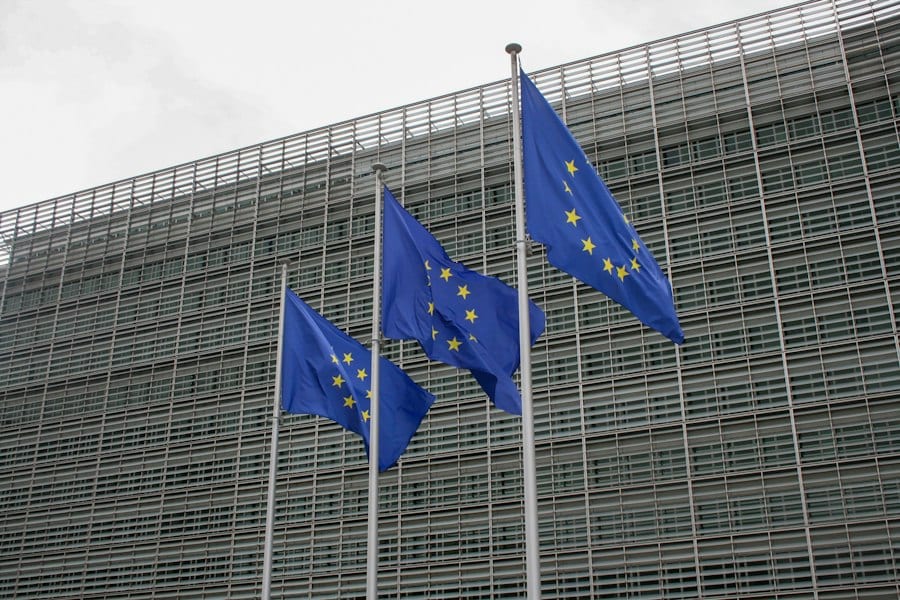
EU Regulation 2021/947 established the European Fund for Sustainable Development Plus for investment in partner countries. The Commission reports up to EUR 40 billion of risk-sharing capacity, combining guarantees with grants, loans and ownership investments delivered through approved finance institutions. The facility is operational but has no dedicated CDR dedicated fund. It demonstrates that a supranational actor can create a large, multi-country financing route using existing development banks. CDR eligibility, lifecycle accounting, storage requirements and dependable removal revenue would still need to be added.
Climate Investment Funds and Noor Ouarzazate
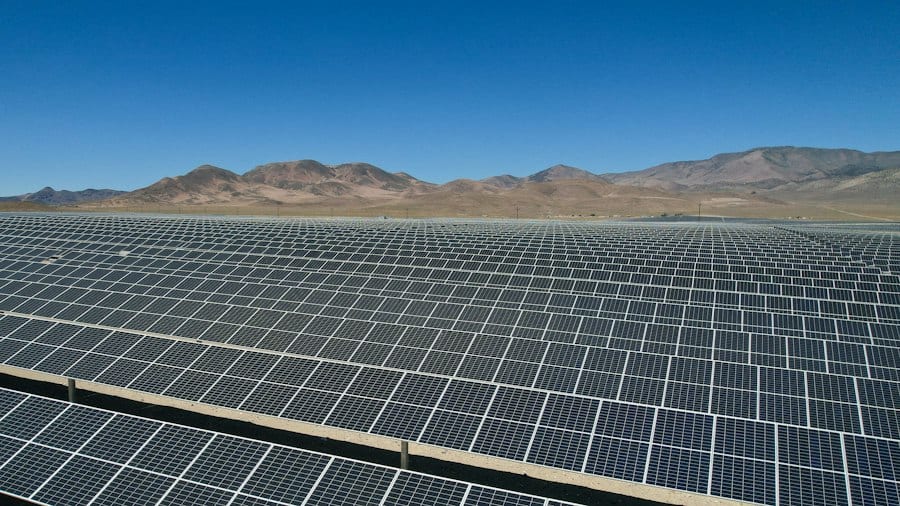
The Climate Investment Funds entered the still-emerging concentrated solar-power sector through its Clean Technology Fund, approving a USD 750 million regional investment plan in 2009. In Morocco, it provided USD 435 million in lower-cost finance for the Noor Ouarzazate complex alongside the World Bank and African Development Bank. The first plant opened in February 2016, and the completed complex reached 580 megawatts across solar-thermal and photovoltaic plants. The case shows dedicated concessional finance accompanying a new field from regional planning into operating infrastructure.
More Capital formation and risk sharing
Advance market commitments
A binding promise to buy a set volume of removals at an agreed price once suppliers deliver.
Cost
Low to Very high
Complexity
Medium to High
Timeline
Very short to Medium
Integrity, transparency & MRV
2–4Innovation & cost reduction
2–5Social & environmental safeguards
1–3Energy, transport & storage infrastructure
N/AInputs & capacity
N/ADemand formation
3–5Bankability and cost of capital
3–5Policy architecture & coordination
1–3
Carbon contracts for difference (CCfDs)
A guaranteed price per verified tonne that tops up revenue when the market price falls short.
Cost
Low to Very high
Complexity
High
Timeline
Short to Medium
Integrity, transparency & MRV
2–3Innovation & cost reduction
2–4Social & environmental safeguards
1–3Energy, transport & storage infrastructure
N/AInputs & capacity
N/ADemand formation
2–4Bankability and cost of capital
4–5Policy architecture & coordination
2–4
Publicly supported currency hedging
Public backing enabling a specialist provider to offer currency hedges CDR developers can't get commercially.
Cost
Low to Medium
Complexity
Low to High
Timeline
Very short to Medium
Integrity, transparency & MRV
N/AInnovation & cost reduction
N/ASocial & environmental safeguards
N/AEnergy, transport & storage infrastructure
N/AInputs & capacity
N/ADemand formation
1–2Bankability and cost of capital
3–4Policy architecture & coordination
1–2©2026 Alexander Mäkelä and Carbon Gap.
Except where otherwise indicated, this work is licensed under the Creative Commons Attribution–NonCommercial–ShareAlike 4.0 International Licence.
Headline and barrier scores based on Carbon Gap analysis.