 System and capacity enablers
CORPORATE INTEGRATION OF CDR INTO PRODUCTION AND VALUE CHAINS
Lever last updated: 14 September 2026
Companies adding carbon removal directly into how they produce goods and services.
Cost
Very low to High
Companies pay for testing, equipment, materials and operation, including transport and storage. Costs range from a small material change to a major capture retrofit. Using a developer divides the expenditure between partners; it does not eliminate it.
Complexity
Low to High
A material substitution may use existing purchasing procedures. A joint venture or major retrofit needs new contracts, agreed decision rights, permits, engineering coordination and measurement systems, often involving several companies and regulators.
Timeline
Very short to Medium
Suitable materials can enter purchasing within a year. For major retrofits, partners may need two to five years of studies, permits and financing negotiations before committing investment; construction and operation follow.
Integrity, transparency & MRV
Innovation & cost reduction
Social & environmental safeguards
Energy, transport & storage infrastructure
Inputs & capacity
Demand formation
Bankability and cost of capital
Policy architecture & coordination
Overview
Companies can add carbon removal to the way they produce goods and services, either by developing the activity themselves or by bringing in a specialist project developer. A pulp mill, for example, can host equipment that captures its biomass-derived CO₂ while a developer arranges financing, construction, transport, storage and credit sales. The partners may establish a joint venture, a company they own together, or sign contracts that divide those responsibilities. Other businesses can change the materials they buy, require suppliers to capture and store carbon, or turn timber residues into biochar, a stable carbon-rich material used in soils. A concrete producer can use CO₂ captured from the air and store it as minerals in its products. Management activates the lever by approving these changes and the associated investment or partnership. Buying unrelated removal credits to compensate for emissions is a separate action.
Key Considerations
Management must decide who designs, pays for, owns and operates the removal equipment, and how it fits with ordinary production. A joint venture needs agreed voting rights and a process for resolving disagreements. A specialist developer needs reliable access to the host's site, carbon stream and utilities for the project's lifetime. Agreements must divide costs and credit revenue, assign monitoring and storage responsibilities, and address outages, insolvency or closure. Products must still meet quality, safety and cost requirements. Companies must establish the carbon's origin and how long it will remain stored. Capturing and storing fossil CO₂ reduces emissions but does not remove atmospheric carbon; mixed-fuel plants must identify the biomass share. Net-removal calculations must deduct energy, processing and transport emissions and consider what would otherwise have happened to the biomass. Biochar that is later burned does not provide lasting storage. Contracts must also settle who can sell credits and what producers and customers may claim.
Opportunities
An established business can use its workers, premises, energy connections and suppliers to support a removal activity. A specialist developer can supply the engineering experience, financing contacts and credit-selling capability that the business lacks, while the host contributes access to its site and production process. The partners can share investment and revenue through a joint venture or agree payments for hosting the project and supplying heat, materials or CO₂. Income from ordinary products and removal credits can help pay for shared equipment and services. Operating alongside normal production reveals whether the process is reliable and affordable. Successful designs and partnership agreements can then be used at other facilities, reducing the work needed to develop each project.
Risks
New equipment or materials can disrupt production, affect product quality or increase energy and water use. A removal project hosted at a mill may stop if the mill closes, changes fuels or cannot provide the agreed heat or CO₂. Partners may disagree over investment, operating priorities or revenue, and one partner's financial failure can leave the other with unfinished equipment or continuing obligations. Companies can overstate removals by allocating too little of the shared operation's emissions to the new activity, or by selling a credit while a product customer claims the same removal. Increased biomass demand can displace other uses or encourage unsustainable harvesting. Products may release stored carbon when discarded. Companies should assess the whole process and continue reducing their existing emissions alongside the removal activity.
Monitoring and Evaluation
Companies and project partners should compare actual performance with the agreed business case, including capital committed, costs, production interruptions, product quality, resource use and independently verified removals. Records should show where the carbon came from, how it was processed and where it remains stored. Expected future volumes should be reported separately from completed removals. Reviews should also examine whether each partner provides the promised site access, utilities, finance and operating services. These findings should inform decisions to expand the activity, change responsibilities or stop it.
Stakeholder Engagement
The host company's managers, engineers, operators and workers should agree how the project will fit with normal production and safety. Project developers and investors should establish who funds and manages construction and operation. Suppliers and storage providers must document the carbon's movement and agree who deals with failures. Customers and standards bodies should confirm product suitability, while independent verifiers check removal calculations. Lenders and insurers assess each partner's commitments and capacity to meet them. Regulators and affected communities should be involved in decisions about pollution, resource use, transport and eventual closure.
Governance Level
Company management and project developers pull this lever by approving investments, changing production or entering agreements to develop and operate removal projects. They can act through a jointly owned company or contracts between separate businesses. Publicly owned companies can make the same operational decisions. Trade associations can help agree product specifications, and governments or foundations can offer support, but the participating companies decide how the removal activity is integrated and who is responsible for it.
Implementation Strategies
Management should select the removal activity and decide whether to develop it itself, form a joint venture or bring in a specialist developer. The business case should identify equipment and operating changes, each partner's contribution, shared costs, product income, removal sales and public support.
The company should test whether the change works safely alongside normal production. Its removal calculation should include extra energy and transport, alternative uses of the biomass and what happens to the carbon when the product or facility reaches the end of its life.
Partners should agree who owns equipment, controls investment decisions and manages construction and operation. Contracts should secure access to the site, feedstock or CO₂, divide costs and credit revenue, and assign responsibility for outages, failed delivery, storage, closure and a partner's withdrawal.
Production and supplier records should allow an independent verifier to follow the carbon from its source to storage. Contracts and product information should explain whether the company, the product customer or a credit buyer can claim the resulting removal.
Management can expand to other facilities or suppliers when operating results support the decision. Expansion should depend on verified removals, reliable inputs and a viable business case, alongside continued reductions in the company's own emissions.
Case Studies

CO280 brings specialist project development to pulp and paper mills
CO280 partners with North American pulp and paper companies to capture the biomass-derived CO₂ released by their mills and arrange permanent geological storage. Its role includes developing, financing, owning and operating the removal projects, bringing specialist capability to an existing industrial business. The mill supplies the production setting and biogenic CO₂; CO280 brings together capture technology, project finance and buyers. In April 2025, CO280 announced that Microsoft would purchase 3.685 million tonnes over twelve years from a US mill project. In November 2025, it reported completion of a capture pilot with the mill and technology supplier SLB Capturi. The example illustrates how a producer can add CDR by working with a developer. The purchase contract and pilot are distinct milestones; neither establishes delivery of the contracted removals.

Heirloom, CarbonCure and Central Concrete integrate atmospheric CO₂ into concrete
Heirloom captures CO₂ directly from the air, while CarbonCure supplies equipment that turns CO₂ into minerals during concrete production. In February 2023, California producer Central Concrete used these technologies in concrete supplied to San Jose construction projects. The concrete provided a storage destination for Heirloom's captured carbon, demonstrating how an existing manufacturer can become part of a removal supply chain. The mineral form allows the carbon to remain stored even after demolition. A November 2023 agreement planned further storage through 2025, but the announcement does not confirm completion of those later deliveries. This example concerns atmospheric CO₂. Using the same process with fossil CO₂ would reduce emissions rather than remove carbon from the atmosphere.
Exomad Green connects timber residues to biochar and soils
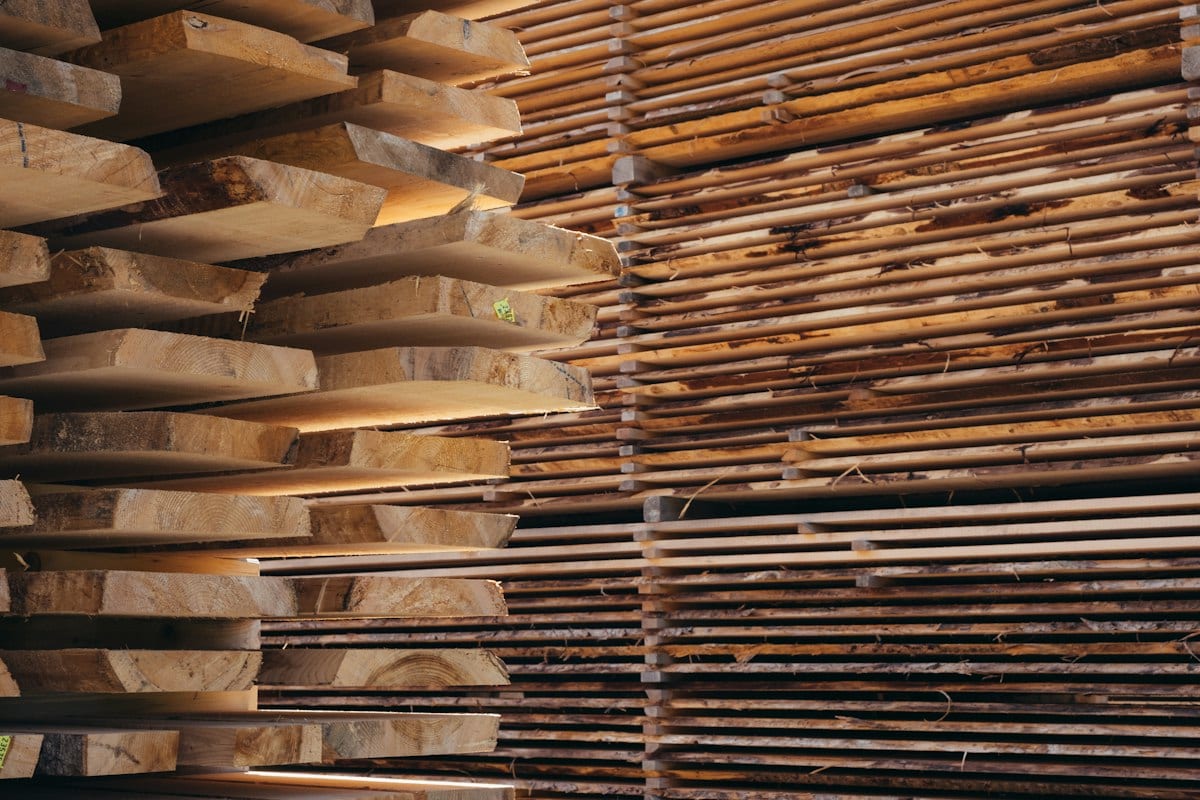
Exomad Green grew out of a Bolivian wood-products business and collects sawmill residues to make biochar. Heating the wood with little oxygen converts some of its carbon into a stable solid. The company gives the biochar to farmers and Indigenous communities for use in soil, while selling credits for the resulting removals. In March 2026 it reported more than 300,000 credits issued and delivered after certification under Puro.earth, an independent carbon-crediting programme. Its Concepción and Riberalta facilities connect an existing source of residues to processing and soil use. A Microsoft purchase agreement also requires records tracing the biomass. The model shows how removal revenue can make storing residue carbon a commercial activity, with verification covering sourcing, production emissions and final use.
Stockholm Exergi adds carbon capture to district-energy production
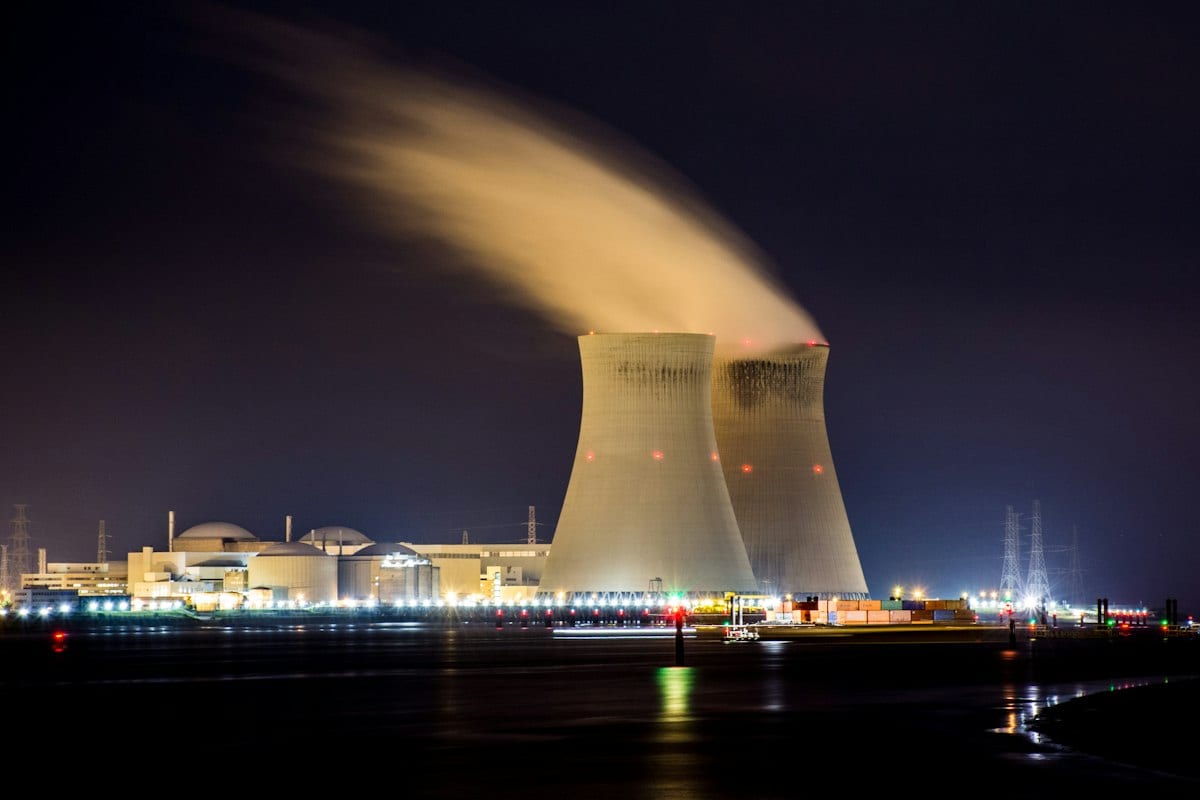
Stockholm Exergi, which supplies heat and electricity in Stockholm, is adding carbon capture to a biomass heat-and-power plant. It will capture CO₂ from the plant's exhaust, turn it into liquid for transport and send it for underground storage. The project is scheduled to operate from 2028, with capture capacity of up to 800,000 tonnes a year. On 4 September 2026 the company reported completed foundations and the first steel structures erected. This adds a removal activity to an established energy business, using its existing plant and biomass supply while public funding supports the new equipment. It remains under construction. Actual net removals will depend on biomass sourcing, emissions from the full process and successful storage, rather than capture capacity alone.
More System and capacity enablers
Cross-border CO₂ networks
Coordinated legal and technical rules letting CO₂ pipelines cross national borders.
Cost
Medium to Very high
Complexity
Medium to Very high
Timeline
Short to Long
Integrity, transparency & MRV
1–2Innovation & cost reduction
1–2Social & environmental safeguards
1–3Energy, transport & storage infrastructure
3–4Inputs & capacity
N/ADemand formation
N/ABankability and cost of capital
2–4Policy architecture & coordination
2–3
Permitting process streamlining
Reorganising how permitting authorities receive and decide project applications.
Cost
Very low to Medium
Complexity
Low to High
Timeline
Very short to Medium
Integrity, transparency & MRV
1–2Innovation & cost reduction
1–2Social & environmental safeguards
1–3Energy, transport & storage infrastructure
1–3Inputs & capacity
1–2Demand formation
N/ABankability and cost of capital
2–3Policy architecture & coordination
2–4
Infrastructure hubs
A shared site bringing electricity, water and CO₂ transport together for several users.
Cost
Medium to Very high
Complexity
Medium to High
Timeline
Medium to Long
Integrity, transparency & MRV
1–2Innovation & cost reduction
2–3Social & environmental safeguards
2–3Energy, transport & storage infrastructure
3–4Inputs & capacity
2–3Demand formation
N/ABankability and cost of capital
2–4Policy architecture & coordination
2–3©2026 Alexander Mäkelä and Carbon Gap.
Except where otherwise indicated, this work is licensed under the Creative Commons Attribution–NonCommercial–ShareAlike 4.0 International Licence.
Headline and barrier scores based on Carbon Gap analysis.