 Capital formation and risk sharing
CHARITABLE MISSION INVESTMENTS
Lever last updated: 10 September 2026
Foundation capital lent or invested on mission-first terms to advance removal projects, beyond ordinary grants.
Cost
Very low to Medium
The foundation bears diligence and administration costs and commits investment principal. Individual investments may be modest, while a larger direct portfolio can tie up tens of millions.
Complexity
Low to Medium
The foundation needs charity-law and tax review, commercial and CDR diligence, valuation, negotiated financial rights, conflict controls, cross-border treatment, monitoring, enforcement and a workable repayment or exit route.
Timeline
Very short to Short
An experienced foundation can complete a direct investment within months. Establishing a mandate, confirming charitable purpose, completing technical diligence and negotiating patient or subordinated terms may require one to two years.
Integrity, transparency & MRV
Innovation & cost reduction
Social & environmental safeguards
Energy, transport & storage infrastructure
Inputs & capacity
Demand formation
Bankability and cost of capital
Policy architecture & coordination
Overview
Foundations receive donated assets and normally give grants or invest endowments for returns. Charitable mission investment offers a third route. A charity lends money, buys shares or provides recoverable finance to advance its mission while expecting repayment. The US and Canada call these “programme-related investments”. England and Wales call them “social investments”. In the US, qualifying investments can count towards required charitable distributions even though money may return. For CDR, a foundation may accept lower returns, slower repayment or more risk than commercial investors. Repayments remain with the charity, not the donor, and can support further financing later. The lever applies only when the charitable purpose is clear in its terms. A cheaper foundation loan without that legal purpose belongs under Concessional Loans.
Key Considerations
The foundation must establish that the investment advances its charitable purpose and that any benefit to the company or its owners is necessary and proportionate. This requires comparing the terms with commercial finance, explaining the financial sacrifice and documenting why an investment is preferable to a grant. Other decisions include form, amount, acceptable loss, repayment or exit, governance rights, conflicts and concentration. CDR diligence should test net removal, storage, reversals, delivery and safeguards. Agreements need milestones, reporting and an exit if the activity stops serving the mission. National charity and tax rules differ, especially for foreign recipients and foundation ownership.
Opportunities
Charitable capital can occupy a financing position that ordinary investors reject, helping a supplier cross the gap between grants and commercial investment. Longer repayment, subordinated debt or patient equity can leave more cash available for construction and early operation and may make senior lenders or co-investors more willing to participate. If money returns, the foundation can finance another project instead of spending the same amount once. These benefits are catalytic only where the investment changes project delivery or another financier's decision.
Risks
Foundations may give companies cheaper capital without changing delivery or attracting other finance. Weak legal or technical diligence can expose charitable assets to avoidable loss, excessive private benefit, failed technology or removals that do not materialise. Trustees may overstate catalytic effects by counting finance that followed for unrelated reasons. Pressure to recover money can weaken safeguards, while concentrated investments, connected transactions and unclear exits can conflict with charitable duties.
Monitoring and Evaluation
Evaluation should compare the foundation's terms with finance otherwise available and determine whether the investment changed project timing, scale, survival or access to other capital. Reporting should cover money committed and returned, losses, follow-on finance, milestones, verified removals and safeguards. Repeated losses, weak delivery or no demonstrated financing effect should change terms, exposure or eligibility.
Stakeholder Engagement
Useful engagement brings together foundation trustees, investment staff, suppliers, commercial financiers, charity-law advisers, CDR specialists and affected communities. Their combined evidence should establish the financing gap, lawful charitable purpose, workable terms, removal quality and safeguards. Independent evaluators can then assess whether charitable capital genuinely changed the project or merely replaced finance available elsewhere.
Governance Level
Foundation and charity boards decide whether charitable assets may be invested on mission-first terms and remain responsible for purpose, risk, conflicts and results. National charity and tax law determines the powers and duties surrounding those decisions.
Implementation Strategies
Foundation boards should define the charitable purpose, eligible CDR activities, investment budget, acceptable financial sacrifice, concentration limits and maximum loss.
Diligence should establish the financing gap, compare commercial alternatives and test supplier viability, net removal, storage and safeguards.
The selected loan or ownership investment should link staged finance to technical, financial and removal milestones, reporting rights and remedies.
Repayments, losses, follow-on finance and verified outcomes should determine later terms, exposure and eligibility.
Case Studies
Venn Foundation investment in Carba
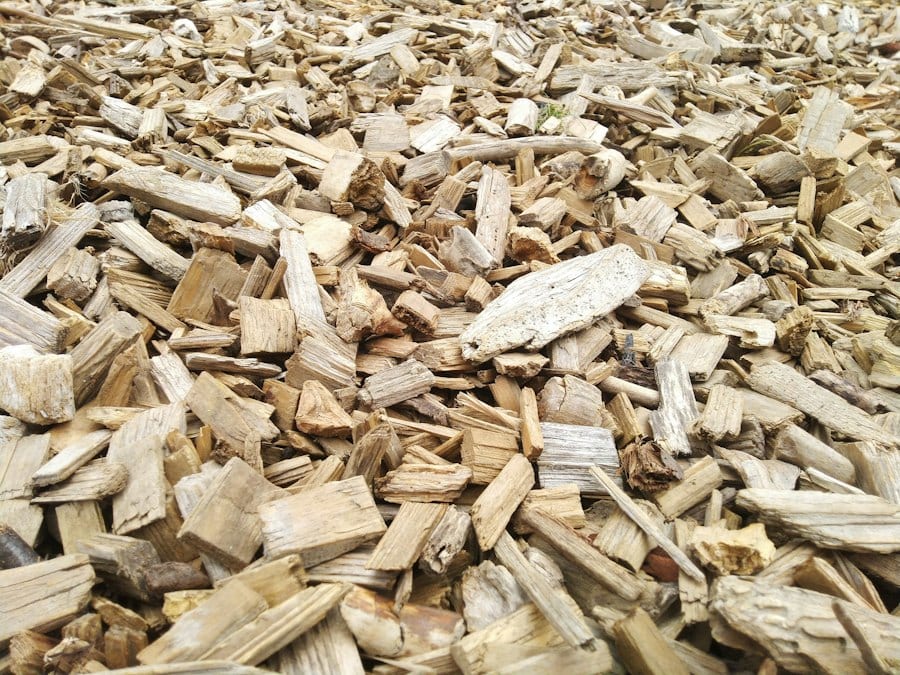
By 2026, Venn Foundation had raised USD 1.918 million from philanthropic donors for a six-year loan to Carba, a company that converts woody waste into biocarbon for burial as landfill cover, at four per cent interest. The loan was unsecured, meaning Carba pledged no assets as collateral if it failed to repay. The investment supported Carba’s first full-scale reactor, an industrial unit that heats woody waste with little or no oxygen to produce biocarbon. Minnesota’s climate-finance authority reported that the USD 2.49 million reactor had been financed and that Carba later raised an additional USD 6 million.

Ford Foundation Program-Related Investment Fund
The Ford Foundation has made programme-related investments since 1968 and now operates a USD 350 million revolving fund. It uses loans and other investments that meet United States charitable-investment rules, advance Ford's programmes and are intended to be catalytic. Ford reports more than USD 865 million committed, with returned money becoming available for further investment. The fund demonstrates that a foundation can deploy charitable assets repeatedly instead of relying only on grants. However, the published figures do not establish how much additional private capital individual investments caused, and the programme is not specific to CDR.
Packard Foundation investment in Collective Energy
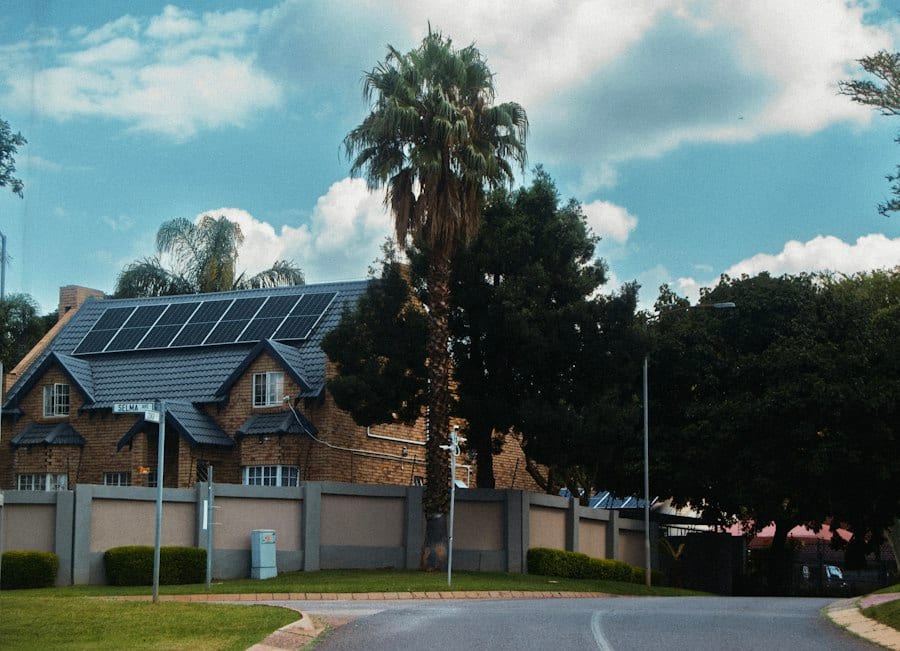
In May 2025, the Packard Foundation reported a USD 4 million low-interest loan to Collective Energy for solar panels and batteries at nonprofit health clinics. Several clinics had received systems, one reported a 41 per cent reduction in first-year energy costs and more than 100 projects were under development. The foundation therefore used repayable capital to advance its climate and community mission rather than providing only a grant.
More Capital formation and risk sharing

Advance market commitments
A binding promise to buy a set volume of removals at an agreed price once suppliers deliver.
Cost
Low to Very high
Complexity
Medium to High
Timeline
Very short to Medium
Integrity, transparency & MRV
2–4Innovation & cost reduction
2–5Social & environmental safeguards
1–3Energy, transport & storage infrastructure
N/AInputs & capacity
N/ADemand formation
3–5Bankability and cost of capital
3–5Policy architecture & coordination
1–3
Carbon contracts for difference (CCfDs)
A guaranteed price per verified tonne that tops up revenue when the market price falls short.
Cost
Low to Very high
Complexity
High
Timeline
Short to Medium
Integrity, transparency & MRV
2–3Innovation & cost reduction
2–4Social & environmental safeguards
1–3Energy, transport & storage infrastructure
N/AInputs & capacity
N/ADemand formation
2–4Bankability and cost of capital
4–5Policy architecture & coordination
2–4
Publicly supported currency hedging
Public backing enabling a specialist provider to offer currency hedges CDR developers can't get commercially.
Cost
Low to Medium
Complexity
Low to High
Timeline
Very short to Medium
Integrity, transparency & MRV
N/AInnovation & cost reduction
N/ASocial & environmental safeguards
N/AEnergy, transport & storage infrastructure
N/AInputs & capacity
N/ADemand formation
1–2Bankability and cost of capital
3–4Policy architecture & coordination
1–2©2026 Alexander Mäkelä and Carbon Gap.
Except where otherwise indicated, this work is licensed under the Creative Commons Attribution–NonCommercial–ShareAlike 4.0 International Licence.
Headline and barrier scores based on Carbon Gap analysis.