 System and capacity enablers
CHALLENGE PRIZES
Lever last updated: 14 September 2026
A promised financial reward for the first team to achieve a defined result.
Cost
Low to Medium
The sponsor funds programme design, outreach, judging and verification and reserves the advertised award. Actual expenditure includes awards paid, so a competition with no winner costs less than its headline purse.
Complexity
Low to Medium
A sponsor needs rules, contracts, independent judging, verification and dispute procedures. Comparing unlike methods or testing net removal, durability, cost and safeguards together increases design and evidentiary work.
Timeline
Short to Medium
A sponsor can launch a defined competition within one to two years. Developing novel tests, coordinating joint sponsors and allowing entrants time for field demonstration can extend first results toward five years.
Integrity, transparency & MRV
Innovation & cost reduction
Social & environmental safeguards
Energy, transport & storage infrastructure
Inputs & capacity
Demand formation
Bankability and cost of capital
Policy architecture & coordination
Overview
A challenge prize promises a financial reward for achieving a result announced in advance. The sponsor defines the target, evidence, deadline and prize before entrants begin, while competing teams choose and finance their own approaches. For CDR, a prize might reward a verified quantity of net removal, a measurement breakthrough or a specified improvement in cost, energy use or durability. The main award is conditional on meeting the published outcome and judging criteria; separate milestone awards may help entrants reach the final test. Prizes can unlock new entrants, stimulate R&D, and catalyse public interest in CDR.
Key Considerations
The target needs to be difficult enough to justify a competition but measurable within its timetable and budget. The prize needs to be large enough to influence effort without encouraging teams to make unrecoverable investments on unrealistic terms. Rules need to cover eligibility, net-removal accounting, durability, safeguards, independent testing, judging, disputes, intellectual property and ownership of any removal certificates. Milestone awards can help smaller entrants reach the final test, although extensive project funding would turn the instrument into a grant programme. The sponsor also needs a credible right to make no award.
Opportunities
A prize lets many teams pursue the same goal without the sponsor selecting one technical route in advance. It can attract researchers and companies that would not apply to a conventional programme, concentrate attention on a neglected bottleneck and reveal approaches that were not previously visible. Because the main award follows success, sponsor exposure is easier to limit than under open-ended project support. Recognition and a validated demonstration may help strong teams attract partners or later finance, although neither follows automatically.
Risks
Entrants bear costs even when no prize is awarded, which can exclude smaller teams or encourage risk. A narrow target may reward one metric while overlooking lifecycle emissions, durability or environmental harm. Weak testing invites gaming, and short timetables favour mature approaches. A winning demonstration may fail at commercial scale. Milestone payments can become grants, while a prize linked to future purchases can drift into procurement. Publicity is not evidence that the competition caused innovation.
Monitoring and Evaluation
Evaluation should compare eligible entrants, technical diversity, milestone results, independently verified performance and awards with the competition’s theory of change. Follow-up should examine whether finalists repeat performance, attract finance or enter support programmes, separating outcomes from sponsor claims about the wider sector. Weak participation, ambiguous tests or no route beyond the prize should inform later targets and milestone support.
Stakeholder Engagement
Prize design should test whether the target is important, measurable and achievable. Researchers, CDR suppliers, laboratories and independent scientists provide evidence on performance and verification. Potential entrants and financiers identify participation costs, while communities and environmental organisations scrutinise field-trial safeguards. Judges should disclose conflicts, and regulators can explain whether successful results could enter later certification or deployment programmes.
Governance Levels
Public bodies, including international organisations and municipal authorities, can sponsor competitions where their mandates and spending powers allow them to commit the prize and administer its rules. Companies, industry groups and philanthropies can use their own budgets. Each sponsor needs credible funding, independent judging and authority to enforce the advertised conditions.
Implementation Strategies
Sponsors should define one measurable outcome, the evidence required, the deadline and circumstances in which no award will be made.
Prize design can include proportionate milestone awards where participation costs would otherwise exclude credible smaller teams.
Independent testing, transparent judging, conflict rules and environmental safeguards should apply before any award.
Follow-on certification, grants or procurement can be offered separately so the prize remains an outcome competition rather than disguised project funding.
Case Studies

XPRIZE Carbon Removal
The Musk Foundation funded the USD 100 million XPRIZE Carbon Removal, which ran from 2021 to 2025. Entrants had to demonstrate durable net removal at kilotonne scale and present pathways to much larger deployment. In April 2025, XPRIZE awarded USD 50 million to enhanced-weathering company Mati Carbon, with runner-up and special awards across biochar, biomass storage, enhanced weathering, ocean and direct-air-capture approaches. XPRIZE reported that each of the 20 finalists removed more than 1,000 net tonnes in the final year. These sponsor-verified results demonstrate delivery under prize rules, not subsequent commercial scale.

Virgin Earth Challenge
Virgin Group launched the Virgin Earth Challenge in 2007 with a proposed USD 25 million award for a scalable way to remove greenhouse gases from the atmosphere. The organisers reviewed proposals and named finalists, but ended the competition after more than a decade without awarding the prize. The challenge was an early direct CDR competition, yet it produced no verified winning outcome. Its history demonstrates both the agenda-setting value of a visible purse and the central design risk that an ambitious target may attract attention without yielding an awardable result.
More System and capacity enablers
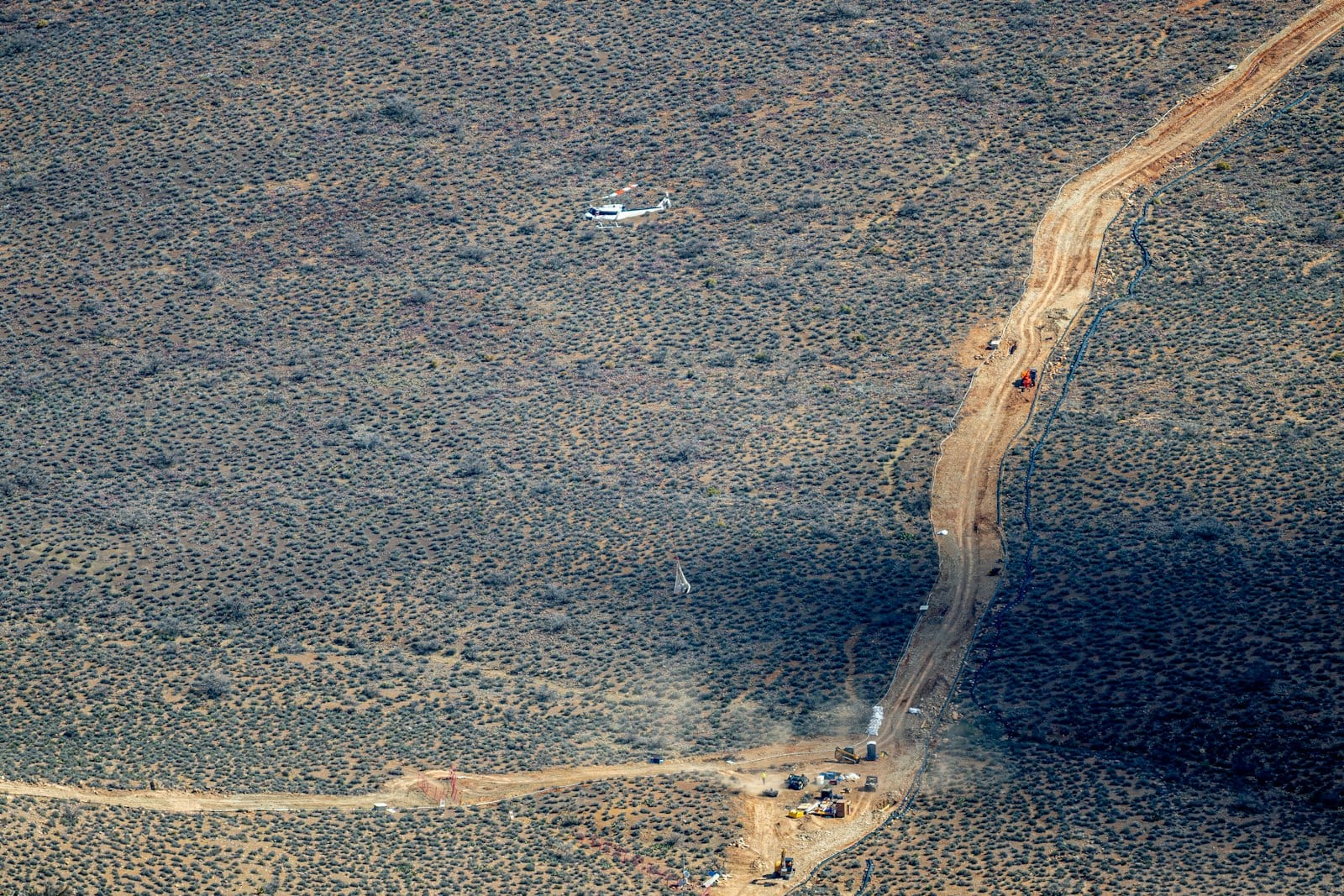
Cross-border CO₂ networks
Coordinated legal and technical rules letting CO₂ pipelines cross national borders.
Cost
Medium to Very high
Complexity
Medium to Very high
Timeline
Short to Long
Integrity, transparency & MRV
1–2Innovation & cost reduction
1–2Social & environmental safeguards
1–3Energy, transport & storage infrastructure
3–4Inputs & capacity
N/ADemand formation
N/ABankability and cost of capital
2–4Policy architecture & coordination
2–3
Permitting process streamlining
Reorganising how permitting authorities receive and decide project applications.
Cost
Very low to Medium
Complexity
Low to High
Timeline
Very short to Medium
Integrity, transparency & MRV
1–2Innovation & cost reduction
1–2Social & environmental safeguards
1–3Energy, transport & storage infrastructure
1–3Inputs & capacity
1–2Demand formation
N/ABankability and cost of capital
2–3Policy architecture & coordination
2–4
Infrastructure hubs
A shared site bringing electricity, water and CO₂ transport together for several users.
Cost
Medium to Very high
Complexity
Medium to High
Timeline
Medium to Long
Integrity, transparency & MRV
1–2Innovation & cost reduction
2–3Social & environmental safeguards
2–3Energy, transport & storage infrastructure
3–4Inputs & capacity
2–3Demand formation
N/ABankability and cost of capital
2–4Policy architecture & coordination
2–3©2026 Alexander Mäkelä and Carbon Gap.
Except where otherwise indicated, this work is licensed under the Creative Commons Attribution–NonCommercial–ShareAlike 4.0 International Licence.
Headline and barrier scores based on Carbon Gap analysis.