 Integrity and accountability
BIOMASS FEEDSTOCK SUSTAINABILITY CRITERIA
Lever last updated: 10 September 2026
Sustainability requirements governing the biomass feedstock used in removal pathways like BECCS and biochar.
Cost
Very low to Low
A certification body can update existing criteria and audits for below EUR 1 million annually. A national programme may spend EUR 1 million to EUR 10 million on technical assessment, supplier guidance, oversight and landscape checks. Operators' sourcing and certification bills remain separate compliance costs.
Complexity
Medium to High
Existing definitions and recognised audit schemes simplify implementation. New rules addressing contested land uses, competing biomass demand and cross-border evidence may require primary legislation, multiple authorities and new monitoring capability.
Timeline
Short to Long
Existing suppliers can change records and sourcing within one to two years. New supply contracts, collection capacity or processing can take two to five years; major land-management transitions can exceed five years before compliant supply materially changes.
Integrity, transparency & MRV
Innovation & cost reduction
Social & environmental safeguards
Energy, transport & storage infrastructure
Inputs & capacity
Demand formation
Bankability and cost of capital
Policy architecture & coordination
Overview
Governments and certification bodies can set sustainability requirements for biomass used in carbon removal, including bioenergy with carbon capture and storage, biochar, biomass burial and wood in construction. The rules determine which sources qualify, where harvesting is prohibited and what evidence suppliers must provide about land management and supply-chain emissions. Making compliance a condition of support, certification or market access gives developers a reason to source qualifying material and gives suppliers a reason to document it. The purpose is to prevent projects from earning recognition for stored carbon while their feedstock sourcing depletes other carbon stocks or damages ecosystems. Removal accounting must still establish the net quantity stored.
Key Considerations
Rule-makers need to decide which feedstocks and uses are covered, whether smaller activities follow simpler procedures and which impacts remain unacceptable at any scale. Requirements can exclude biomass from high-carbon or biodiverse land, limit damaging harvest practices and account for emissions from collection, processing and transport. Assessments should consider what would otherwise happen to the material, including whether it would remain storing carbon or serve another useful purpose. A cascading-use rule gives priority to uses such as long-lived materials before burning suitable wood for energy. Records linking each consignment to its source and independent checks must support the criteria. Energy, land-use and removal rules should use compatible definitions.
Opportunities
Clear sourcing requirements help developers build supply chains that buyers and regulators can accept. They can protect forests, soils and biodiversity while reducing the risk that poor sourcing discredits biomass-based removal more broadly. Applying equivalent requirements across competing operators prevents those using cheaper, damaging feedstocks from gaining an unfair advantage. Existing forestry and renewable-energy certification can provide records, auditors and verification procedures that removal programmes adapt. Extending those systems can reduce duplicate work, provided their coverage includes the relevant feedstocks and uses and any additional removal requirements are addressed.
Risks
A real implementation risk arises when unnecessary paperwork, inconsistent tests or abrupt transitions also exclude sustainable suppliers. Projects may then face higher costs or delays even where acceptable material exists. Demand can also exceed the genuinely sustainable resource, and weaker criteria cannot solve that physical limit. Displacing existing biomass users may push harvesting or land conversion elsewhere, outside project records. Rules need proportionate evidence routes and supply-chain transition plans while retaining core carbon, biodiversity and rights protections.
Monitoring and Evaluation
Authorities and scheme owners should examine eligible volumes and prices by source, audit failures and changes in carbon stocks, biodiversity and land use in supplying regions. Reviews should test whether material has been diverted from existing uses and whether replacement sourcing causes harm elsewhere. They should also assess the cost of compliance for smaller suppliers. These findings can inform revised exclusions, evidence requirements or transition arrangements when project records do not explain the wider sourcing effects.
Stakeholder Engagement
Forest owners, farmers, waste suppliers and affected land users should explain how sourcing rules change land management and livelihoods. Removal developers should identify supply needs and realistic transition periods. Scientists and conservation groups should assess carbon and biodiversity effects, while certification bodies test the records and inspections needed to check compliance. Removal, energy, agriculture and land-use authorities should resolve inconsistent requirements before applying them to the same supply chain.
Governance Levels
Supranational, national and regional authorities can set sourcing conditions through their energy, land-use, certification and support powers. International standard-setting bodies and private scheme owners can require equivalent evidence for certified supply chains. In each case, the actor decides which material qualifies and how compliance is checked. A purchaser selecting an already-certified feedstock applies the standard rather than establishing the sourcing rules.
Implementation Strategies
Rule-makers should first compare existing forestry and energy requirements with the needs of biochar, biomass burial and material uses. They can reuse compatible definitions and supplier records, then add requirements where an energy certificate does not establish acceptable sourcing for a removal activity.
Authorities should place core protections, such as excluded land categories and required greenhouse-gas performance, in enforceable rules. Calculation methods and evidence formats should be updateable as the science develops, with a clear process and notice for affected suppliers.
Requirements should give suppliers notice to change contracts, traceability, collection and processing. Authorities should distinguish time needed to document already-sustainable material from time needed to create a different supply chain. Simpler evidence routes can assist smaller residue suppliers while core biodiversity, carbon-stock and rights protections remain in force.
Authorities should compare supplier records with changes across supplying landscapes and competing biomass uses. Unexpected harvesting, land conversion or displacement should trigger investigation and, where necessary, tighter sourcing conditions or suspension of an affected certification route.
Case Studies
EU renewable-energy biomass rules
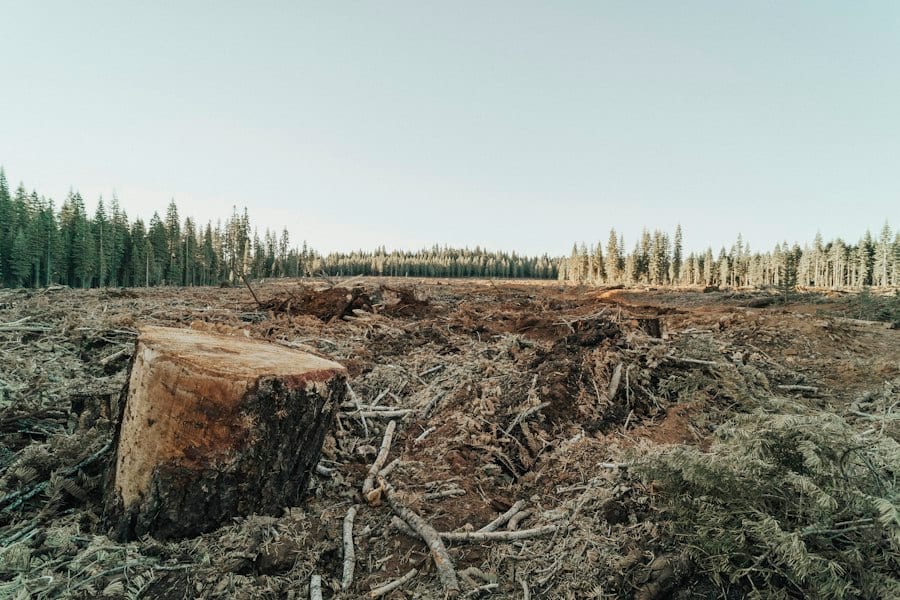
The EU Renewable Energy Directive determines which biomass can count toward renewable-energy targets and qualify for support. Article 29 sets its sustainability and greenhouse-gas saving criteria. The 2023 revision strengthened protections for high-carbon and biodiverse land, restricted damaging harvesting practices and extended coverage to solid-biomass heat and power installations from 7.5 MW. Suppliers and installations must demonstrate compliance to access the recognised uses and supported markets. These criteria also operate through other legislation. Under EU emissions-trading rules, biomass covered by the requirements loses its zero-emissions treatment if it fails them, so its carbon is counted as fossil for compliance. Sourcing evidence therefore affects an operator's allowance bill as well as energy eligibility. Bioenergy projects adding carbon capture can build on this compliance system, while removal certification must additionally establish the net quantity removed and its storage duration.

EU removal certification safeguards
The EU's Carbon Removals and Carbon Farming Regulation makes sustainability a condition of voluntary removal certification. The Commission's permanent-removal methodologies adopted in February 2026 cover direct air capture with storage, capture and storage of biogenic emissions, and biochar. Their biomass rules reuse applicable RED Article 29 requirements, including for qualifying removal activities that do not generate renewable energy counted under that directive. Recognised sustainability schemes can supply compliance evidence, reducing duplicate assessments. Exceptions depend on the feedstock and activity; the rules do not impose every energy-saving test on every biomass use. Developers still need separate evidence of net atmospheric removal and storage. Access to recognised certificates therefore carries sourcing conditions into the removal market while allowing relevant existing supply-chain records to be reused.

Puro.earth’s biochar feedstock requirements
Puro.earth is a private standard-setter certifying durable removals through CO₂ Removal Certificates. Its 2025 biochar methodology makes biomass sourcing part of eligibility, alongside process emissions, product quality and storage requirements. Producers must establish where material comes from and meet sourcing rules before the resulting biochar can support certified removals. This gives suppliers a commercial reason to maintain source records and reject unsuitable inputs, rather than treating all material called “waste” as automatically sustainable. The methodology is a direct CDR example of a private standard imposing sourcing conditions. It does not establish that certification expands the physical biomass resource or removes all competing-use impacts. The relevant lesson is to connect credible feedstock evidence to the award of a saleable removal certificate.
Isometric’s biomass-feedstock accounting module
Isometric, a private removal standard and registry provider, updated its biomass-feedstock accounting module in October 2025. Version 1.3 added feedstock categories, including invasive species and municipal waste, and further ways for suppliers to demonstrate compliance. The module tests sustainable sourcing, the material’s likely alternative use and emissions displaced elsewhere through market effects. It can be applied across biomass-based removal pathways, so a common input need not be assessed from scratch for every process. The change shows that a standard can broaden legitimate eligibility by improving evidence routes while retaining substantive safeguards. A newly eligible category is not blanket approval of every consignment; the source, circumstances and net-removal calculation still determine whether credits can be issued.
More Integrity and accountability

Measurement, reporting and verification protocols
A common rulebook specifying how projects must measure, report and verify their removals.
Cost
Very low to Low
Complexity
Low to High
Timeline
Short to Medium
Integrity, transparency & MRV
3–5Innovation & cost reduction
1–2Social & environmental safeguards
1–2Energy, transport & storage infrastructure
N/AInputs & capacity
1–2Demand formation
1–2Bankability and cost of capital
1–2Policy architecture & coordination
2–4
Certification schemes
Independent assurance that a removal project and its results meet defined quality standards.
Cost
Very low to Medium
Complexity
Low to High
Timeline
Short to Medium
Integrity, transparency & MRV
3–4Innovation & cost reduction
1–2Social & environmental safeguards
2–4Energy, transport & storage infrastructure
N/AInputs & capacity
1–2Demand formation
1–2Bankability and cost of capital
1–3Policy architecture & coordination
2–4
Carbon credit legal status
Legislation or guidance clarifying what legal rights a carbon credit holder actually has.
Cost
Very low to Low
Complexity
Low to High
Timeline
Short to Medium
Integrity, transparency & MRV
2–3Innovation & cost reduction
N/ASocial & environmental safeguards
N/AEnergy, transport & storage infrastructure
N/AInputs & capacity
N/ADemand formation
1–3Bankability and cost of capital
2–3Policy architecture & coordination
3–4©2026 Alexander Mäkelä and Carbon Gap.
Except where otherwise indicated, this work is licensed under the Creative Commons Attribution–NonCommercial–ShareAlike 4.0 International Licence.
Headline and barrier scores based on Carbon Gap analysis.