 System and capacity enablers
ARPA-STYLE HIGH-RISK RESEARCH PROGRAMMES
Lever last updated: 14 September 2026
Fixed-term programme directors pursuing high-risk CDR research with unusual freedom.
Cost
Medium to High
The implementing public body funds multi-year research portfolios, specialist staff, facilities and programme management. A focused CDR portfolio can remain Medium, while a standalone agency running several large programmes reaches High.
Complexity
Medium to High
Government must establish autonomy, appointments, flexible hiring and funding powers, portfolio review and audit. Creating a standalone agency requires more legal and organisational work than adding a portfolio to an existing body.
Timeline
Medium
From formal authorisation, recruiting directors and launching the first managed portfolios can change research activity within two to five years. Technical effects and handover to demonstration commonly take longer.
Integrity, transparency & MRV
Innovation & cost reduction
Social & environmental safeguards
Energy, transport & storage infrastructure
Inputs & capacity
Demand formation
Bankability and cost of capital
Policy architecture & coordination
Overview
An ARPA-style research programme gives fixed-term programme directors unusual freedom to pursue difficult technical goals through portfolios of high-risk research projects. Directors define a problem, select different approaches, set demanding milestones and can redirect or stop work as evidence changes. For CDR, a dedicated portfolio could address cross-cutting barriers such as low-energy capture, durable storage measurement or new removal pathways that ordinary research calls consider too uncertain. The lever differs from conventional grants because programme directors actively manage a portfolio after awards rather than selecting projects against a fixed call and waiting for final reports.
Key Considerations
The model depends on real autonomy within clear public accountability. Founding rules determine who appoints programme directors, how long they serve, which funding tools they control and how readily they can change milestones or end projects. Programme goals need to describe a technical barrier and measurable advances without predetermining one method. Portfolio evaluation needs to tolerate individual failures while detecting weak management or repeated neglect of evidence. Intellectual property, publication of useful negative results, conflicts, safety and handover to later research, demonstration or procurement programmes also need explicit treatment.
Opportunities
Active portfolio management can pursue several competing solutions and shift resources as evidence emerges. Fixed-term directors bring specialist researchers into public service and make decisions faster than a conventional annual grant cycle. A CDR portfolio can create prototypes, measurement tools and technical options for later demonstration or demand policies. Publishing failed approaches can prevent duplication. Value should be judged through learning and options at portfolio level, not by expecting every project to succeed or the agency itself to deliver commercial removal.
Risks
Political leaders may withdraw support after a visible failure even though high-risk portfolios are expected to lose projects. Autonomy without scrutiny can produce favouritism, conflicts or fashionable programmes disconnected from important CDR barriers. Aggressive milestones may undervalue slower science, while poor handover can strand successful prototypes. Follow-on investment may reflect selection of strong teams rather than agency impact. Without authority to redirect awards, recruit specialists or stop weak work, the institution becomes a grant agency.
Monitoring and Evaluation
Assessment should operate at programme and portfolio level, covering milestone decisions, projects redirected or ended, technical results, useful negative findings, handovers and follow-on finance. Reviewers should distinguish credible high-risk failure from weak selection or management. Persistent delays in appointments, risk-averse portfolios or weak handovers should inform leadership and future programme design without inviting political approval of individual technical decisions.
Stakeholder Engagement
Legislators and finance ministries need early agreement on autonomy, accountability and tolerance for portfolio failure. Programme directors draw problem definitions from researchers, engineers, CDR suppliers, measurement experts and downstream users without turning consultation into a vote on awards. Independent advisers scrutinise safety, ethics and conflicts, while demonstration agencies, regulators, procurement bodies and investors clarify what evidence successful projects need next.
Governance Levels
National governments and supranational institutions can create dedicated research programmes or agencies within their research and budget powers. The defining requirements are specialist programme directors, multi-year resources, active portfolio management and authority to redirect or end work. The European Innovation Council already uses fixed-term programme managers and actively managed portfolios, although its discretion is governed by EU funding rules. Private high-risk laboratories remain a separate institutional model.
Implementation Strategies
Founding rules should protect programme-director control over hiring, awards, milestones, redirection and termination while preserving portfolio-level audit and parliamentary accountability.
Directors can build method-diverse portfolios around measurable technical barriers rather than broad technology labels.
Milestones should release, redirect or stop funding as evidence changes, with useful negative results published where possible.
Formal handovers to demonstration, regulatory and procurement programmes can give successful projects a clear next decision point.
Case Studies
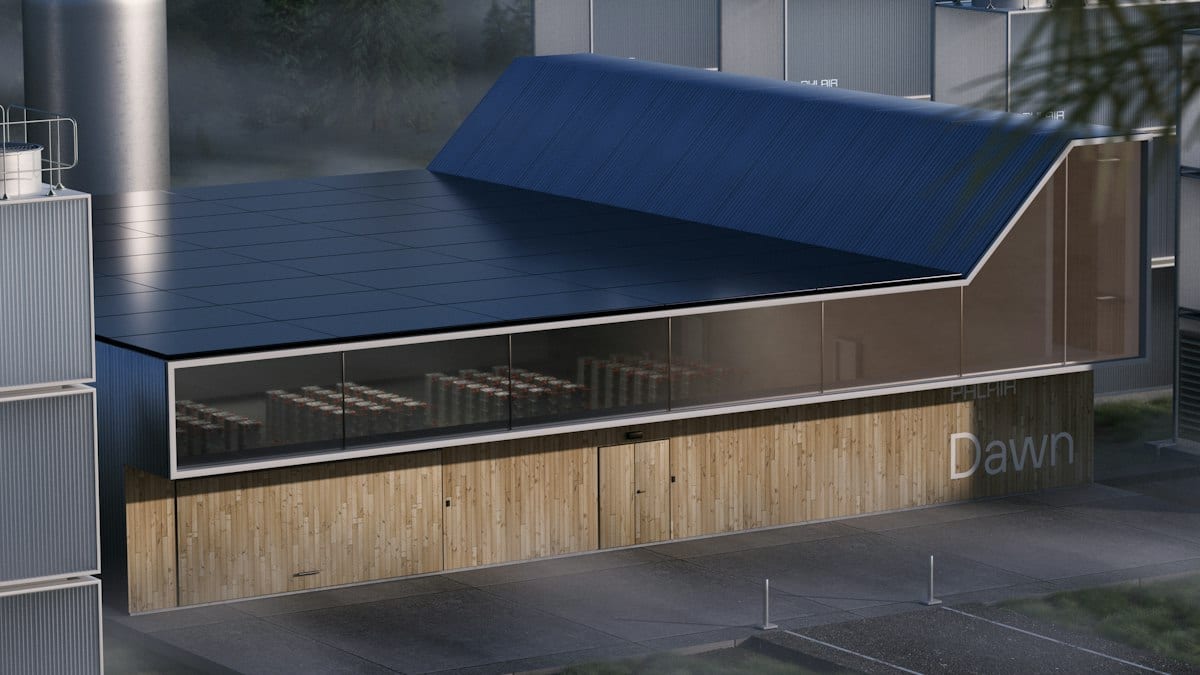
United States Advanced Research Projects Agency-Energy .
Congress authorised ARPA-E in 2007 and provided its first USD 400 million in 2009. The agency hires programme directors for limited terms to assemble portfolios, negotiate milestones and discontinue projects that fail. Its remit covers energy rather than CDR alone, although programmes have supported carbon-management materials, measurement and conversion research. ARPA-E reports substantial company formation and private follow-on investment among project teams, but those figures do not isolate agency causation or verified removals. The case demonstrates an operating national institution with the autonomy and active portfolio management this lever requires.

United Kingdom Advanced Research and Invention Agency.
The United Kingdom created the Advanced Research and Invention Agency through legislation in 2022 as an independent public body for speculative, difficult or interdisciplinary research. Its programme directors shape research programmes and select projects within broad opportunity areas, while a board and Parliament provide institutional accountability. By 2026, ARIA had launched programmes addressing areas including climate tipping points, but it was not a dedicated carbon-removal agency and had not reported verified CDR delivery. The case shows that a government can establish the model outside the United States, while leaving its long-term innovation effects unproven.
More System and capacity enablers

Cross-border CO₂ networks
Coordinated legal and technical rules letting CO₂ pipelines cross national borders.
Cost
Medium to Very high
Complexity
Medium to Very high
Timeline
Short to Long
Integrity, transparency & MRV
1–2Innovation & cost reduction
1–2Social & environmental safeguards
1–3Energy, transport & storage infrastructure
3–4Inputs & capacity
N/ADemand formation
N/ABankability and cost of capital
2–4Policy architecture & coordination
2–3
Permitting process streamlining
Reorganising how permitting authorities receive and decide project applications.
Cost
Very low to Medium
Complexity
Low to High
Timeline
Very short to Medium
Integrity, transparency & MRV
1–2Innovation & cost reduction
1–2Social & environmental safeguards
1–3Energy, transport & storage infrastructure
1–3Inputs & capacity
1–2Demand formation
N/ABankability and cost of capital
2–3Policy architecture & coordination
2–4
Infrastructure hubs
A shared site bringing electricity, water and CO₂ transport together for several users.
Cost
Medium to Very high
Complexity
Medium to High
Timeline
Medium to Long
Integrity, transparency & MRV
1–2Innovation & cost reduction
2–3Social & environmental safeguards
2–3Energy, transport & storage infrastructure
3–4Inputs & capacity
2–3Demand formation
N/ABankability and cost of capital
2–4Policy architecture & coordination
2–3©2026 Alexander Mäkelä and Carbon Gap.
Except where otherwise indicated, this work is licensed under the Creative Commons Attribution–NonCommercial–ShareAlike 4.0 International Licence.
Headline and barrier scores based on Carbon Gap analysis.