 System and capacity enablers
ACCESS CONDITIONS FOR PUBLICLY FUNDED CDR KNOWLEDGE AND IP
Lever last updated: 14 September 2026
Conditions on CDR grants requiring wider access to the resulting knowledge or IP.
Cost
Very low
Funders mainly revise grant terms, train staff and monitor compliance. Additional cost arises from licence administration, disputes and enforcement, while the underlying research budget belongs to the funding lever.
Complexity
Low to Medium
Standard publication and data clauses fit existing agreements. Patent licences, background rights, private co-funding, security restrictions, intervention triggers and enforcement require more specialised legal and technical judgement.
Timeline
Short
A funder can apply revised terms in its next grant round, usually within one to two years. Rights affect access only after funded work produces relevant results or non-use triggers arise.
Integrity, transparency & MRV
Innovation & cost reduction
Social & environmental safeguards
Energy, transport & storage infrastructure
Inputs & capacity
Demand formation
Bankability and cost of capital
Policy architecture & coordination
Overview
A public research funder can make access to specified knowledge or intellectual property a condition of a CDR grant or contract. The recipient may keep ownership and commercialise the result, while accepting defined obligations such as open publication, reusable data, a government-use licence or licensing to others if the result is not put into practice. Conditions can focus on shared foundations such as measurement methods, reference data and safety protocols without requiring every proprietary process to be opened. A voluntary patent pool is a separate industry-led mechanism because participation does not arise from the public funding agreement.
Key Considerations
Terms need to identify the funded results they cover, distinguish them from pre-existing knowledge, and state who receives access, for which uses, at what price and for how long. Open publication and data access are simpler than patent licensing or intervention rights, which need clear triggers and enforcement. Commercial confidentiality, security, Indigenous knowledge and private co-funding may justify limits. Broad conditions on core process technology can deter capable partners or later investment, while narrow or unused rights may change nothing. The funder also needs staff able to monitor exploitation, review refusals and administer licences.
Opportunities
Access terms can make publicly financed evidence, methods and tools available for independent scrutiny and reuse. Common reference data or measurement methods reduce duplicated work across projects and jurisdictions, while retained public rights provide a fallback if an important invention is not deployed. Predictable terms set before an award are easier for applicants and co-investors to assess than later intervention. The effect depends on whether funded results are genuinely useful and whether access rights are exercised.
Risks
Conditions that reach beyond the publicly funded work can weaken applications, private co-investment or incentives to commercialise. Publication before patent filing may destroy valuable rights, while broad confidentiality exceptions can defeat access. Intervention powers with vague triggers create uncertainty, and powers that are never monitored or used provide little practical benefit. Poor licensing administration can favour established firms, expose sensitive information or leave nominally accessible technology too costly to adopt.
Monitoring and Evaluation
Evaluation should distinguish rights written into agreements from access achieved in practice. Relevant evidence includes publications and datasets released, licences requested and granted, terms and processing time, justified refusals, intervention reviews, downstream reuse and changes in applicant or co-investor participation. Repeated non-use or disputes would indicate that scope, triggers or administrative capacity need revision.
Stakeholder Engagement
Consultation should establish which publicly funded outputs function as shared foundations and which need commercial protection. Research organisations, technology-transfer offices, CDR companies, measurement specialists, standards bodies and prospective users bring evidence on access needs and investment effects. Public-interest and rights holders should inform treatment of safety, sensitive data, Indigenous knowledge and accountability for licensing decisions.
Governance Levels
Supranational, national, regional and state research funders can attach access conditions to grants and contracts made under their own authority. The funding body remains responsible for defining covered results, monitoring compliance and exercising retained rights. Companies may license technology or join a voluntary pool, but that voluntary choice does not constitute this public-funding lever.
Implementation Strategies
Public funders should identify which outputs require broader access and distinguish newly funded results from pre-existing knowledge.
Grant terms should define publication, data and licensing duties, permitted exceptions, compliance evidence and any intervention trigger.
Funders can test standard clauses in a limited CDR call, then revise them using licence uptake, disputes and private co-investment.
Case Studies

United States Bayh-Dole safeguards.
The United States enacted the Bayh-Dole framework in 1980. Under 35 U.S.C. §202, nonprofits and small firms may retain title to federally funded inventions, while the funding agency receives a paid-up government-use licence and utilisation reports. Section 203 allows the agency to require licensing when specified conditions, including failure to achieve practical application, are met. These are operational access conditions attached to public funding, but they are not CDR-specific and do not create general public access to the invention.

Horizon Europe grant conditions.
The European Commission's June 2026 Horizon Europe model grant agreement requires immediate open access to peer-reviewed publications, FAIR management of research data and royalty-free access for EU bodies to funded results for non-commercial policy use. Call conditions may add further access or dissemination duties, while legitimate commercial, security and intellectual-property interests can justify limits on data access. These rules are a direct supranational precedent for attaching access terms to research finance, although the standard agreement is not CDR-specific and does not compel open licensing of every patent.
More System and capacity enablers
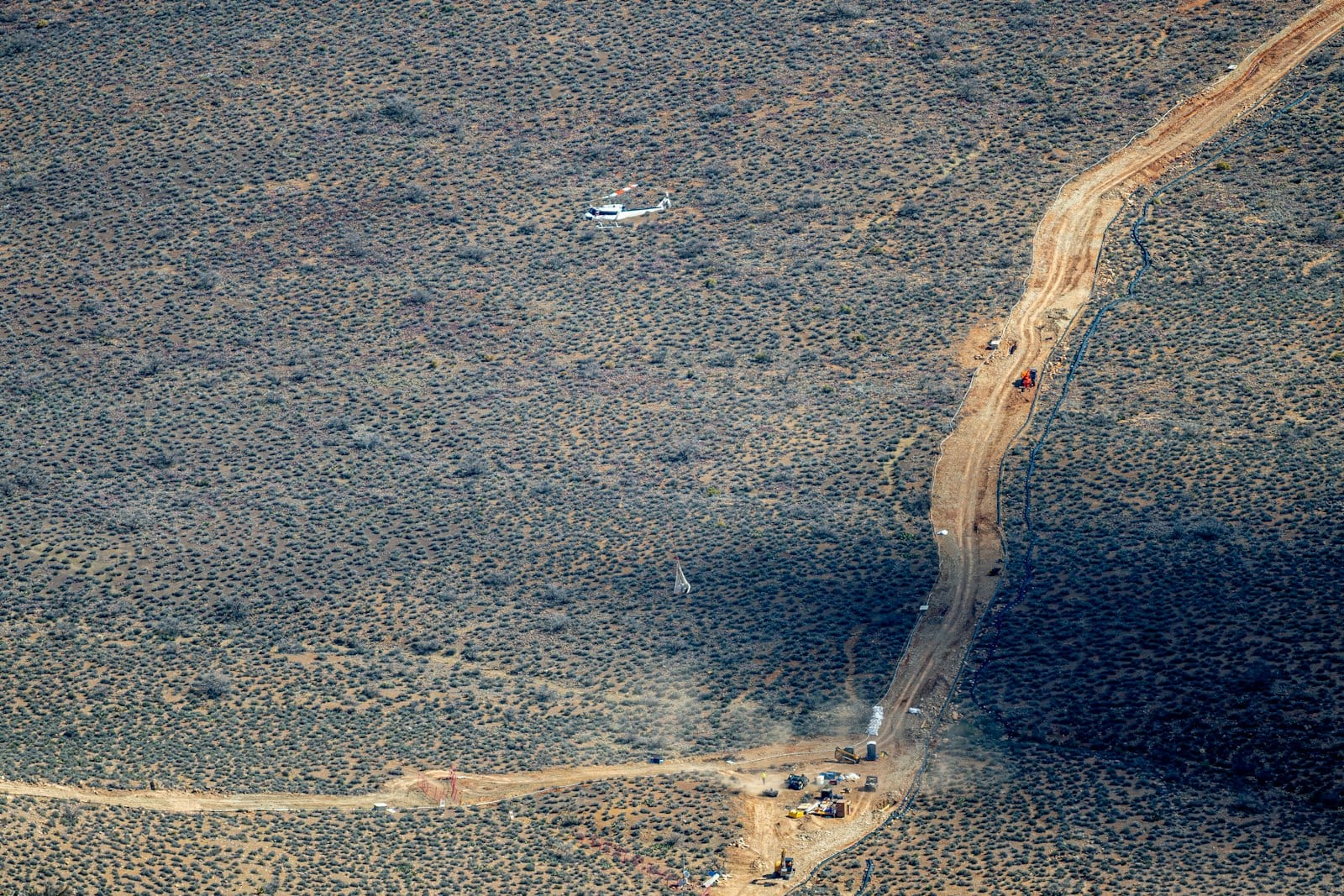
Cross-border CO₂ networks
Coordinated legal and technical rules letting CO₂ pipelines cross national borders.
Cost
Medium to Very high
Complexity
Medium to Very high
Timeline
Short to Long
Integrity, transparency & MRV
1–2Innovation & cost reduction
1–2Social & environmental safeguards
1–3Energy, transport & storage infrastructure
3–4Inputs & capacity
N/ADemand formation
N/ABankability and cost of capital
2–4Policy architecture & coordination
2–3
Permitting process streamlining
Reorganising how permitting authorities receive and decide project applications.
Cost
Very low to Medium
Complexity
Low to High
Timeline
Very short to Medium
Integrity, transparency & MRV
1–2Innovation & cost reduction
1–2Social & environmental safeguards
1–3Energy, transport & storage infrastructure
1–3Inputs & capacity
1–2Demand formation
N/ABankability and cost of capital
2–3Policy architecture & coordination
2–4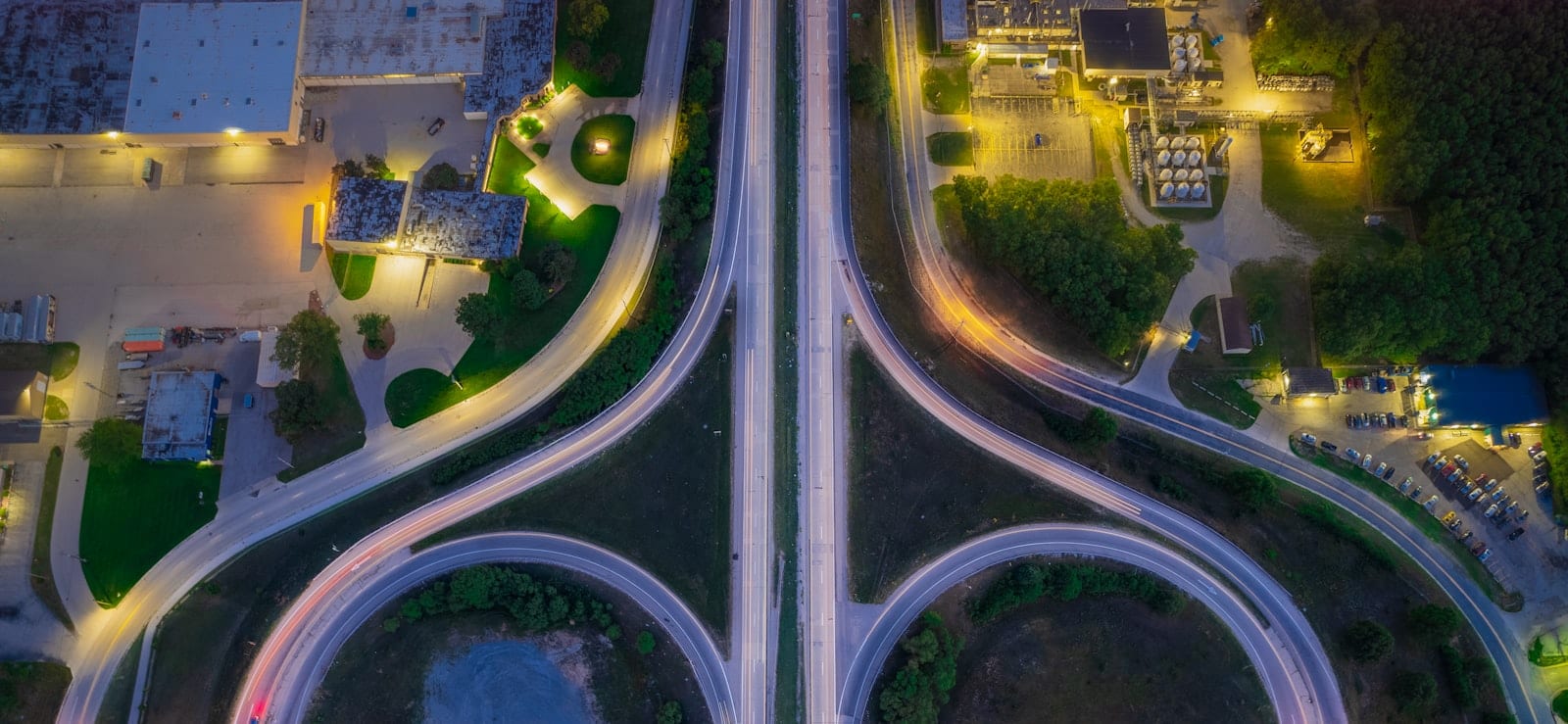
Infrastructure hubs
A shared site bringing electricity, water and CO₂ transport together for several users.
Cost
Medium to Very high
Complexity
Medium to High
Timeline
Medium to Long
Integrity, transparency & MRV
1–2Innovation & cost reduction
2–3Social & environmental safeguards
2–3Energy, transport & storage infrastructure
3–4Inputs & capacity
2–3Demand formation
N/ABankability and cost of capital
2–4Policy architecture & coordination
2–3©2026 Alexander Mäkelä and Carbon Gap.
Except where otherwise indicated, this work is licensed under the Creative Commons Attribution–NonCommercial–ShareAlike 4.0 International Licence.
Headline and barrier scores based on Carbon Gap analysis.