 Capital formation and risk sharing
ACCELERATED DEPRECIATION AND CAPITAL ALLOWANCES
Lever last updated: 10 September 2026
Faster tax depreciation that lets removal businesses deduct equipment costs sooner.
Cost
Low to High
The tax authority bears administration costs and the treasury receives less revenue upfront. Fiscal cost depends on eligible assets, deduction speed, investment volume, firms' taxable profits and whether relief is later recovered.
Complexity
Medium
Governments must amend tax law, classify qualifying assets, specify CDR uses, update returns and guidance, connect tax and project records, treat mixed-use equipment, audit claims and recover relief after disqualifying sales or uses.
Timeline
Short
Once enacted, the allowance changes the tax treatment of new qualifying purchases immediately. From formal initiation, legislation, guidance and business planning will usually take one to two years before investment decisions materially change.
Integrity, transparency & MRV
Innovation & cost reduction
Social & environmental safeguards
Energy, transport & storage infrastructure
Inputs & capacity
Demand formation
Bankability and cost of capital
Policy architecture & coordination
Overview
Accelerated depreciation lets a business deduct eligible equipment costs from taxable profit sooner than under normal depreciation. Full expensing permits the whole deduction in the purchase year. The business usually deducts the same total amount over the asset's life, but earlier relief improves cash flow and makes the investment cheaper in today's money. Lawmakers can apply the rule broadly or target equipment for direct air capture, biomass processing, CO₂ transport or permanent storage.
Key Considerations
The design depends on which taxpayers, assets and purchase dates qualify, how quickly costs may be deducted, and how the allowance interacts with leases, grants, tax credits and business losses. CDR eligibility should distinguish equipment used for net atmospheric or sustainable-biogenic removal from equipment used only for fossil emissions. Sale or loss of qualifying use may require some relief to be repaid. Access also matters. Profitable firms receive the benefit quickly, while firms with tax losses may wait years. Clear asset records and anti-avoidance rules are needed to prevent relabelling or purchase-timing games.
Opportunities
Earlier deductions leave more cash with profitable businesses when equipment is purchased, which can improve project returns and bring forward investment. The rule can operate automatically through tax returns, avoiding a competitive grant process, and can cover capture, processing, transport or storage assets. Stable eligibility may make expected tax savings easier for lenders and investors to model. The effect is strongest for profitable firms making additional purchases. It does not reward removal performance and offers little immediate help to firms carrying tax losses.
Risks
An uncapped allowance can cause large near-term revenue losses and reward purchases that would occur anyway. Profitable incumbents can use it immediately, while young CDR firms may wait years for taxable income. Vague asset definitions invite reclassification and disputes, and expiry dates can shift purchases without increasing them. Faster deductions do not ensure that equipment operates, removes atmospheric carbon or meets safeguards. Broad eligibility may also favour capital-intensive methods regardless of wider value.
Monitoring and Evaluation
Evaluation should compare claims and delayed tax revenue with additional qualifying investment, project operation and verified removals. Results should also show who benefits by firm size and profitability. Evidence that the allowance mainly shifts purchase dates, rewards existing plans or supports idle equipment would justify narrower assets, lower rates or a different instrument.
Stakeholder Engagement
Engagement is most useful when it establishes which assets genuinely support net removal, whether earlier deductions change investment and which firms can use the benefit. Evidence from developers, equipment suppliers, lenders and tax advisers should inform definitions and reporting. Tax and climate authorities, legislators, auditors and competition experts should examine revenue exposure, overlapping subsidies and unequal access.
Governance Levels
Governments can change depreciation only where they control a tax on business profits. National legislatures normally hold that authority and revenue agencies administer the deduction. Regional, state and municipal governments may set their own rules where they levy a separate profit-based business tax, although many do not. Alignment across tax levels can reduce duplicate calculations, but each jurisdiction remains responsible for its own eligible assets, rates, audits and revenue effects.
Implementation Strategies
Define qualifying taxpayers, assets, removal uses, purchase dates, deduction rates and interactions with leases, grants, tax credits and losses.
Explain how dedicated and mixed-use equipment qualifies and when relief will be recovered after sale or changed use.
Keep the allowance stable long enough to influence investment and explain how loss-making firms may carry unused deductions forward.
Compare claims with additional investment and operating removals, then narrow eligibility or rates if the measure mainly rewards existing plans.
Case Studies
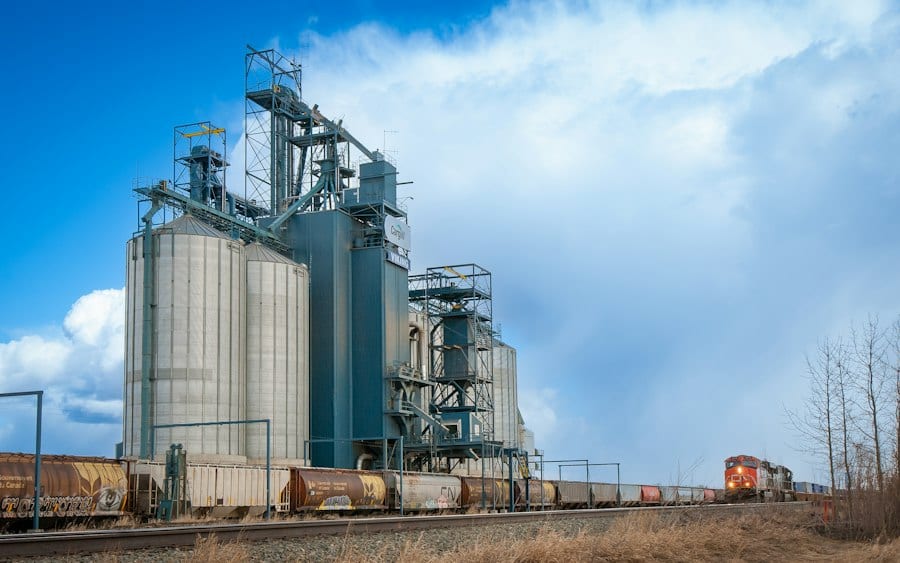
Canada's Class 57 carbon-capture assets
Canada's current Income Tax Regulations place equipment used solely to capture, prepare, transport or permanently store CO₂ in Class 57, including equipment that captures directly from ambient air. Businesses may generally deduct 8 percent of the remaining eligible cost each year and claim a larger deduction when the asset first becomes available for use. Although the class also covers point-source capture, its inclusion of direct-air-capture equipment makes it an operational and directly relevant precedent.

United Kingdom permanent full expensing
The United Kingdom announced temporary full expensing on 15 March 2023, applied it to qualifying purchases from 1 April and made it permanent in November. Companies can deduct 100% of eligible general plant and machinery in the purchase year. A 2025 official survey found that 75% of large businesses had claimed, but 85% of claimants said it had not changed investment decisions. Where it did, timing changed more than scale.

United States permanent bonus depreciation
United States federal law made 100% first-year depreciation permanent for qualifying property acquired after 19 January 2025. Treasury and Internal Revenue Service guidance, issued in January 2026, explains how businesses deduct the eligible cost in the year an asset enters service. The rule is operational and broad rather than CDR-specific. It shows that national government can change tax timing and administer the benefit through existing returns.
More Capital formation and risk sharing

Advance market commitments
A binding promise to buy a set volume of removals at an agreed price once suppliers deliver.
Cost
Low to Very high
Complexity
Medium to High
Timeline
Very short to Medium
Integrity, transparency & MRV
2–4Innovation & cost reduction
2–5Social & environmental safeguards
1–3Energy, transport & storage infrastructure
N/AInputs & capacity
N/ADemand formation
3–5Bankability and cost of capital
3–5Policy architecture & coordination
1–3
Carbon contracts for difference (CCfDs)
A guaranteed price per verified tonne that tops up revenue when the market price falls short.
Cost
Low to Very high
Complexity
High
Timeline
Short to Medium
Integrity, transparency & MRV
2–3Innovation & cost reduction
2–4Social & environmental safeguards
1–3Energy, transport & storage infrastructure
N/AInputs & capacity
N/ADemand formation
2–4Bankability and cost of capital
4–5Policy architecture & coordination
2–4
Publicly supported currency hedging
Public backing enabling a specialist provider to offer currency hedges CDR developers can't get commercially.
Cost
Low to Medium
Complexity
Low to High
Timeline
Very short to Medium
Integrity, transparency & MRV
N/AInnovation & cost reduction
N/ASocial & environmental safeguards
N/AEnergy, transport & storage infrastructure
N/AInputs & capacity
N/ADemand formation
1–2Bankability and cost of capital
3–4Policy architecture & coordination
1–2©2026 Alexander Mäkelä and Carbon Gap.
Except where otherwise indicated, this work is licensed under the Creative Commons Attribution–NonCommercial–ShareAlike 4.0 International Licence.
Headline and barrier scores based on Carbon Gap analysis.