 Voluntary and normative drivers
VOLUNTARY CDR TARGETS
Lever last updated: 14 September 2026
A company's own public deadline and volume commitment for carbon removal.
Cost
Very low to Low
The organisation funds emissions analysis, target design and reporting. Existing teams can handle simple commitments; complex operations require specialist support. Purchasing removals requires separate funding to deliver the target.
Complexity
Very low to Medium
Leadership can adopt a target through existing planning procedures. Wider organisational coverage may require new emissions accounts, reporting systems and responsibilities across departments or subsidiaries.
Timeline
Very short to Short
From starting target development, a credible goal could change budgets or purchasing plans within a year; complex organisations may need one to two. These are planning estimates.
Integrity, transparency & MRV
Innovation & cost reduction
Social & environmental safeguards
Energy, transport & storage infrastructure
Inputs & capacity
Demand formation
Bankability and cost of capital
Policy architecture & coordination
Overview
Companies have used voluntary commitments to renewable electricity to give their investment and purchasing teams a shared goal and deadline. A voluntary CDR target applies this approach to carbon removal. An organisation’s leadership commits to removing a specified quantity of CO₂ by a stated date, or to balancing defined emissions through removals. The goal can guide budgets, supplier discussions and purchasing plans, while public reporting makes progress visible. It may address emissions remaining after deep reductions, historical emissions or an additional climate contribution. Interim milestones and named responsibilities help turn the commitment into action. Suppliers receive actual business when the organisation follows through with funded purchases or its own removal projects.
Key Considerations
The target should state how much CO₂ will be removed, by when, how long it must remain stored and which activities or emissions it covers. A separate emissions-reduction plan should explain how the organisation will cut its footprint. Historical emissions and additional contributions need distinct accounting so the same removals are not counted twice. Interim milestones should reflect credible supply, expected costs and the organisation’s ability to fund delivery. Independent assessment can test whether the target and plan are credible; verification must separately establish whether the promised removals actually occur.
Opportunities
A clear target can give finance and procurement teams a reason to prepare for CDR before purchases are legally required. Public commitments reveal potential customers to removal providers and can encourage other organisations to act. Early planning allows buyers to learn about methods, quality and contracting before larger purchases become necessary. Targets can also create a practical route for taking responsibility for historical emissions or making an additional climate contribution, with progress open to scrutiny by staff, investors and customers.
Risks
A distant target may remain unfunded or depend on unrealistic assumptions about future removal prices and supply. Organisations could use the pledge to justify slower emissions cuts or make climate claims before removals are delivered. Unclear definitions may allow avoided-emission credits to count toward a removal goal. Changes in leadership or finances can weaken follow-through. Even a credible target can fail if projects deliver late or stored carbon is released.
Monitoring and Evaluation
Annual reporting should distinguish emissions reductions, planned spending, contracted purchases, delivered removals and credits retired. Progress against interim milestones should prompt changes to budgets, suppliers or delivery plans where necessary. Independent reviews can assess assumptions and explain shortfalls. Project verification provides evidence of removal quantities and storage; approval of the target itself does not establish either.
Stakeholder Engagement
Company leadership, finance, operations and procurement teams should agree who delivers the target and how spending decisions will be made. Removal providers can test supply and timing assumptions, while independent experts assess quality and the emissions-reduction plan. Employees, investors, customers and civil society can scrutinise progress and help identify claims that overstate what has been achieved.
Governance Levels
Organisations at every level can adopt voluntary targets for their own activities. This includes public institutions, companies, industry associations and foundations. Public bodies must act within their mandates and budget powers. Here, a public institution’s target concerns its own operations and responsibilities; setting a removal target for an entire country or jurisdiction involves a wider policy decision. Industry associations can encourage member commitments, but each organisation needs authority over its own delivery plan.
Implementation Strategies
Define the target’s purpose, quantity, deadline and storage requirements alongside a separate emissions-reduction plan.
Agree interim milestones, a responsible owner and a funding plan that allows for cost increases or delayed supply.
Prepare purchasing criteria and supplier options, then secure the budgets and contracts needed for delivery.
Publish progress annually, obtain independent scrutiny and explain corrective action or any changes to the target.
Case Studies
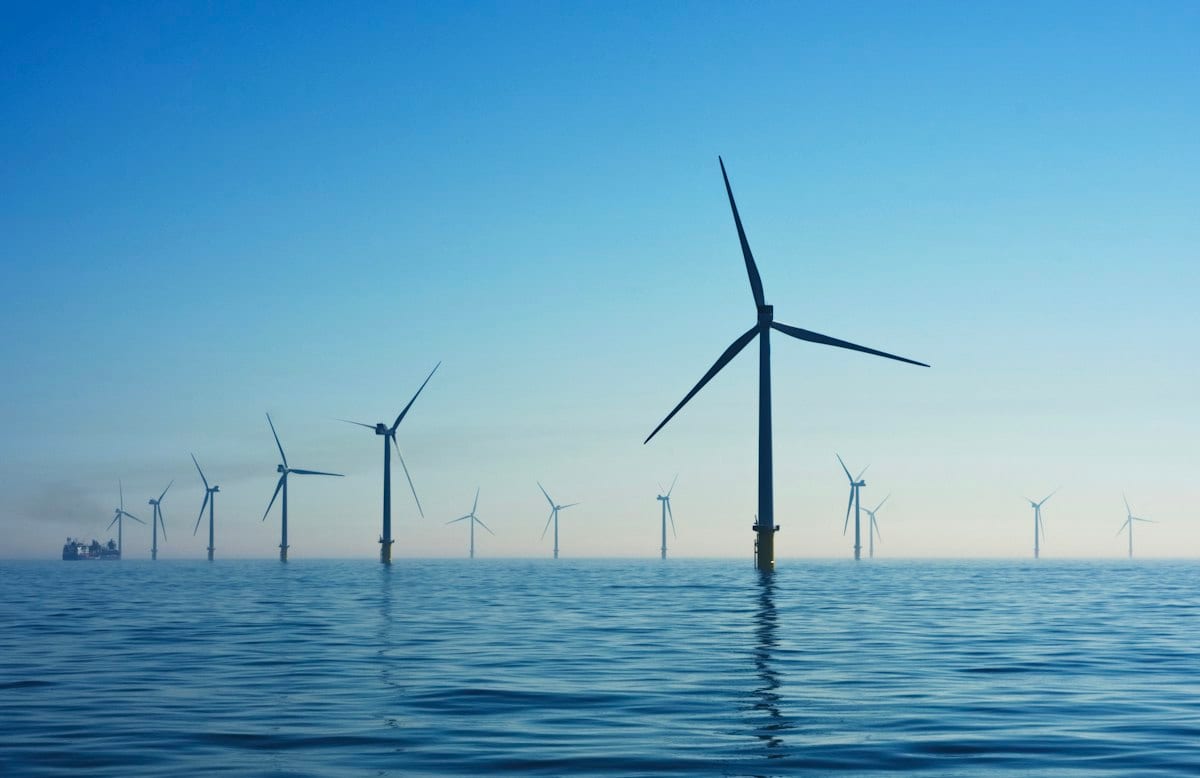
RE100 renewable electricity commitments
Through RE100, companies voluntarily commit to using entirely renewable electricity in their operations by 2050 at the latest. The initiative brings businesses from manufacturing, retail and technology around a shared goal, making their future electricity needs visible to suppliers and policymakers. Its 2024 disclosure report, published in 2025, recorded reported renewable electricity use of 53%, compared with 50% in the previous report. The approach offers a precedent for CDR through public commitments, deadlines and regular reporting. Progress depends on companies translating those goals into purchasing decisions and overcoming supply constraints; announcing a target alone does not secure renewable electricity or removals.

Microsoft’s carbon-negative commitment
In 2020, Microsoft committed to becoming carbon negative by 2030 and removing its historical direct and electricity-related emissions since 1975 by 2050. One subsequent step was its April 2025 agreement with AtmosClear for 6.75 million tonnes of removals over fifteen years, supplied by a planned Louisiana bioenergy facility with carbon capture and storage. Microsoft explicitly linked the purchase to its 2030 goal. The case connects a voluntary organisational commitment to a substantial purchasing agreement. The contracted volume represents future supply; achievement of the target still depends on verified delivery and the company’s emissions trajectory.

Swiss Re’s operational removal goal
Swiss Re’s CO₂NetZero programme aims to balance its remaining covered operational emissions entirely with removals by 2030. It increases the minimum removal share annually and charges business units an internal carbon levy to encourage reductions and help fund purchases. For 2025, the company reported that removals represented 52% of its retired credits, exceeding its 50% milestone. This connects a voluntary goal to interim requirements, a funding mechanism and reported delivery. The programme covers specified operational emissions, including business travel, rather than emissions associated with Swiss Re’s entire insurance and investment portfolio.
More Voluntary and normative drivers

Awareness campaigns and public engagement
Public education activities giving people information about carbon removal and its trade-offs.
Cost
Very low to Medium
Complexity
Very low to Medium
Timeline
Very short to Medium
Integrity, transparency & MRV
1–2Innovation & cost reduction
N/ASocial & environmental safeguards
2–3Energy, transport & storage infrastructure
N/AInputs & capacity
N/ADemand formation
1–2Bankability and cost of capital
N/APolicy architecture & coordination
1–2
Voluntary industry codes and participation requirements
An industry-run code of conduct that participating firms agree to follow.
Cost
Very low to Low
Complexity
Low to Medium
Timeline
Very short to Medium
Integrity, transparency & MRV
1–3Innovation & cost reduction
N/ASocial & environmental safeguards
1–3Energy, transport & storage infrastructure
N/AInputs & capacity
N/ADemand formation
1–2Bankability and cost of capital
N/APolicy architecture & coordination
1–3
Internal carbon fees and shadow pricing
An internal price on emissions that shapes an organisation's own investment decisions.
Cost
Very low to High
Complexity
Very low to Medium
Timeline
Very short to Short
Integrity, transparency & MRV
1–2Innovation & cost reduction
1–2Social & environmental safeguards
1–2Energy, transport & storage infrastructure
N/AInputs & capacity
N/ADemand formation
1–4Bankability and cost of capital
1–3Policy architecture & coordination
1–2©2026 Alexander Mäkelä and Carbon Gap.
Except where otherwise indicated, this work is licensed under the Creative Commons Attribution–NonCommercial–ShareAlike 4.0 International Licence.
Headline and barrier scores based on Carbon Gap analysis.