 Market creation and price signals
SOVEREIGN WEALTH AND PENSION MANDATES
Lever last updated: 8 September 2026
Requiring public investment funds to hold removal-linked assets.
Cost
Very low to Low
The allocated capital remains part of the fund’s investment portfolio. Direct costs cover mandate changes, specialist staff or external managers, additional due diligence and reporting.
Complexity
Medium
Implementors must define eligible CDR assets, reconcile the allocation with fiduciary duties, establish due-diligence and reporting rules, and coordinate decisions between government and fund boards. Statutory variants also require legislation.
Timeline
Short to Medium
Board-led changes can take effect within an annual allocation cycle. Statutory amendment, specialist manager selection and a limited pipeline of eligible projects can delay the first material investment.
Integrity, transparency & MRV
Innovation & cost reduction
Social & environmental safeguards
Energy, transport & storage infrastructure
Inputs & capacity
Demand formation
Bankability and cost of capital
Policy architecture & coordination
Overview
Sovereign wealth funds and pension funds manage large pools of long-term capital. This lever changes their governing laws, investment policies or allocation targets so part of those portfolios finances CDR companies, projects and infrastructure. Governments can amend legal mandates, while fund boards can set allocations within existing rules. The capital remains invested and is expected to earn a return. It is not a grant or public procurement programme. It creates no new money and levies no one; it redirects capital the state already governs toward the asset class the state’s climate law already presumes.
Key Considerations
Pension trustees have a fiduciary duty, meaning they must act in beneficiaries’ interests and protect retirement assets. Sovereign-fund managers must also meet legal return objectives. A CDR allocation therefore needs a credible risk-and-return case, not only climate value. Governments can set the objective, but fund boards should choose individual investments. Initial allocations may need diversified funds because individual projects carry technology, construction, buyer and delivery risks. Rules must define eligible companies, project equity, loans and infrastructure, and disclose other subsidies or guarantees. Governance separation matters; the fund invests, the government mandates, and blurring the line invites both bad investments and raided funds.
Opportunities
Public funds can provide long-term equity and loans at a scale few early investors can match. A large initial commitment can help a specialist CDR fund attract other investors and begin deploying capital. Long investment horizons also suit transport and storage infrastructure that earns returns over decades. Repeated allocations can build the financial record that banks and other institutional investors need before entering.
Risks
A political target can push funds into weak investments, reduce returns and expose trustees to legal challenge. A narrow technology quota can concentrate risk when few suitable projects exist. Governments may also announce headline allocations that relabel existing holdings or remain uninvested because there are too few suitable projects. Direct ministerial involvement in individual deals can politicise fund management. Illiquidity can trap capital if the market develops slower than mandated. Beneficiary litigation is a live risk where returns lag benchmarks.
Monitoring and Evaluation
Monitoring can compare capital allocated and invested, returns against the fund’s normal benchmark, additional private investment, losses and the share reaching new CDR capacity. Reviews should also identify uninvested commitments, concentration by method or company, and whether projects could have secured similar finance without the mandate.
Stakeholder Engagement
Finance ministries and pension regulators can define the legal mandate. Fund boards and investment teams can test whether it fits their duties to beneficiaries. Beneficiary representatives can scrutinise risk and reporting, while CDR developers, infrastructure operators and asset managers can help create suitable funds, loans and project pipelines.
Governance Levels
National governments can amend the mandates of sovereign wealth funds and national pension systems. Regional/State and City/municipal authorities qualify where they govern public pension funds and can set their investment policies. Corporate/Industry applies to occupational and sector-wide pension funds whose boards can adopt CDR allocation targets within their duties to beneficiaries. Each level can act only through funds under its own control.
Implementation Strategies
Governments can define the CDR objective in law or investment policy while leaving individual investments to fund boards.
Funds can begin with small allocations through diversified funds, expanding only as suitable projects and performance evidence grow.
Eligibility rules should distinguish companies, project equity, loans and shared infrastructure, with clear reporting of certification and other public support received.
Several funds can use common definitions and reporting without making identical investments or weakening their separate duties to beneficiaries.
Case Studies

Ireland Strategic Investment Fund
Ireland created the fund in 2014 from its National Pensions Reserve Fund. Its statutory mandate combines commercial returns with support for economic activity and employment. By end-2025, it had committed €9.7 billion and attracted €13.7 billion from other investors and held €1.2 billion in climate-related investments. This shows that legislation can give a sovereign fund a public-policy objective without abandoning commercial discipline. Its climate investments are not dedicated to CDR.

Temasek and GenZero
Temasek, an investment company owned by Singapore’s finance minister, created GenZero in 2022 to provide long-term capital for decarbonisation. In November 2023, GenZero co-led a US$18.3 million investment in Carbo Culture, which converts waste biomass into stable carbon. This shows direct CDR investment and how a publicly owned investor can establish a specialist CDR investment platform. It does not demonstrate a statutory allocation target or pension mandate.

CalPERS Climate Action Plan
The California Public Employees’ Retirement System, which manages pensions for public workers, launched its Climate Action Plan in November 2023. It targets at least $100 billion in climate solutions by 2030. Investments reached nearly $60 billion by June 2025 while the fund continued to seek strong returns for members. This shows that a Regional/State pension board can set a quantified target and deploy capital through existing investment governance. The portfolio covers broad climate investments and does not have a dedicated CDR allocation.

New York City Employees’ Retirement System
One of New York City’s public pension funds set climate-solution targets of $4 billion by 2025 and $17 billion by 2035. It surpassed the interim target in June 2024 and reached $5.4 billion by June 2025, including money already invested and commitments not yet drawn down. This shows that a City/municipal pension board can set targets across asset classes and report progress publicly. The portfolio covers broad climate investments and does not have a dedicated CDR allocation.
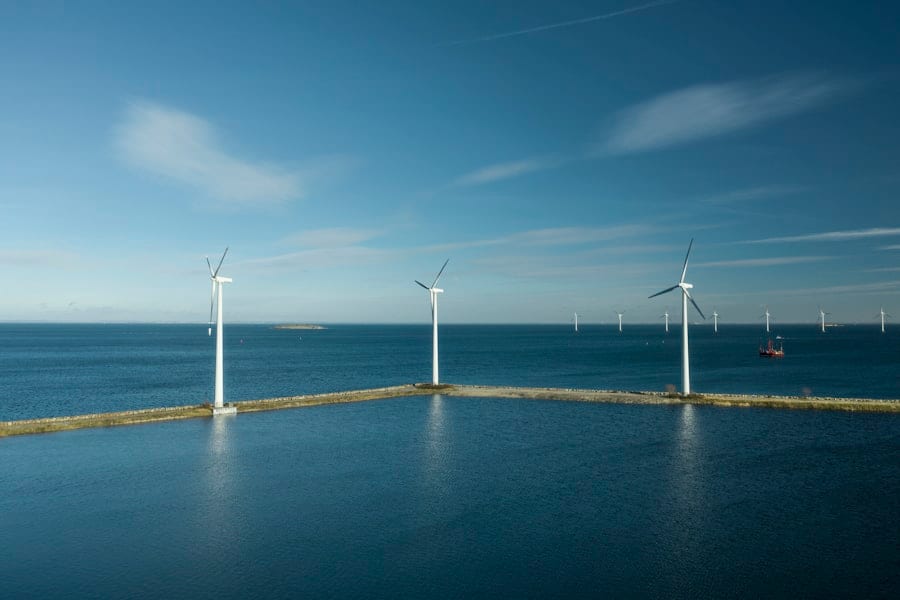
Danish pension industry green-investment commitment
In 2019, Denmark’s pension industry promised to invest an additional DKK 350 billion in the green transition by 2030, on top of DKK 126 billion already invested. In 2024, the sector reported DKK 343 billion in total green investments, including DKK 100 billion added during the previous year. This shows that occupational pension funds can coordinate a voluntary target and deploy substantial capital while seeking returns for members. The target covers renewable energy and efficient buildings, not CDR. A CDR version would need a separate category and clear reporting against the 2019 baseline.
More Market creation and price signals

Emissions trading system
A mechanism capping emissions and allowing trading of allowances.
Cost
Low
Complexity
High
Timeline
Medium to Long
Integrity, transparency & MRV
2–4Innovation & cost reduction
2–4Social & environmental safeguards
1–3Energy, transport & storage infrastructure
N/AInputs & capacity
N/ADemand formation
2–5Bankability and cost of capital
2–4Policy architecture & coordination
2–4
Removal compliance system
An annual purchase obligation requiring covered companies to buy verified permanent removals.
Cost
Low to Medium
Complexity
Medium to High
Timeline
Medium to Long
Integrity, transparency & MRV
3–4Innovation & cost reduction
2–4Social & environmental safeguards
1–3Energy, transport & storage infrastructure
N/AInputs & capacity
N/ADemand formation
3–5Bankability and cost of capital
2–4Policy architecture & coordination
3–4
Carbon tax
A direct tax on carbon emissions to incentivise reductions.
Cost
Very low to Low
Complexity
Low to High
Timeline
Very short to Long
Integrity, transparency & MRV
1–2Innovation & cost reduction
2–4Social & environmental safeguards
N/AEnergy, transport & storage infrastructure
N/AInputs & capacity
N/ADemand formation
2–4Bankability and cost of capital
2–3Policy architecture & coordination
2–3©2026 Alexander Mäkelä and Carbon Gap.
Except where otherwise indicated, this work is licensed under the Creative Commons Attribution–NonCommercial–ShareAlike 4.0 International Licence.
Headline and barrier scores based on Carbon Gap analysis.