 Market creation and price signals
LEGAL ENABLEMENT FOR CROSS-BORDER CO₂ TRANSPORT AND STORAGE
Lever last updated: 8 September 2026
Legal enablement for transboundary CO₂ storage and transport.
Cost
Very low
The principal costs are treaty acceptance, legal drafting, diplomatic negotiation and notification through existing institutions.
Complexity
High
Implementation combines international treaty procedures, domestic legal alignment and bilateral allocation of permitting, reporting and liability responsibilities.
Timeline
Short to Medium
A provisional-application declaration can be deposited relatively quickly, while completing the bilateral and domestic legal pathway generally takes longer. The first Belgium-Denmark arrangement was concluded three years after the 2019 resolution.
Integrity, transparency & MRV
Innovation & cost reduction
Social & environmental safeguards
Energy, transport & storage infrastructure
Inputs & capacity
Demand formation
Bankability and cost of capital
Policy architecture & coordination
Overview
This lever creates the legal pathway for CO₂ captured in one country to be transported and permanently stored in another. For offshore storage, the London Protocol provides the established international framework, so governments can use its existing 2009 amendment, provisional-application mechanism and bilateral arrangements rather than constructing a new regime. Countries complete the pathway by allocating permitting and reporting responsibilities and aligning their domestic rules. This gives countries without suitable storage access to capacity abroad and enables cross-border transport and storage networks for both captured emissions and carbon removals.
Key Considerations
Governments must decide whether to accept the 2009 amendment formally or use provisional application while entry into force remains pending. They must then conclude bilateral arrangements specifying permitting, reporting, liability and enforcement responsibilities, following the Protocol’s guidelines. Domestic transport and storage rules must also be compatible. This legal work should begin ahead of project contracting because a commercial agreement cannot produce cross-border shipments without the required state arrangements.
Opportunities
Legal enablement turns national storage resources into cross-border services and gives storage-poor countries access to capacity abroad. This is particularly important for BECCS and DACCS projects that may be located far from suitable geological storage. Each declaration and bilateral arrangement expands the network and provides a reusable foundation for subsequent projects.
Risks
Until the amendment enters into force, cross-border projects depend on a patchwork of provisional-application declarations and bilateral arrangements. Missing declarations, incompatible national rules or unclear allocation of permitting and reporting responsibilities can delay projects. Legal enablement also provides permission to use foreign storage but does not guarantee that transport infrastructure, storage capacity or commercial contracts will be available.
Monitoring and Evaluation
By tracking amendment acceptances, provisional-application declarations, bilateral arrangements, domestic implementation measures, permits and actual cross-border shipments, policymakers can identify where the legal pathway remains incomplete. Reviewing early projects can reveal gaps in permitting, reporting and liability allocation that should be addressed in subsequent arrangements.
Stakeholder Engagement
Foreign and environment ministries need to work with national permitting authorities, transport regulators and the IMO secretariat. Consultation with storage operators, CO₂ transport providers and capture projects can ensure that bilateral arrangements address practical implementation requirements, while engagement with environmental organisations can protect the Protocol’s marine safeguards.
Governance Levels
The international framework is established by the Contracting Parties to the London Protocol through the IMO. National governments pull the lever by accepting or provisionally applying the amendment, concluding bilateral arrangements and aligning domestic law. The EU can coordinate Member States and harmonise storage rules through the CCS Directive, but it cannot perform these national treaty acts on their behalf. Supranational coordination is therefore relevant but does not constitute a separate implementing level.
Implementation Strategies
By using the London Protocol’s existing framework rather than developing a parallel international regime, governments can build on established environmental safeguards and procedures.
Accepting the amendment and depositing a provisional-application declaration through the same domestic process can combine long-term legal durability with near-term action.
Developing a reusable model bilateral arrangement, aligning domestic rules and publishing the completed arrangements can reduce transaction time for subsequent projects.
Case Studies
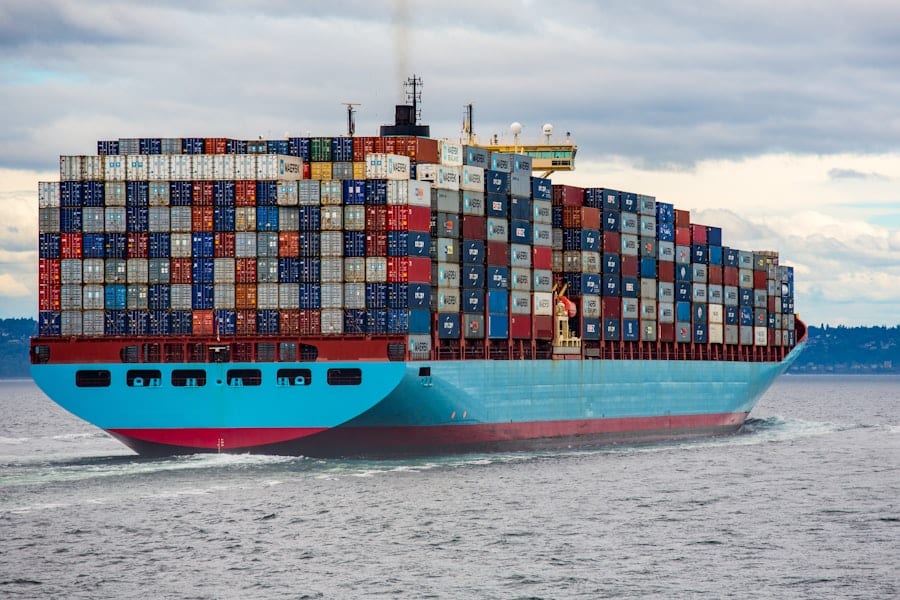
The 2009 Amendment and its Provisional Application
The Contracting Parties to the London Protocol amended Article 6 in 2009 to permit exports of CO₂ for sub-seabed geological storage where the countries concerned have concluded an agreement or arrangement. Because the amendment has not secured the acceptance of two-thirds of Contracting Parties required to enter into force, the Parties adopted a provisional-application resolution in 2019. Thirteen states have now accepted the amendment and nine have deposited declarations of provisional application. This mechanism allows participating countries to establish lawful cross-border storage pathways without waiting for universal entry into force, although countries that have not provisionally applied the amendment remain outside that pathway.
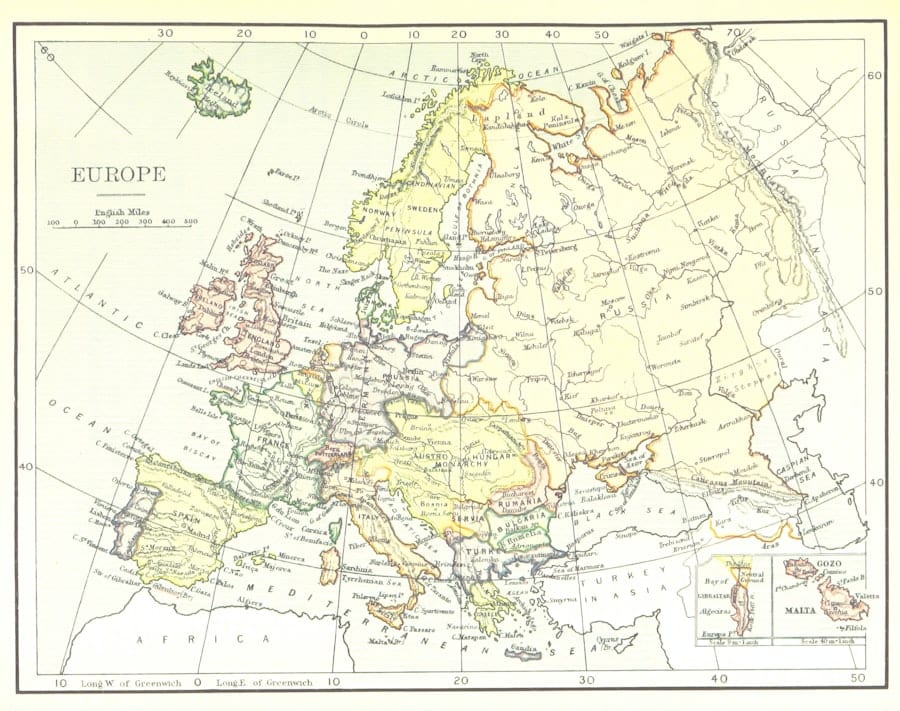
Europe’s Expanding Bilateral Network
In April 2024, Denmark, Belgium, the Netherlands and Sweden each concluded arrangements with Norway for cross-border CO₂ transport and storage, while Sweden and Denmark concluded a corresponding arrangement with each other. The network subsequently expanded beyond those five countries. Norway concluded a combined CCS and CDR agreement with Switzerland and a London Protocol-compliant administrative arrangement with France in June 2025. Finland then signed arrangements with Norway and Denmark in September 2025. The Finland–Norway MoU expressly identifies itself as an arrangement under Article 6(2) of the London Protocol, while the Finland–Denmark MoU enables Finnish CO₂ to be transported for storage in Denmark. In March 2026, Norway and Belgium further deepened the network through an agreement supporting a prospective cross-border CO₂ pipeline. The case demonstrates how a common legal template can be replicated and progressively deepened, although actual transport still depends on permits, infrastructure and commercial storage contracts.
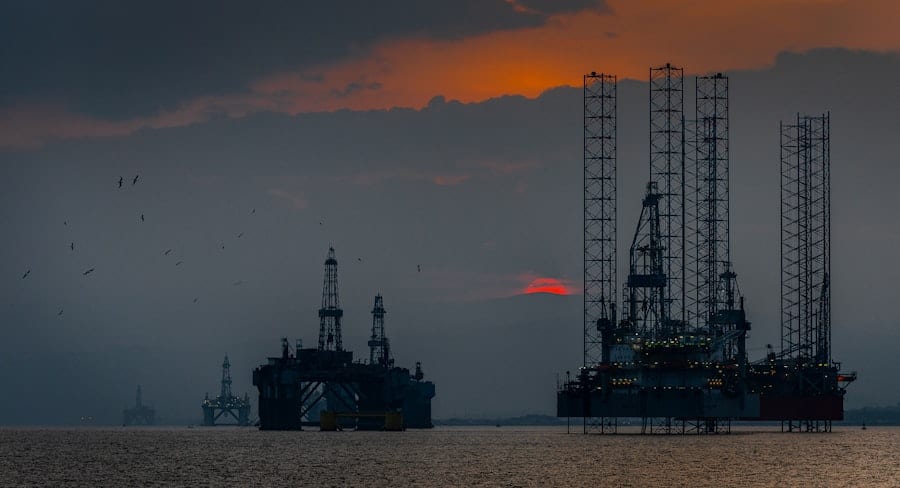
Project Greensand
In March 2023, Project Greensand transported industrial CO₂ captured in Antwerp to Denmark’s Nini West field and completed the world’s first cross-border offshore CO₂ storage demonstration. The pilot’s final results were subsequently independently verified by DNV in 2024, confirming that the injected CO₂ behaved as expected in the reservoir. In December 2024, INEOS, Harbour Energy and Nordsøfonden took a final investment decision on the commercial Greensand Future phase, involving more than $150 million of expected investment. The project subsequently received Denmark’s first full-scale storage permit and began constructing a dedicated CO₂ terminal at Esbjerg and an offshore carrier. By April 2026, these facilities were approaching completion, with commercial operations targeted for mid-2026, although the first commercial injection has not yet been publicly confirmed. The initial phase aims to store up to 400,000 tonnes annually from Danish biomethane plants, with potential expansion to 4–8 million tonnes annually. Greensand has also agreed to investigate storing up to 210,000 tonnes annually from Sweden from 2028. Unlike the original industrial pilot, the commercial phase will initially store biogenic CO₂ and can therefore directly support durable removals where the necessary accounting and certification conditions are met.
More Market creation and price signals

Emissions trading system
A mechanism capping emissions and allowing trading of allowances.
Cost
Low
Complexity
High
Timeline
Medium to Long
Integrity, transparency & MRV
2–4Innovation & cost reduction
2–4Social & environmental safeguards
1–3Energy, transport & storage infrastructure
N/AInputs & capacity
N/ADemand formation
2–5Bankability and cost of capital
2–4Policy architecture & coordination
2–4
Removal compliance system
An annual purchase obligation requiring covered companies to buy verified permanent removals.
Cost
Low to Medium
Complexity
Medium to High
Timeline
Medium to Long
Integrity, transparency & MRV
3–4Innovation & cost reduction
2–4Social & environmental safeguards
1–3Energy, transport & storage infrastructure
N/AInputs & capacity
N/ADemand formation
3–5Bankability and cost of capital
2–4Policy architecture & coordination
3–4
Carbon tax
A direct tax on carbon emissions to incentivise reductions.
Cost
Very low to Low
Complexity
Low to High
Timeline
Very short to Long
Integrity, transparency & MRV
1–2Innovation & cost reduction
2–4Social & environmental safeguards
N/AEnergy, transport & storage infrastructure
N/AInputs & capacity
N/ADemand formation
2–4Bankability and cost of capital
2–3Policy architecture & coordination
2–3©2026 Alexander Mäkelä and Carbon Gap.
Except where otherwise indicated, this work is licensed under the Creative Commons Attribution–NonCommercial–ShareAlike 4.0 International Licence.
Headline and barrier scores based on Carbon Gap analysis.