 Market creation and price signals
INCLUSION IN GREEN TAXONOMY
Lever last updated: 10 September 2026
Classifying removals as sustainable investment under green taxonomies.
Cost
Low
Inclusion requires expert work, consultation, rule-making and periodic review. For example, Australia allocated A$1.6 million for initial taxonomy development and another A$0.5 million for its agricultural expansion.
Complexity
Medium
Authorities must develop method-specific screening criteria for lifecycle emissions, durability, additionality, safeguards and verification, then incorporate them into financial disclosure and product rules through consultation and formal adoption.
Timeline
Medium
Inclusion requires technical design, consultation, adoption and market implementation before alignment affects finance. For example, Australia began formal development in July 2023 and reported initial financial-institution pilots in October 2025.
Integrity, transparency & MRV
Innovation & cost reduction
Social & environmental safeguards
Energy, transport & storage infrastructure
Inputs & capacity
Demand formation
Bankability and cost of capital
Policy architecture & coordination
Overview
Inclusion in a green taxonomy classifies specified carbon-removal activities as environmentally sustainable when they meet technical screening criteria. This gives banks, funds, bond issuers and companies a common definition for green capital allocation and disclosure. It identifies what may be financed as green; it does not purchase removals, guarantee a loan or certify the removal itself.
Key Considerations
Criteria need to identify the economic activity being classified and the boundaries between capture, transport, storage, biomass supply and final use. They should address net removal, lifecycle emissions, durability, reversal risks, additionality, environmental harm and minimum safeguards. The EU’s Carbon Removals and Carbon Farming framework, for example, could provide measurement rules, but certification under that framework should not automatically confer taxonomy alignment. Separate criteria may be needed for removal activities and enabling infrastructure.
Opportunities
Recognition can make qualifying removal activities eligible for taxonomy-aligned funds, green bonds, loans and capital-expenditure reporting, improving their visibility and potentially their access to finance. Common criteria can reduce duplicated due diligence, improve cross-border comparability and raise quality by making lifecycle accounting and safeguards conditions of green classification. Early movers can also shape definitions that other markets subsequently adopt.
Risks
Loose criteria could greenwash low-integrity removals, while rigid or technology-specific criteria could exclude credible emerging methods. Divergent taxonomies may fragment the market. Inclusion can also be mistaken for evidence that a project is certified, additional or bankable. Conversely, omission from a taxonomy does not prove that an activity is environmentally harmful; it may simply mean that criteria have not yet been developed.
Monitoring and Evaluation
A useful test is whether formal eligibility fosters financial usage. Taxonomy-aligned capital expenditure, labelled-bond proceeds, lending volumes and financing terms can be compared before and after inclusion, with results separated by removal method. Applications, assurance findings and investor feedback can show whether criteria are clear, credible and usable and where revisions are needed.
Stakeholder Engagement
Financial regulators, taxonomy authorities and assurance providers bring implementation expertise. Removal scientists and certification bodies can test carbon-accounting requirements, while developers and financiers can test whether the criteria work in actual transactions. Environmental organisations and affected communities can scrutinise safeguards. Dialogue between taxonomy authorities can improve interoperability without erasing legitimate jurisdictional differences.
Governance Levels
The lever is strongest at supranational and national level, where taxonomy criteria can be connected to binding disclosure and financial-product rules. International coordination can support interoperability, while City/municipal and Corporate/Industry actors can operate narrower local or voluntary systems. These variants can influence finance but lack the regulatory reach of national or supranational taxonomies.
Implementation Strategies
Taxonomy criteria can draw on established measurement and certification standards while retaining separate tests for environmental contribution and safeguards. For example, a recognised carbon-removal methodology can inform quantification and permanence thresholds without automatically determining taxonomy alignment.
Inclusion can be phased according to methodological maturity, beginning with activities supported by robust evidence and adding others through scheduled reviews as science and commercial practice develop.
Criteria should distinguish the removal activity from enabling transport and storage so that each part of the value chain is assessed against the appropriate requirements.
Common data fields, application guidance and training can align taxonomy reporting with certification and assurance, reduce duplication and support consistent interpretation by regulators, auditors and financial institutions.
Case Studies

Biochar in the Australian Sustainable Finance Taxonomy
Released in June 2025, the Australian Sustainable Finance Taxonomy recognises biochar application as a decarbonisation measure within its Agriculture and Land criteria, subject to requirements governing feedstocks and use. This is a direct example of a carbon-removal practice entering a sustainable-finance classification. Inclusion does not automatically make every biochar producer or credit taxonomy-aligned: the underlying activity must satisfy the applicable technical criteria, environmental safeguards and minimum social safeguards. The taxonomy remains voluntary, so it creates a recognised route into green and transition finance rather than a financing entitlement.
Partial CDR Coverage in the EU Taxonomy
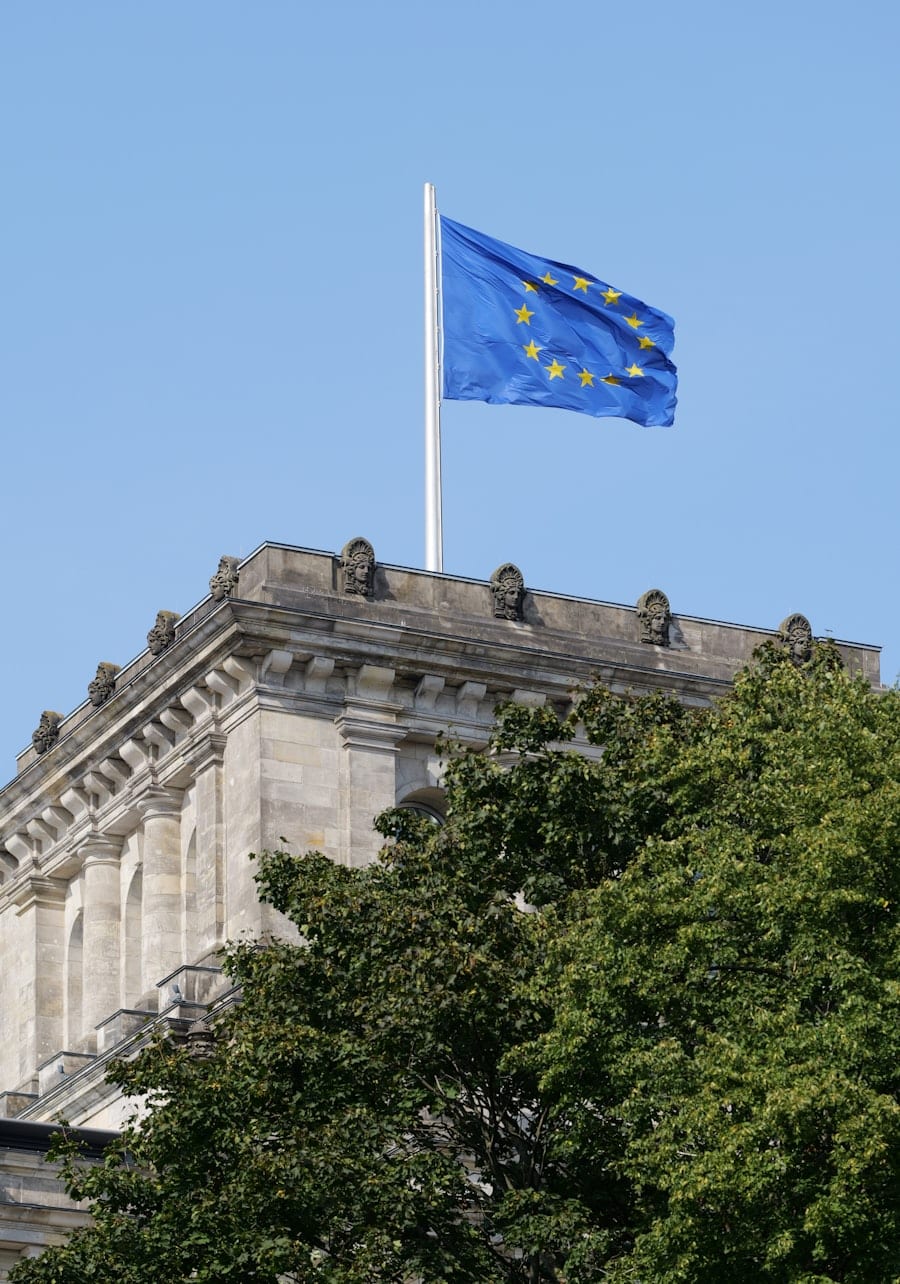
The EU Climate Delegated Act classifies research and innovation for direct air capture as an enabling activity and separately covers CO₂ transport and permanent geological storage. It does not classify commercial direct air capture with storage, biogenic carbon capture with storage or biochar removal as standalone sustainable activities. The EU’s 2026 certification methodologies now cover all three pathways, but certification does not confer taxonomy alignment. The case demonstrates the remaining need to connect removal certification with sustainable-finance criteria.

China’s Green Bond Endorsed Projects Catalogue
China’s central bank, national development commission and securities regulator jointly issued the 2021 Green Bond Endorsed Projects Catalogue, which includes the construction and operation of carbon capture, utilisation and storage projects. This makes those activities eligible for financing through nationally recognised green bonds. However, the catalogue covers conventional emissions capture and does not distinguish atmospheric or biogenic carbon removal. It therefore provides an adjacent precedent: taxonomies can open financing channels for capture and storage infrastructure, but CDR must be separately identified if the classification is intended to support net-negative outcomes.
More Market creation and price signals

Emissions trading system
A mechanism capping emissions and allowing trading of allowances.
Cost
Low
Complexity
High
Timeline
Medium to Long
Integrity, transparency & MRV
2–4Innovation & cost reduction
2–4Social & environmental safeguards
1–3Energy, transport & storage infrastructure
N/AInputs & capacity
N/ADemand formation
2–5Bankability and cost of capital
2–4Policy architecture & coordination
2–4
Removal compliance system
An annual purchase obligation requiring covered companies to buy verified permanent removals.
Cost
Low to Medium
Complexity
Medium to High
Timeline
Medium to Long
Integrity, transparency & MRV
3–4Innovation & cost reduction
2–4Social & environmental safeguards
1–3Energy, transport & storage infrastructure
N/AInputs & capacity
N/ADemand formation
3–5Bankability and cost of capital
2–4Policy architecture & coordination
3–4
Carbon tax
A direct tax on carbon emissions to incentivise reductions.
Cost
Very low to Low
Complexity
Low to High
Timeline
Very short to Long
Integrity, transparency & MRV
1–2Innovation & cost reduction
2–4Social & environmental safeguards
N/AEnergy, transport & storage infrastructure
N/AInputs & capacity
N/ADemand formation
2–4Bankability and cost of capital
2–3Policy architecture & coordination
2–3©2026 Alexander Mäkelä and Carbon Gap.
Except where otherwise indicated, this work is licensed under the Creative Commons Attribution–NonCommercial–ShareAlike 4.0 International Licence.
Headline and barrier scores based on Carbon Gap analysis.