 Market creation and price signals
DEPOSIT-REFUND SCHEME FOR CO₂
Lever last updated: 8 September 2026
Refundable deposits tied to verified carbon removal and storage.
Cost
Low to Medium
Public costs include administering the fund, connecting registries, assessing refund claims and enforcing compliance. Existing tax and carbon-market infrastructure can support a smaller scheme, while an economy-wide system may require a dedicated administrator.
Complexity
High
Legislation must establish liability, fund governance, CCS and removal eligibility, durability, reversals and enforcement. For example, the United Kingdom packaging scheme assigns financial-flow management to a dedicated operator and compliance to several regulators.
Timeline
Medium to Long
Existing tax and registry systems could produce a price effect within five years. For example, the United Kingdom’s packaging scheme ran from formal consultation in 2019 to a planned October 2027 launch.
Integrity, transparency & MRV
Innovation & cost reduction
Social & environmental safeguards
Energy, transport & storage infrastructure
Inputs & capacity
Demand formation
Bankability and cost of capital
Policy architecture & coordination
Overview
A deposit-refund scheme places a charge on CO₂ when fossil carbon is produced, imported, sold or emitted and returns that money when a specified climate outcome is verified. It can be designed to reward emissions reductions, including the capture and permanent storage of fossil CO₂, or atmospheric CO₂ removal. For our purposes, the focus is the CDR variant: liable companies place money into protected accounts and recover it only after providing certified proof that an equivalent quantity of CO₂ has been removed from the atmosphere and durably stored. Unlike a carbon tax, the payment is recoverable; unlike a carbon take-back obligation, the future storage or removal liability is prefunded in cash.
Key Considerations
Governments must decide where the deposit enters the supply chain, which emissions reductions and removals qualify for refunds, and whether their rates and deadlines should differ. The framework needs rules for storage durability, reversals, monitoring, deposit ownership, investment risk, insolvency and unredeemed balances. Treatment of non-emitting fossil-carbon uses, imports and exports should prevent gaps or duplicate liability. Links with carbon pricing, certification and registries must ensure that one stored or removed tonne cannot trigger several refunds or claims.
Opportunities
A deposit-refund scheme can finance both emissions reductions and removals while placing responsibility on present emitters rather than future taxpayers. Refund eligibility for permanent storage can support capture projects and increase demand for shared CO₂ transport and storage networks. In its CDR form, protected deposits reduce payment risk for removal suppliers and preserve funding across political cycles. A rising deposit increases the cost of continued emissions, while early redemption rewards companies that deliver storage or removal sooner.
Risks
An underpriced deposit may not cover the promised storage or removal, while an excessive charge can raise prices, encourage relocation or shift fossil-carbon sales to uncovered jurisdictions. If fossil CCS and atmospheric removal compete for the same refund, cheaper capture projects may crowd out CDR. Poor investment performance or political diversion can erode protected funds. Weak rules may reward temporary or double-counted outcomes, while long redemption periods can finance eventual cleanup without preventing near-term warming.
Monitoring and Evaluation
Monitoring can compare deposits, outstanding liabilities and fund assets with forecast storage and removal costs. The division of refunds between fossil CCS and atmospheric removal can reveal whether one outcome is crowding out the other. Time from emission to refund can show whether action is being deferred, while registry reconciliation, reversal data and cross-border flows can identify duplicate claims, funding gaps or leakage requiring adjustment.
Stakeholder Engagement
Finance, environment and tax authorities can align liability, fund governance and carbon-pricing rules. Fossil-carbon suppliers, industrial emitters and importers can identify workable collection points. Capture projects, transport and storage operators, removal developers, certification schemes, registries and national inventory teams can test eligibility and accounting rules. Financial regulators, asset managers and auditors can strengthen custody controls, while civil society and consumer groups can scrutinise integrity, distributional effects and protection against fund diversion.
Governance Levels
Supranational authorities can harmonise liability, eligibility and cross-border refunds; the EU packaging regulation demonstrates their power to mandate common deposit-return architecture. National governments can impose the liability, establish the fund and appoint regulators. Regional/State governments with fiscal and environmental authority can operate independent variants, as California does for beverage deposits. Corporate/Industry bodies can administer financial flows and data under statutory supervision, as the United Kingdom’s appointed deposit-management organisation will do for packaging.
Implementation Strategies
Authorities can start with upstream fossil-carbon suppliers or emissions-intensive sectors, where coverage and collection are manageable.
Separate refund rates, quotas or compliance windows can prevent cheaper fossil CCS from displacing atmospheric removal; deadlines can limit delay.
Deposits should sit in a bankruptcy-remote fund with statutory rules for investment, ownership and unredeemed balances.
Registry links should connect carbon pricing with storage and removal certification, prevent double redemption and govern cross-border refunds.
Case Studies
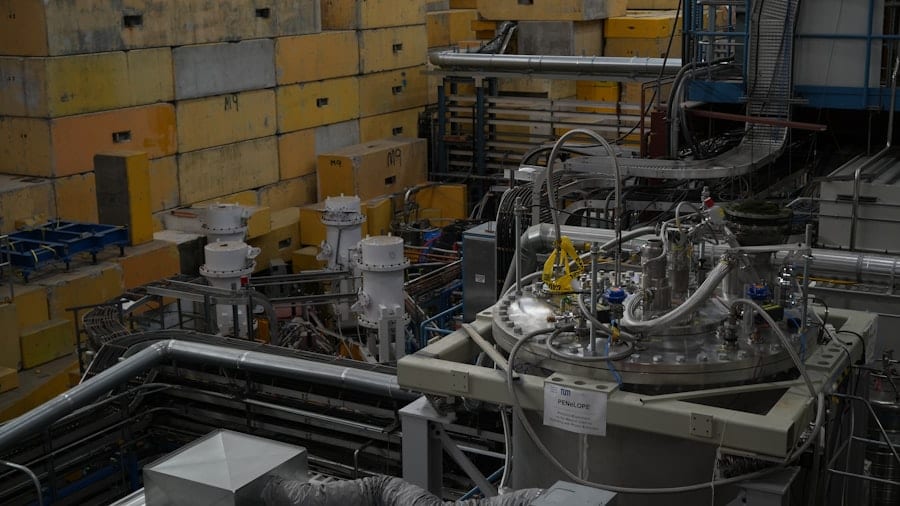
Atmospheric CO₂ Removal Deposits (proposal)
In 2024, Anders Lyngfelt, Mathias Fridahl and Stuart Haszeldine proposed a CDR-focused deposit liability for fossil CO₂ emissions. Emitters would place money into deposits whose value, including investment returns, could be redeemed only after certified atmospheric removal. This is the removal-only variant of the broader lever, designed on the basis that carbon pricing already incentivises emissions reductions and fossil CCS. In 2026, two authors applied the underlying liability principle to food emissions, but through a non-refundable fee. Both sources describe proposals, so they establish design relevance rather than operational feasibility or delivered removals.
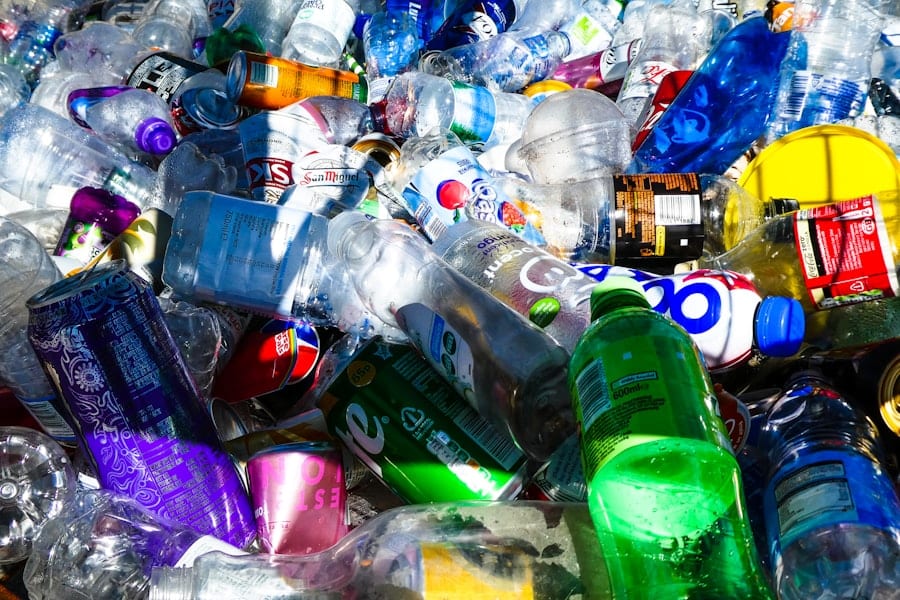
EU packaging deposit-return framework
Regulation (EU) 2025/40 applied from 12 August 2026 and requires Member States to establish deposit-return systems for specified plastic bottles and metal beverage containers, subject to a limited exemption for countries already achieving high collection rates. Systems established under the regulation must meet common minimum requirements by January 2029. The case shows how a supranational authority can mandate common architecture while national governments establish and oversee the schemes. It concerns packaging rather than CO₂, however, and does not test storage or removal certification, long-term fund management or reversal liability.

Norway’s regulated industry deposit system
Norway’s Waste Regulations allow producers and importers to establish or join approved return systems, require retailers to repay deposits and place reporting, reserve and oversight obligations on system operators. Infinitum administers the main industry system and reported 2025 collection rates of 98.2% for plastic bottles and 97.9% for cans. The case demonstrates how statutory duties and an industry operator can combine to manage nationwide deposits, refunds and data. It remains a packaging analogue and provides no evidence that the same performance would follow for CO₂ storage or atmospheric removal.
More Market creation and price signals

Emissions trading system
A mechanism capping emissions and allowing trading of allowances.
Cost
Low
Complexity
High
Timeline
Medium to Long
Integrity, transparency & MRV
2–4Innovation & cost reduction
2–4Social & environmental safeguards
1–3Energy, transport & storage infrastructure
N/AInputs & capacity
N/ADemand formation
2–5Bankability and cost of capital
2–4Policy architecture & coordination
2–4
Removal compliance system
An annual purchase obligation requiring covered companies to buy verified permanent removals.
Cost
Low to Medium
Complexity
Medium to High
Timeline
Medium to Long
Integrity, transparency & MRV
3–4Innovation & cost reduction
2–4Social & environmental safeguards
1–3Energy, transport & storage infrastructure
N/AInputs & capacity
N/ADemand formation
3–5Bankability and cost of capital
2–4Policy architecture & coordination
3–4
Carbon tax
A direct tax on carbon emissions to incentivise reductions.
Cost
Very low to Low
Complexity
Low to High
Timeline
Very short to Long
Integrity, transparency & MRV
1–2Innovation & cost reduction
2–4Social & environmental safeguards
N/AEnergy, transport & storage infrastructure
N/AInputs & capacity
N/ADemand formation
2–4Bankability and cost of capital
2–3Policy architecture & coordination
2–3©2026 Alexander Mäkelä and Carbon Gap.
Except where otherwise indicated, this work is licensed under the Creative Commons Attribution–NonCommercial–ShareAlike 4.0 International Licence.
Headline and barrier scores based on Carbon Gap analysis.