 Market creation and price signals
DEDICATED FOSSIL-FUEL EXTRACTION LEVY FOR CDR
Lever last updated: 14 September 2026
A charge on fossil-fuel extraction earmarked specifically to finance carbon removal.
Cost
Low to Medium
Government pays for legislation, adapting production records, collection and fund oversight. Removal purchases and project support require separate spending budgets; the amount collected is revenue, not the cost of administering the levy.
Complexity
Medium to High
Legislators must establish the charge and spending authority; officials must register producers, verify extraction and collect payments. Existing tax systems simplify administration; new measurement and enforcement arrangements add work.
Timeline
Medium
A planning estimate of two to five years covers legislation, producer registration, collection and the first funded award. Existing tax administration and a functioning CDR programme can shorten the route to spending.
Integrity, transparency & MRV
Innovation & cost reduction
Social & environmental safeguards
Energy, transport & storage infrastructure
Inputs & capacity
Demand formation
Bankability and cost of capital
Policy architecture & coordination
Overview
Government introduces a charge on extracting coal, oil or gas specifically to finance carbon removal. Legislation identifies the producers who must pay, sets the rate by quantity of fuel, carbon content or production value, and reserves the proceeds for a CDR programme. A carbon-content basis links payment to the CO₂ the extracted fuel could release. Producers meet their obligation by paying the charge. A designated public body then purchases verified removals or supports projects delivering them. The central action is establishing a new payment duty with its own rate and collection rules. Earmarking carbon revenues redirects receipts from an existing charge; this lever creates a dedicated extraction charge with its own tax base, rate and collection duty.
Key Considerations
Legislators must decide which fuels and producers are covered, how extraction is measured, what rate applies and when payment is due. A fixed charge per unit of carbon makes the climate responsibility explicit; it does not guarantee that the receipts will buy equivalent removals. An equivalent charge on imported fuel needs an explicit legal provision and a clear collection point. The law must identify permitted CDR expenditure, the body controlling the fund, payment safeguards and audit requirements. Conservative forecasts of declining production should determine how much revenue can safely support long-term contracts. Paying the levy does not confer an offset claim.
Opportunities
A dedicated charge can raise additional CDR funding from the companies supplying fossil carbon. Existing production records and tax collection systems can reduce the administrative work. Legislators can change the levy rate to fund an agreed removal programme without changing the rates of unrelated taxes. Ring-fencing the proceeds can give the spending agency a more dependable basis for awards, provided its commitments remain affordable as extraction declines.
Risks
Producers may pass costs to customers, under-report extraction or shift production abroad. Falling output reduces receipts, while a percentage charge on production value also exposes revenue to commodity prices. A protected fund may accumulate money without delivering removals, replace other climate spending or create political pressure to maintain fossil production. Weak project selection can waste the proceeds. The charge alone does not ensure that any particular quantity of emissions is balanced by removals.
Monitoring and Evaluation
Evaluation should reconcile reported extraction, assessed charges, receipts and arrears, then follow transfers into CDR awards and verified delivery. Reporting should distinguish additional funding from substituted budgets and examine price effects, production shifts and collection costs. Persistent shortfalls should prompt changes to the rate, enforcement, reserves or the pace of new spending commitments.
Stakeholder Engagement
Finance ministries and extraction regulators should test measurement, collection and the burden on producers. Producers, workers and affected communities can identify likely price, employment and local impacts. CDR programme managers should specify realistic spending plans. Legislatures decide how revenue is protected and spent; auditors and civil society examine whether collections reach the stated purpose.
Governance Levels
National governments can create the extraction charge, authorise its collection and reserve the proceeds for CDR. Regional and state governments can do so where their constitutional tax powers cover extraction within their territory. Either can use existing revenue agencies and assign expenditure to another public body. A separate legal decision is needed to charge imports or coordinate liabilities across jurisdictions.
Implementation Strategies
Legislators should specify the liable producers, fuels, measurement rules, rates, payment dates and penalties. Any import charge should have its own legal basis.
Finance officials should establish collection and audit procedures, permitted CDR uses, spending authority and reserves for revenue shortfalls.
Programme managers should prepare credible awards or purchases before receipts accumulate and limit commitments to affordable revenue forecasts.
Officials should publish collections, spending and removal results, then review economic effects and whether funding is additional.
Case Studies
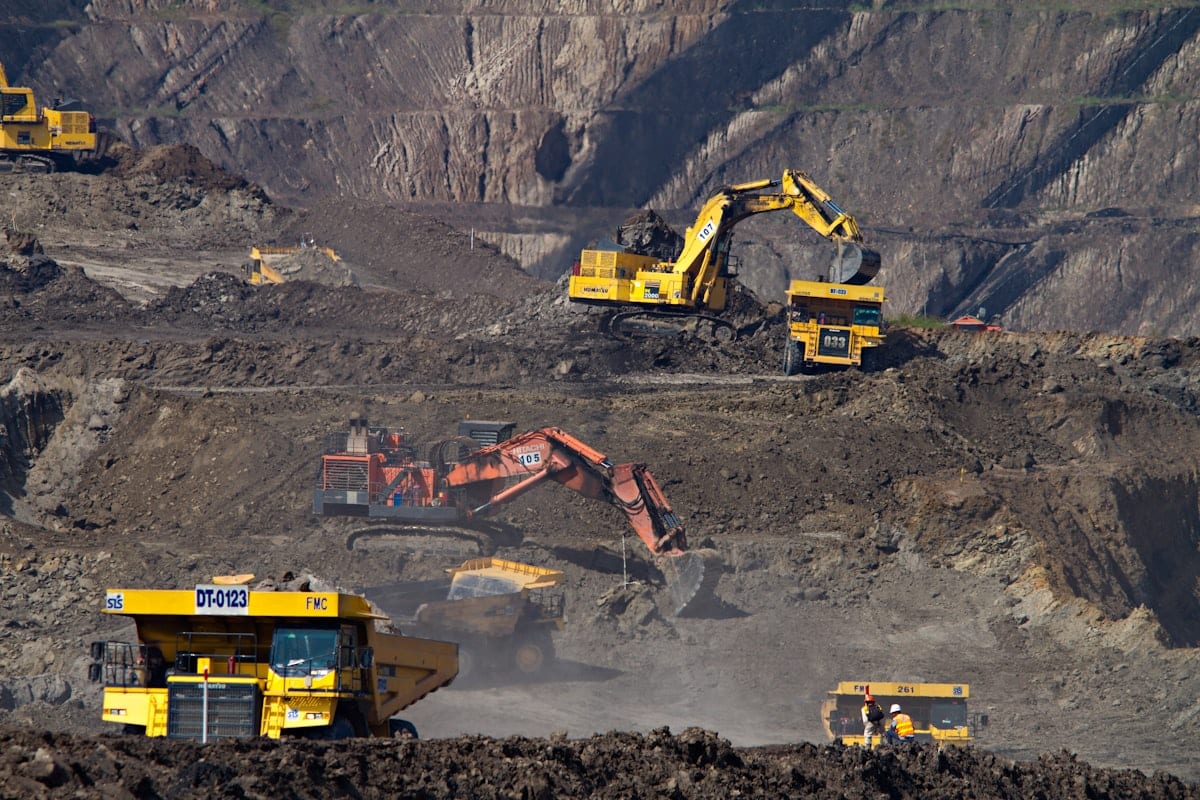
United States Abandoned Mine Land fee
The United States created a dedicated coal-production fee in 1977 to finance the repair of hazards left by older mines. Operators pay according to the coal they produce, and the federal mining regulator distributes grants to states and tribes. By September 2025, the programme had collected USD 14.233 billion, including interest, and distributed USD 6.569 billion in fee-based grants. The example demonstrates an extraction charge created for a specified environmental purpose, with collection and distribution established in law. Its purpose is mine reclamation. A CDR adaptation would require authorised removal spending and checks on delivered tonnes.
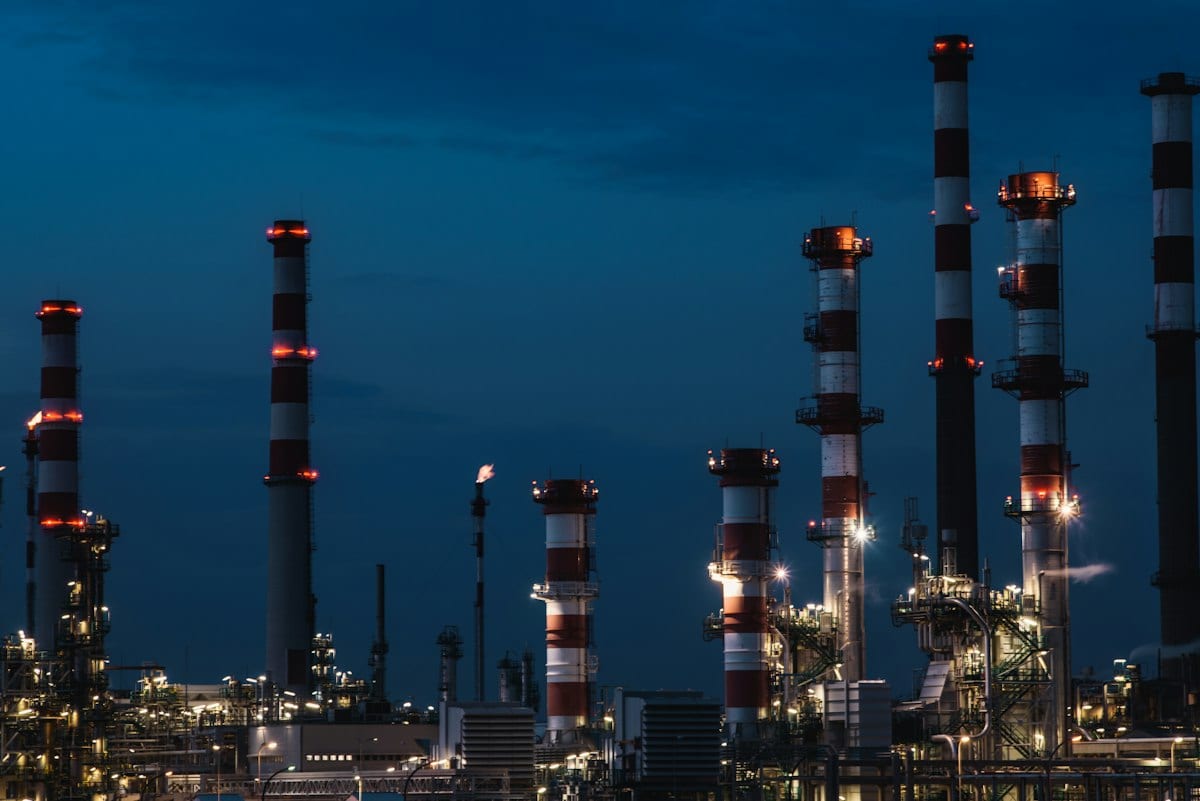
North Dakota Legacy Fund
North Dakota voters approved the Legacy Fund in 2010, reserving 30 per cent of oil and gas production and extraction tax receipts. Deposits began in 2011; cumulative deposits reached USD 10.075 billion through August 2026. Rules restrict withdrawals of principal and permit earnings transfers. This part of the design can help a CDR fund decide how much to retain and how much to spend as extraction changes. The example uses existing taxes and has no dedicated CDR purpose, so it illustrates revenue management rather than the creation of the proposed extraction charge.
More Market creation and price signals

Emissions trading system
A mechanism capping emissions and allowing trading of allowances.
Cost
Low
Complexity
High
Timeline
Medium to Long
Integrity, transparency & MRV
2–4Innovation & cost reduction
2–4Social & environmental safeguards
1–3Energy, transport & storage infrastructure
N/AInputs & capacity
N/ADemand formation
2–5Bankability and cost of capital
2–4Policy architecture & coordination
2–4
Removal compliance system
An annual purchase obligation requiring covered companies to buy verified permanent removals.
Cost
Low to Medium
Complexity
Medium to High
Timeline
Medium to Long
Integrity, transparency & MRV
3–4Innovation & cost reduction
2–4Social & environmental safeguards
1–3Energy, transport & storage infrastructure
N/AInputs & capacity
N/ADemand formation
3–5Bankability and cost of capital
2–4Policy architecture & coordination
3–4
Carbon tax
A direct tax on carbon emissions to incentivise reductions.
Cost
Very low to Low
Complexity
Low to High
Timeline
Very short to Long
Integrity, transparency & MRV
1–2Innovation & cost reduction
2–4Social & environmental safeguards
N/AEnergy, transport & storage infrastructure
N/AInputs & capacity
N/ADemand formation
2–4Bankability and cost of capital
2–3Policy architecture & coordination
2–3©2026 Alexander Mäkelä and Carbon Gap.
Except where otherwise indicated, this work is licensed under the Creative Commons Attribution–NonCommercial–ShareAlike 4.0 International Licence.
Headline and barrier scores based on Carbon Gap analysis.