 Voluntary and normative drivers
CITIZENS' ASSEMBLIES AND DELIBERATIVE MANDATES
Lever last updated: 14 September 2026
A representative group of citizens convened to examine and recommend climate policy.
Cost
Very low to Low
A focused assembly can cost under EUR 1 million, including national exercises. Larger or repeated multilingual processes may require EUR 1–10 million annually for recruitment, participation payments, accessibility, evidence, facilitation and follow-up. Establishment costs should be annualised.
Complexity
Low to Medium
Authorities can commission a familiar assembly under existing powers. New standing participation arrangements or statutory response duties require recruitment and facilitation systems, cross-institutional responsibilities and, where necessary, primary legislation.
Timeline
Very short to Short
Focused assemblies can inform live decisions within a year. Larger processes may need one to two years for recruitment, deliberation and a substantive response before recommendations materially affect policy.
Integrity, transparency & MRV
Innovation & cost reduction
Social & environmental safeguards
Energy, transport & storage infrastructure
Inputs & capacity
Demand formation
Bankability and cost of capital
Policy architecture & coordination
Overview
A citizens' assembly brings a broadly representative group of people together to examine a policy question and recommend what should be done. A government, parliament or other public authority commissions the process and commits to responding to its recommendations. Participants are recruited by lottery with adjustments to reflect the population's diversity, then hear evidence, question specialists and discuss choices with independent facilitators. For CDR, the question could concern which methods deserve support, acceptable effects on communities and the environment, or who should pay. The authority gains considered public judgement and the reasons behind it, while elected institutions retain responsibility for policy and project approvals.
Key Considerations
The commissioning authority should choose a question that participants can influence and state which decisions remain with elected institutions. Recruitment, participation payments, accessibility and independent facilitation determine whose views are included. Evidence should cover scientific uncertainty, alternatives and differing perspectives without making commercial advocacy the default explanation. The response commitment should be agreed before deliberation begins, with a timetable and an explanation of how recommendations will be considered. Method-specific discussion matters because public judgments may differ substantially across removal pathways.
Opportunities
Assemblies can reveal how people weigh trade-offs once they have time to question evidence and discuss alternatives. The resulting recommendations and reasoning can improve policy design and provide a more informed basis for public debate. They can also identify conditions under which participants consider a method acceptable, helping decision-makers distinguish broad concerns from remediable design issues. Their value lies in the quality and use of the deliberation, not in providing automatic political approval for a predetermined programme.
Risks
A narrow question, unbalanced evidence or weak recruitment can steer the outcome and undermine legitimacy. Authorities that solicit recommendations and then provide no serious response can deepen distrust. A single assembly is not a referendum, and findings should not be generalised mechanically to all populations or individual project locations. Participants may also face unrealistic expectations if politicians promise automatic implementation of recommendations that require subsequent legal or budget decisions.
Monitoring and Evaluation
Independent evaluators should assess who participated, whose views were missing, whether evidence was balanced and whether members could question it freely. The commissioning authority should publish an itemised response, reasons for departing from recommendations and subsequent action. Reconvening participants or a review group can test follow-through and identify broken commitments. The findings should improve future recruitment, facilitation and response arrangements, alongside assessment of any policy changes resulting from the process.
Stakeholder Engagement
An independent delivery team should manage selection and facilitation. Scientists, affected communities and industry should present evidence that members can question, alongside experts and civil-society groups that challenge the proposed approach. Parliament or government should commit to the response process before recruitment. Independent evaluators should assess fairness, accessibility and the quality of the discussions.
Governance Levels
Parliaments, governments and other competent public authorities can commission assemblies on decisions within their powers, from local planning to national or supranational climate policy. They determine how recommendations will be considered and who must respond. A foundation, company or international network may finance or organise dialogue, but that supporting role does not itself establish an assembly's public mandate or bind an elected authority to act.
Implementation Strategies
The commissioning authority should agree a decision question and a public response commitment before recruitment. Parliamentary sponsorship can broaden responsibility beyond one ministry where that suits the decision being considered.
An independent team should recruit through a transparent lottery designed to reflect population diversity and provide payments and accessibility support. Evidence should cover methods, alternatives and risks, including perspectives that challenge assumptions about deployment.
Facilitators should allow participants to examine removal methods separately and explain the conditions behind their recommendations. Publishing the evidence and reasoning alongside votes lets policymakers understand which concerns could be addressed through different policy or project designs.
The authority should issue an itemised response on an agreed timetable and explain subsequent decisions. A funded follow-up session can let participants assess what happened to their recommendations and question departures or delays.
Case Studies

Climate Assembly UK
Climate Assembly UK was commissioned by six House of Commons select committees to consider the path to net zero. Its 108 members heard evidence and deliberated during 2020, then published a September report with separate judgments on removal methods. In its removals chapter, 99 per cent supported forests and better forest management and 82 per cent supported wood in construction, while views on bioenergy with carbon capture and direct air capture were more divided. Members explained concerns about cost, energy use and using future removal promises to delay emissions cuts. These differences give policymakers more useful guidance than a single support-or-oppose question about CDR. The recommendations remained advisory and did not provide consent for individual facilities.
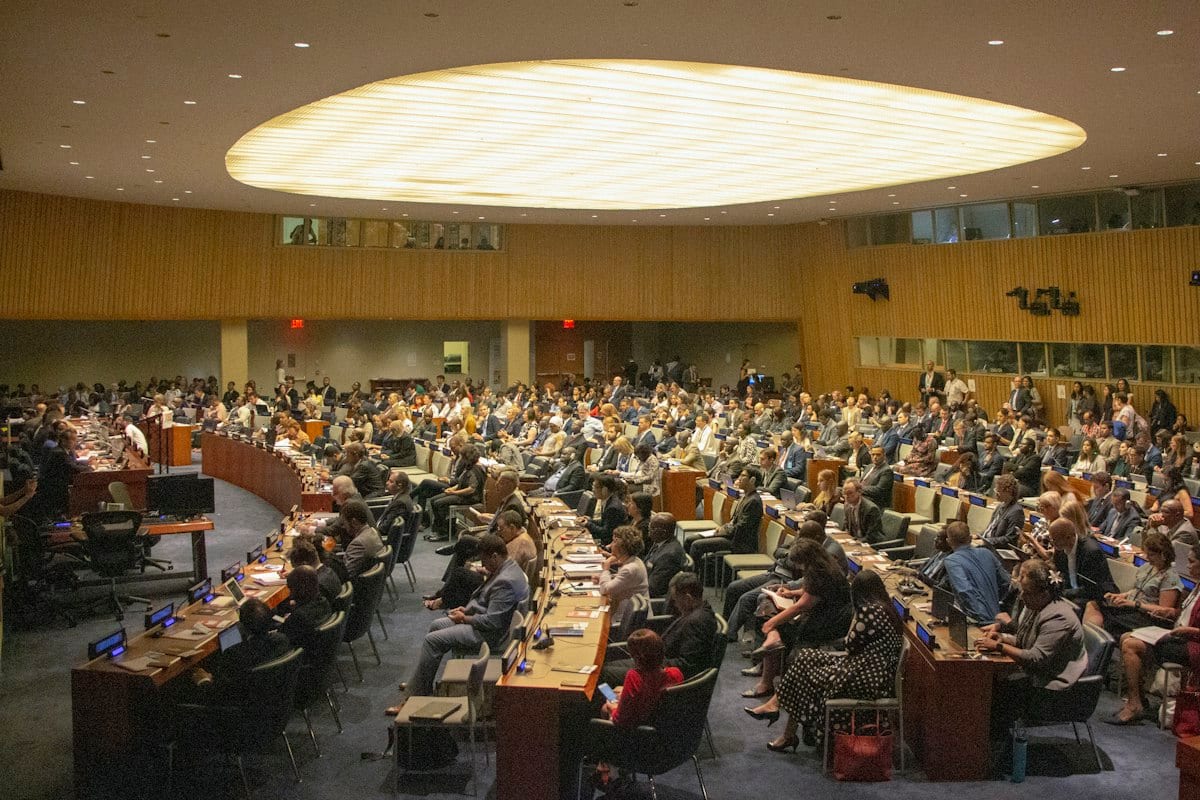
France's Citizens' Convention for Climate
France's Citizens' Convention for Climate, organised through its Economic, Social and Environmental Council, brought together 150 randomly selected citizens to propose emissions cuts consistent with social justice. Participants deliberated during 2019–2020 and later returned to assess the government's response. Their February 2021 review published judgments on how the proposed measures had been taken forward. Reconvening the group made follow-through open to scrutiny instead of ending participation when the recommendations were delivered. The exercise covered climate policy generally rather than CDR. For a removal assembly, it illustrates the value of agreeing both the authority's response duties and a later opportunity for participants to question what happened to their recommendations.
More Voluntary and normative drivers

Awareness campaigns and public engagement
Public education activities giving people information about carbon removal and its trade-offs.
Cost
Very low to Medium
Complexity
Very low to Medium
Timeline
Very short to Medium
Integrity, transparency & MRV
1–2Innovation & cost reduction
N/ASocial & environmental safeguards
2–3Energy, transport & storage infrastructure
N/AInputs & capacity
N/ADemand formation
1–2Bankability and cost of capital
N/APolicy architecture & coordination
1–2
Voluntary industry codes and participation requirements
An industry-run code of conduct that participating firms agree to follow.
Cost
Very low to Low
Complexity
Low to Medium
Timeline
Very short to Medium
Integrity, transparency & MRV
1–3Innovation & cost reduction
N/ASocial & environmental safeguards
1–3Energy, transport & storage infrastructure
N/AInputs & capacity
N/ADemand formation
1–2Bankability and cost of capital
N/APolicy architecture & coordination
1–3
Internal carbon fees and shadow pricing
An internal price on emissions that shapes an organisation's own investment decisions.
Cost
Very low to High
Complexity
Very low to Medium
Timeline
Very short to Short
Integrity, transparency & MRV
1–2Innovation & cost reduction
1–2Social & environmental safeguards
1–2Energy, transport & storage infrastructure
N/AInputs & capacity
N/ADemand formation
1–4Bankability and cost of capital
1–3Policy architecture & coordination
1–2©2026 Alexander Mäkelä and Carbon Gap.
Except where otherwise indicated, this work is licensed under the Creative Commons Attribution–NonCommercial–ShareAlike 4.0 International Licence.
Headline and barrier scores based on Carbon Gap analysis.