 Market creation and price signals
CDR RESERVE
Lever last updated: 8 September 2026
Strategic stockpiling of removal credits for future use.
Cost
Low to Very high
A small philanthropic inventory may require only several million euros, while a national or supranational reserve purchasing removals at market-relevant scale could require hundreds of millions or billions annually.
Complexity
Medium to High
A private fund can purchase and hold credits through existing contracts and registries, while a public reserve requires procurement authority, eligibility rules, custody arrangements, accounting treatment and legally defined release conditions.
Timeline
Short to Long
A philanthropic vehicle can begin purchasing within one to two years, while establishing a public reserve and producing its first market effect could take between two and ten years.
Integrity, transparency & MRV
Innovation & cost reduction
Social & environmental safeguards
Energy, transport & storage infrastructure
Inputs & capacity
Demand formation
Bankability and cost of capital
Policy architecture & coordination
Overview
A CDR reserve is a public stockpile of carbon removal credits set aside for future use. In practice, a government or authority procures and holds verified CO₂ removal certificates in a reserve account instead of retiring them immediately. This creates a strategic buffer that can be drawn later to meet climate targets or to stabilise carbon markets. The concept is analogous to a strategic petroleum reserve, but for stored carbon removals.
Key Considerations
Building such a reserve requires upfront investment and rigorous credit quality control. Authorities must decide what types of removals qualify. There should be clear rules for when and how reserved credits can be used – for example, to be released into an ETS at a later date. Legal provisions must allow banking these credits across compliance periods. Transparency is crucial: the reserve’s size, the types of credits, and their intended use should be publicly reported.
Opportunities
A CDR reserve can accelerate the CDR industry by acting as an early, guaranteed buyer for removals. Government procurement to fill the reserve spurs investment in projects, helping scale technologies and drive down costs. It also provides a safety net for climate targets . Moreover, a reserve can smooth carbon market volatility: authorities might buy and bank credits when prices are low and later use them to ease tight markets or compliance costs.
Risks
Substantial public funds may be tied up in credits that only yield climate benefits years later. If credit quality is poor, the reserve could fail to deliver its promised offsets, giving a false sense of security. There are also risks of moral hazard: policymakers might lean on the reserve as a crutch and delay necessary emissions cuts. Proper governance is needed to ensure reserved credits remain valid over time and to prevent double-counting or misuse.
Monitoring and Evaluation
Key metrics include the total CO₂ tonnage in the reserve, the types and vintage of credits held, and their permanence status. Annual reports should track additions to the reserve versus goals and disclose the average procurement cost per tonne. Independent auditing of the credits is recommended to verify they maintain integrity over time.
Stakeholder Engagement
The main actors are government agencies administering the reserve and CDR providers selling into it. Early engagement ensures fair design. Legislators, finance authorities, and carbon market experts help secure funding and rules. NGOs and the public must be reassured it complements, not replaces, emissions cuts.
Governance Levels
A city could purchase and hold removal credits, but no direct precedent has been identified, and ownership would need to be reconciled with national inventories and claims rules to prevent double counting.
Implementation Strategies
Dedicate funding or carbon revenue to procure removals via tenders or auctions, ensuring price competition for high-quality credits.
Set clear eligibility criteria, such as minimum 100-year durability, and enact rules for when credits can be officially used.
Begin with small pilot procurements to test systems, scaling up as removal supply increases and market maturity improves.
Maintain transparency with annual reporting and emphasise the reserve is a complement to reductions, not a substitute.
Case Studies
EU Carbon Removal Reserve (Proposal)
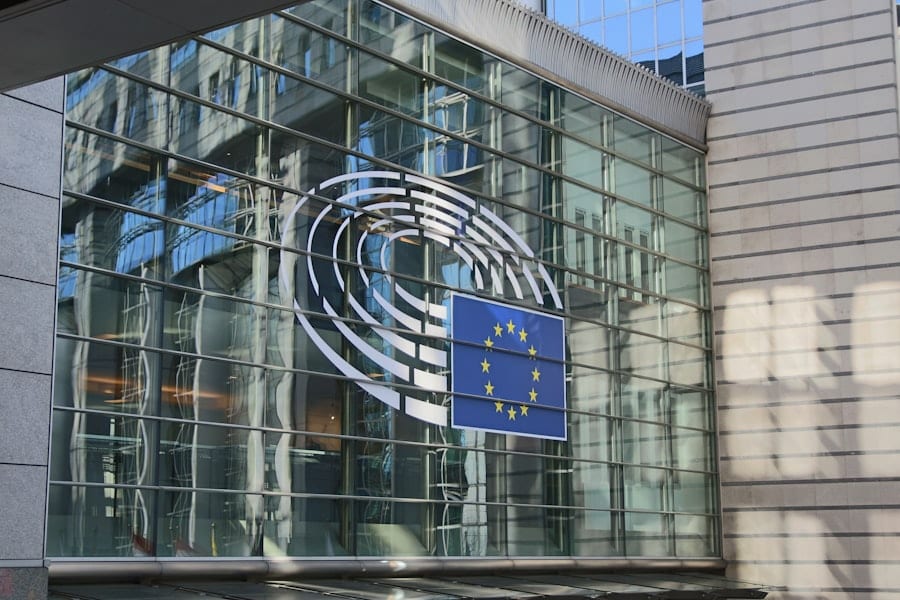
The Kiel Institute has proposed that the European Commission create a Carbon Removal Reserve by purchasing verified removal certificates upfront and holding them for future use. The proposed reserve would provide early demand for removals, reduce the risk of future scarcity and create a stock of certificates that could eventually support EU carbon-market management. The proposal also presents the reserve as a possible foundation for a future Carbon Central Bank. No procurement mandate, dedicated budget or certificate-release rules have been adopted. The case provides more of a direct design for the lever but not evidence of implementation.

California Allowance Price Containment Reserve
California sets aside emissions allowances in an Allowance Price Containment Reserve and offers them for sale at two predetermined price tiers. The mechanism demonstrates that a Regional/State authority can maintain a strategic stock of carbon-market units and release them according to published rules. It also shows how reserve governance can be incorporated into an existing registry and auction system. California’s reserve contains emissions allowances rather than purchased removal certificates and is intended to contain compliance costs, not secure future CDR supply.

New Zealand ETS Cost Containment Reserve
New Zealand’s ETS settings specify a cost-containment reserve containing units that become available only when the auction trigger price is reached. The government determines the number of reserve units available and the conditions governing their release through national regulations. This provides an operational national precedent for maintaining a carbon-unit buffer and releasing it under transparent market rules. The reserve consists of government-created emissions units rather than removal certificates acquired from projects, so it demonstrates institutional capability rather than the operation of a CDR stockpile.
Terraset Revolving Fund
Terraset uses philanthropic funding to pre-purchase carbon-removal credits from suppliers. When corporate buyers subsequently purchase those credits, Terraset reinvests the proceeds in additional carbon-removal commitments. The model allows philanthropic capital to warehouse removal-credit commitments temporarily, support early suppliers and revolve into further purchases. It is the closest operational precedent for a philanthropic CDR reserve, but it is small, voluntary and project-selective. It has no public backstop, strategic climate inventory or predetermined rules requiring credits to be held or released in response to market conditions.
More Market creation and price signals

Emissions trading system
A mechanism capping emissions and allowing trading of allowances.
Cost
Low
Complexity
High
Timeline
Medium to Long
Integrity, transparency & MRV
2–4Innovation & cost reduction
2–4Social & environmental safeguards
1–3Energy, transport & storage infrastructure
N/AInputs & capacity
N/ADemand formation
2–5Bankability and cost of capital
2–4Policy architecture & coordination
2–4
Removal compliance system
An annual purchase obligation requiring covered companies to buy verified permanent removals.
Cost
Low to Medium
Complexity
Medium to High
Timeline
Medium to Long
Integrity, transparency & MRV
3–4Innovation & cost reduction
2–4Social & environmental safeguards
1–3Energy, transport & storage infrastructure
N/AInputs & capacity
N/ADemand formation
3–5Bankability and cost of capital
2–4Policy architecture & coordination
3–4
Carbon tax
A direct tax on carbon emissions to incentivise reductions.
Cost
Very low to Low
Complexity
Low to High
Timeline
Very short to Long
Integrity, transparency & MRV
1–2Innovation & cost reduction
2–4Social & environmental safeguards
N/AEnergy, transport & storage infrastructure
N/AInputs & capacity
N/ADemand formation
2–4Bankability and cost of capital
2–3Policy architecture & coordination
2–3©2026 Alexander Mäkelä and Carbon Gap.
Except where otherwise indicated, this work is licensed under the Creative Commons Attribution–NonCommercial–ShareAlike 4.0 International Licence.
Headline and barrier scores based on Carbon Gap analysis.