 Market creation and price signals
CARBON PRICE FLOOR FOR REMOVALS
Lever last updated: 8 September 2026
A minimum price guarantee for carbon credits to drive investment.
Cost
Low to High
A bounded pilot can require only several million euros annually, while a large standing purchase guarantee or corporate commitment can exceed €100 million a year.
Complexity
Low to High
A corporate buyer can provide a contractual price guarantee using existing procurement authority, while a national or international facility may require legislation, dedicated auction systems, eligibility rules and multi-actor administration.
Timeline
Very short to Medium
A corporate guarantee or reserve price added to an existing market can begin affecting decisions within a year, while establishing a new national or international facility may take two to five years.
Integrity, transparency & MRV
Innovation & cost reduction
Social & environmental safeguards
Energy, transport & storage infrastructure
Inputs & capacity
Demand formation
Bankability and cost of capital
Policy architecture & coordination
Overview
A carbon price floor for removals sets a minimum price per tonne of CO₂ removed, guaranteeing CDR providers a baseline revenue. If market prices fall below the floor, a government support mechanism (e.g. a top-up payment) makes up the difference, ensuring credits never trade below the threshold. This approach de-risks investments in CDR projects by stabilising long-term price expectations.
Key Considerations
Effective design requires a floor high enough to spur CDR investment but not so high as to impose excessive costs. The mechanism can be implemented via a carbon tax top-up, a contracts-for-difference scheme, or integrated into emissions trading. Long-term credibility is vital to shape investor expectations. Rigorous MRV and alignment with existing carbon pricing policies are needed to avoid market distortions.
Opportunities
A price floor offers a predictable carbon price signal, encouraging private investment in CDR. It can complement cap-and-trade systems by guaranteeing a minimum value for negative emissions. The UK’s Carbon Price Floor, for example, created a stable minimum price that accelerated coal phase-out in the power sector. Applied to CDR, a similar approach could help scale direct air capture deployment.
Risks
If set too low, a floor is ineffective; if too high, it imposes heavy costs on governments or consumers. A poorly calibrated floor can distort carbon markets or raise competitiveness concerns if applied unilaterally. There is also political uncertainty-future administrations could weaken or repeal the floor, eroding its credibility and discouraging long-term investment.
Monitoring and Evaluation
Evaluation should consider the volume of CDR credits receiving floor-price support, the frequency and scale of government intervention, and changes in private CDR investment. Regular reviews can use this evidence to adjust the floor as removal costs change and climate targets become more demanding.
Stakeholder Engagement
Early participation by finance ministries, carbon-market regulators, CDR developers and investors can help establish a floor that is high enough to support projects without imposing unnecessary public costs. Clear public communication can explain the rationale and expected costs, while coordination with international partners can address competitiveness concerns.
Governance Levels
Implementation Strategies
Start with a modest floor and increase it gradually, allowing markets to adapt to the new price.
Legally enshrine the price floor to solidify credibility and mandate an independent authority to set/maintain it with a transparent methodology.
Apply the floor via reserve prices in auctions/registries and standing market-stability facilities (buyer-of-last-resort windows).
Set up independent reviews to adjust the floor over time based on technology costs and progress toward climate targets.
Case Studies

World Bank Pilot Auction Facility
The World Bank’s Pilot Auction Facility made a carbon-credit price floor tradable by auctioning put options, which gave successful bidders the right to sell eligible credits to the facility at a guaranteed strike price. The first auction attracted 28 bidders from 17 countries and allocated options covering 8.7 million credits at $2.40 per tonne. By December 2019, 93% of the options issued through the early auctions had been redeemed, delivering 10.3 MtCO₂e of verified mitigation. The facility provides the strongest implemented precedent for competitively setting a guaranteed carbon-credit price. It covered methane and nitrous-oxide reductions rather than removals, however, and adaptation to CDR would require method-specific rules for measurement, permanence, reversals and lifecycle emissions.
UK Carbon Price Floor
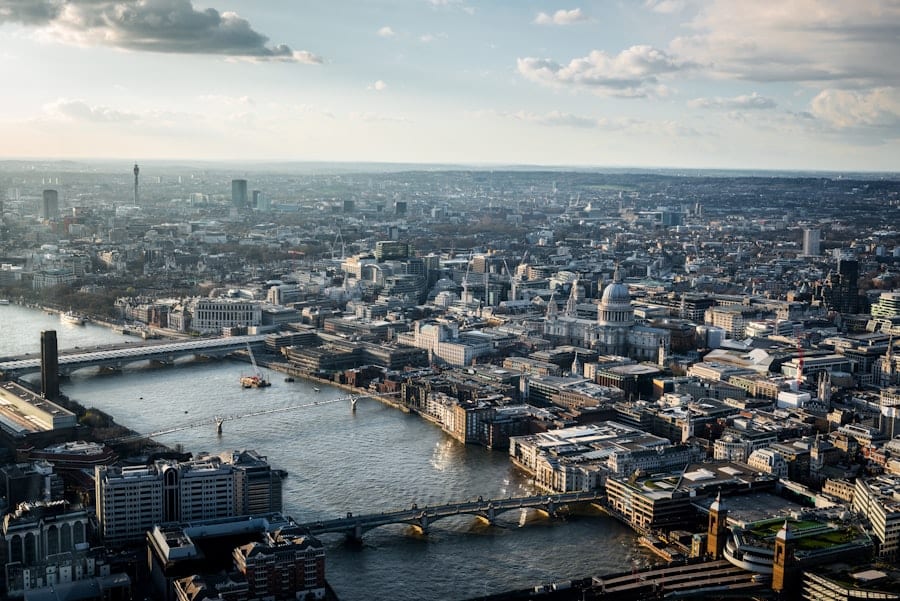
The United Kingdom introduced its Carbon Price Floor in April 2013 through Carbon Price Support rates imposed under the Climate Change Levy. The mechanism supplements the market carbon price faced by electricity generators, allowing the national government to maintain a stronger minimum price signal through existing tax machinery. It demonstrates that a national treasury can establish and administer a carbon-price floor without creating a separate trading institution. The mechanism applies to fossil-fuel use in power generation rather than CDR and does not guarantee that a removal provider will find a buyer at the stated price.
California-Québec Auction Reserve Price
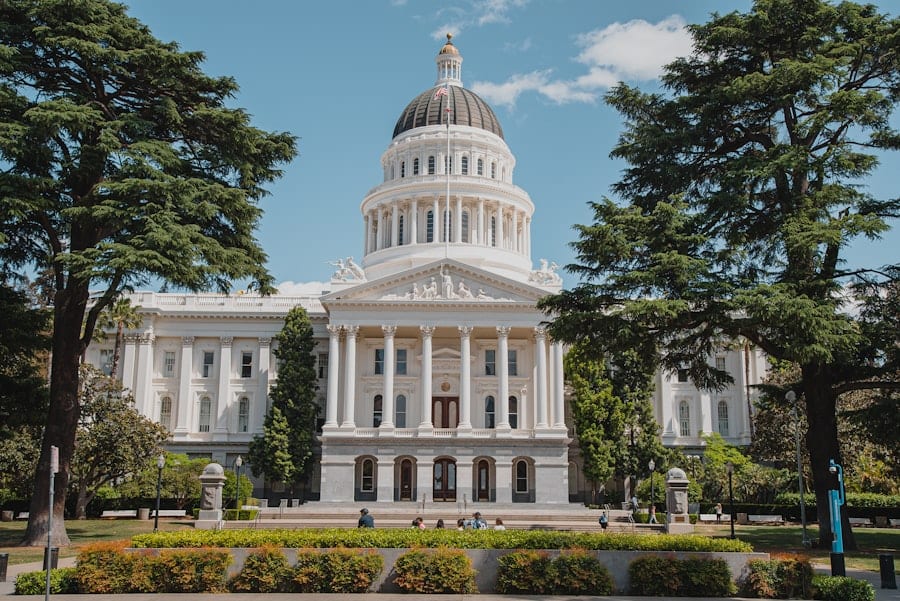
California and Québec apply an auction reserve price in their joint cap-and-trade auctions, establishing the minimum price at which allowances can be sold. The mechanism demonstrates that Regional/State governments can operate a coordinated minimum carbon price and update it through existing market rules. It also avoids unlimited public expenditure because allowances offered below the reserve price remain unsold. However, an allowance-auction reserve is not equivalent to guaranteeing revenue for CDR providers: it restricts the sale of supply but does not commit the government to purchase removal units at the floor price.
More Market creation and price signals

Emissions trading system
A mechanism capping emissions and allowing trading of allowances.
Cost
Low
Complexity
High
Timeline
Medium to Long
Integrity, transparency & MRV
2–4Innovation & cost reduction
2–4Social & environmental safeguards
1–3Energy, transport & storage infrastructure
N/AInputs & capacity
N/ADemand formation
2–5Bankability and cost of capital
2–4Policy architecture & coordination
2–4
Removal compliance system
An annual purchase obligation requiring covered companies to buy verified permanent removals.
Cost
Low to Medium
Complexity
Medium to High
Timeline
Medium to Long
Integrity, transparency & MRV
3–4Innovation & cost reduction
2–4Social & environmental safeguards
1–3Energy, transport & storage infrastructure
N/AInputs & capacity
N/ADemand formation
3–5Bankability and cost of capital
2–4Policy architecture & coordination
3–4
Carbon tax
A direct tax on carbon emissions to incentivise reductions.
Cost
Very low to Low
Complexity
Low to High
Timeline
Very short to Long
Integrity, transparency & MRV
1–2Innovation & cost reduction
2–4Social & environmental safeguards
N/AEnergy, transport & storage infrastructure
N/AInputs & capacity
N/ADemand formation
2–4Bankability and cost of capital
2–3Policy architecture & coordination
2–3©2026 Alexander Mäkelä and Carbon Gap.
Except where otherwise indicated, this work is licensed under the Creative Commons Attribution–NonCommercial–ShareAlike 4.0 International Licence.
Headline and barrier scores based on Carbon Gap analysis.