 Voluntary and normative drivers
AGREEMENTS TO COORDINATE LOCAL CLIMATE ACTION
Lever last updated: 14 September 2026
A shared programme of work agreed between a city or region and the organisations needed to deliver it.
Cost
Very low to Low
Partners pay for coordination staff, technical advice, preparation of joint plans and progress reviews. Existing partnerships can use current teams; continuing support across many municipalities needs dedicated capacity. Project construction and removal purchases require separate budgets.
Complexity
Low to Medium
Partners must agree responsibilities, secure internal approvals and coordinate their decisions. Existing working relationships simplify this; a new agreement across agencies and utilities needs shared reporting and a process for resolving delays.
Timeline
Very short to Short
Existing partners may start jointly supported project preparation within a year. A new partnership may need one to two years to agree responsibilities, approve resources and begin the work promised.
Integrity, transparency & MRV
Innovation & cost reduction
Social & environmental safeguards
Energy, transport & storage infrastructure
Inputs & capacity
Demand formation
Bankability and cost of capital
Policy architecture & coordination
Overview
A city or region can agree a shared programme of work with the public agencies, utilities and businesses whose decisions are needed to carry out its climate plan. Each organisation commits to specific actions, assigns staff or funding and agrees when progress will be reviewed. For example, a municipality might commit to developing a project while a national agency provides technical assistance and a utility prepares the required network investment. The agreement makes these separate responsibilities visible and provides a regular way to resolve delays. For CDR, it could coordinate removal opportunities in municipal heating, waste, land management or purchasing. These agreements usually record voluntary commitments; projects still need the funding, contracts and permits required to proceed.
Key Considerations
Partners should agree which actions belong in the shared programme, who can authorise them and what resources are actually available. An agency should specify whether it promises technical advice, preparation of a funding application or a committed budget, since these offer different levels of support. Municipalities cannot bind businesses or residents by signing on their behalf. The agreement should set deadlines, name a contact in each organisation and provide a route for referring unresolved decisions to senior officials. Regular revisions should record missed commitments as well as new ambitions. Carbon accounting should distinguish emissions reductions, remaining emissions and any removals used to address them.
Opportunities
Municipal utilities, public land and purchasing budgets can offer several entry points for CDR, but individual projects often depend on decisions by other organisations. A shared agreement lets the partners identify those decisions together and put them in a workable order. For example, a municipal bioenergy project may need the utility's engineering work, a national funding decision and arrangements for CO₂ transport considered together. Named responsibilities and regular review can reduce time lost between institutions. Agreements covering several municipalities can also share technical advice and project-preparation tools, helping places that cannot support a specialist CDR team of their own.
Risks
Voluntary agreements can become communications exercises if partners stop funding the work or updating their commitments. A climate-neutrality target built on undefined offsets can also mislead residents about what the city plans to reduce or remove. Coalitions of well-resourced cities may widen the gap to other municipalities unless tools and support are shared. Changes in government can weaken agency commitments, leaving local projects without promised assistance. Responsibilities, progress and changes to support should therefore remain visible between signing events.
Monitoring and Evaluation
Partners should assess whether each organisation completed its agreed actions, supplied promised support and advanced the projects concerned. Removal work should be reported by stage, including feasibility, funding, purchasing and verified delivery. Evaluation should examine whether the joint agreement helped resolve delays and whether smaller municipalities received usable assistance. The next revision should change responsibilities, timetables or support where repeated commitments have failed to produce action.
Stakeholder Engagement
Municipal and regional leaders should agree local actions and budgets; national agencies should identify the funding or regulatory support they can provide. Utilities and businesses supply project plans and commit to actions within their control. Universities can help assess technical options, while residents should help shape priorities, local benefits and acceptable impacts. Working groups need to keep those participants involved between contract revisions, with support for communities and smaller municipalities that would otherwise struggle to participate.
Governance Levels
Cities and regions can initiate agreements and commit their own staff, assets and budgets. National agencies and supranational programmes can join where they control the technical assistance, funding or other support promised. Utilities and companies are joint implementors when they accept responsibility for specified actions. Each signatory must secure approval through its own decision processes; the agreement does not transfer a ministry's, council's or company's powers to the partnership.
Implementation Strategies
Cities and partner agencies should begin with specific, published commitments that fall within their powers and budgets. Each local action should identify the supporting decision needed from another party and who will make it.
Partners should review the agreement annually or biennially. Each action should identify a responsible organisation, an expected completion date, the support required from others and progress since the previous review.
Agencies and utilities should specify the assistance, funding decisions or regulatory work they will undertake. A joint team can follow outstanding actions and refer delays to the manager or elected body with authority to resolve them.
The coalition should share tools openly and pair experienced cities with less-resourced peers. Independent evaluation can identify which support changes local decisions and whether the benefits reach municipalities outside the founding group.
Case Studies

Sweden's Climate City Contract 2030
Sweden's Climate City Contract 2030 connects municipalities with national agencies and Viable Cities, a programme supporting climate-neutral cities. Its December 2025 five-year review reported forty-eight participating municipalities. Municipalities develop climate actions and investment priorities; agency and programme partners undertake to provide coordinated support and expertise. Annual revisions use continuing needs analysis to adjust both sides' commitments. The 2025/2026 version added joint commitments between cities, including cooperation on monitoring and procurement, while partnerships such as Lund and Lomma extend learning to neighbouring municipalities. The mechanism is useful where a city's project needs support from several institutions that would otherwise act separately. Removal-related investment or purchasing can enter that process, but coalition participation alone does not establish that a specific CDR project was funded or delivered.
EU Climate City Contracts
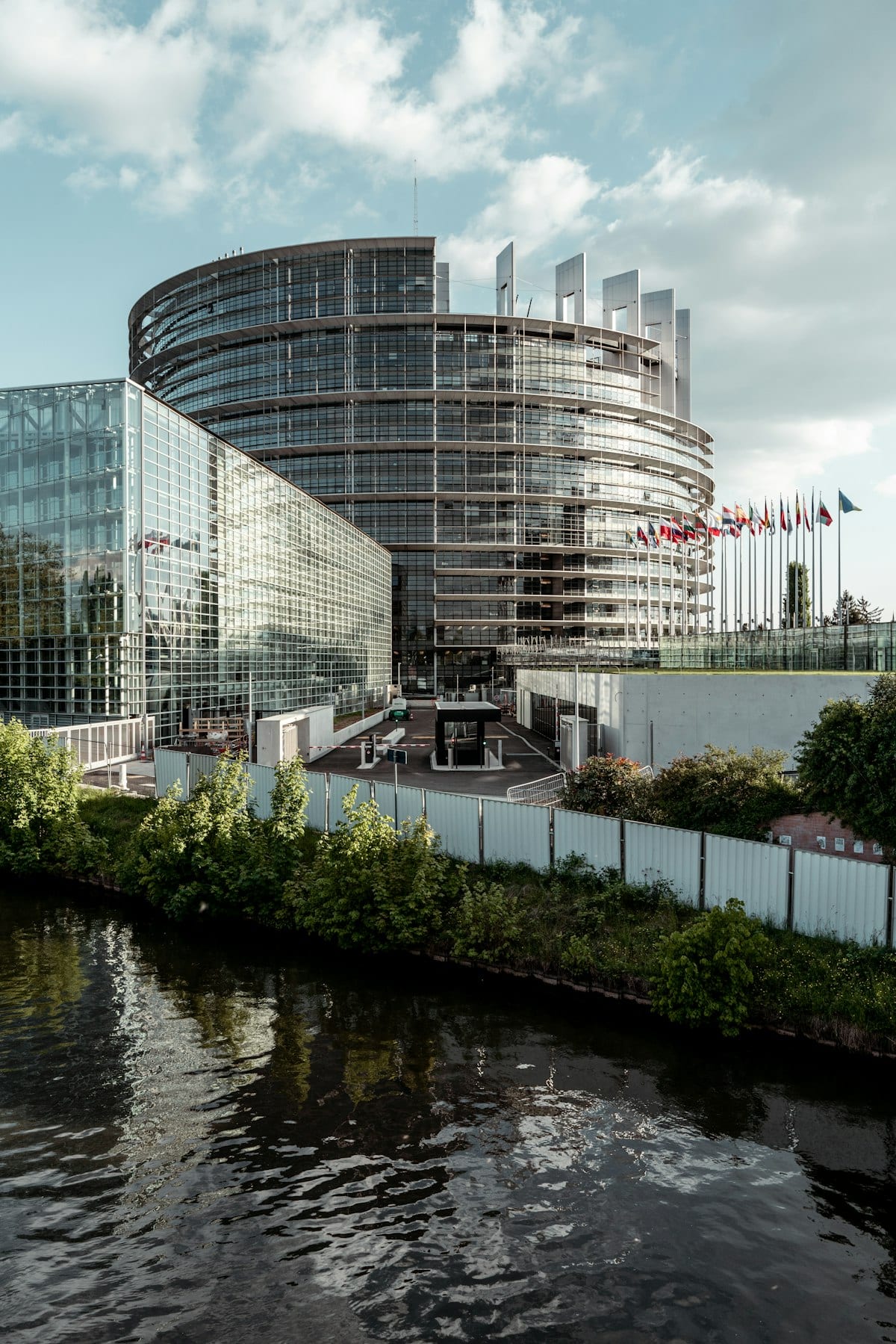
The EU Cities Mission supports cities pursuing climate neutrality. Its Climate City Contracts combine commitments from the city and its partners with an action plan and an investment plan, as explained by NetZeroCities, the Mission's support programme. The city must connect proposed measures with responsibilities and financing needs, allowing public agencies, utilities and investors to see what is required from them. A positively assessed contract can receive an EU Mission Label intended to facilitate access to support and finance. The contract therefore provides a common basis for seeking investment and coordinating implementation, rather than serving only as a target statement. CDR can be included when a city identifies remaining emissions and suitable removal activities; the label itself is not a grant or removal purchase.
More Voluntary and normative drivers

Awareness campaigns and public engagement
Public education activities giving people information about carbon removal and its trade-offs.
Cost
Very low to Medium
Complexity
Very low to Medium
Timeline
Very short to Medium
Integrity, transparency & MRV
1–2Innovation & cost reduction
N/ASocial & environmental safeguards
2–3Energy, transport & storage infrastructure
N/AInputs & capacity
N/ADemand formation
1–2Bankability and cost of capital
N/APolicy architecture & coordination
1–2
Voluntary industry codes and participation requirements
An industry-run code of conduct that participating firms agree to follow.
Cost
Very low to Low
Complexity
Low to Medium
Timeline
Very short to Medium
Integrity, transparency & MRV
1–3Innovation & cost reduction
N/ASocial & environmental safeguards
1–3Energy, transport & storage infrastructure
N/AInputs & capacity
N/ADemand formation
1–2Bankability and cost of capital
N/APolicy architecture & coordination
1–3
Internal carbon fees and shadow pricing
An internal price on emissions that shapes an organisation's own investment decisions.
Cost
Very low to High
Complexity
Very low to Medium
Timeline
Very short to Short
Integrity, transparency & MRV
1–2Innovation & cost reduction
1–2Social & environmental safeguards
1–2Energy, transport & storage infrastructure
N/AInputs & capacity
N/ADemand formation
1–4Bankability and cost of capital
1–3Policy architecture & coordination
1–2©2026 Alexander Mäkelä and Carbon Gap.
Except where otherwise indicated, this work is licensed under the Creative Commons Attribution–NonCommercial–ShareAlike 4.0 International Licence.
Headline and barrier scores based on Carbon Gap analysis.